If lawless aggression by ‘might is right’ nuclear-armed powers spreads unchecked, what other option do middle-ranking countries have?
W
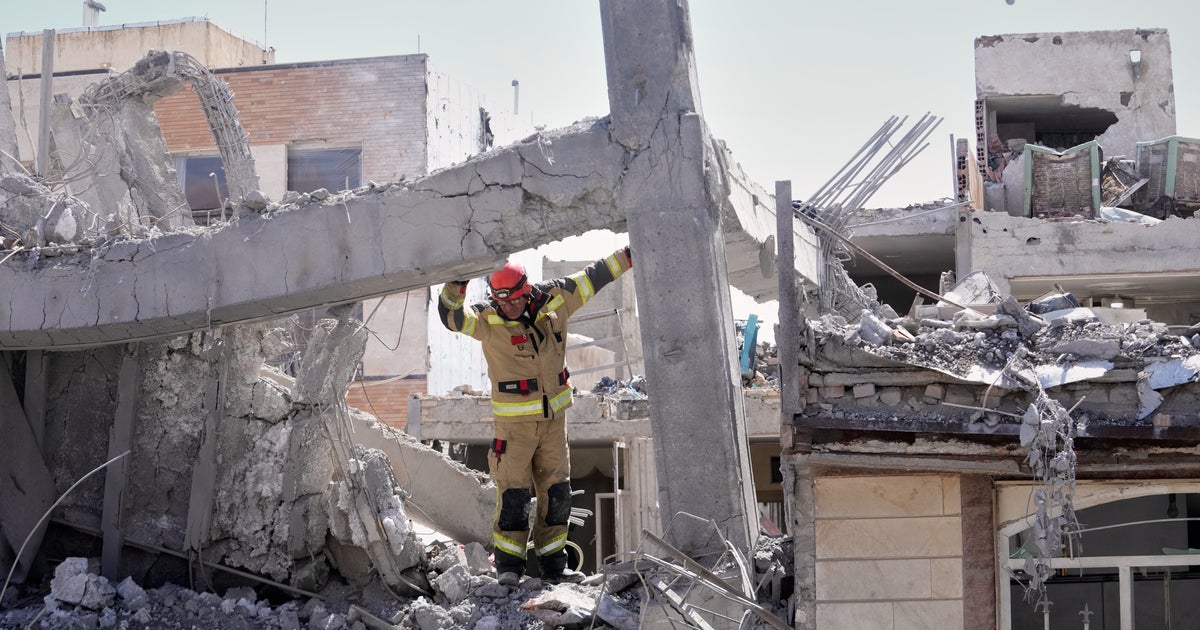
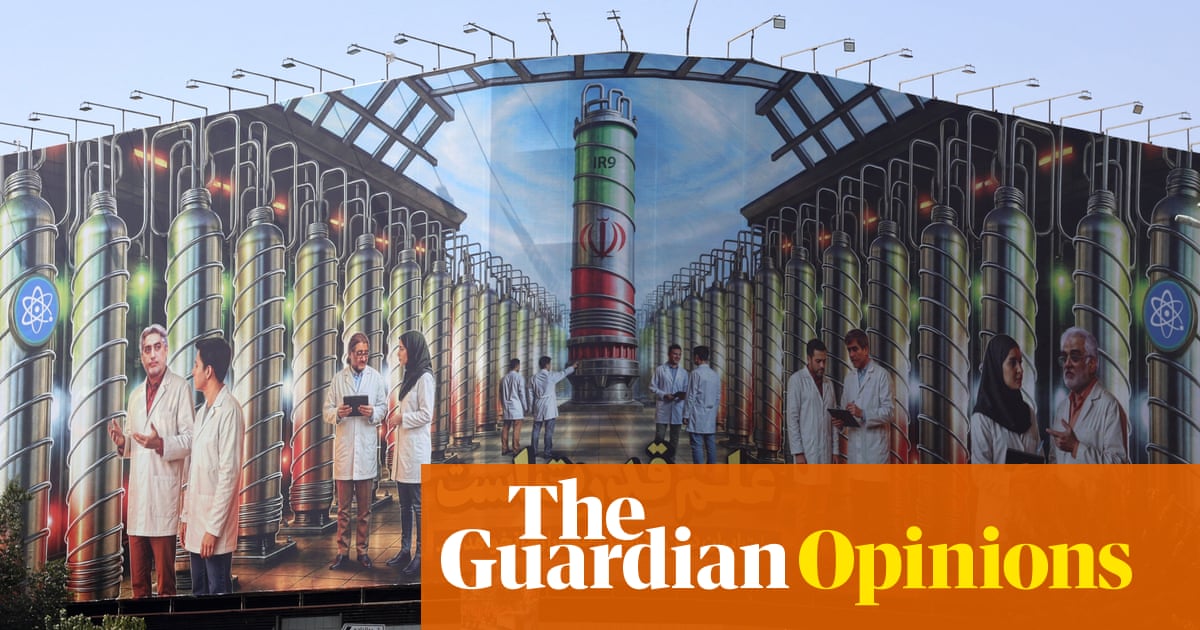
ith every bomb dropped, ship seized and blood-curdling threat of annihilation, Donald Trump increases Iran’s incentive to reject his “grand bargain” peace deal and sprint instead to acquire nuclear weapons for future self-defence. Justifying his declaration of war on 28 February, Trump claimed that Iran – and primarily its nuclear programme – posed an “imminent threat”. But Iran does not possess nukes. The US and Israel do.
US intelligence chiefs and UN inspectors agree there’s no firm evidence that the regime, while developing its technical capabilities and keeping political options open, has built, or ever tried to build, a nuclear weapon since at least 2003, when a covert scheme was exposed. But after Trump’s second unprovoked attack in a year, and his vow to bomb Iranian civilisation back to the “stone ages”, that is very likely to change.
It’s increasingly difficult to argue with the view, attributed to the hardline Islamic Revolutionary Guard Corps generals now running Iran, that nukes are the only sure way of deterring future onslaughts. The US and Israel have twice struck without warning, in the middle of diplomatic negotiations. Even if a peace deal were agreed, Iranians know the ever-vengeful Trump and Benjamin Netanyahu cannot be trusted. The US-Israel axis could sustain its aggression for years to come.