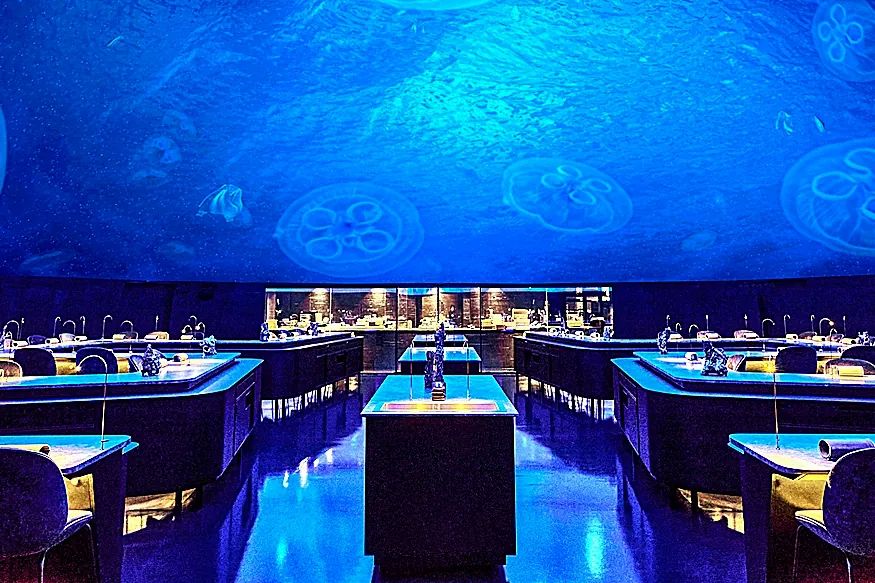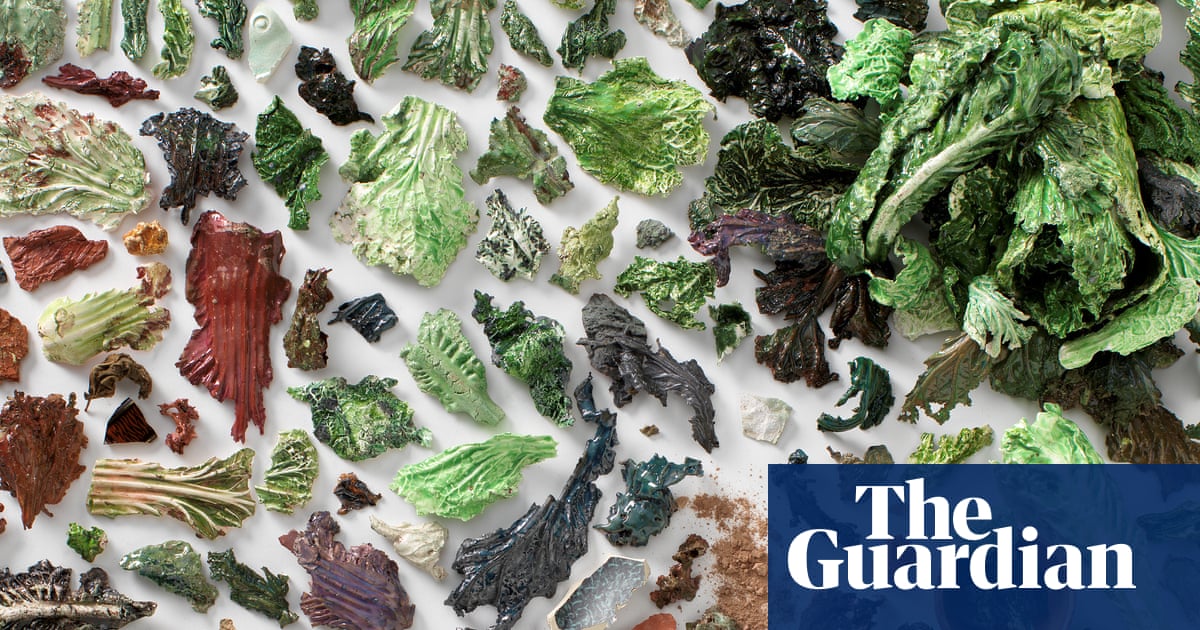
Imagine dining on “edible plastic” made from algae and collagen from fish skins. While you ingest the dish, ocean-borne plastic pollution seemingly floats above you, projected across the restaurant’s huge domed ceiling. It’s an experience — and dish — inspired by large garbage patches found in our seas.
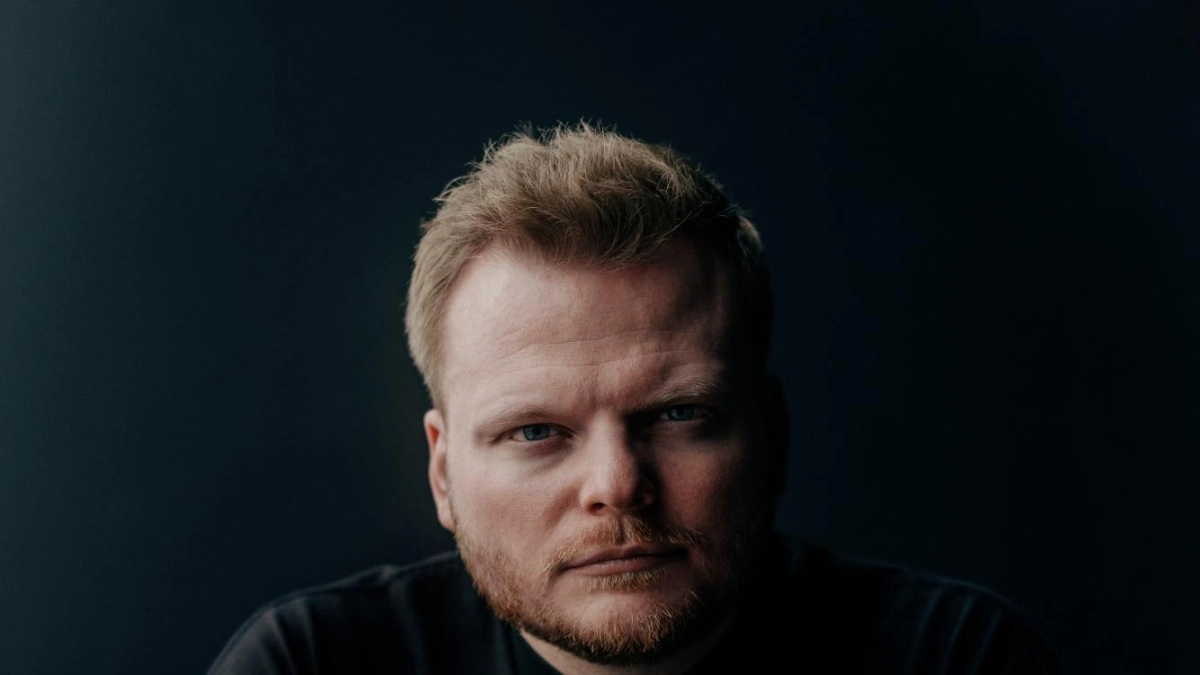
In Denmark, chef Rasmus Munk doesn’t offer dishes at the Alchemist restaurant. Instead, he whisks guests on an “immersive dining experience” combining performance, music, projections in its planetarium-like domed dining room, and, of course, food.
Opened in 2019 at the site of a former industrial harbor area in the Danish capital, Copenhagen, Alchemist was named the world’s fifth-best restaurant in 2025. It has two Michelin stars, signifying excellence in cuisine, out of a maximum three possible for one establishment.
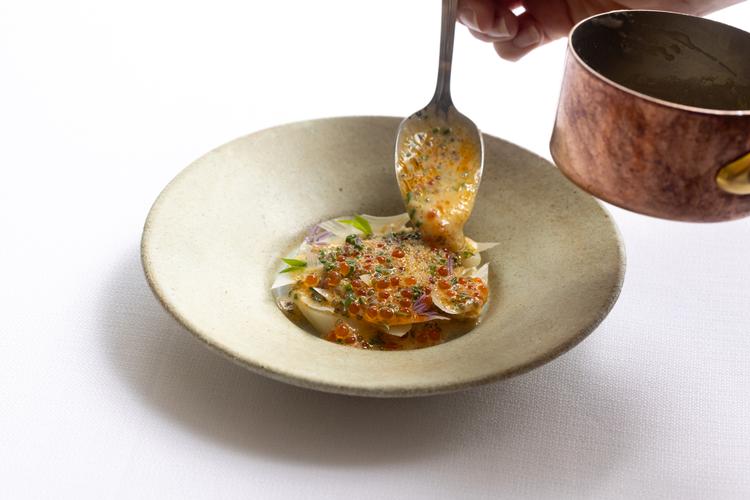
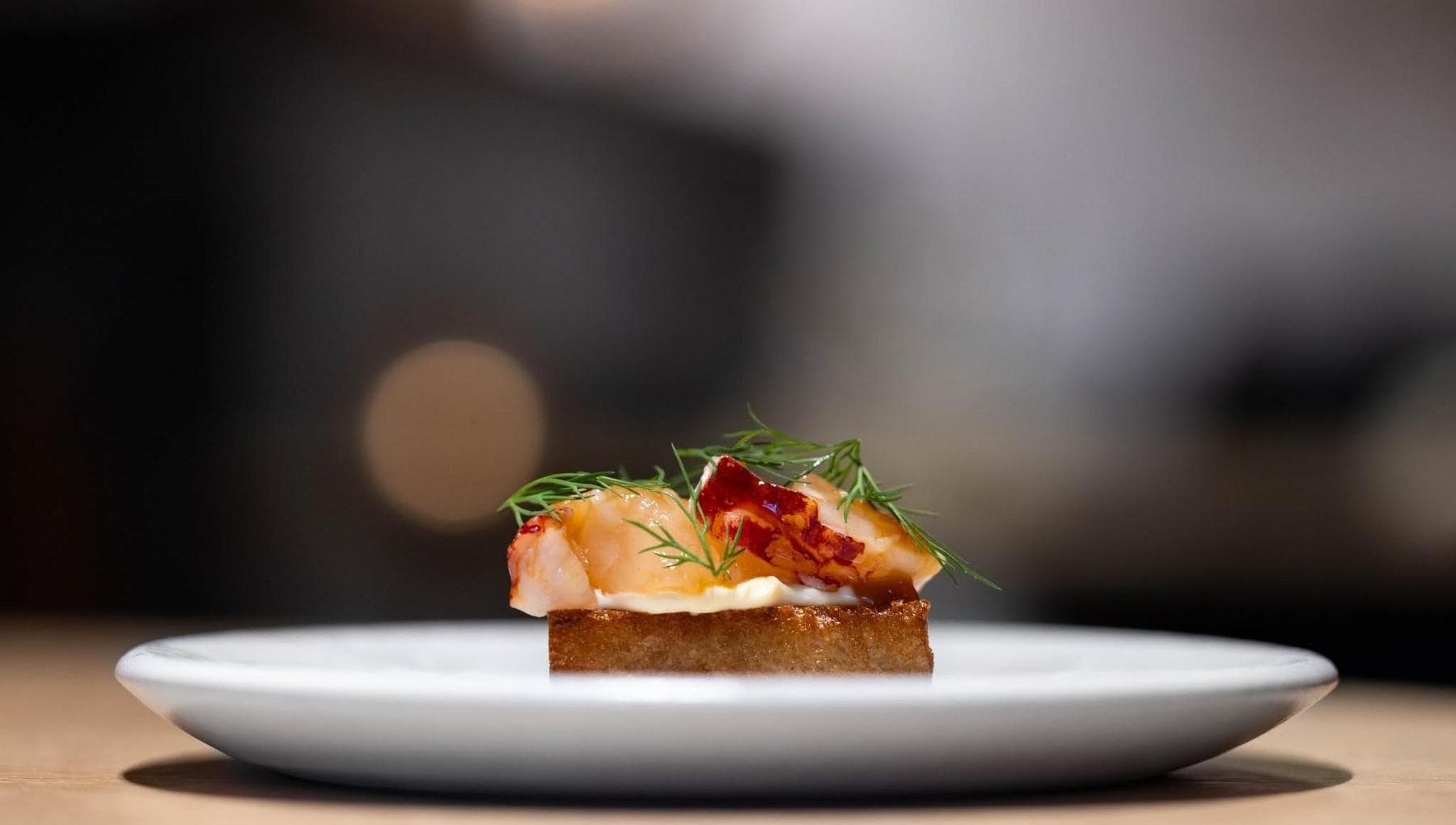
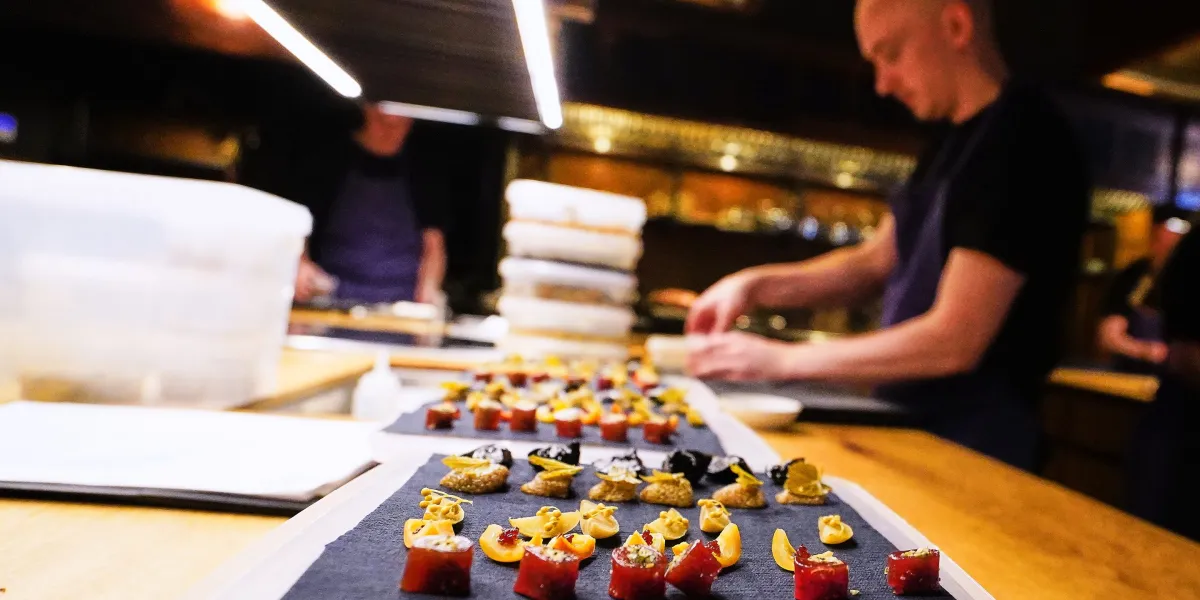
Guests at this restaurant can experience 50 “impressions,” most of them edible. Dining there means trying various foods — a large eyeball dish featuring caviar and codfish eye gel, nettle butterflies served atop cheese and artichoke leaves — over many hours, in a slow process that invites reflection on the food and surrounding projections.
“We convey messages through our food, our food is our medium of expressing ourselves,” said Munk, whose dishes also explore issues such as state surveillance and animal welfare.