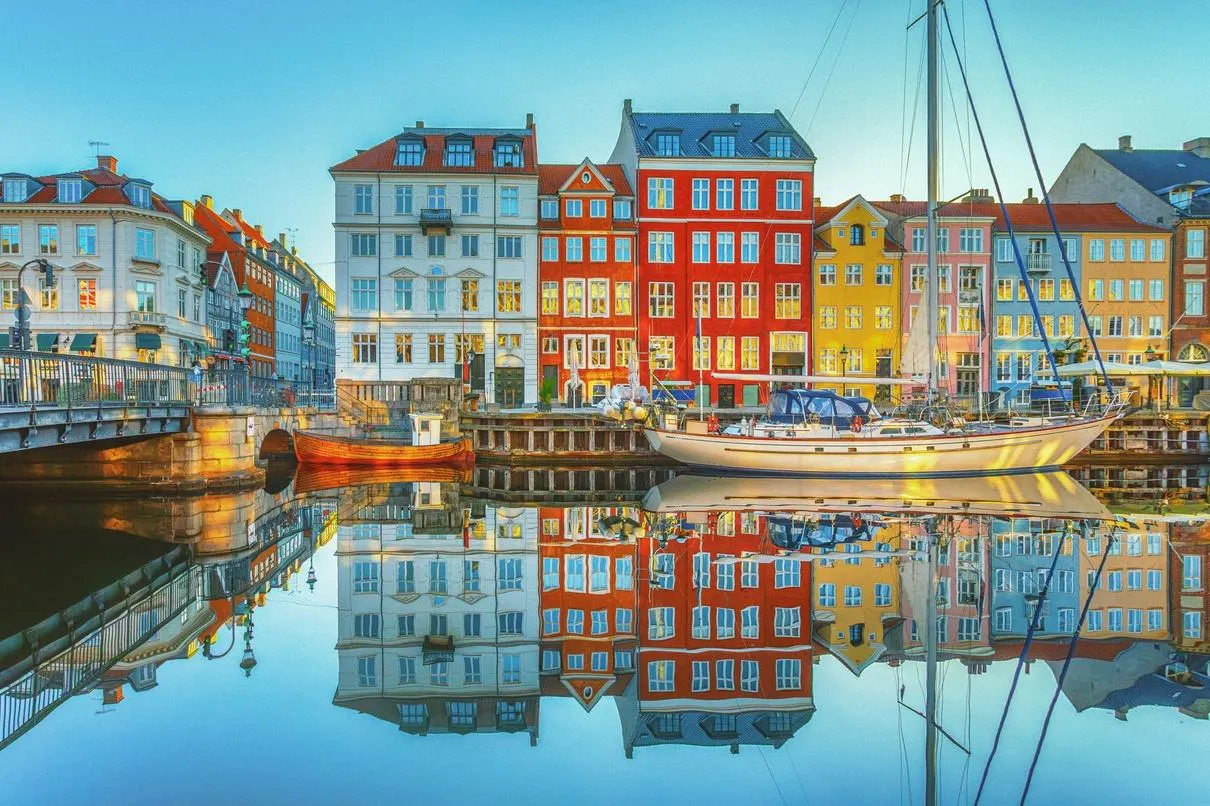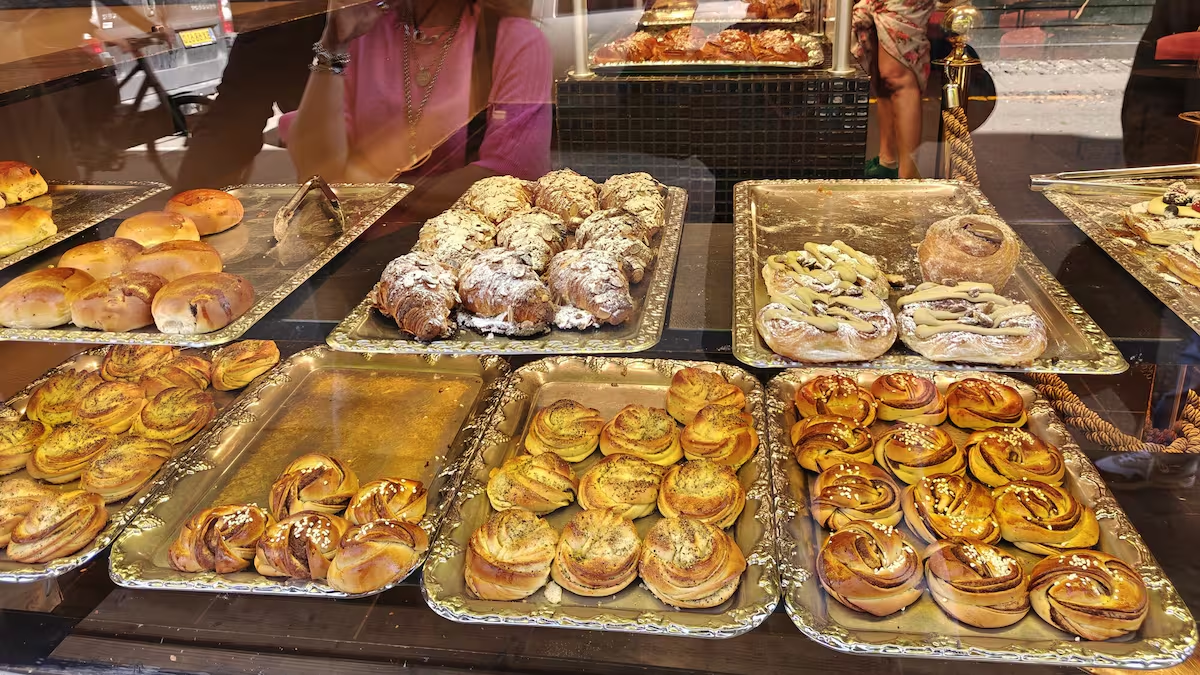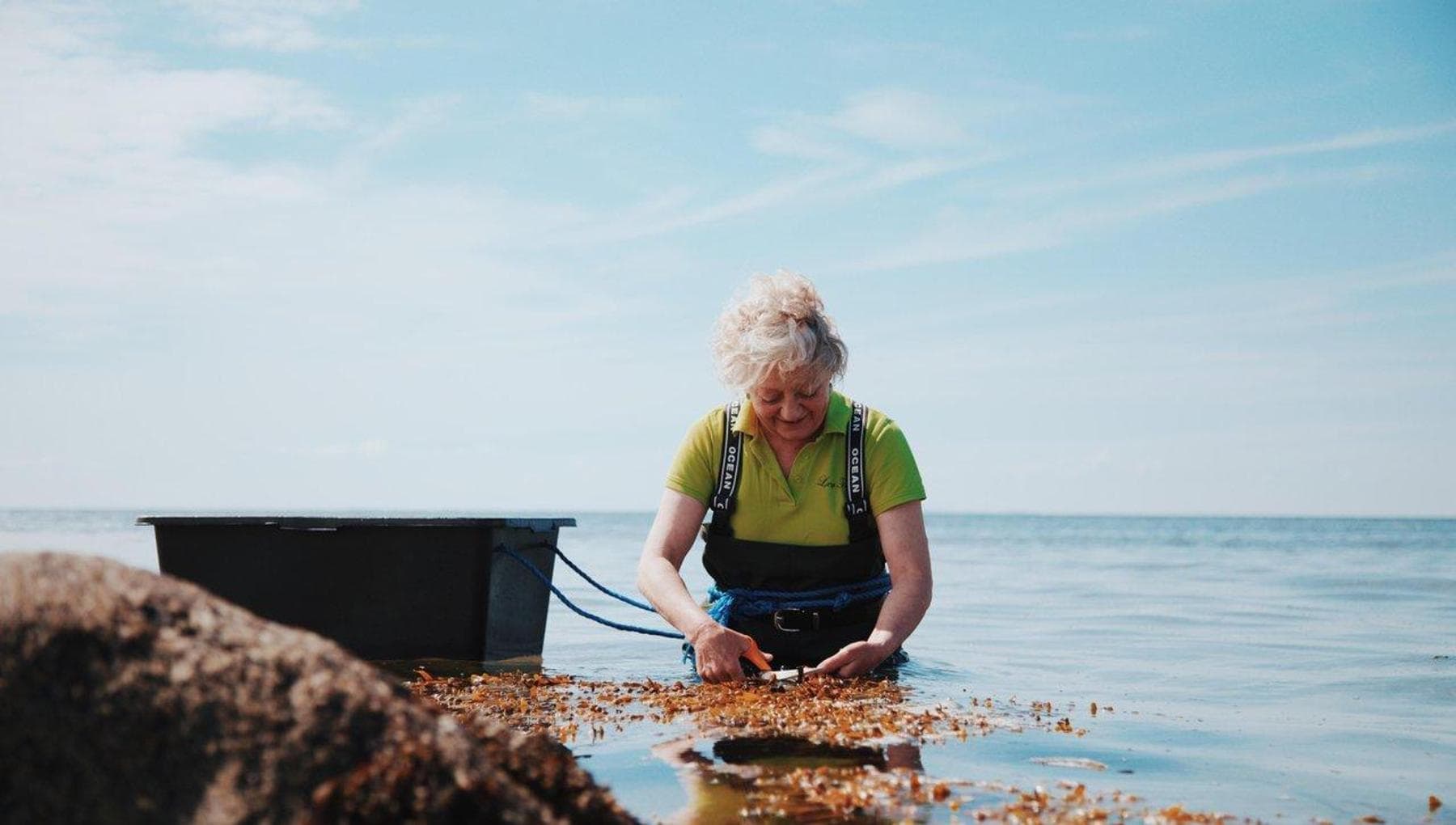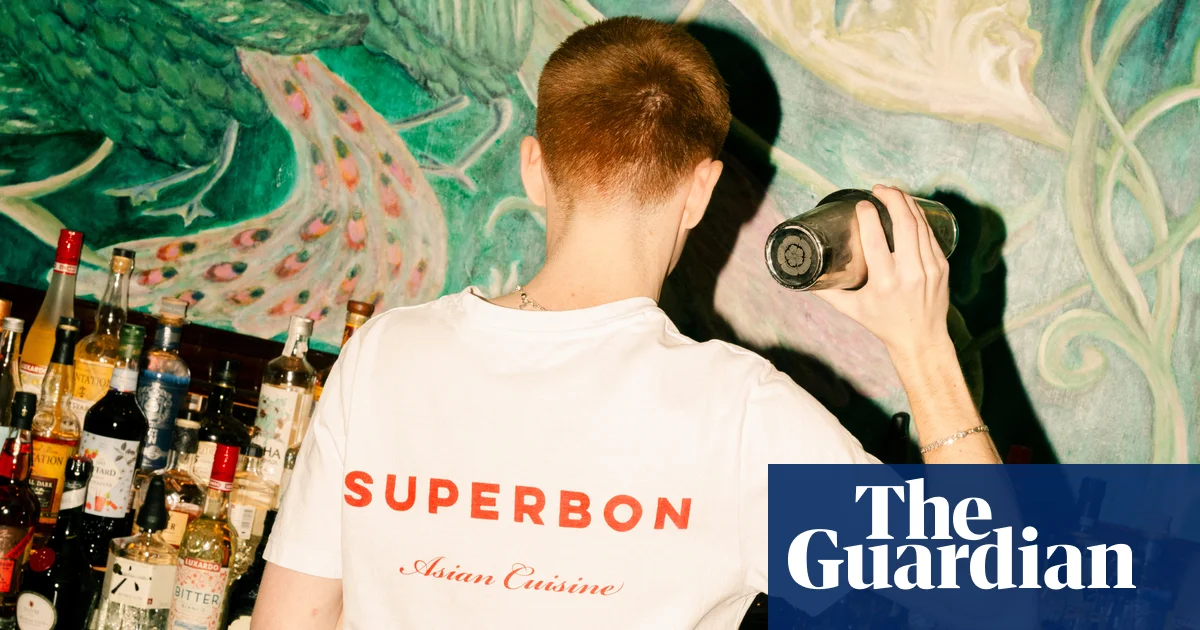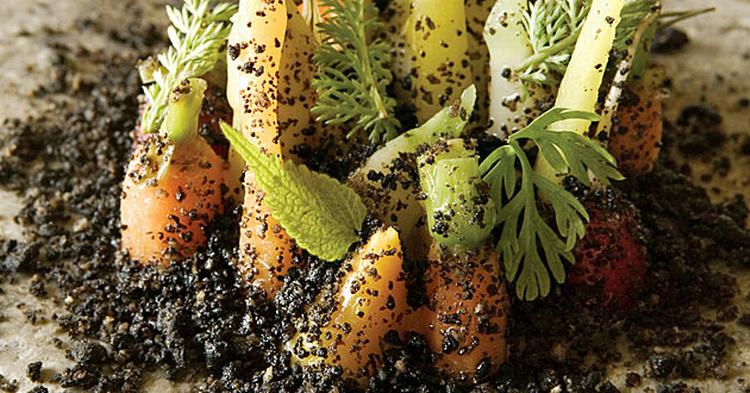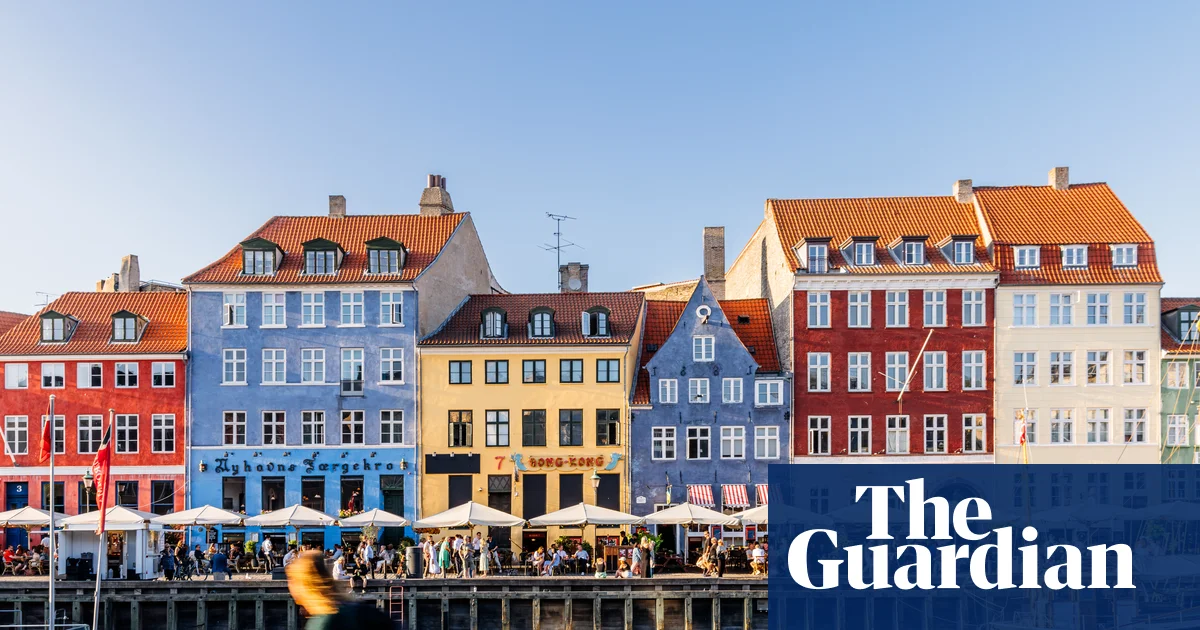
I didn’t realise I was a fussy eater until I left Denmark. During 12 years of living Danishly, with regular trips to the capital, I just … liked most things. Danes specialise in high-quality, organic produce, eaten as close to its natural state as possible. Denmark has very specific, diverse climatic conditions, making seasonal eating a science. Forget root vegetables in autumn and strawberries in summer – we’re talking micro seasons, week to week, with cabbage, kale, apples, potatoes, berries and rye a speciality. None are around for long, but when they are, they’re fabulous – and the seasonal Nordic diet has been proven to be as healthy as the renowned Mediterranean diet and better for the planet. No wonder Copenhageners look so smug.But the city’s food scene hasn’t always been so good. Many who grew up in the 1970s and 1980s report being reared on canned food and frozen vegetables, with pork and potatoes, smørrebrød (open sandwiches) or junk food making up much of the offerings. (You’re never far from a pølservogn, or “hot dog wagon”, in Copenhagen – doling out bright red wieners baked in their own bready prophylactic.)New wave … Kødbyens Fiskebar sits in the heart of the Meatpacking District. Photograph: Kødbyens FiskebarThe capital’s culinary offerings finally got a facelift when Copenhagen was made European capital of culture in 1996. Then came Noma. Chefs René Redzepi and Claus Meyer turned a former warehouse in Christianshavn into a restaurant in 2003, named after a combination of the Danish words nordisk (Nordic) and mad (food). Noma eschewed the Mediterranean bias in fine dining at the time in favour of homegrown Danish produce. The following year, they brought together fellow chefs to develop a set of principles to help Nordic food move forward. Just as Dogme ’95 took things back to basics in film, the New Nordic Kitchen Symposium vowed to focus on the raw materials of cooking – using local, often foraged, seasonal produce.After an 18-hour-long workshop, chefs formulated the New Nordic Kitchen manifesto. It’s outline: to express “purity, freshness, simplicity and ethics” by prioritising “ingredients and produce whose characteristics are particularly excellent in our climates”, and helping to “promote Nordic products and producers”. And it worked – encouraging everyone to up their game and influencing chefs globally. Copenhagen began hoarding Michelin stars (30 at last count), but in the kitchen, pressure built. Redzepi acknowledged as far back as 2015 that he had been a bully who “yelled and pushed people”, then in March this year he resigned from Noma amid allegations of physical and verbal abuse.Noma alumni … Propaganda is run by former Noma chef Youra Kim. Photograph: Giulia Fontana/Propaganda, CopenhagenWhat made Redzepi’s fall so spectacular was that it collided with Noma’s image as a progressive, sustainably driven, Danish restaurant. There’s no doubt that Noma helped normalise ideas of seasonality, foraging and ingredient-led storytelling in fine dining (sometimes it was more of a Ted Talk than a meal), but innovation can’t come at the cost of accountability. There’s hope that Redzepi will act as a cautionary tale for other chefs contemplating how to run their kitchens – with Noma alumni now heading up dozens of restaurants in the city, from Propaganda (run by Youra Kim, former chef), to Kødbyens Fiskebare (Anders Selmer, former restaurant manager) and the ubiquitous Bæst (Christian Puglisi, former sous chef).Today, there’s still an emphasis on quality and attention to detail - from ingredients to cutlery, crockery and even candlesticks. Service culture has improved (you might get a smile now) and restaurants book weeks in advance, so it pays to plan ahead. Eating out in Copenhagen isn’t cheap, mind, but every bakery allowed to thrive in the city will have affordable options. And there’s nothing like biting into some dense, buttered rye topped with whatever’s in season as the sun bounces off the water that slices the city (hard recommend: Aamanns). .Copenhagen is more relaxed than other capitals and more human in scale, dominated by four- to six-storey buildings, and biking Vikings outnumbering cars in the city. With hyper-local menus, climate-conscious cooking and a devotion to detail, it is still, in the words of Danny Kaye, “wonderful”.
Where Copenhagen leads, the food world still follows
Two decades after chefs rewrote the rules at Noma, Copenhagen’s food scene still flies the flag for seasonality and innovation – progressive, sustainable and uniquely Danish
1,220 words~6 min read