Nolo beer is becoming easier, cheaper and tastier, so tip one back in Dry January without a care
A
s the last of the liqueur bottles are consigned to the recycling and the festive hangovers subside, even those of us who scorn the very concept of Dry January (no booze at all? In the gloomiest month of the year? Are they mad?) tend to take our feet off the alcohol pedal and give our livers something of a rest.
Water, of course, is the easiest, cheapest and probably most effective way to detox; it’s also the most boring. We can zap our inner organs with herbal infusions, turmeric/kale/spirulina shots and smoothies, or with the fermented goodness of kombuchas and kefirs, but sometimes the mindful drinking halo of virtue can become too heavy to bear and we want something that feels like a “real” drink. You know, the one at the end of the day when you deserve something cheering, or when you meet your mates in some scuzzy pub or swanky wine bar, and you want a drink for relaxation and pleasure, but still steer clear of the hooch.
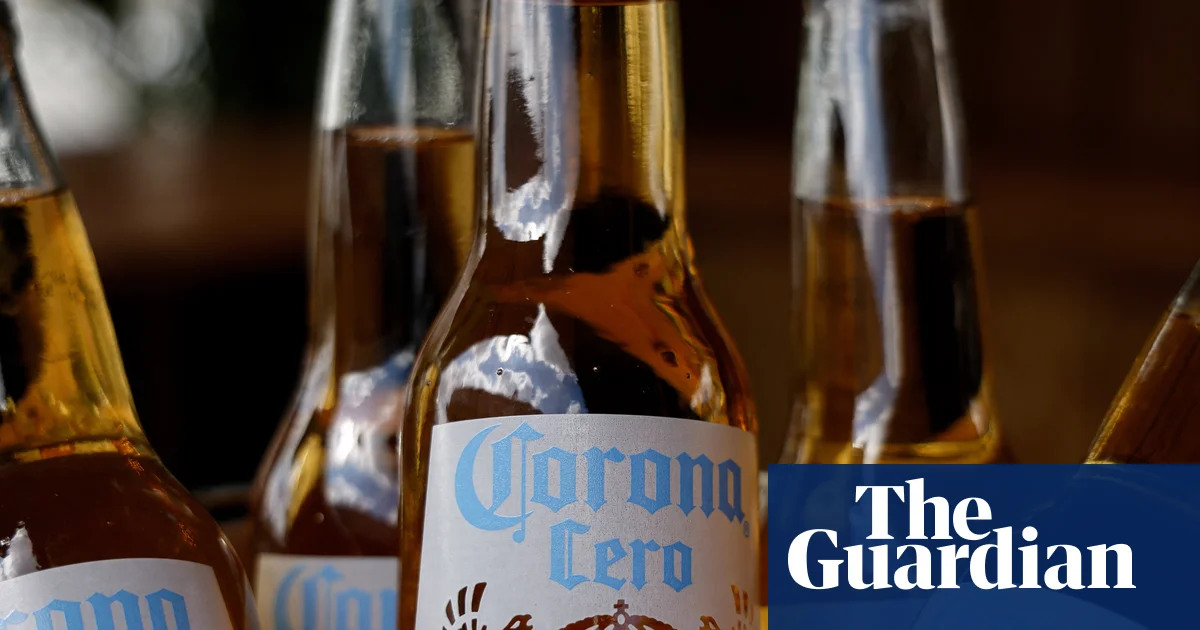
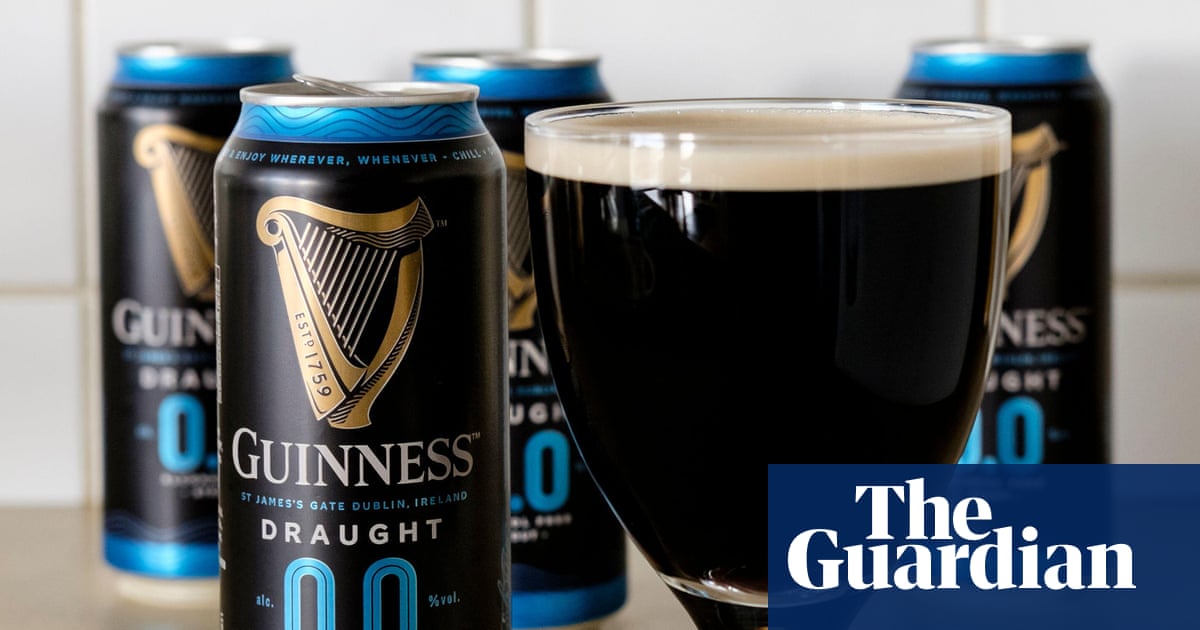
Booze-free beer is your friend here, and the choice has never been greater. Fortunately, we have come a long way since the days of Barbican, the UK’s first non-alcoholic beer launched by Bass in 1979, and a sad, bitter apology for a lager. Most nolo beer (meaning it has at most a 0.5% ABV) is brewed to normal strength, and the ethanol is then removed, either by vacuum distillation or reverse osmosis. This dealcoholisation can be brutal, though, because it also strips out alcohol-soluble flavour and aroma compounds, as well as ethanol’s mouth-filling texture.