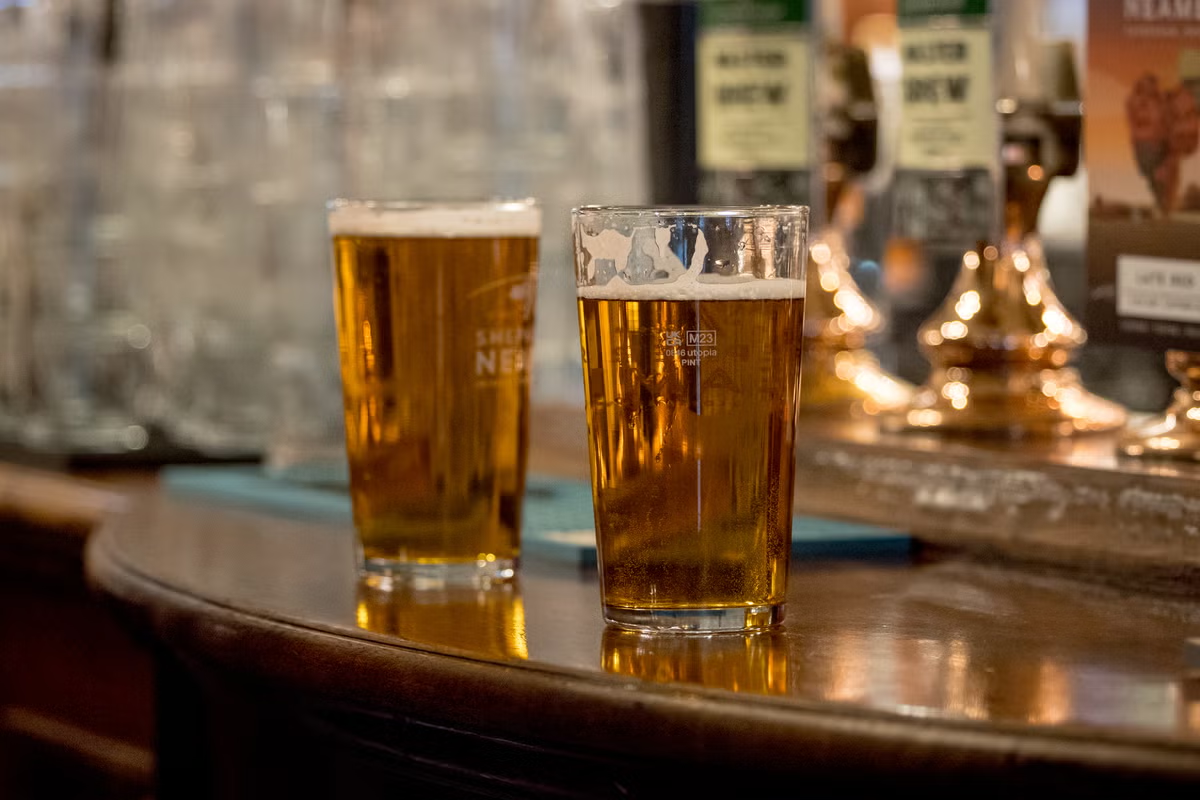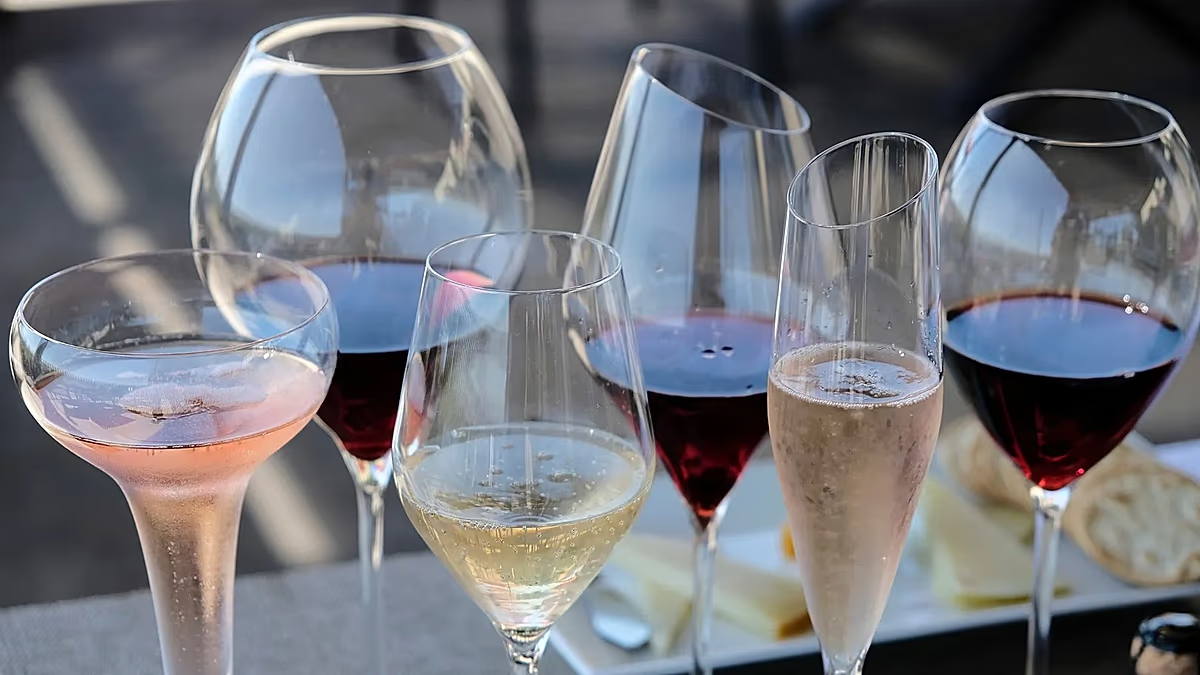
A court in Luxembourg recently ruled that a drink cannot be labeled “gin” unless it contains at least 37.5% alcohol. This might seem like legal hair-splitting, but the decision reveals a fundamental truth about the drinks we love. Spirits like gin are defined by distillation, a process meant to isolate and concentrate ethanol. When you take the alcohol out, you’re often left with little more than flavored water trying to mimic the real thing. The ruling highlights a critical distinction in the beverage aisle: liquor and wine lose their identity without ethanol. Beer does not.
Beer’s character is not defined by its alcohol content, but by its craft. Its identity comes from the interplay of malted barley sweetness, hop bitterness, and yeast esters during fermentation. Even when alcohol is reduced or removed using modern brewing techniques, beer retains its flavor, its body, and its soul.
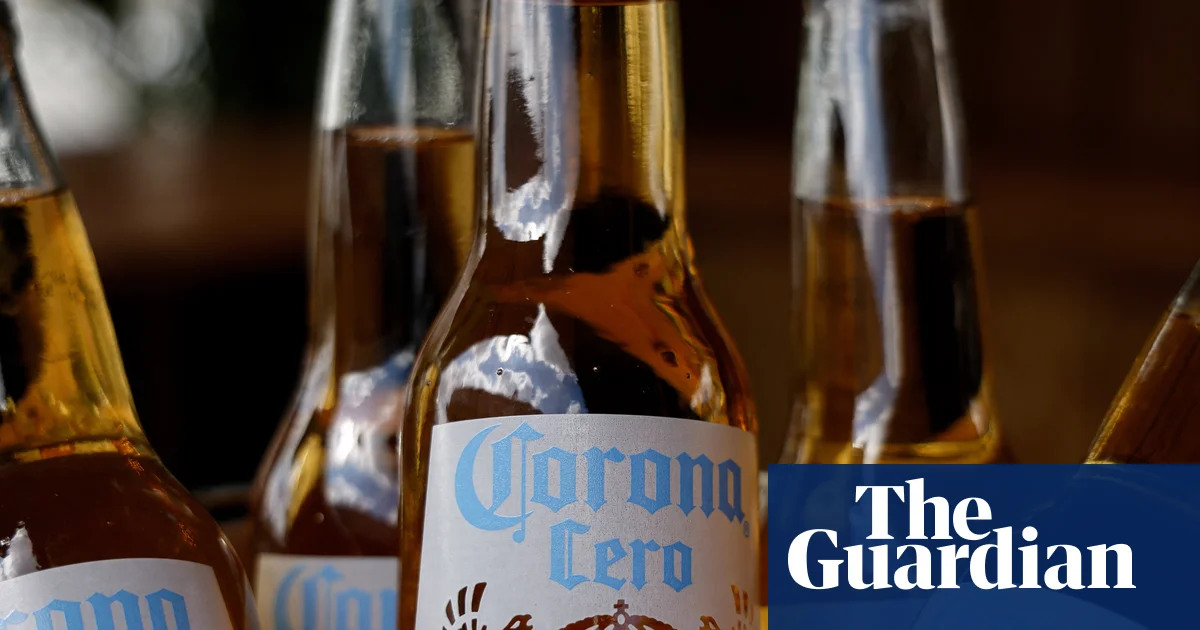
That intrinsic quality is why beer holds strong consumer appeal in the lower- and no-alcohol space. In 2024, no-alcohol beer accounted for 95% of all no-alcohol adult beverages globally, and volumes are projected to reach 10 billion liters by 2030. Consumers are flocking to these options because they provide a genuine beer experience.