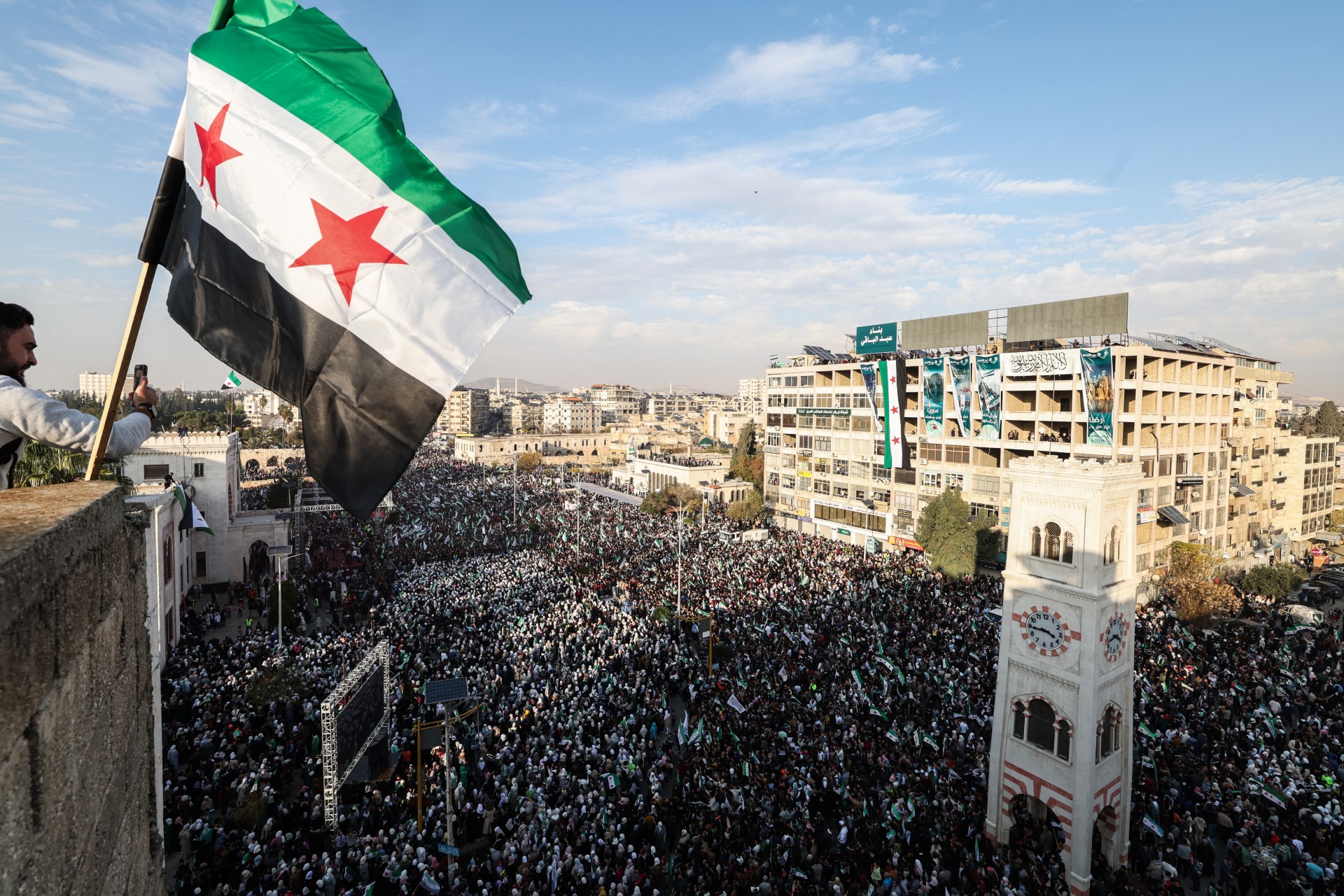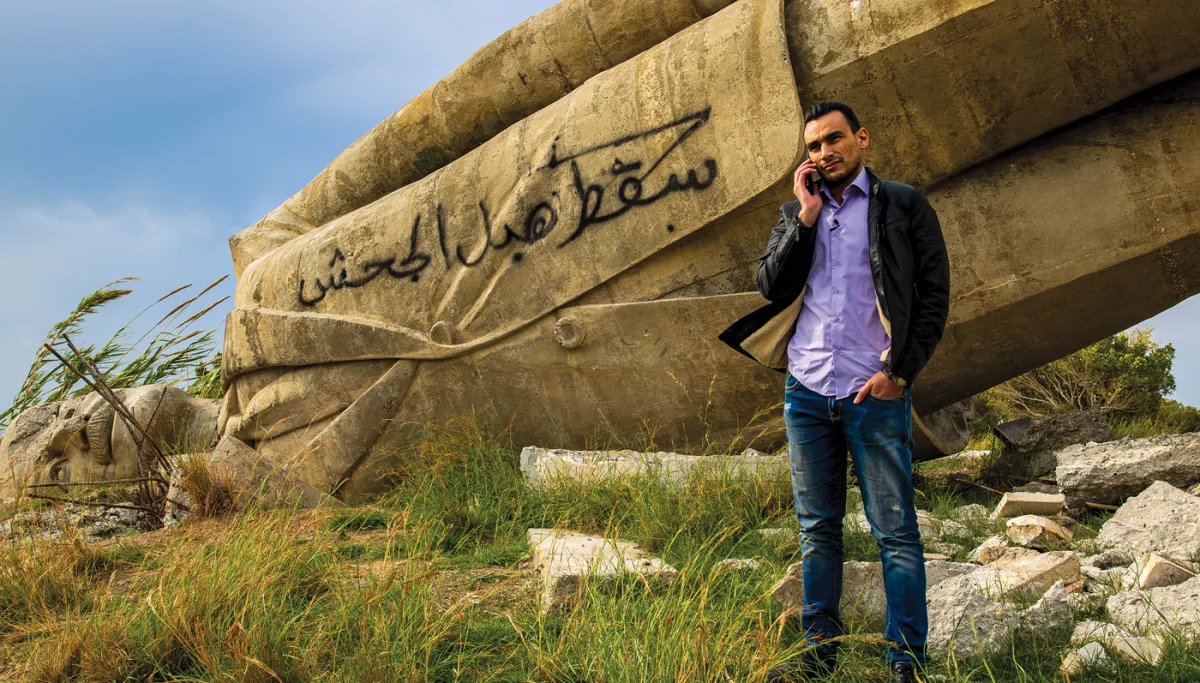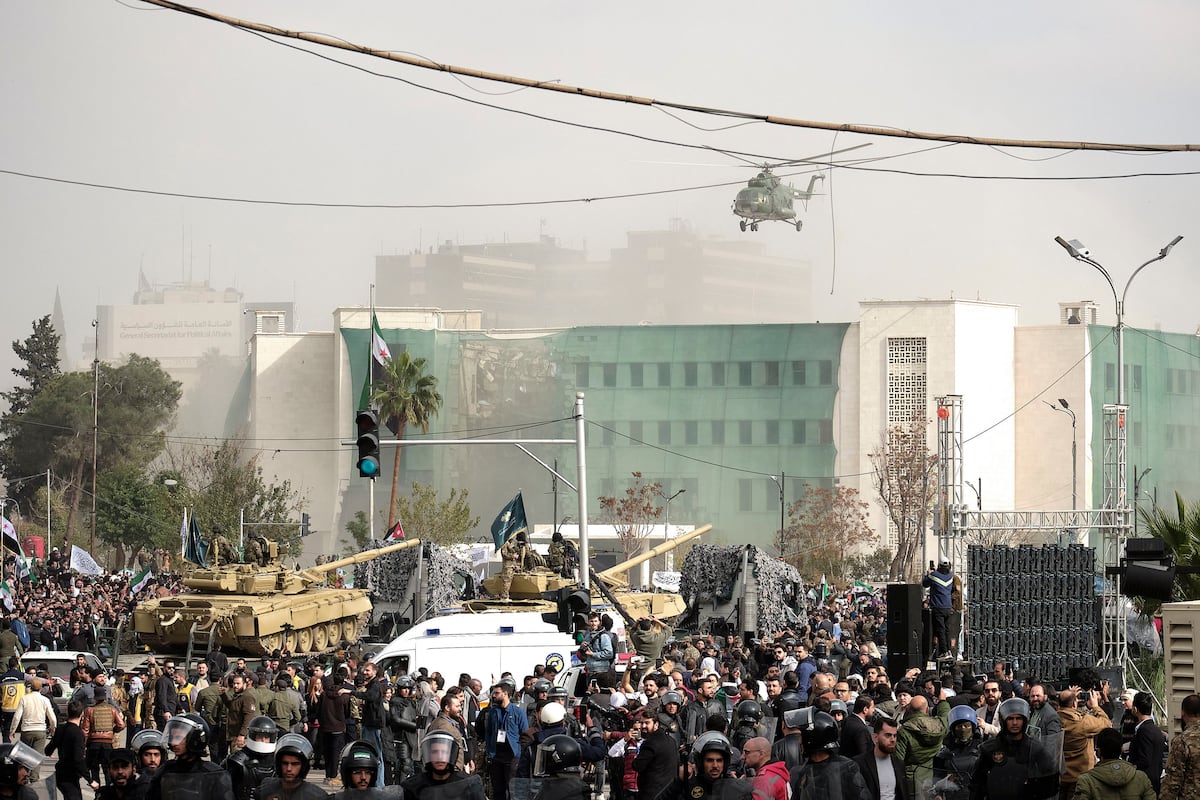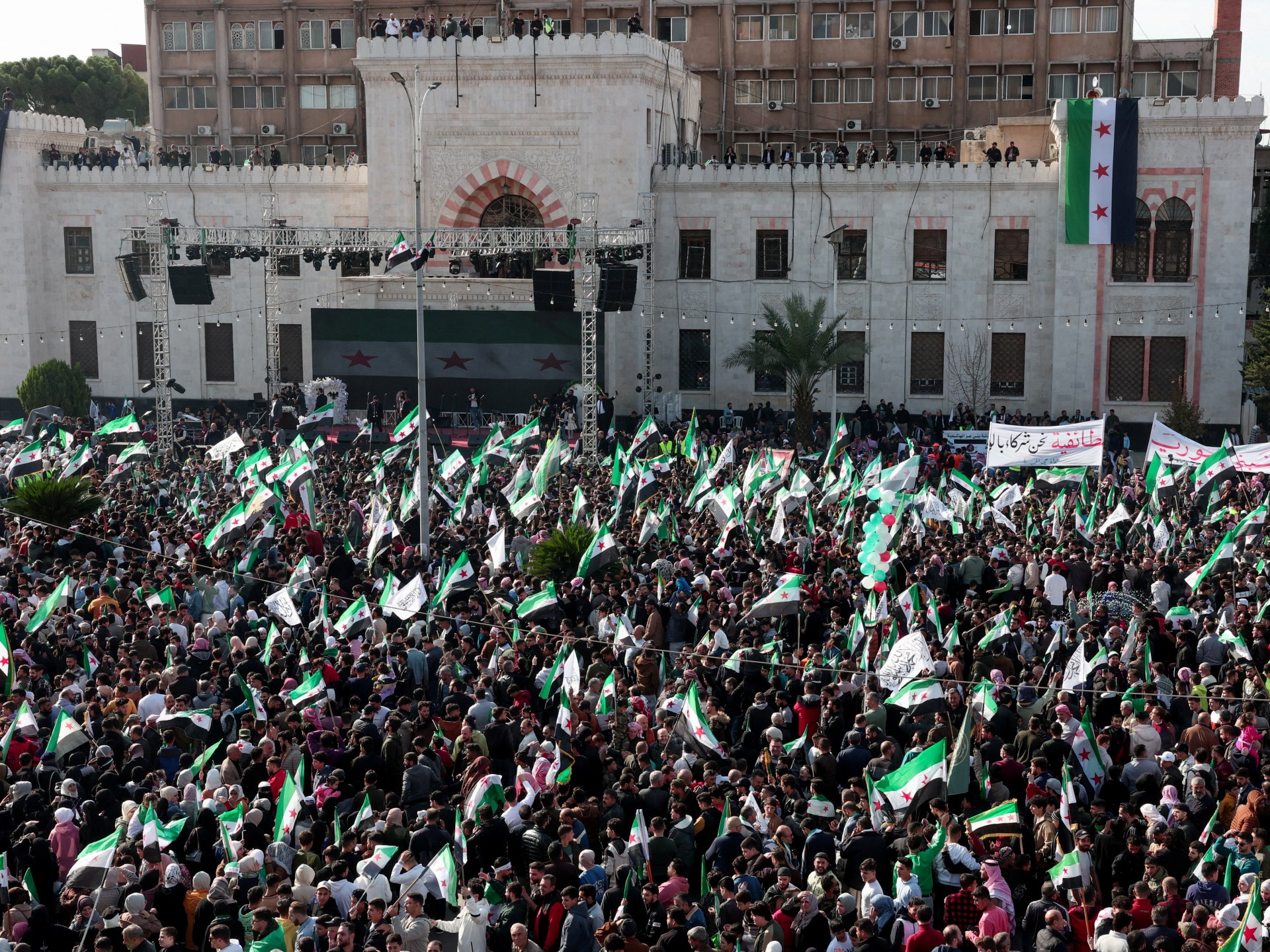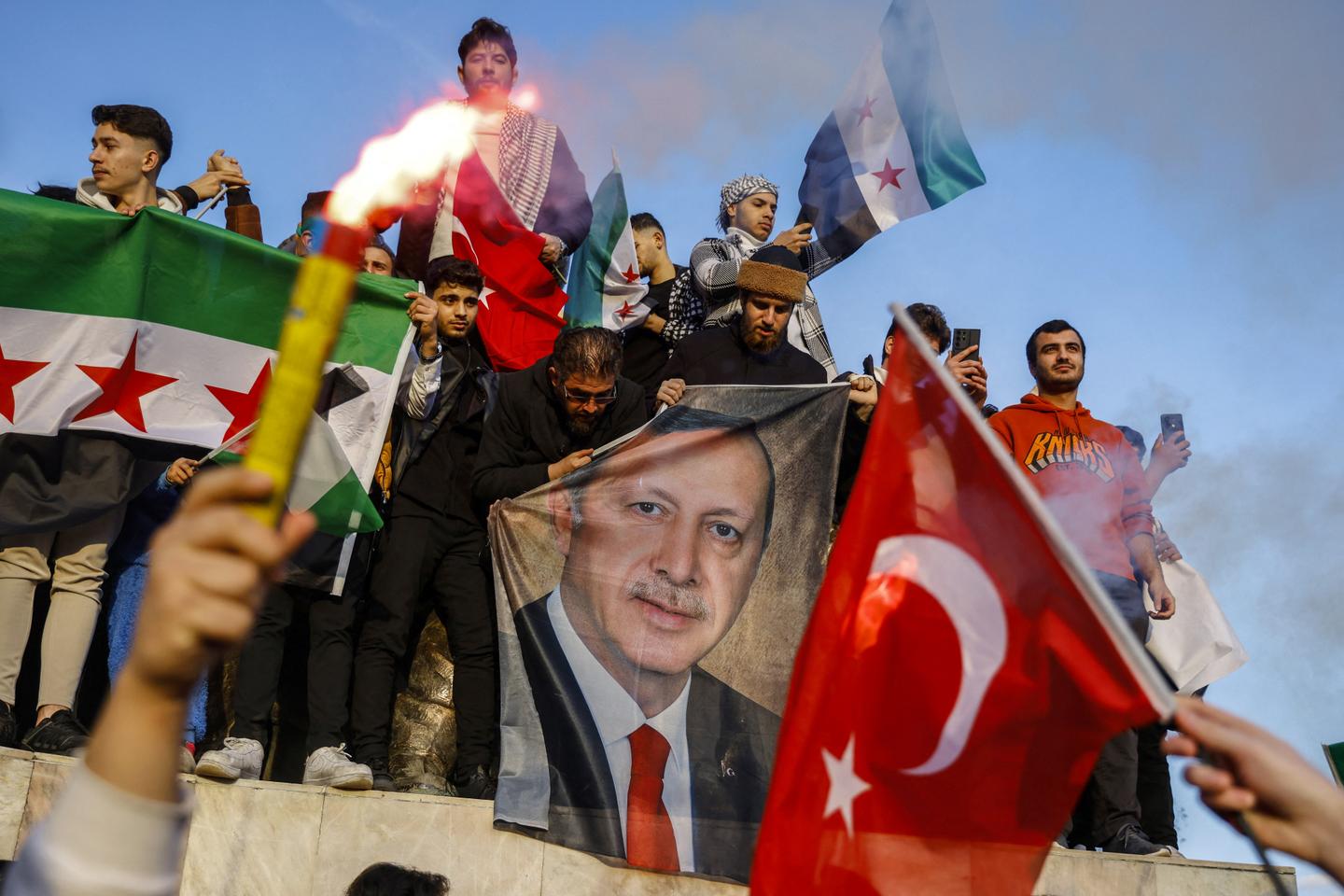
ecember 8 will mark the first anniversary of the fall of Bashar al-Assad in Syria. His inglorious flight to Moscow not only brought an end to one of the Middle East's most repressive dictatorships, in a region long fertile ground for authoritarianism. But it also marked a still uncertain close to a cycle of uprisings and crackdowns that began in Tunisia 15 years ago, after the self-immolation of a young street vendor, Mohamed Bouazizi, whose act of desperation against the arbitrary rule of Zine El-Abidine Ben Ali's regime in December 2010 sent shockwaves across the Arab world.
The Arab Spring, the first example of an immediate, horizontal mobilization made possible by social media – synonymous with newfound freedom in the face of sclerotic, exhausted North African and Middle Eastern political systems – swept through the region in 2011. It toppled, in quick succession, the strongmen of Tunisia, Egypt and Libya, leaving behind little more than their tombstones. Zine El-Abidine Ben Ali went into ignominious exile; Hosni Mubarak suffered the indignity of prison; Muammar Gaddafi met a sordid end at the hands of a mob.
Propelled to the helm of Syria a decade earlier, al-Assad might have faced a different fate had he been able to break with the regime's legacy of torture and dungeons. That was never truly possible, as the civil war he chose to unleash on his own people rather than share power made clear. After a brief period of hope, a wave of authoritarian reaction followed, swiftly reinforced by the Gulf monarchies. Alarmed by the electoral gains of the only well-organized political forces in the votes held in Tunisia, Egypt and Libya, these regimes moved swiftly to restore the old order.