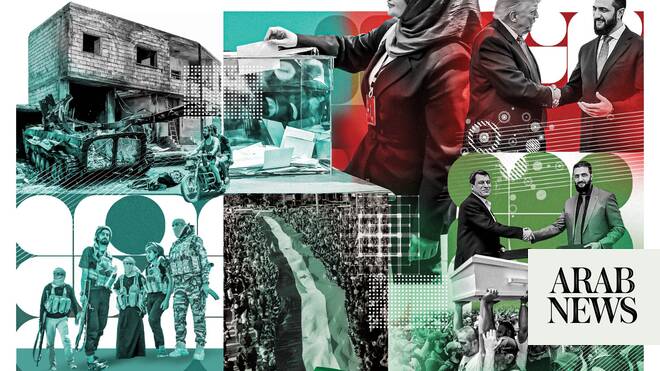
LONDON: One year after the fall of Bashar Assad, Syrians are holding fast to hope as 2025 emerges as the country’s most diplomatically successful year in about five decades, marked by renewed international engagement and regional reintegration, even as the legacy of repression and war remains deeply etched into daily life.
The scale of that change is best understood against the longevity of the rule that preceded it. Modern Syria was shaped by more than five decades of Assad family dominance, beginning when Hafez Assad, then defense minister, seized power in a military coup on Nov. 16, 1970.
He formally became president in March 1971, inaugurating an era of centralized authority and political repression that would persist through his son’s presidency.
Over the following decades, Syria drifted deeper into rigid Cold War alignments, recurrent confrontations with its neighbors and, eventually, entrenched international isolation. That trajectory hardened under both Hafez and Bashar Assad, leaving little room for political reform and laying the groundwork for the uprising that erupted in 2011.
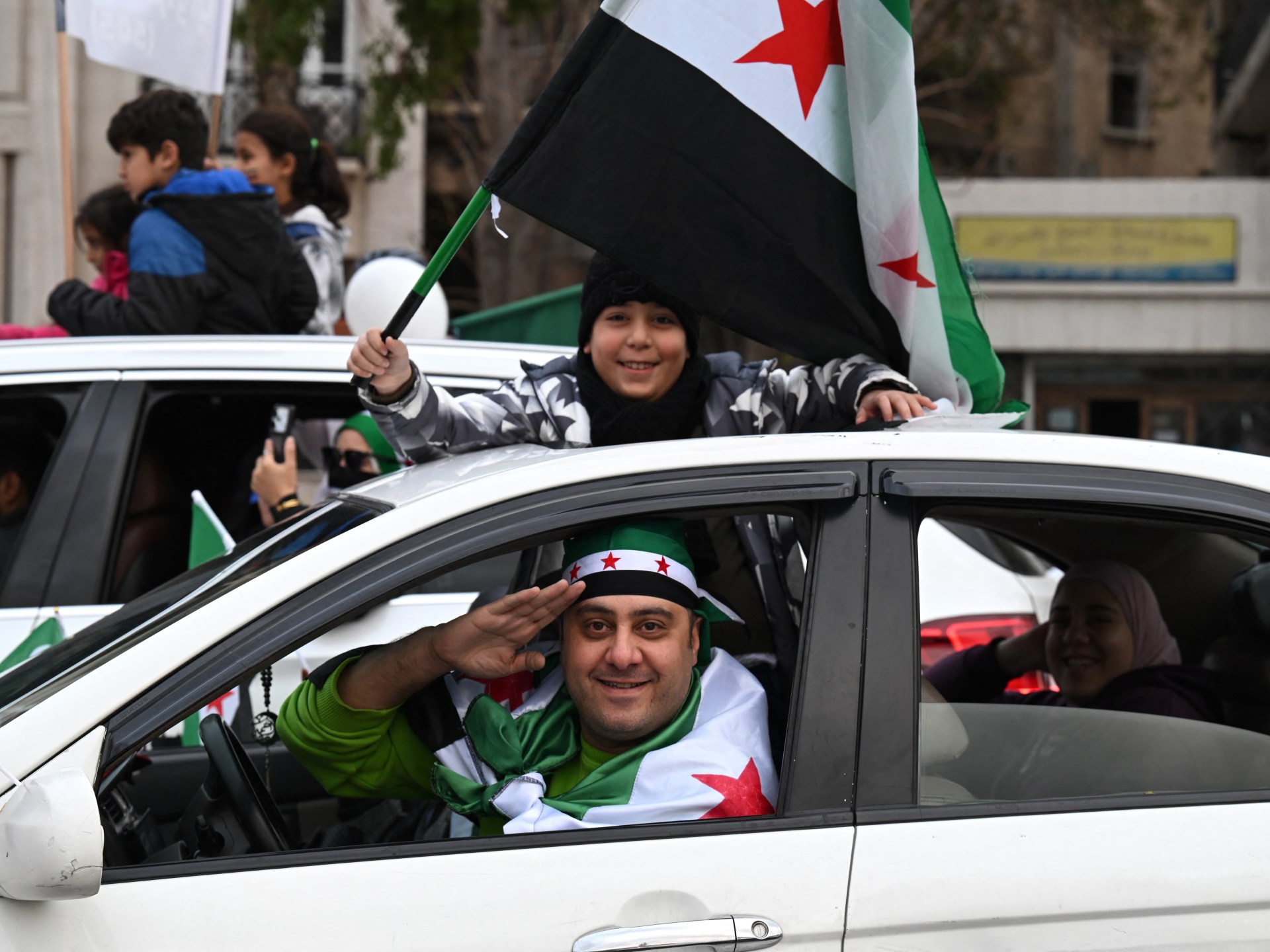
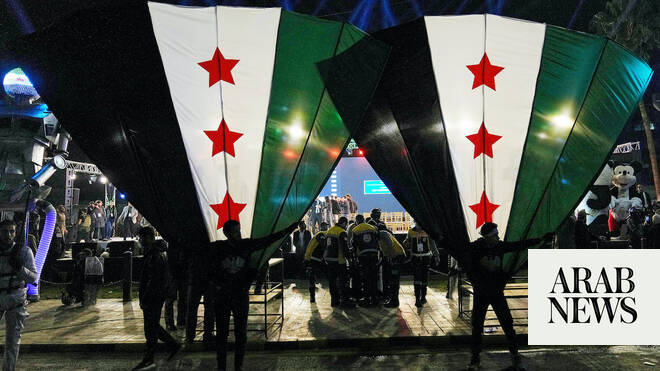
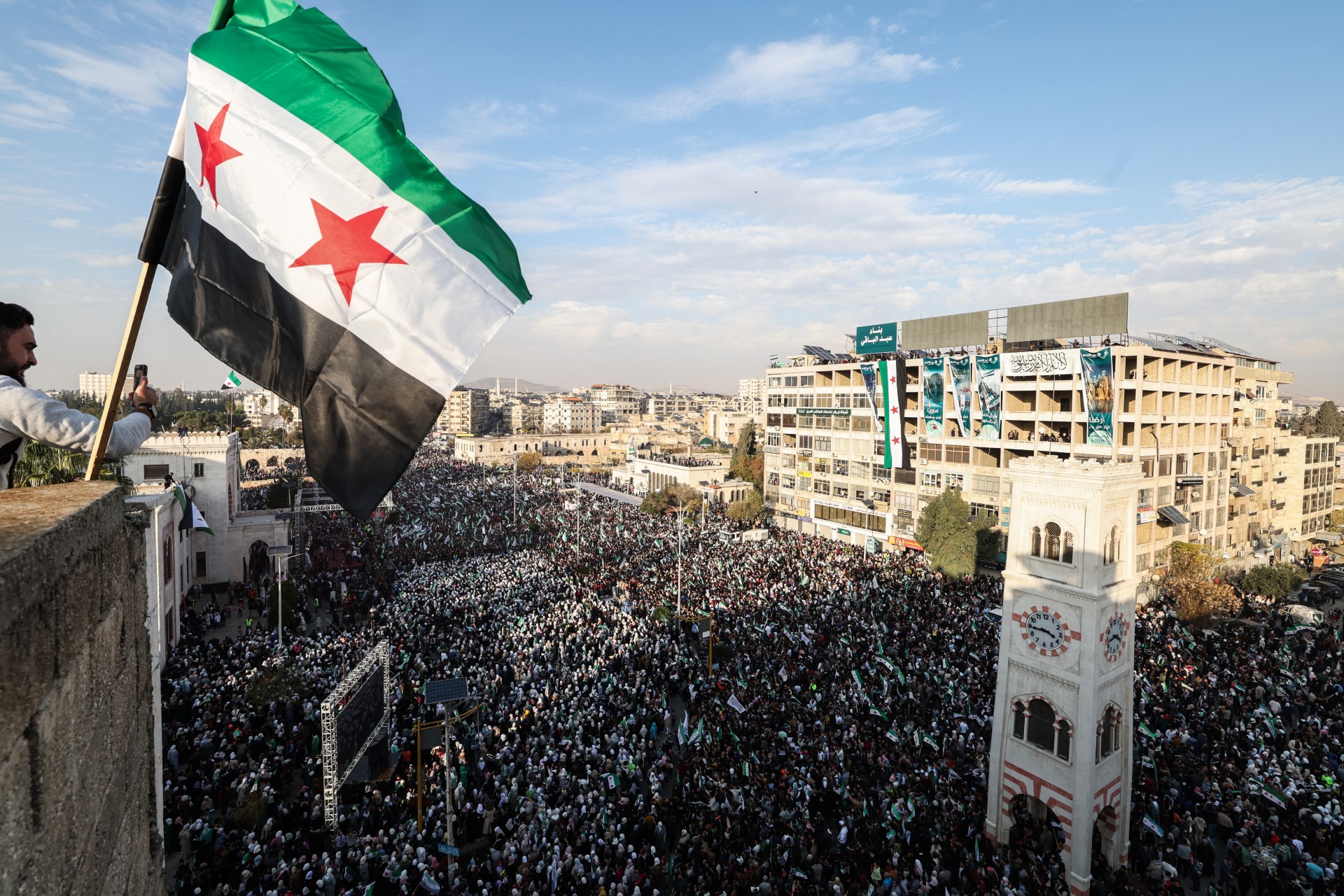
But today, post-Assad optimism was on display earlier this month, when thousands gathered in cities including Damascus, Homs, and Aleppo to mark the anniversary of Assad’s downfall.