https://arab.news/cshdn
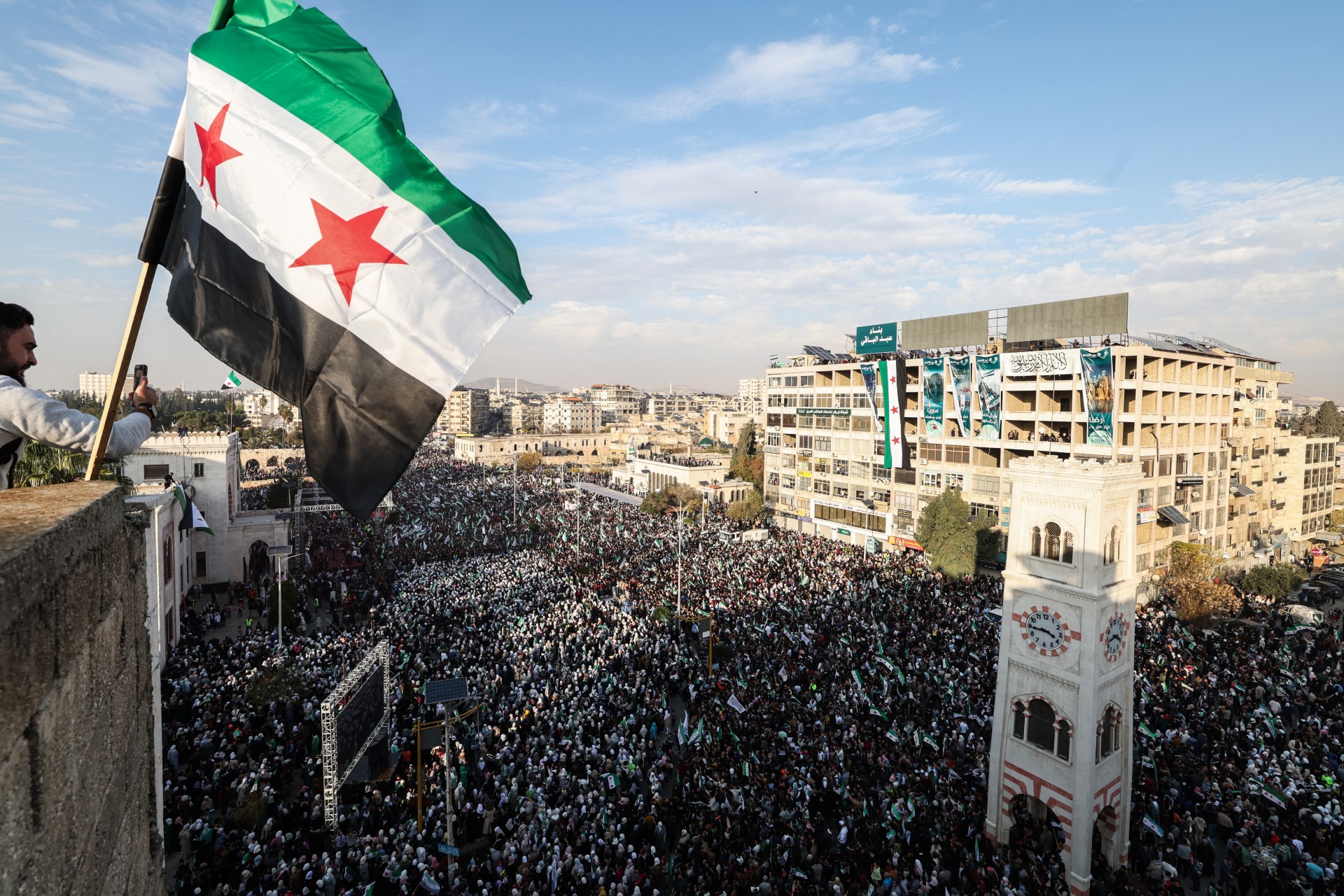
A year has passed since the fall of the Assad regime. The change has been immense and its consequences are still unfolding. With the first anniversary passing on Monday, key questions remain unresolved, the most prominent being: Why did Bashar Assad and his regime become subservient to Iran so early in his rule?
In my view, had he not pursued such a dangerous policy, he might not have ended up exiled in Moscow. This conviction only grows stronger when reviewing his governance over more than two decades, not merely from the outbreak of protests in 2011.
More than eight years before the uprising against him, Assad’s regime had already been working closely with Iran at political and military levels across the region. In coordination with Tehran, Syria became a hub for covert operations against the Americans after the invasion of Iraq, at a time when Iran was skillfully playing a double game. Tehran used Assad as a base for “resistance,” while simultaneously cooperating with Washington to dismantle what remained of Saddam Hussein’s regime.
In an interview I conducted with Assad before those operations began, he vowed to “turn Iraq into another Vietnam.” He was convinced the Americans intended to topple him next after overthrowing Saddam. In reality, Washington showed no interest in Damascus and did not target his rule, viewing Syria instead as a security buffer for Israel.