https://arab.news/jaeba
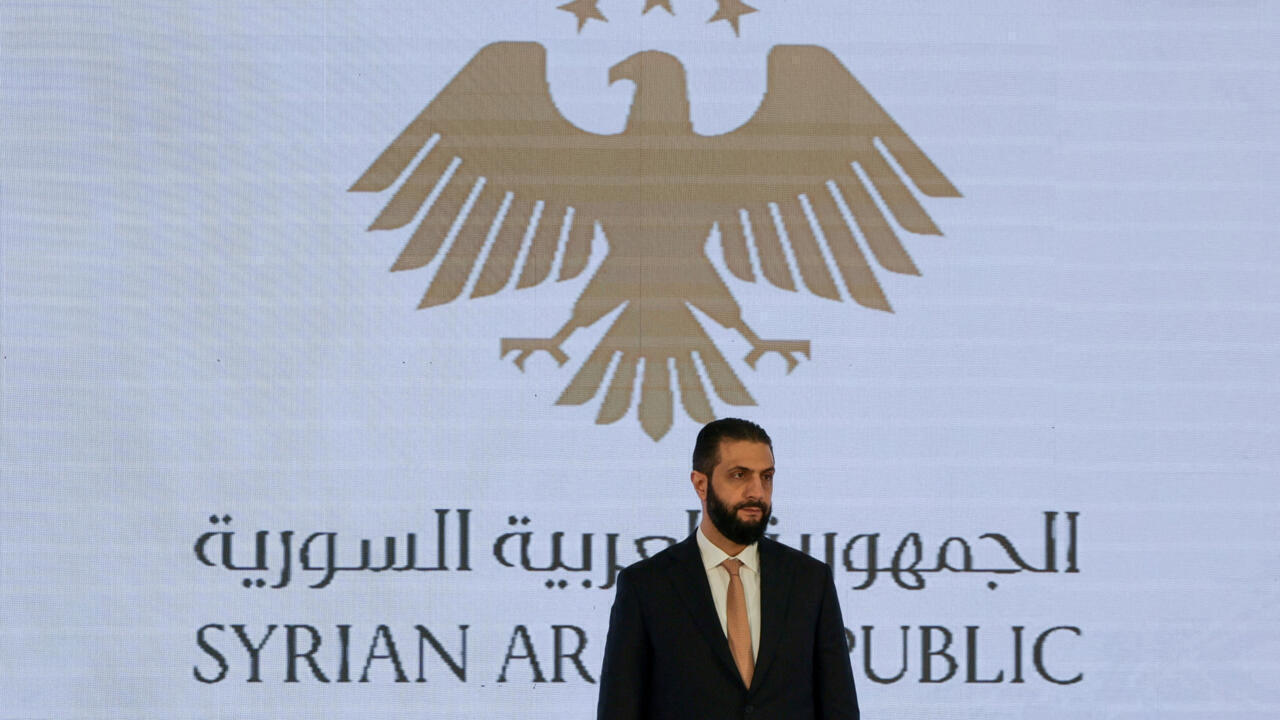
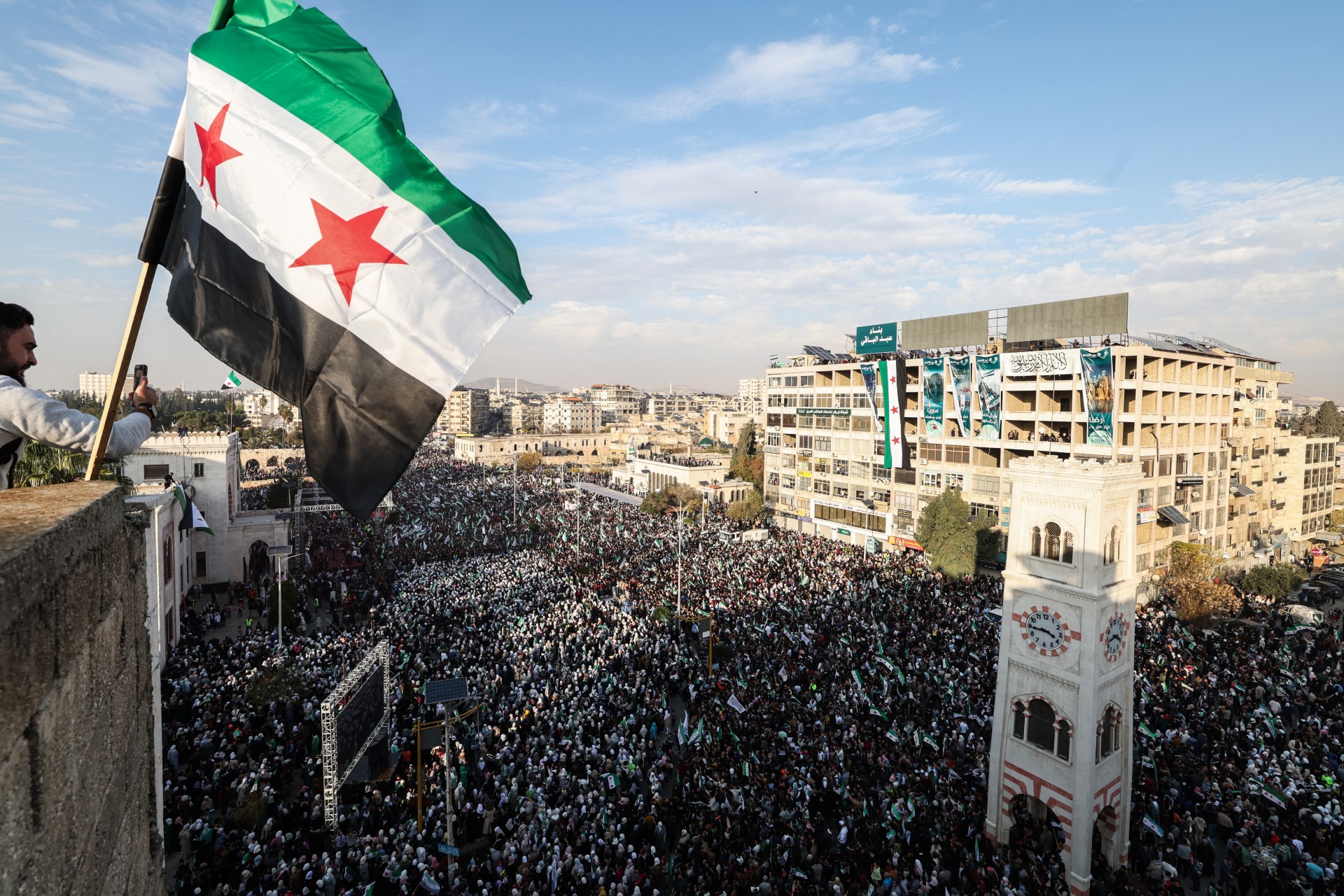
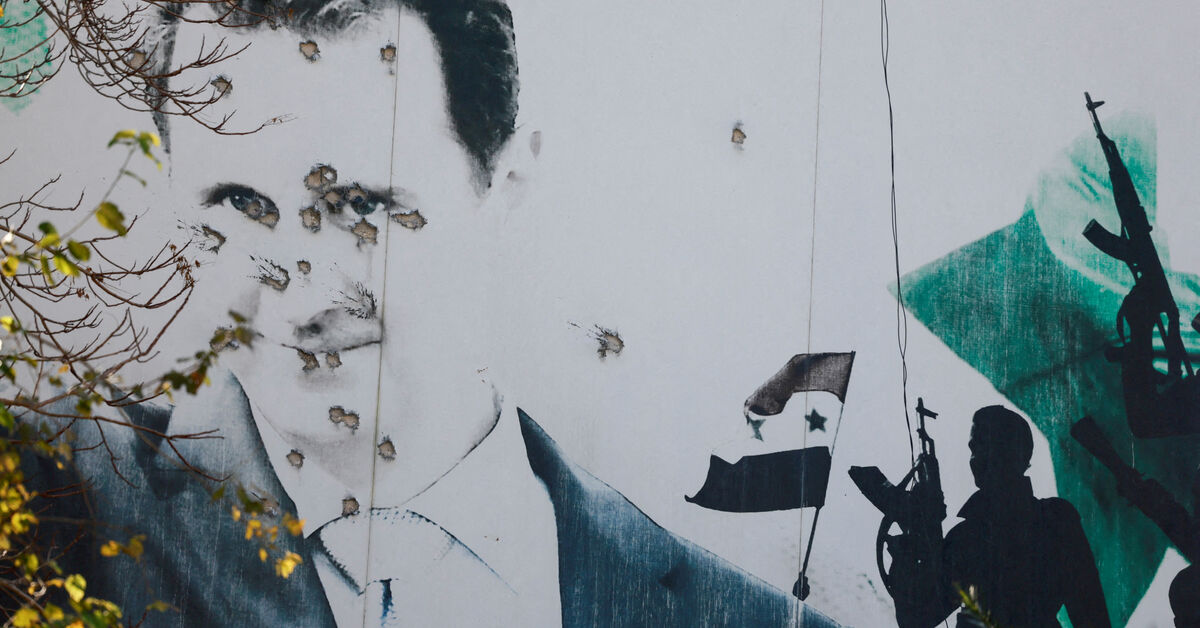
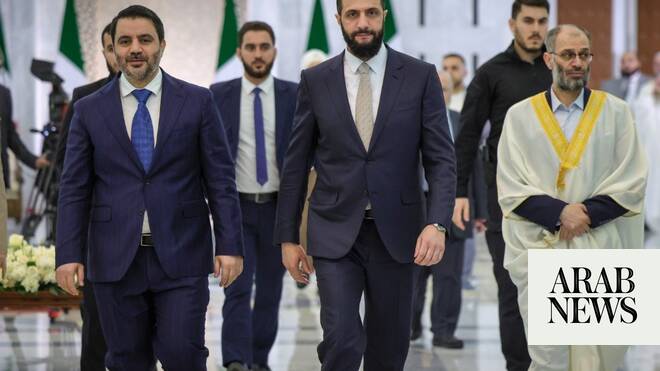
It is true that Bashar Assad left the palace on the evening of Saturday, Dec. 7, and that Ahmad Al-Sharaa entered it the next day without a single shot being fired in the capital. This is a rare occurrence in history. Even so, the road ahead for the new leadership is neither paved nor smooth.
The road to change from Idlib to Damascus was open because most Syrians — as well as regional and global actors — truly wanted change.
But the actual uprooting of the Assad regime was a long and bloody process — perhaps one of the most complex transitions in the region. From this standpoint, we must interpret the current events within this context, rather than as a mere “moment of victory.”
Optimism, enthusiasm and widespread support did not prevent political unrest: confrontations on the coast with Alawites, the bombing of a Christian church in Damascus and disputes with the Druze of Sweida and with the Syrian Democratic Forces in Raqqa. The crises that have already occurred — and those that may still come — are expected. The domestic consensus to remove Assad means the alternative system will need time to build trust. There is also a troubled regional environment, with actors harmed by the transition who will need time to test the waters, accept the new reality and choose to cooperate.