https://arab.news/r48a3
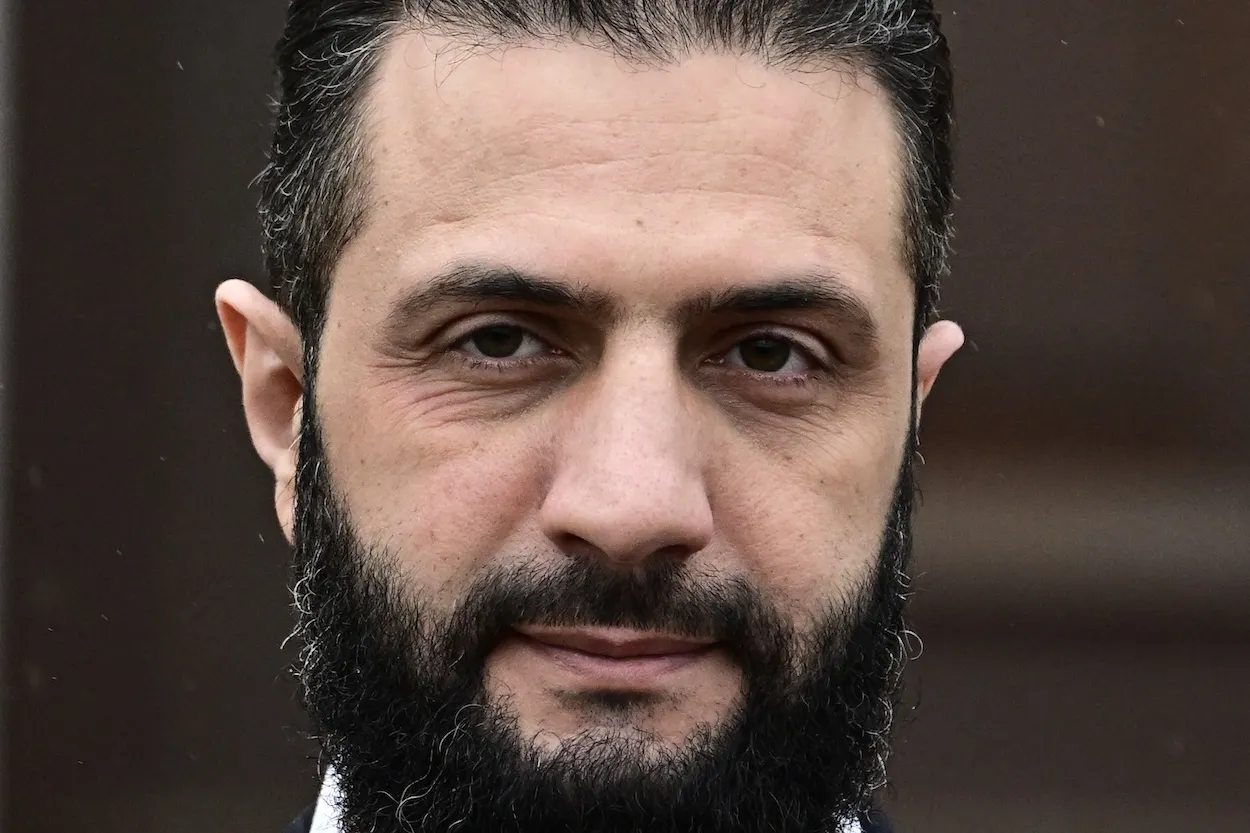
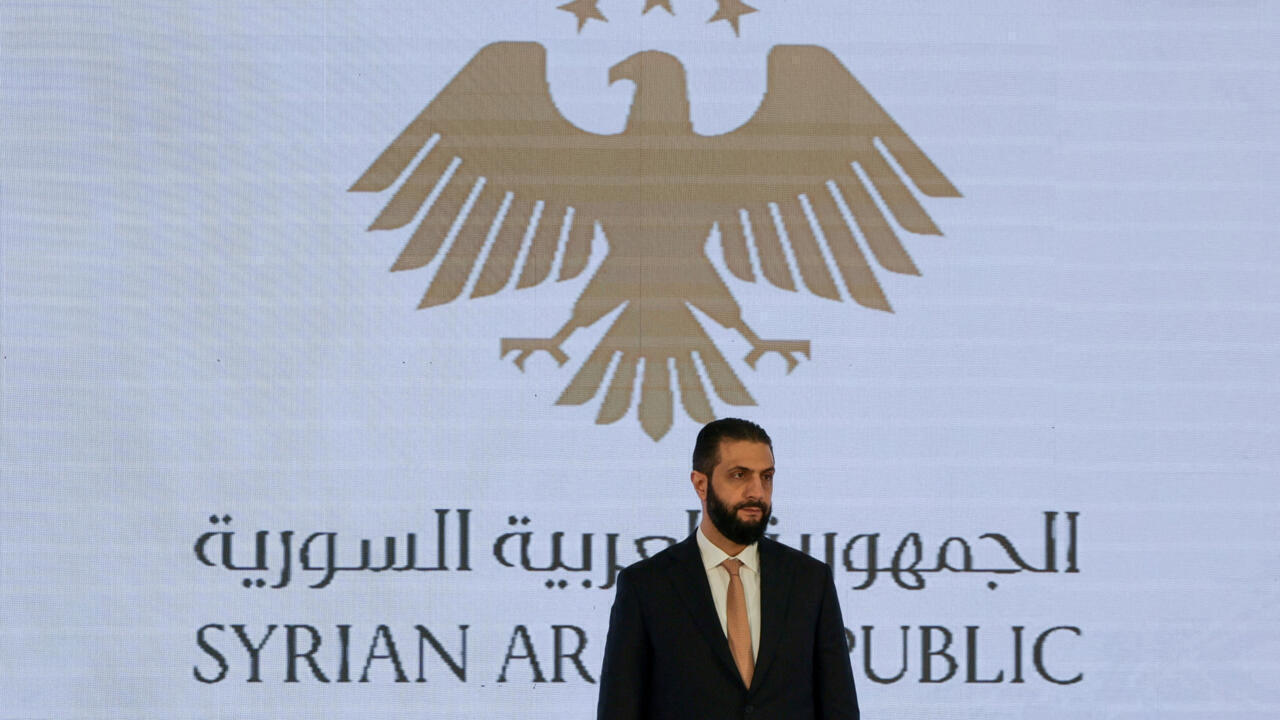
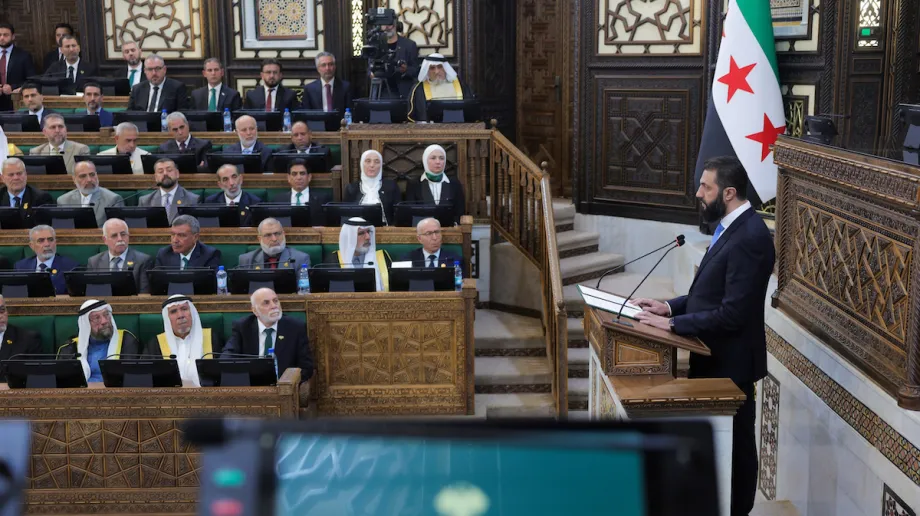
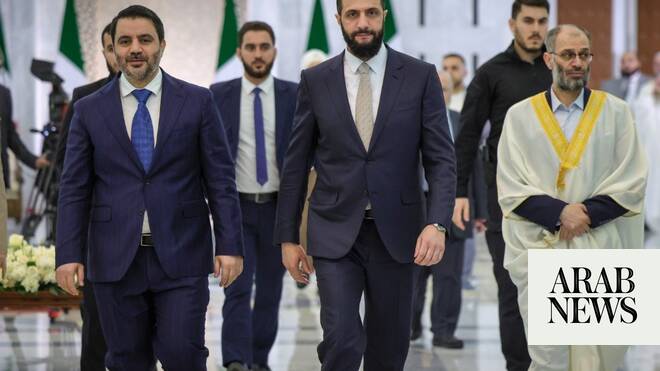
As I entered the Syrian presidential palace, I observed a young man called Ahmad Al-Sharaa at the seat of the two Assads. My realization grew stronger that what had happened in Syria was immense and would leave its mark on the country and perhaps beyond.
Al-Sharaa’s tempest not only uprooted an excessively cruel regime that had ruled for over half a century, but it also cast aside mentalities that had prevailed for decades. Observing Al-Sharaa at the presidential palace, one cannot forget that his tempest also extracted Syria from the so-called Axis of Resistance and diminished Iran’s role in the region. Al-Sharaa’s tempest severed the Tehran-Beirut route that passed through Iraqi and Syrian territories. It was the supply route of “resistance” rockets and the shaping and diminishing of roles.
I do not want to exaggerate the change in Syria, but it really did reshape roles and sizes, starting from Hezbollah in Lebanon to the Popular Mobilization Forces in Iraq.
I noticed that Al-Sharaa’s entourage did not ask the people invited to the palace to avoid asking sensitive questions. No subject was off limits and it quickly became evident that Al-Sharaa would not get flustered when it came to speaking about his past.