O
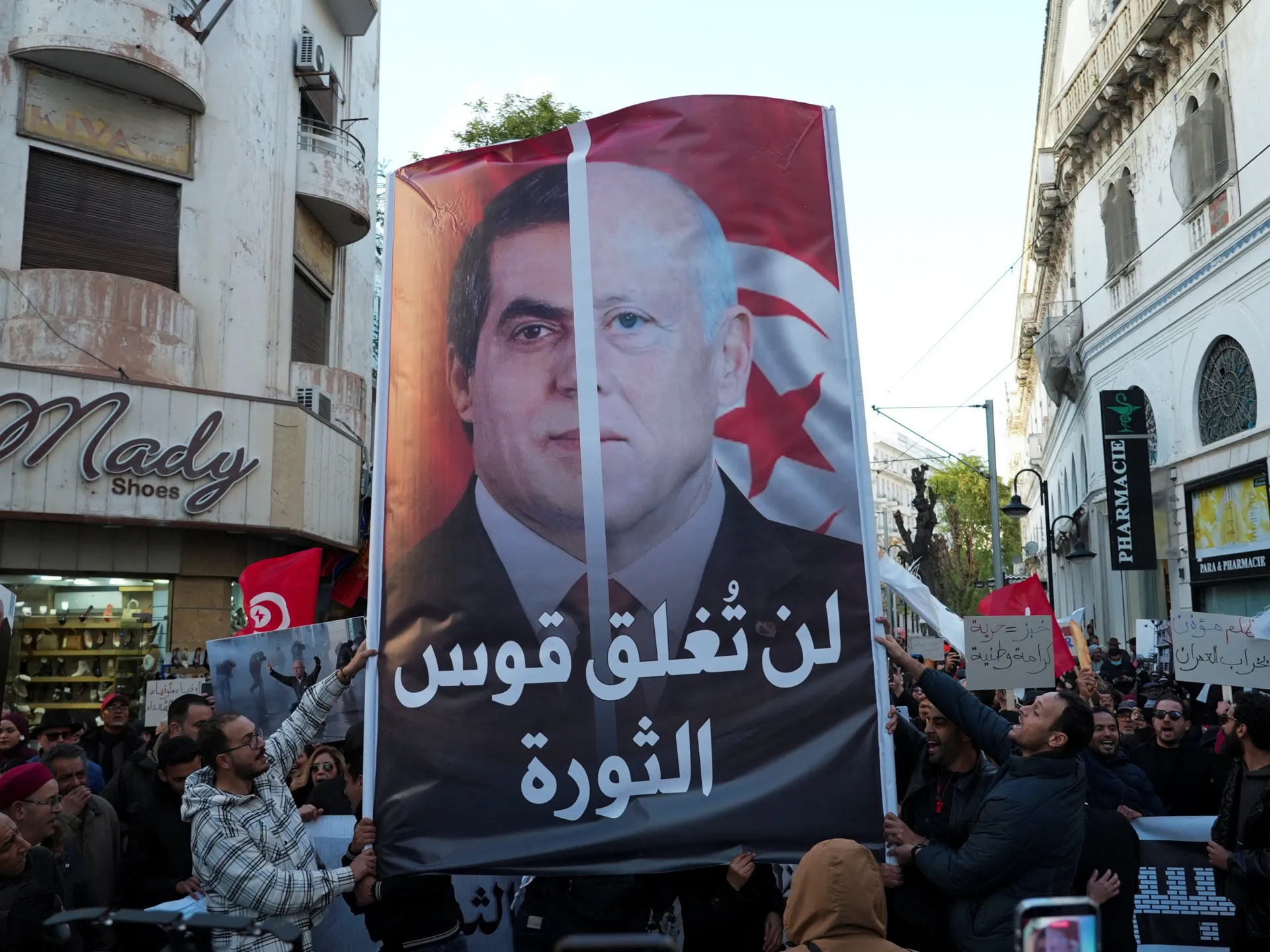
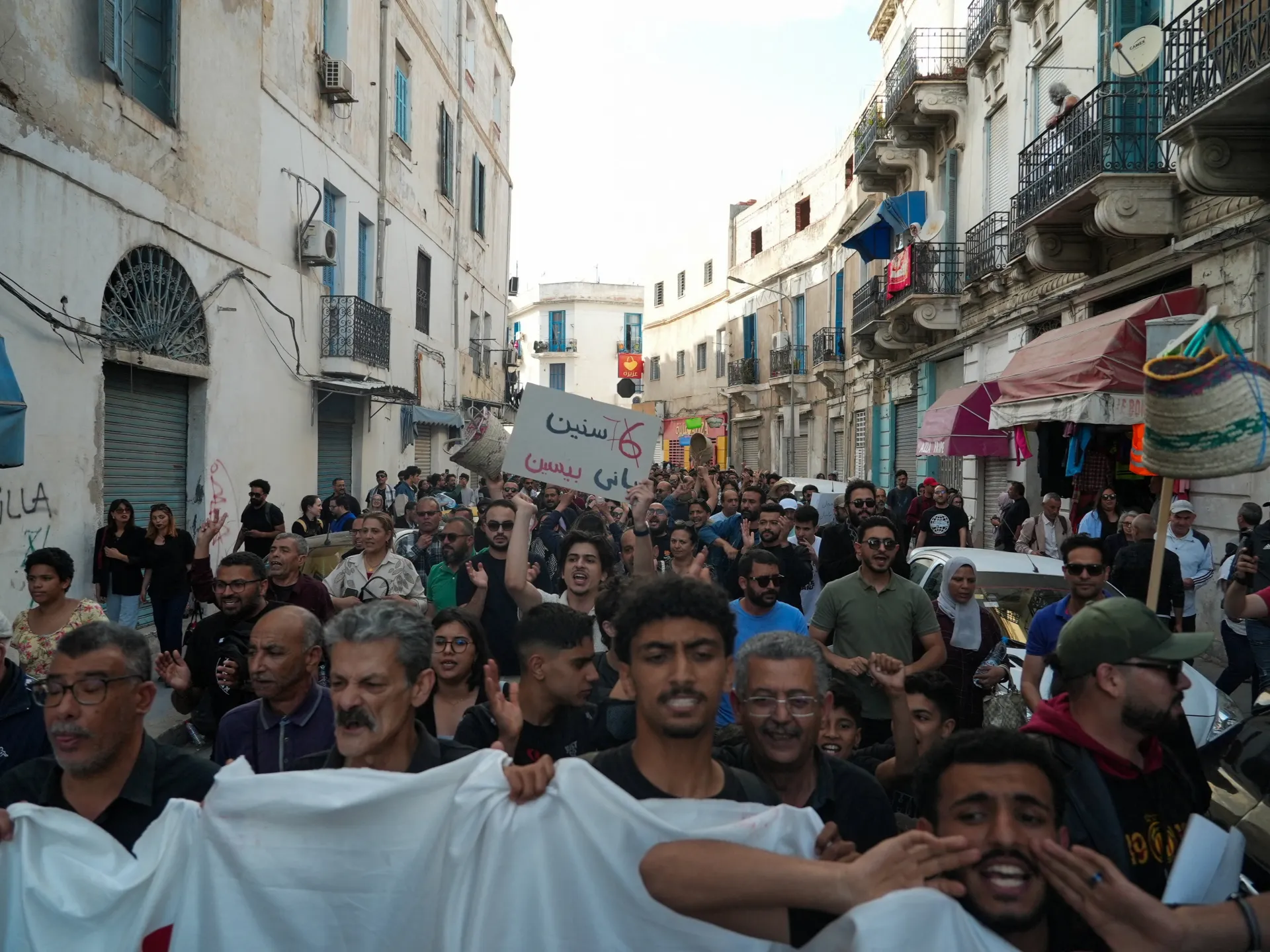
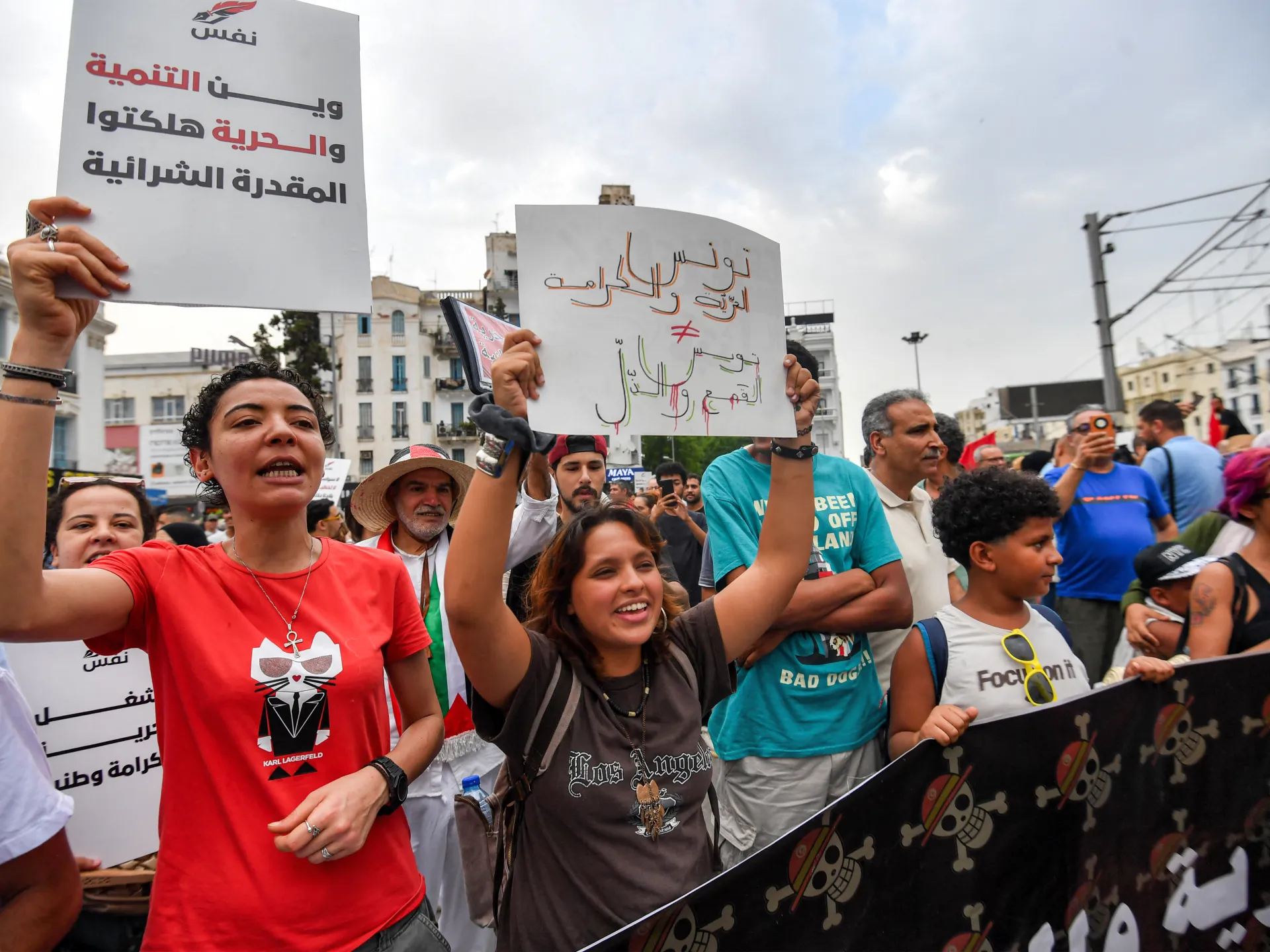
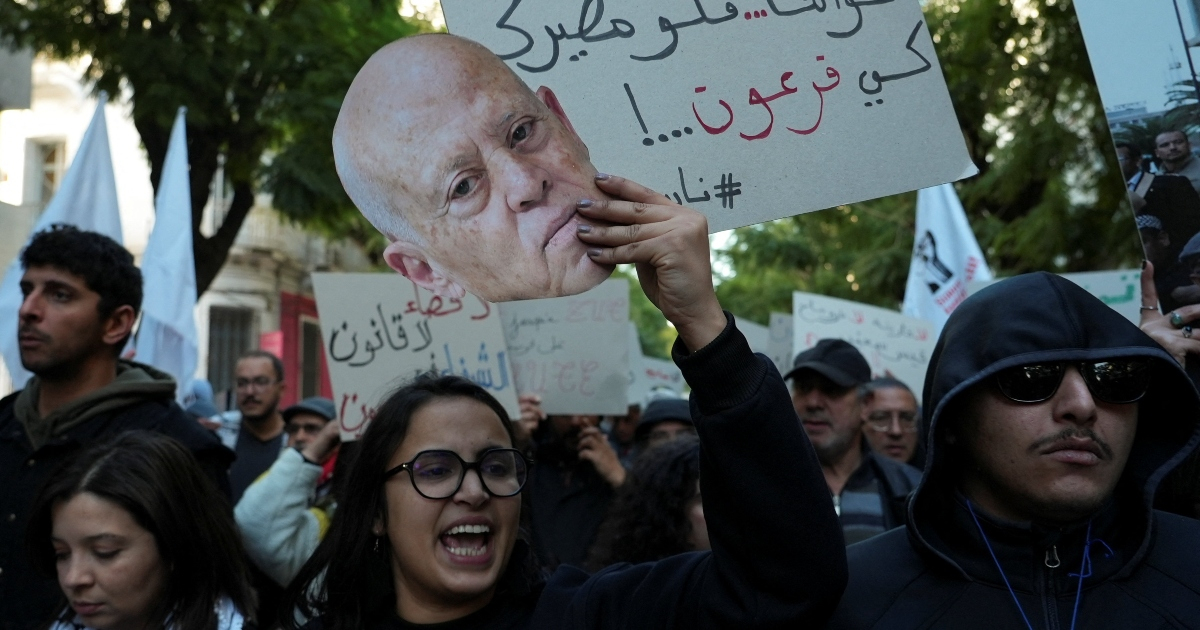
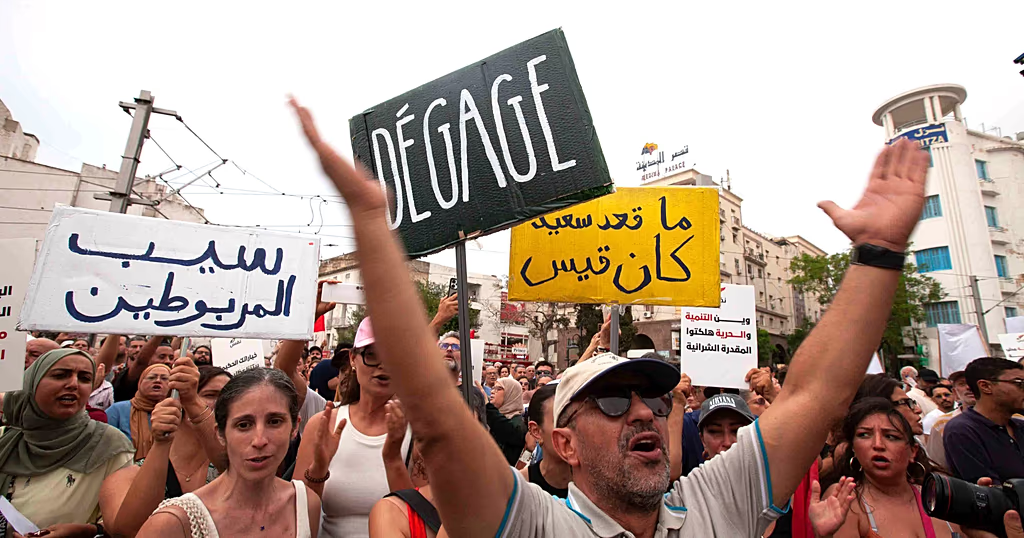
n Wednesday, January 14, Tunisia and its people marked the 15th anniversary of the fall of Zine el-Abidine Ben Ali. Less than one month of popular uprising was enough to topple a dictatorship that had lasted more than 23 years. The revolutionary protests began in the underprivileged central and southern regions of the country, quickly spread to the coast and then to the capital, driven by a civil society that was both dynamic and activist.
The shift to opposition by the Tunisian General Labour Union (UGTT), the trade union with hundreds of thousands of members, was decisive. Police repression left around 300 dead, but the army refused to fire on protesters, forcing the autocrat to flee to Saudi Arabia. Such a "revolution of dignity" inspired people throughout the Arab world, with the slogan, "The people want to bring down the regime," and, less than one month later, led to the fall of Hosni Mubarak, who had been in power in Egypt for three decades.
On January 14, Tunisians therefore celebrated 15 years since the "revolution of dignity," which put their country at the forefront of a regional wave of popular protests. The so-called "Arab Spring" actually covered very different situations, such as a military coup with the appearance of revolution in Egypt; a civil war that quickly divided Libya's East and West; a constitutionalist uprising in Bahrain crushed by Saudi and Emirati intervention; and a series of protests that were brutally repressed in Yemen and Syria, which led to the militarization of the opposition in both countries.