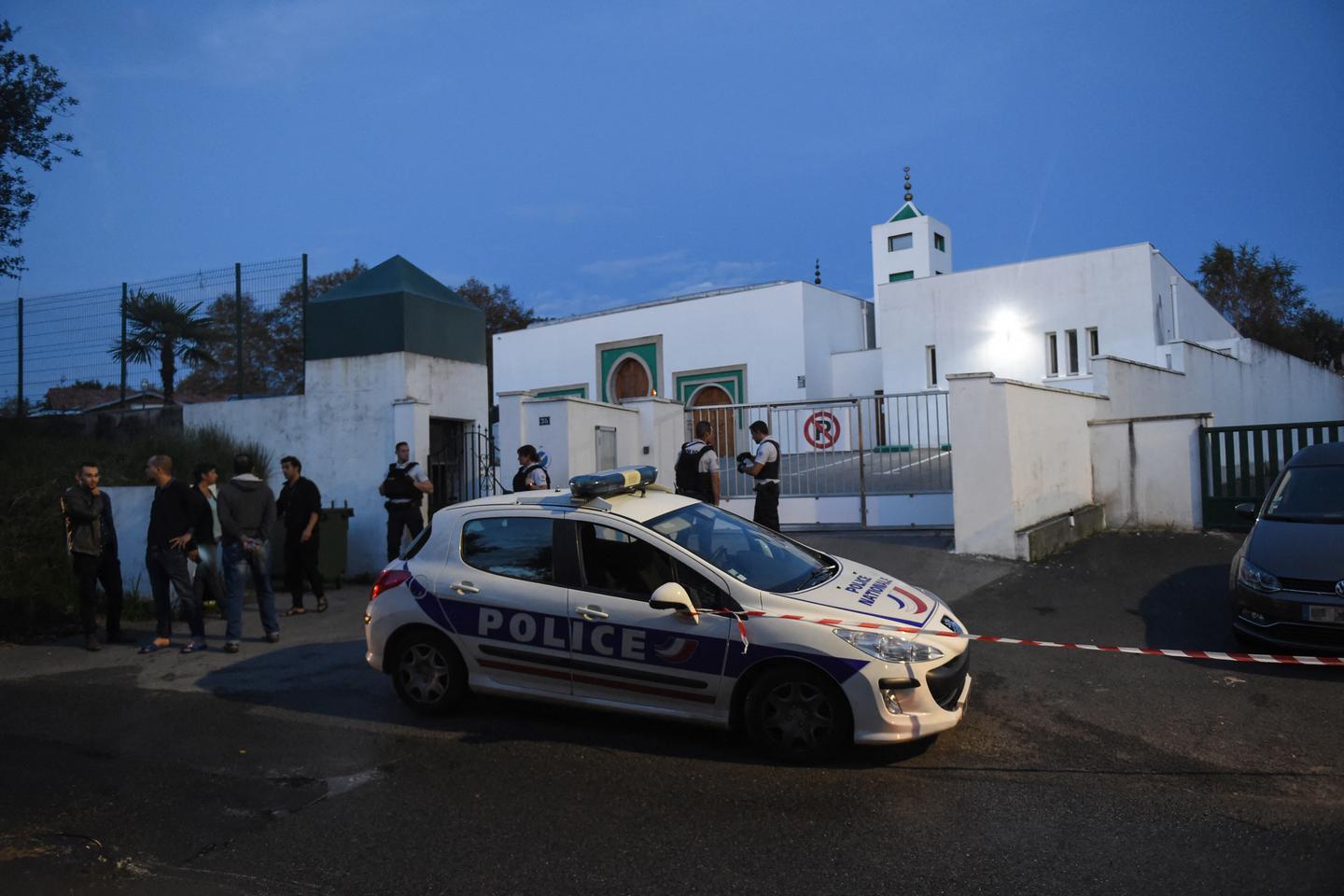
In front of the Bayonne Mosque, southern France, October 28, 2019. GAIZKA IROZ/AFP
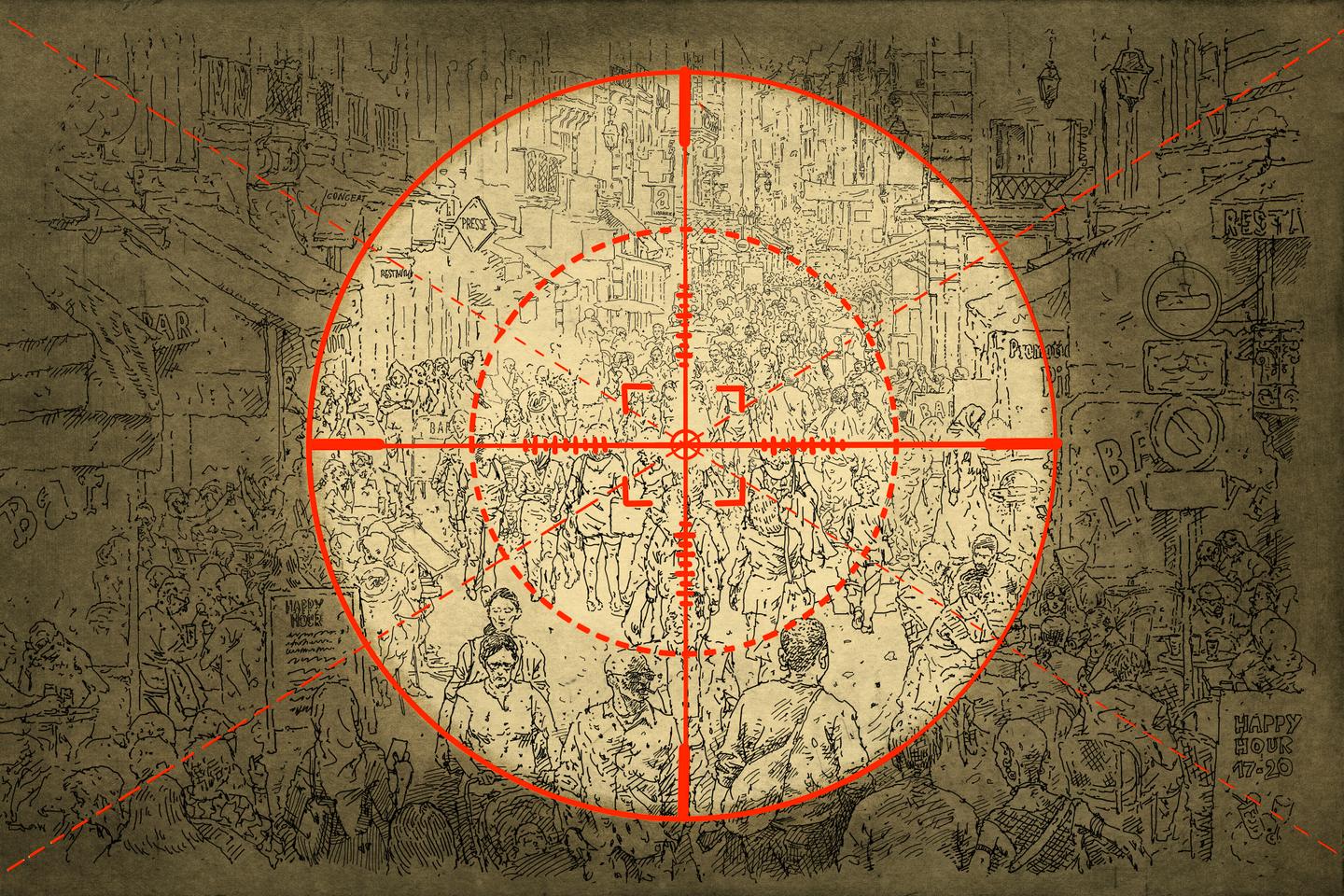
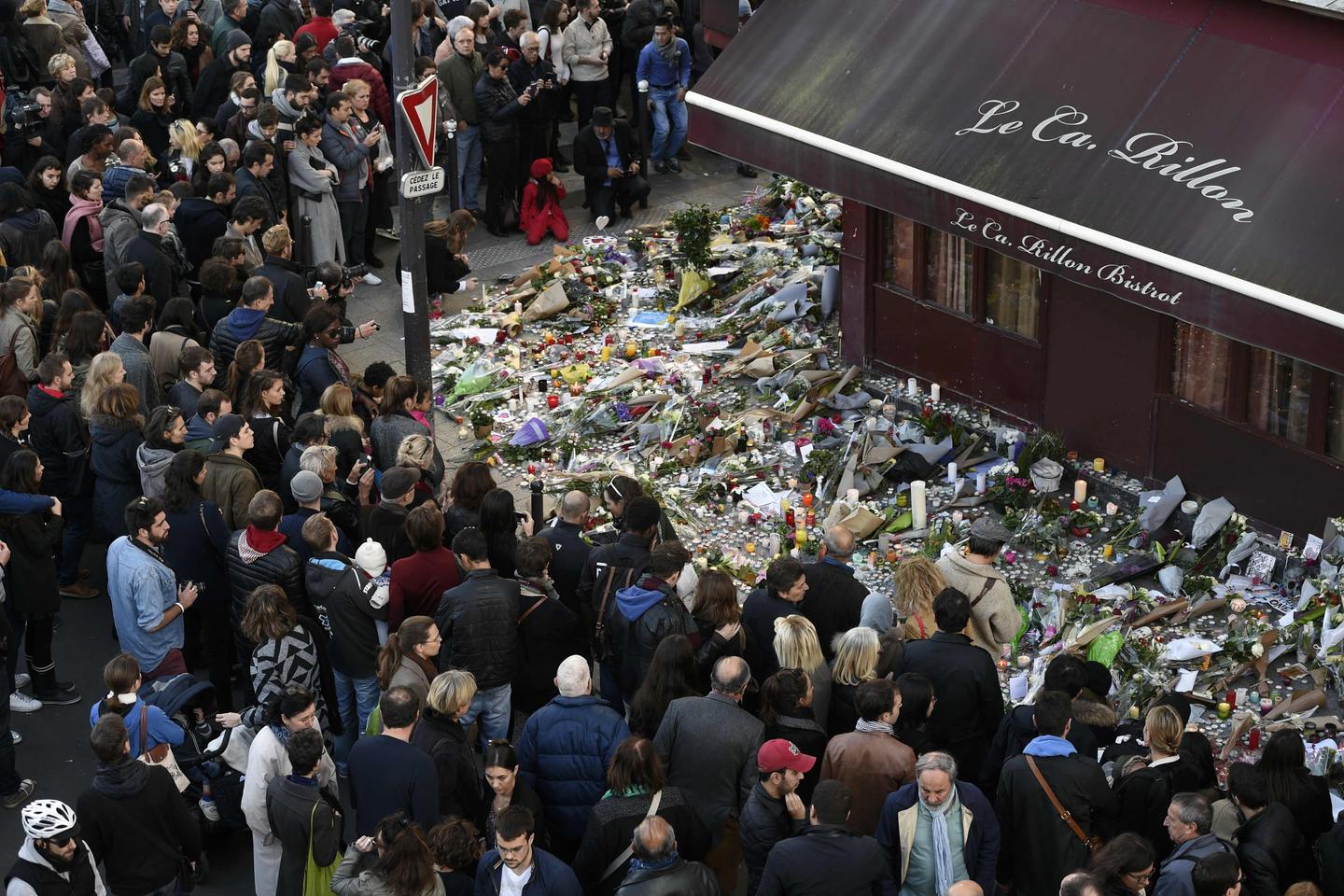
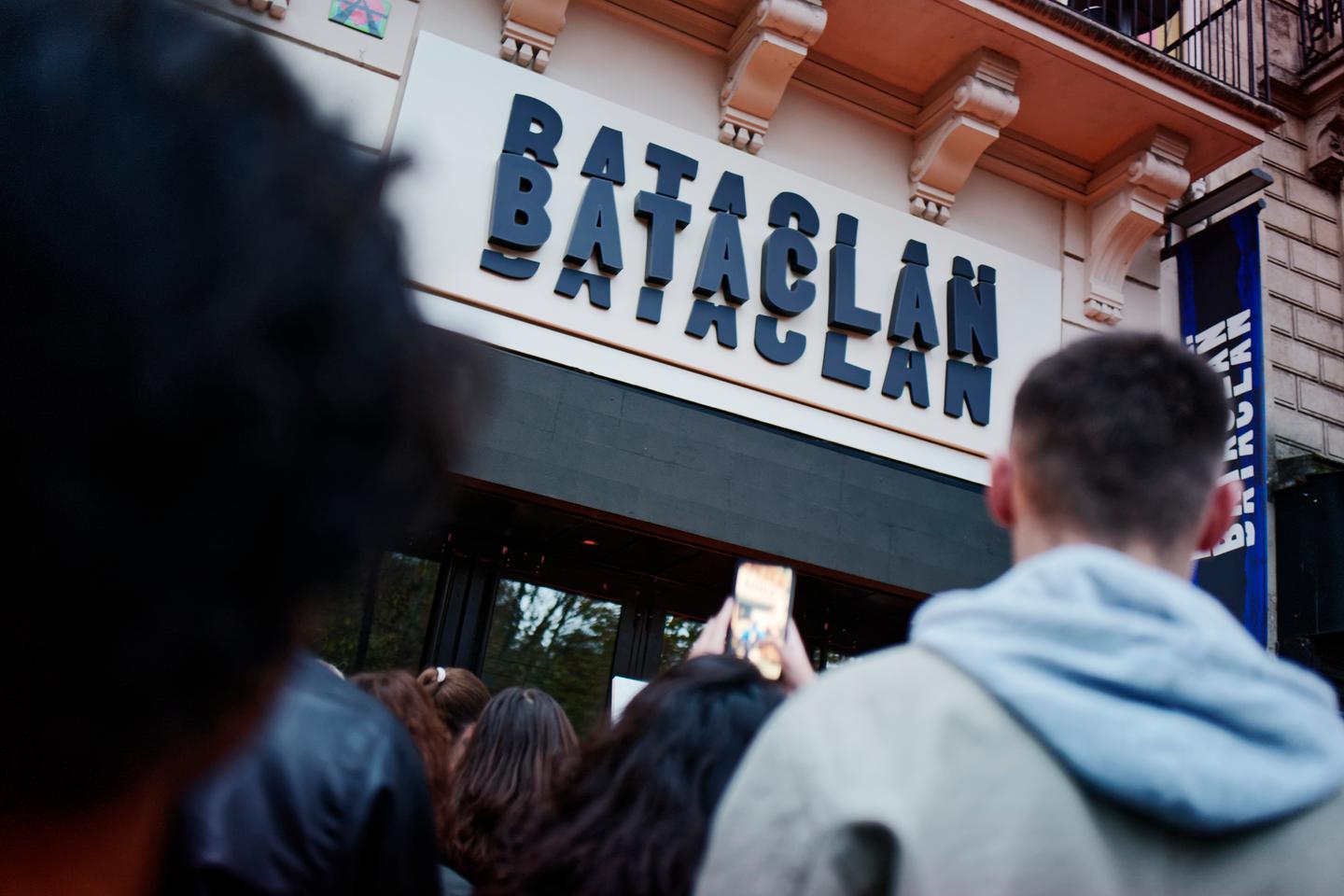
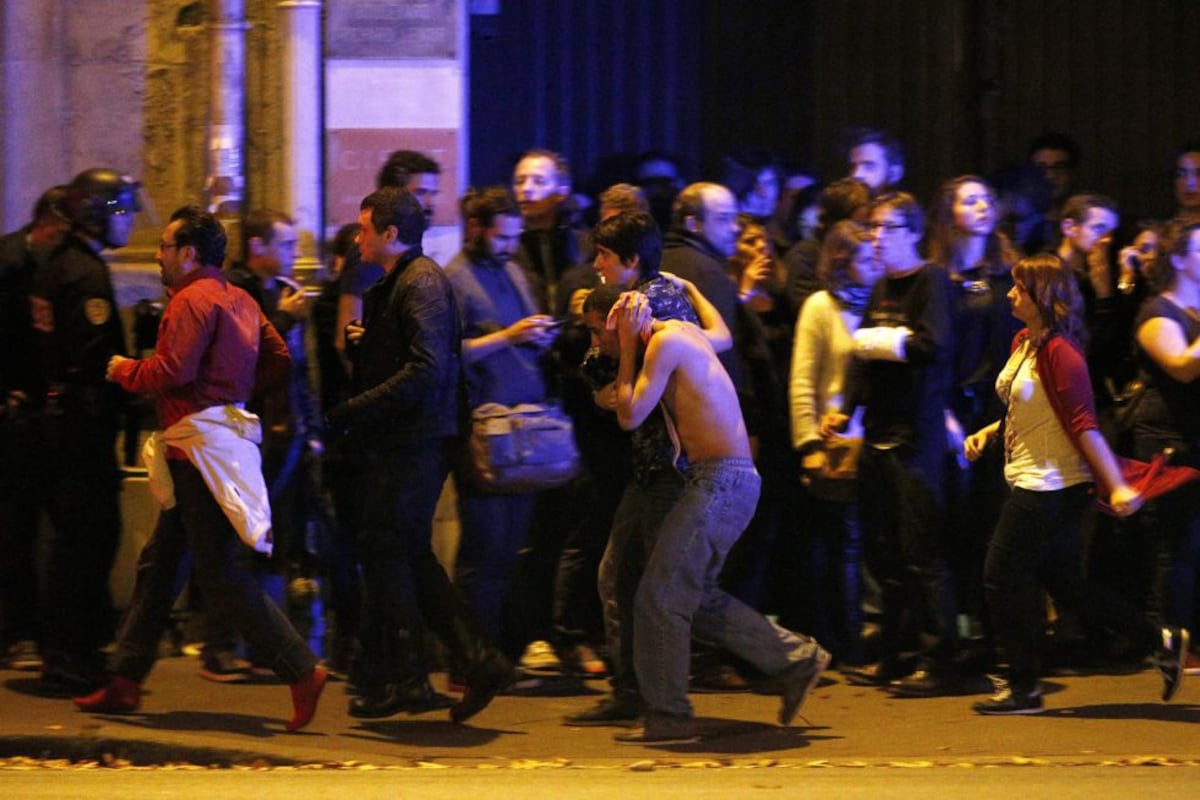
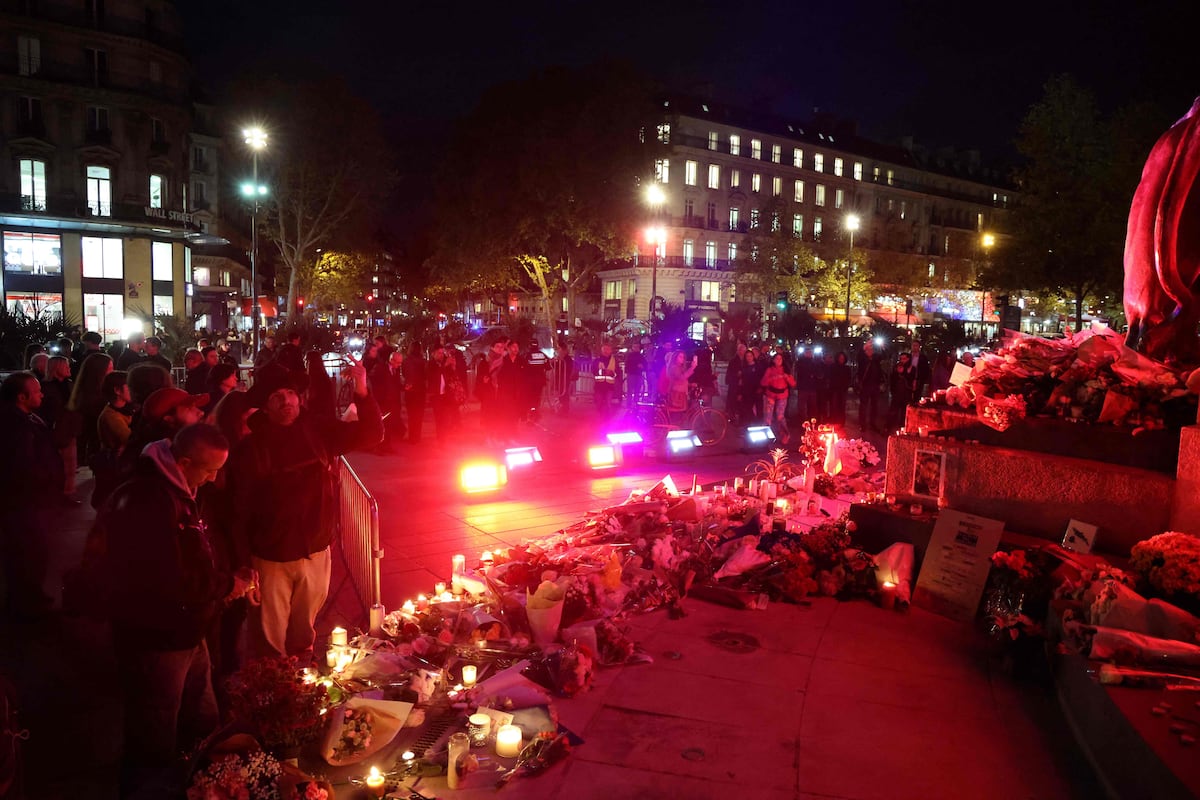
Attack, retaliation. At first glance, the sequence appeared logical: Following the major jihadist attacks in 2015-2016 in France, far-right groups formed in reaction, plotting anti-Muslim attacks. This trend, within police and judicial circles, was dubbed the "Bataclan generation," as it emerged in the aftermath of the November 13 massacre at the Bataclan concert hall in Paris.
According to statistics compiled by France's national anti-terrorism prosecutor's office since its creation in 2019, 13 far-right terrorism cases – implicating 52 people – were tried, including one in criminal court with a jury. Seven other cases, involving 33 individuals charged, including a deadly attack in Puget-sur-Argens in southeastern France in 2025, are still under investigation.
This count can be expanded to include the attack on the Bayonne Mosque (in the southeastern Pyrénées region), carried out on October 28, 2019, by an 80-year-old former candidate for the far-right Rassemblement National party, who attempted to set fire to the mosque and then shot and wounded two worshippers. Although the attacker's motive and prior scouting were clear, the act was not classified as terrorism by the courts. Compared with the pre-2015 period, this represents a sharp rise – even an explosion – of a threat that had markedly subsided since the 1970s.