S
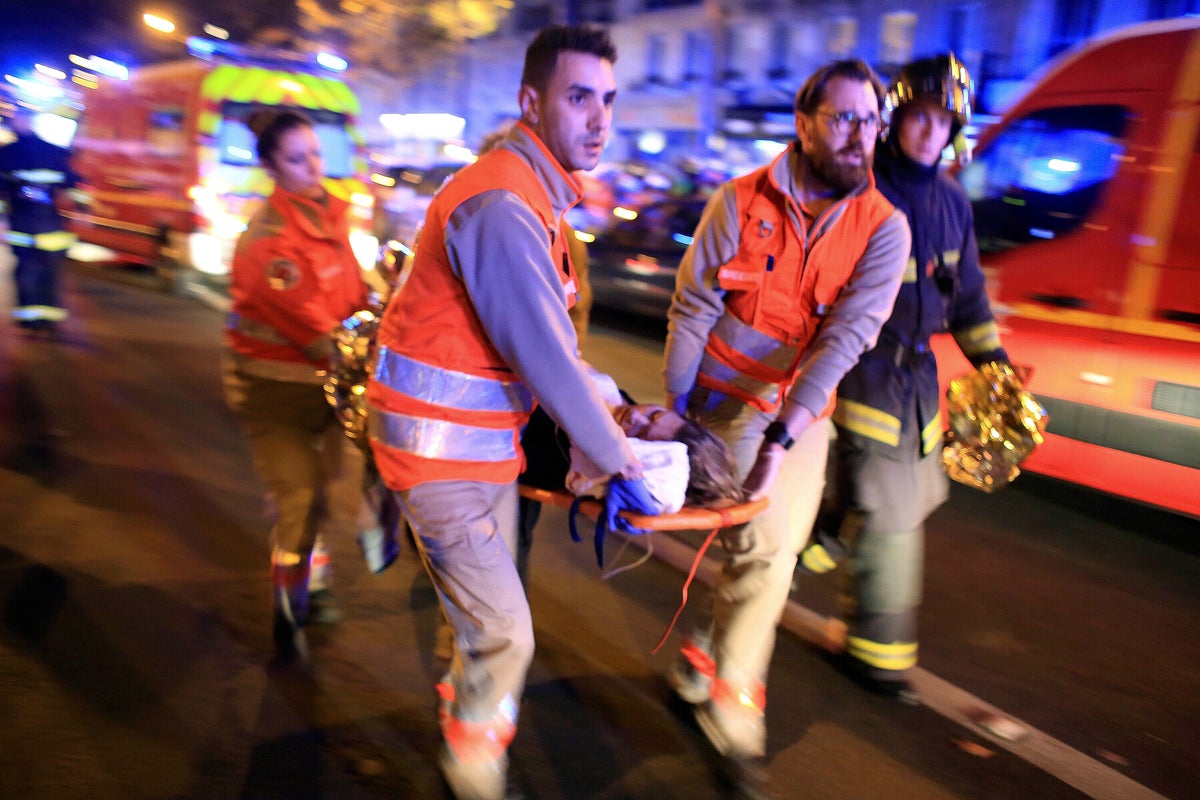
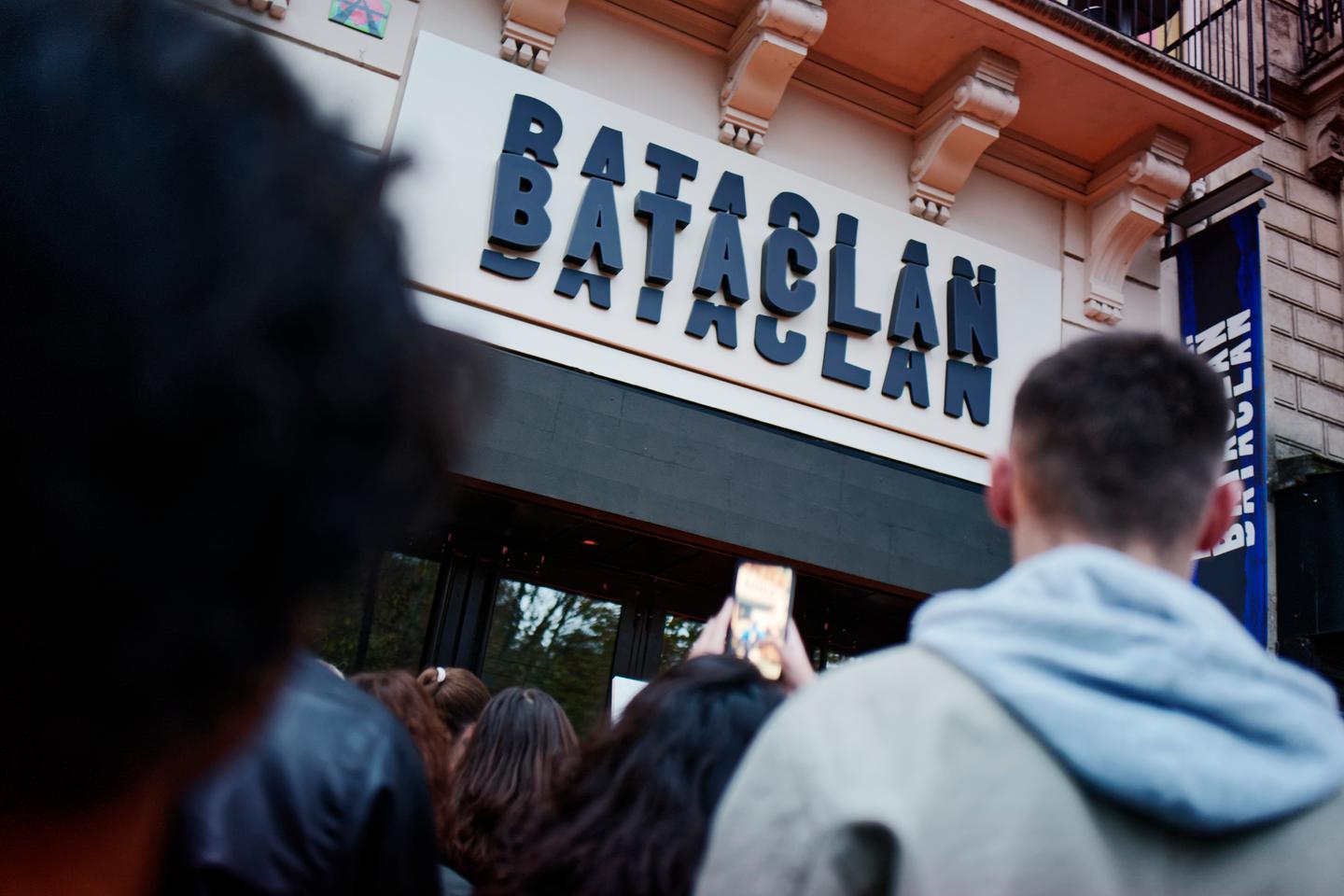
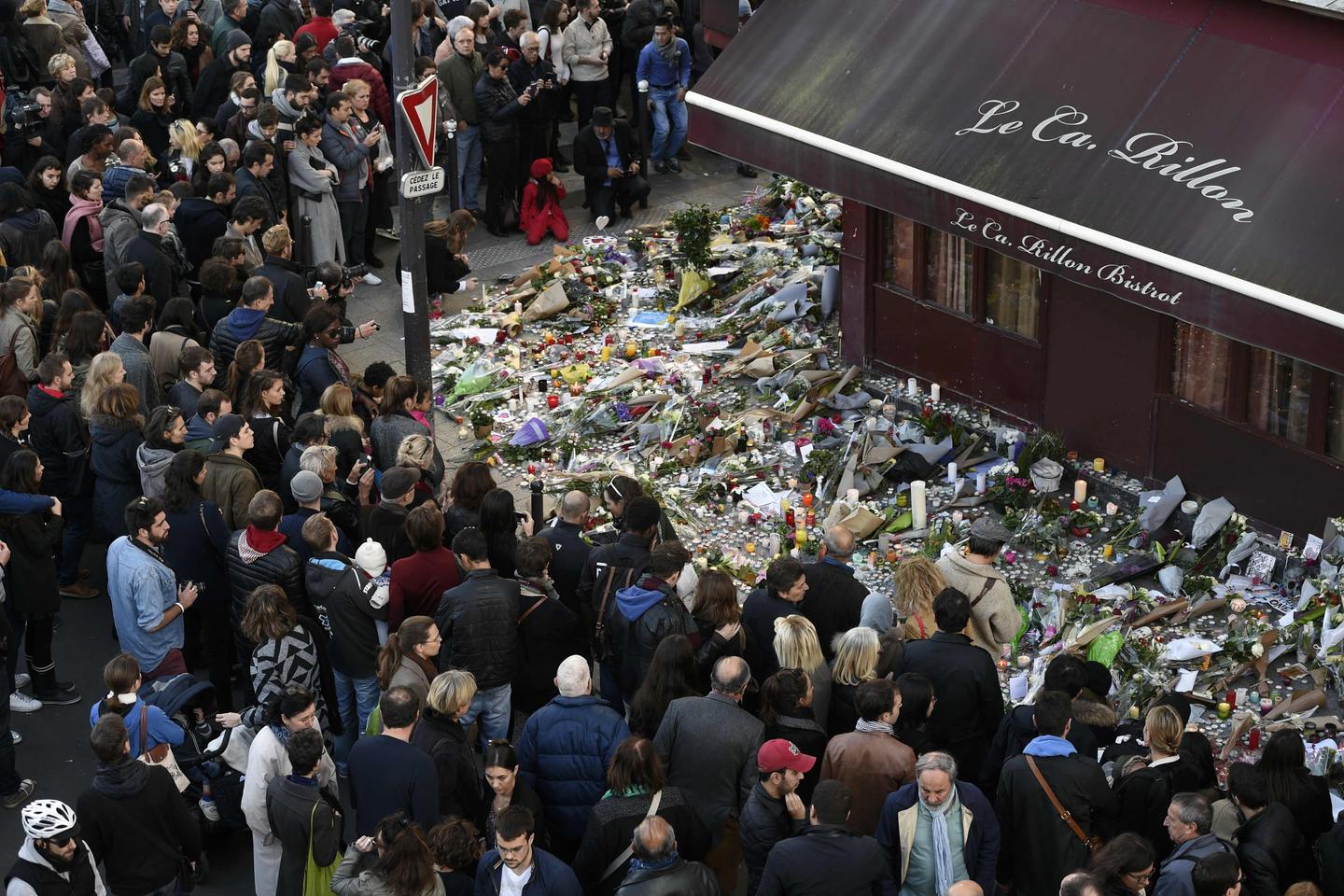
tade de France, the Bataclan concert hall, the Carillon bar, the Petit Cambodge restaurant: On that grim Friday, November 13, 2015, places once known for collective joy were transformed into the sites of one of the greatest tragedies in France's modern history. Everyone remembers where they were when that night of horror began – a night that, after the attacks on Charlie Hebdo and a kosher supermarket 10 months earlier, cemented Islamist terrorism in France's landscape.
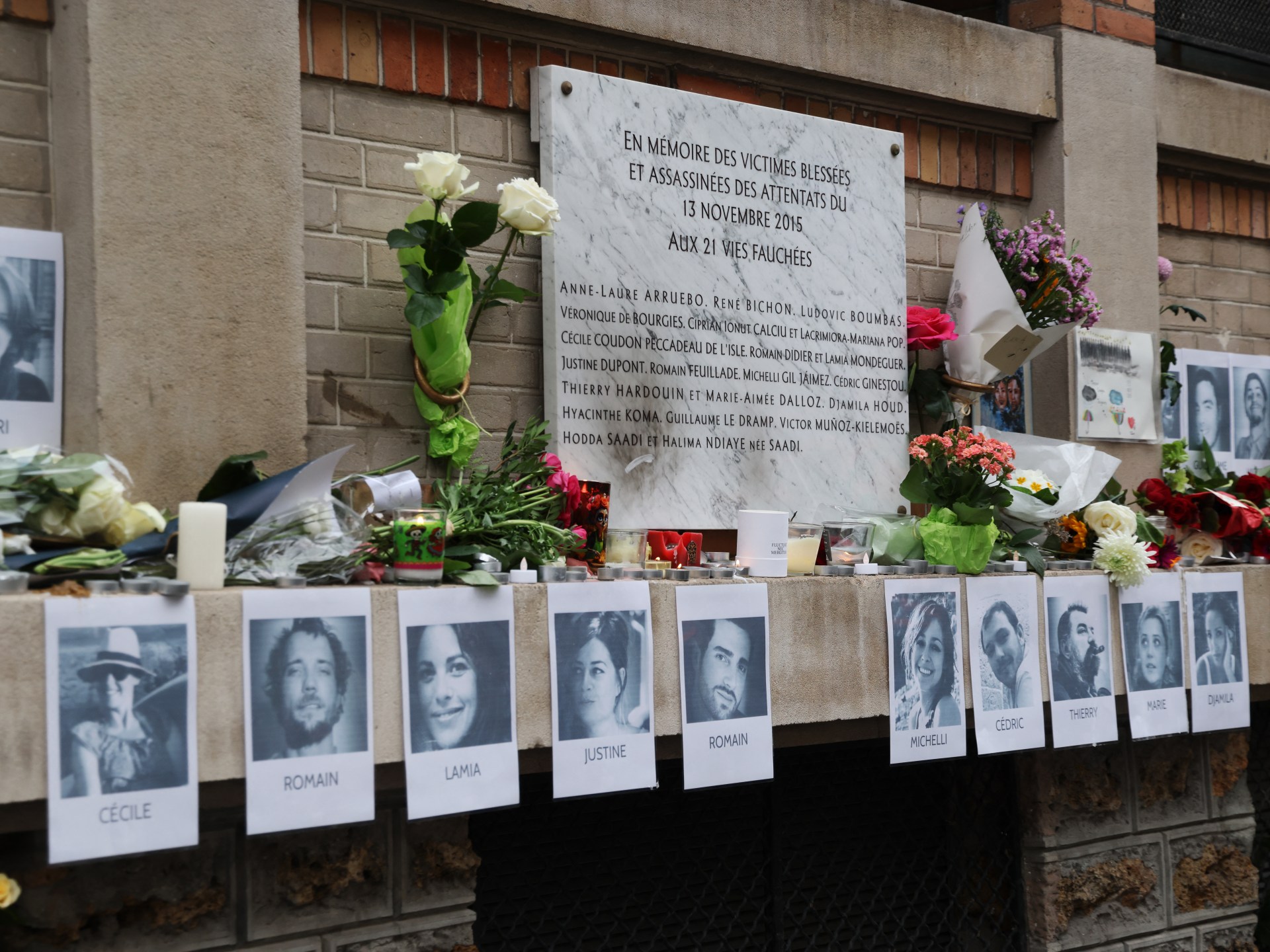
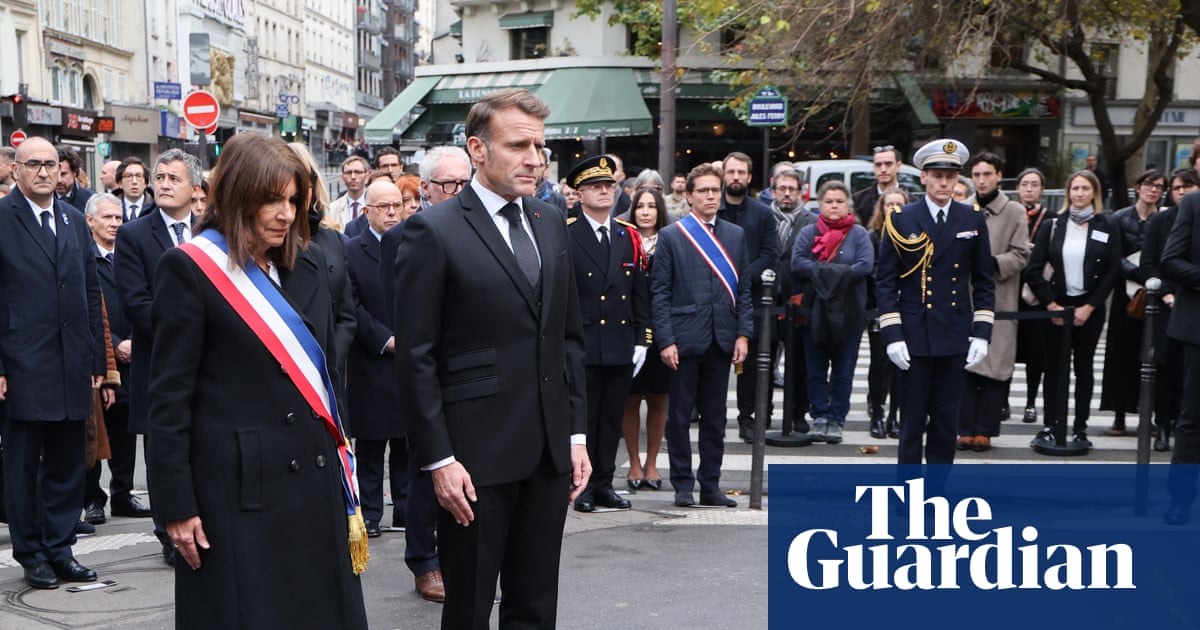
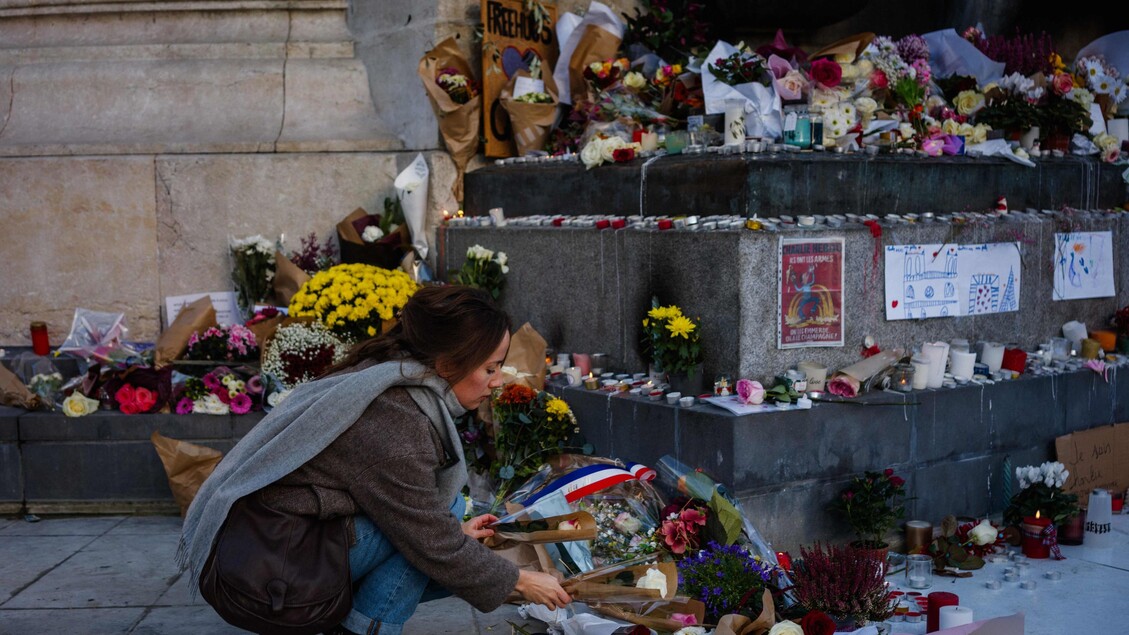
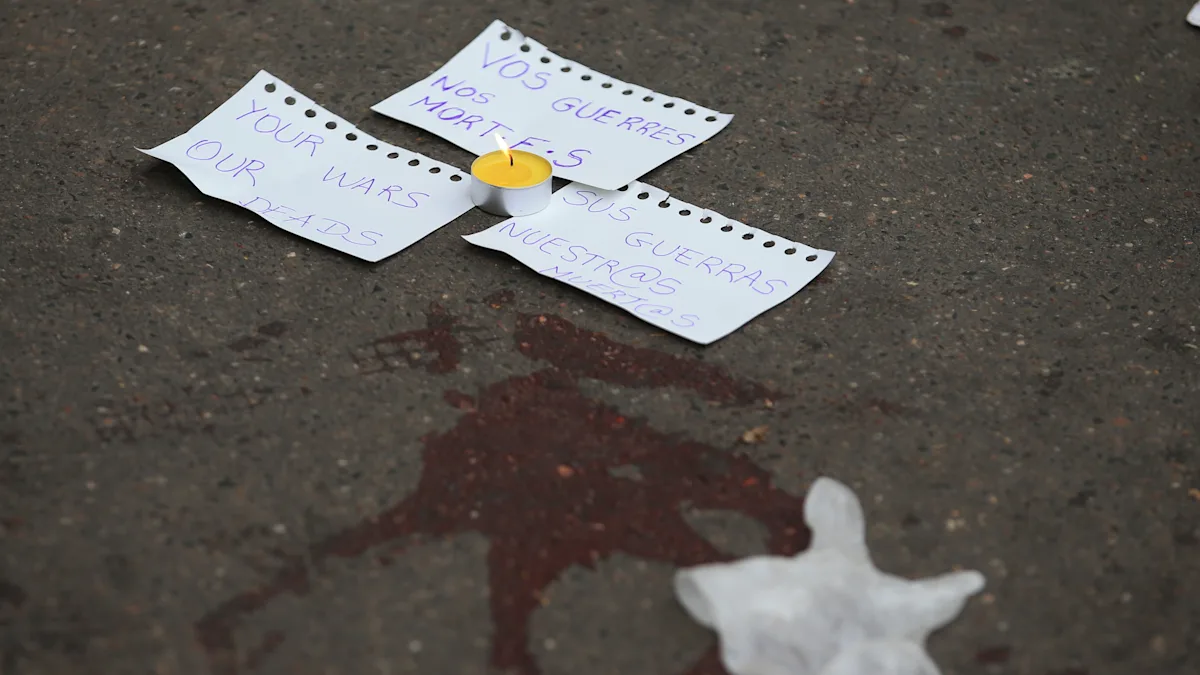
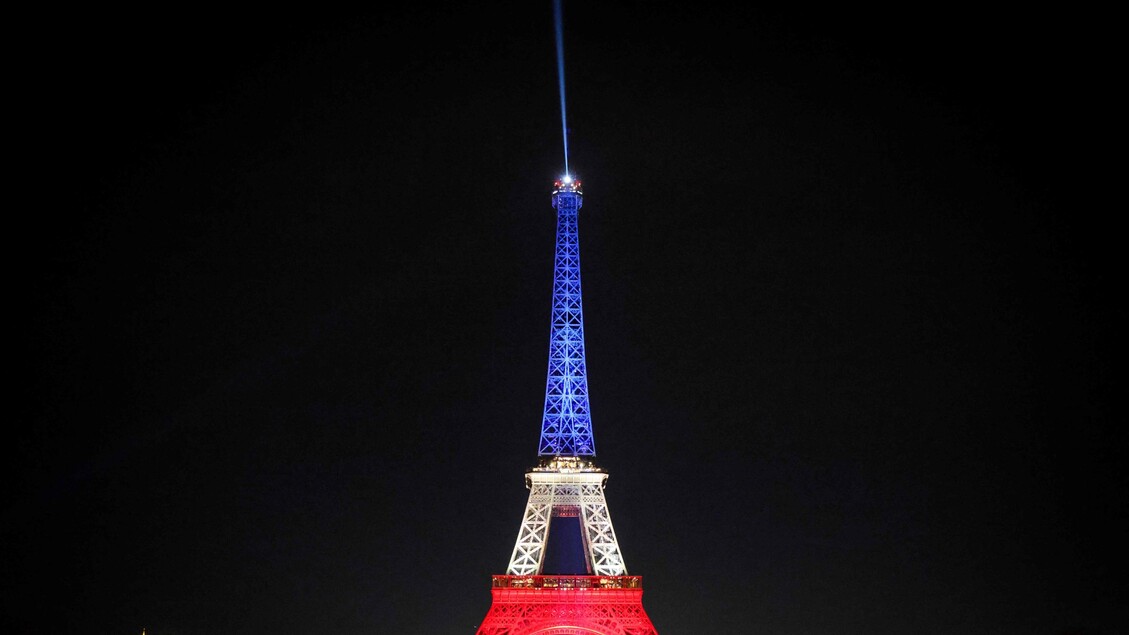
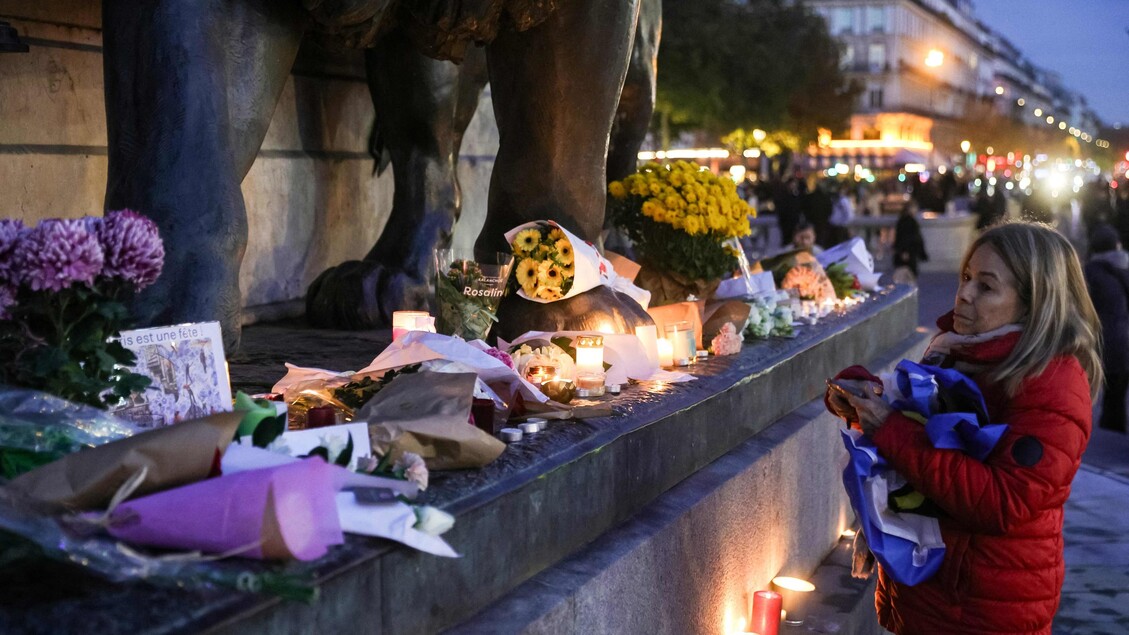
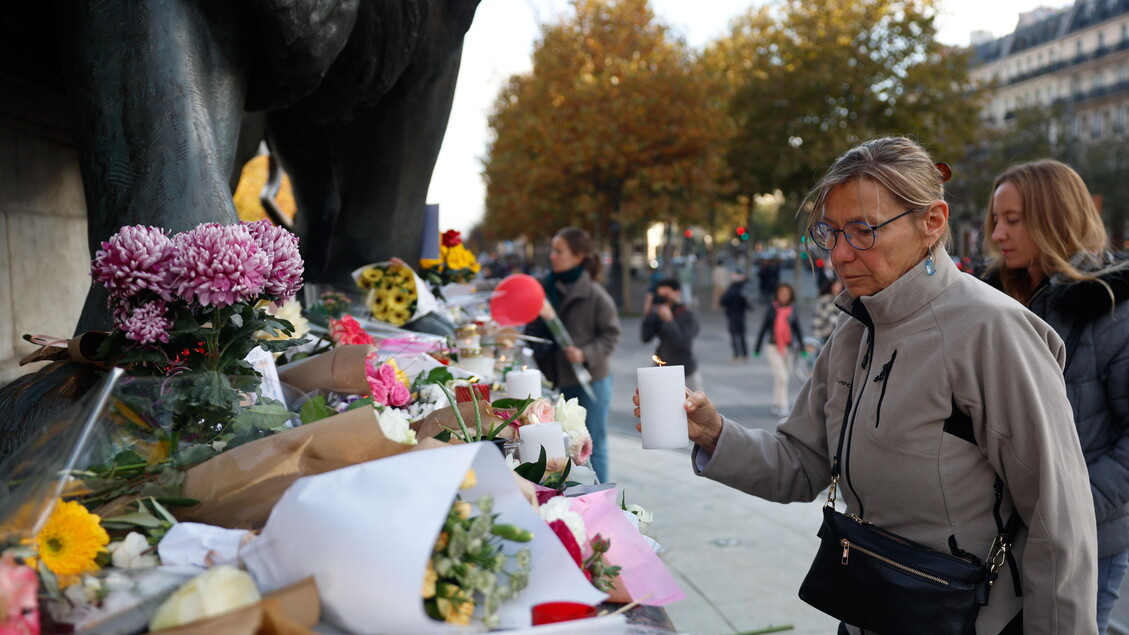
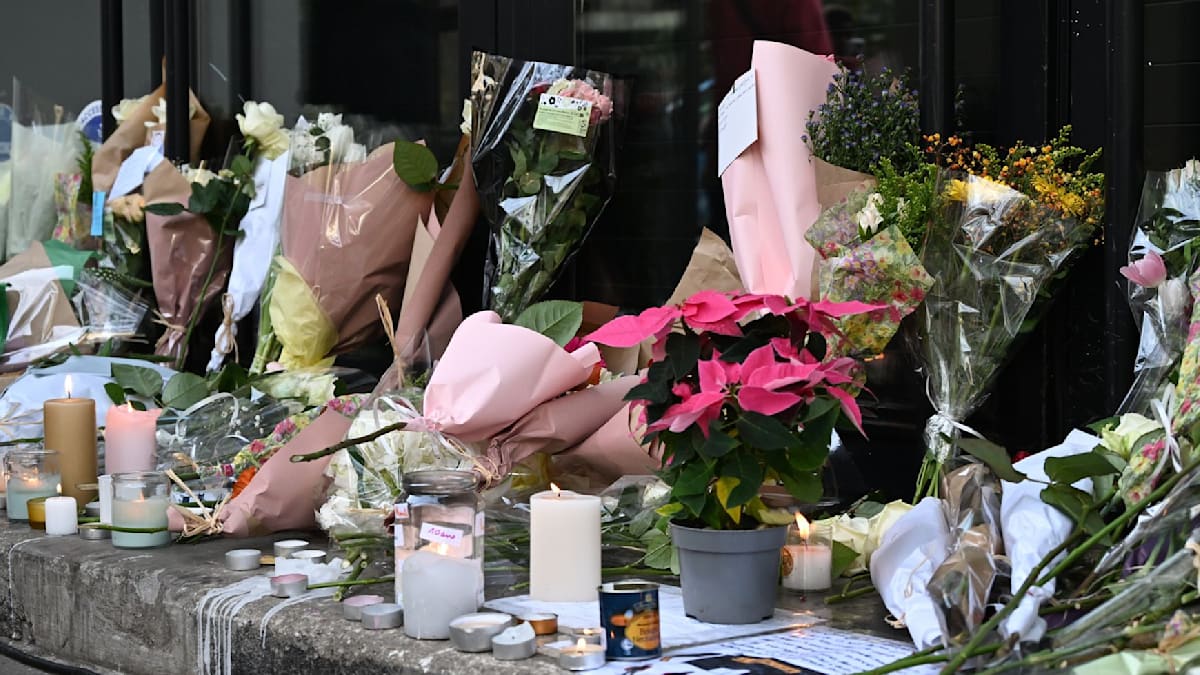
Ten years later, the nation pays tribute to the victims of these senseless killings: The 132 people who lost their lives, the more than 400 physically wounded and the thousands who bear psychological scars of these attacks claimed by Al-Qaeda and the Islamic State group (IS).
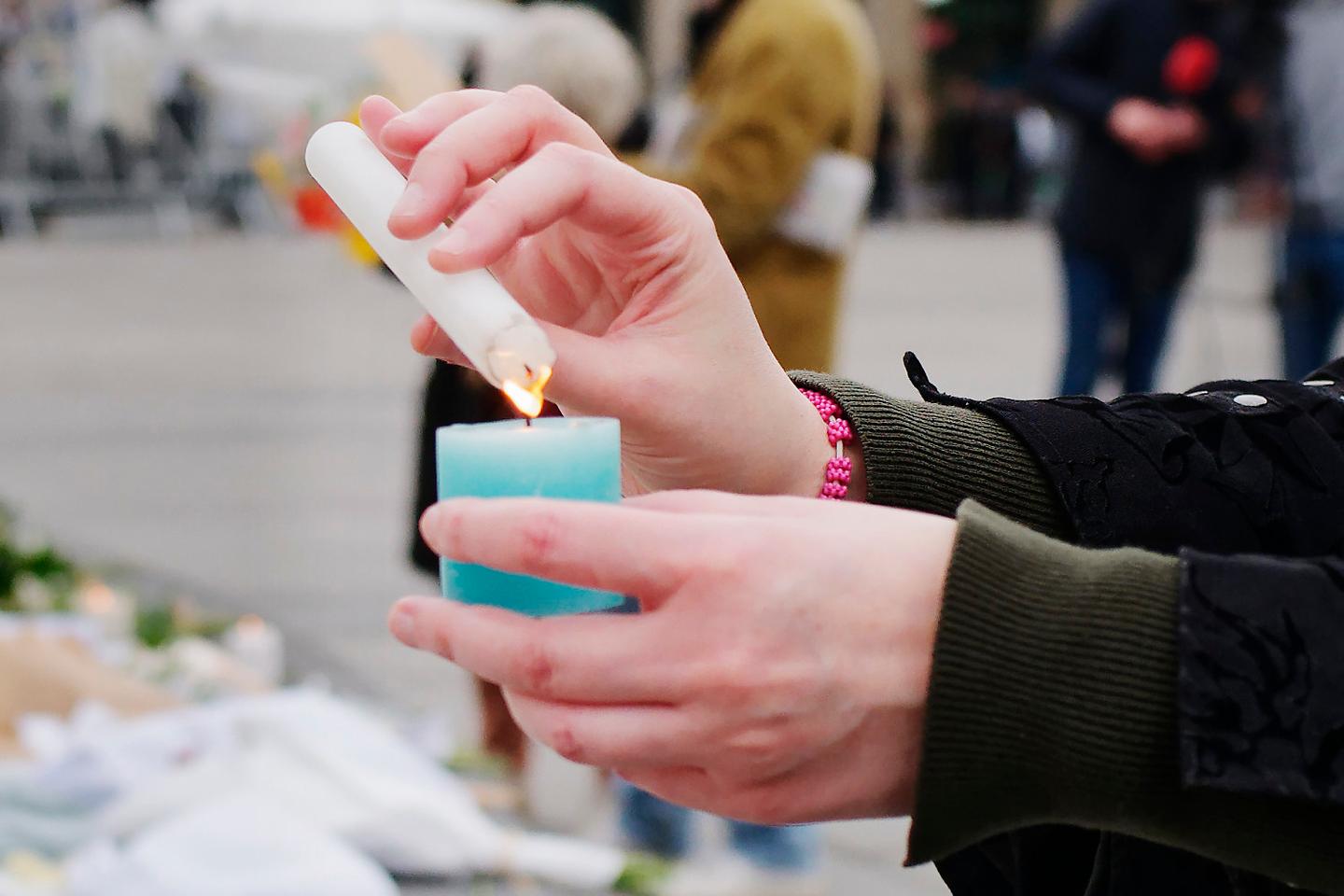
Yet the significance of this anniversary goes far beyond formal commemorations. After the period of shock and reaction, and following the historic trial that lasted more than 10 months in 2021-2022, the focus has turned to remembrance. The shift is not an attempt to distance ourselves from these traumatic events, which were followed by more attacks, but rather an effort to create the most comprehensive narrative possible and learn from it.
Subscribers only