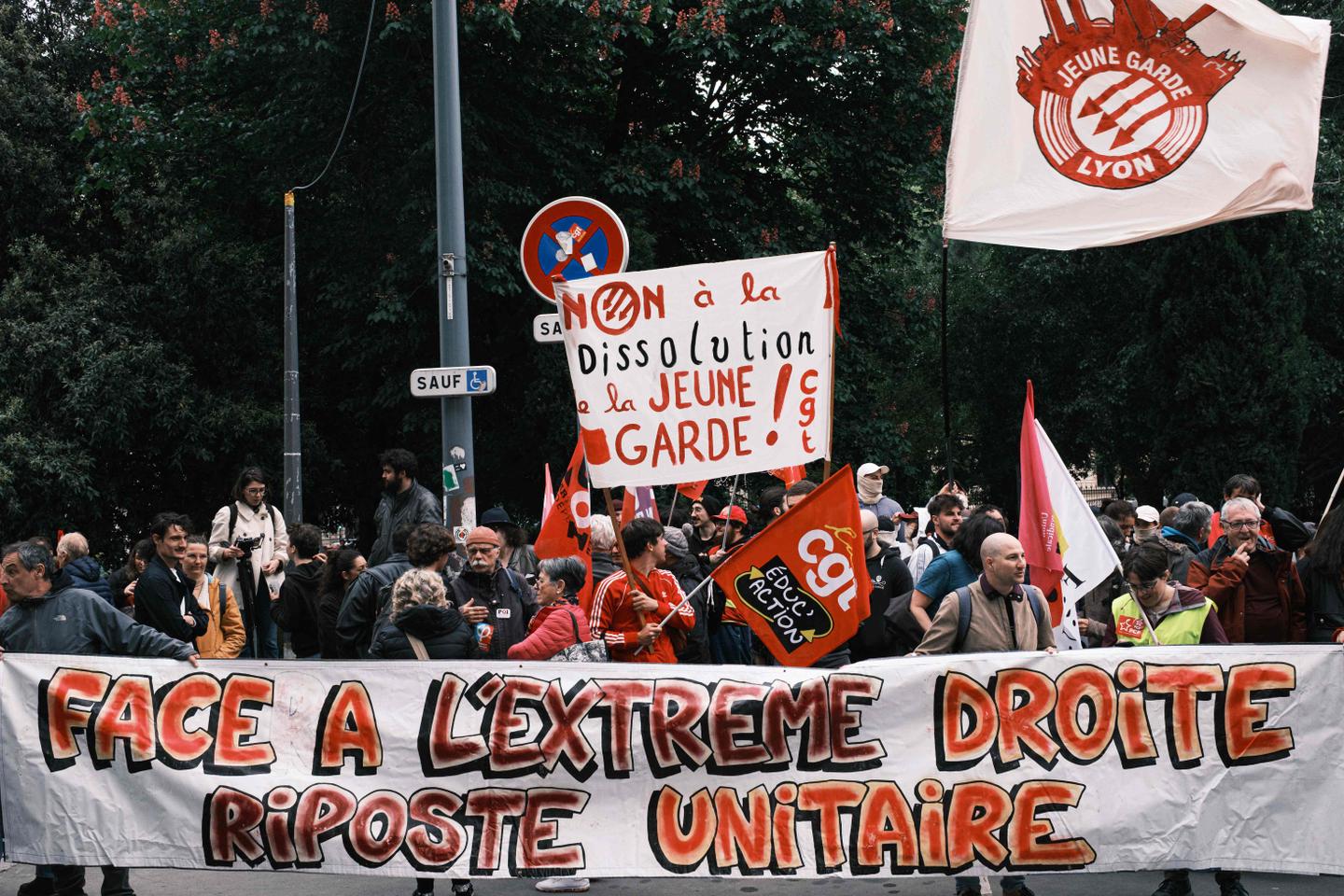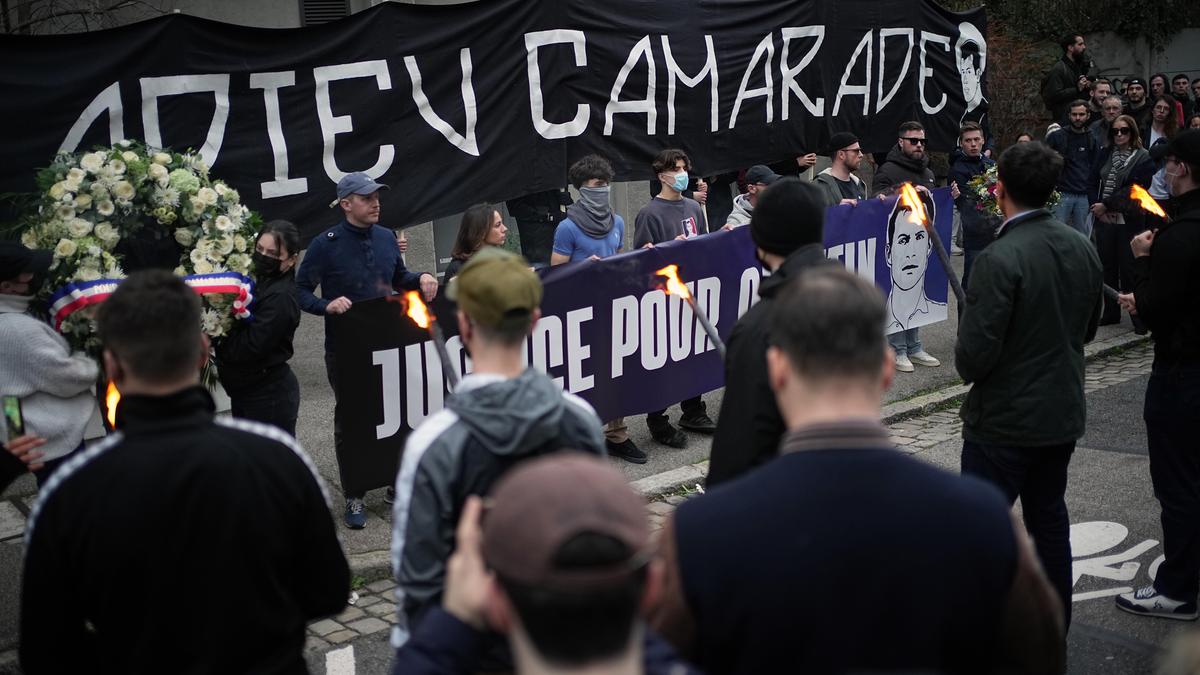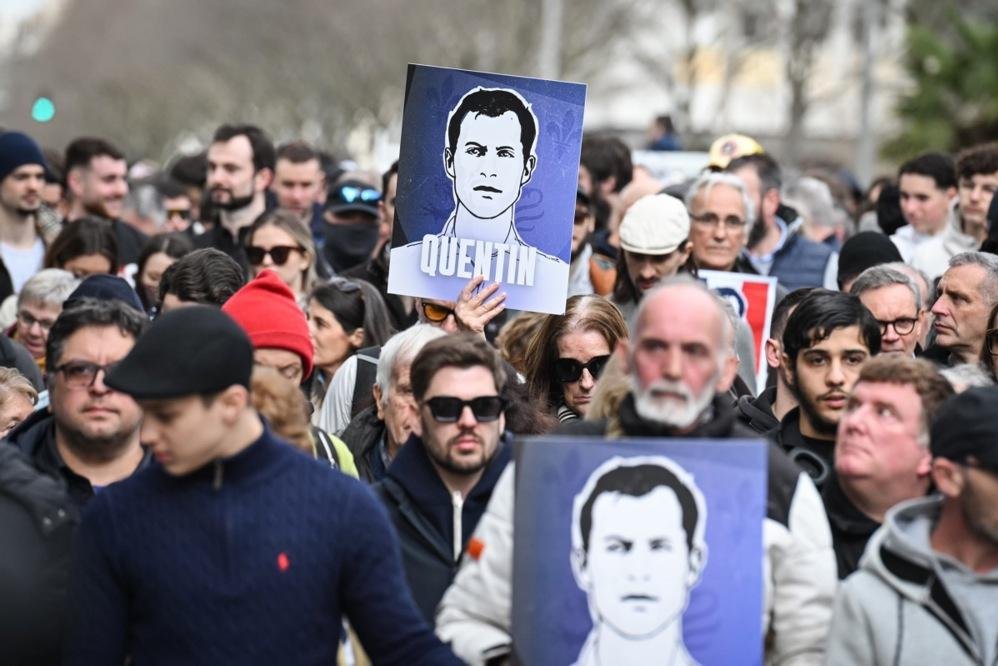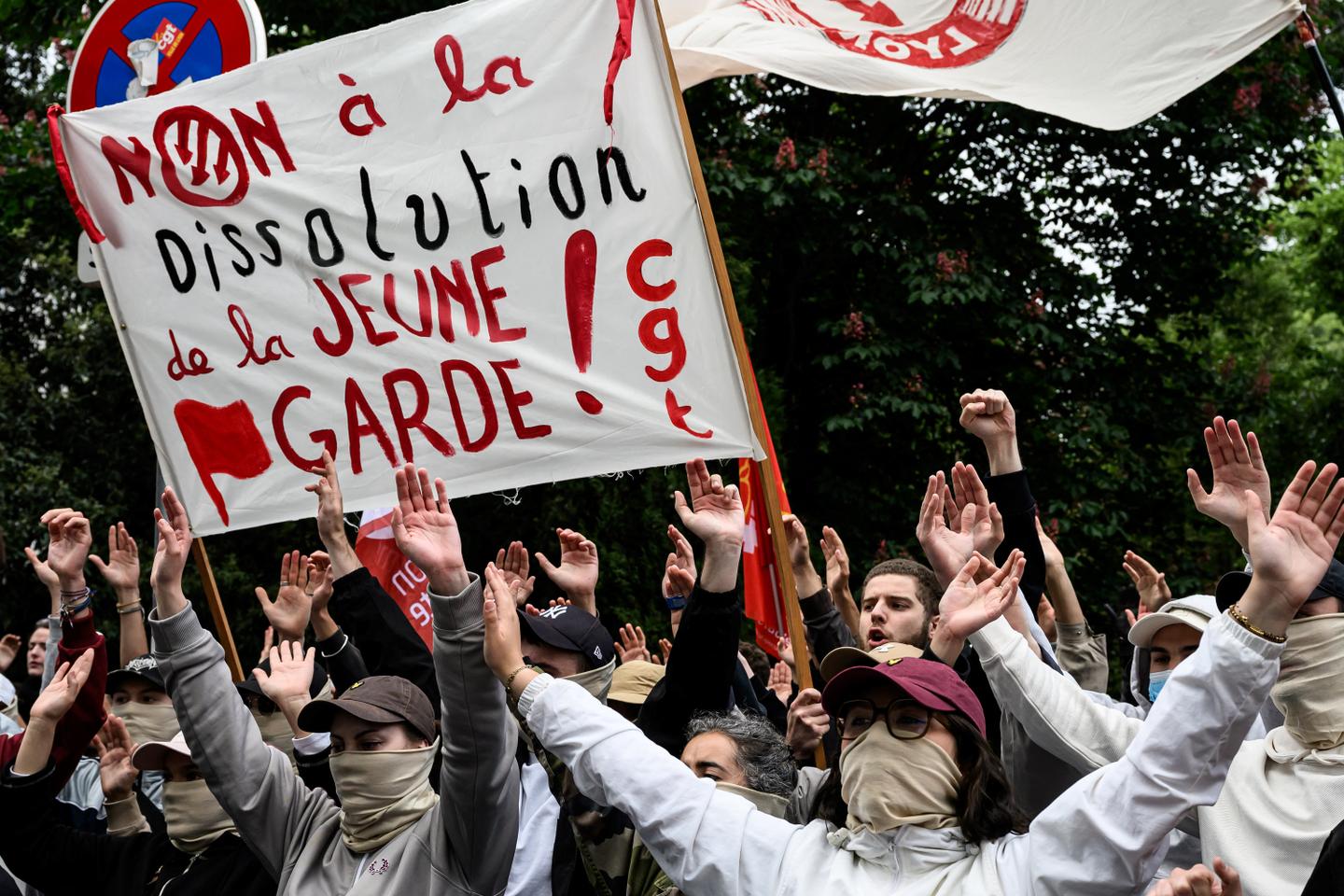
A demonstration against the dissolution of the antifascist group Jeune Garde, in Lyon, France, on May 6, 2025. JEAN-PHILIPPE KSIAZEK/AFP
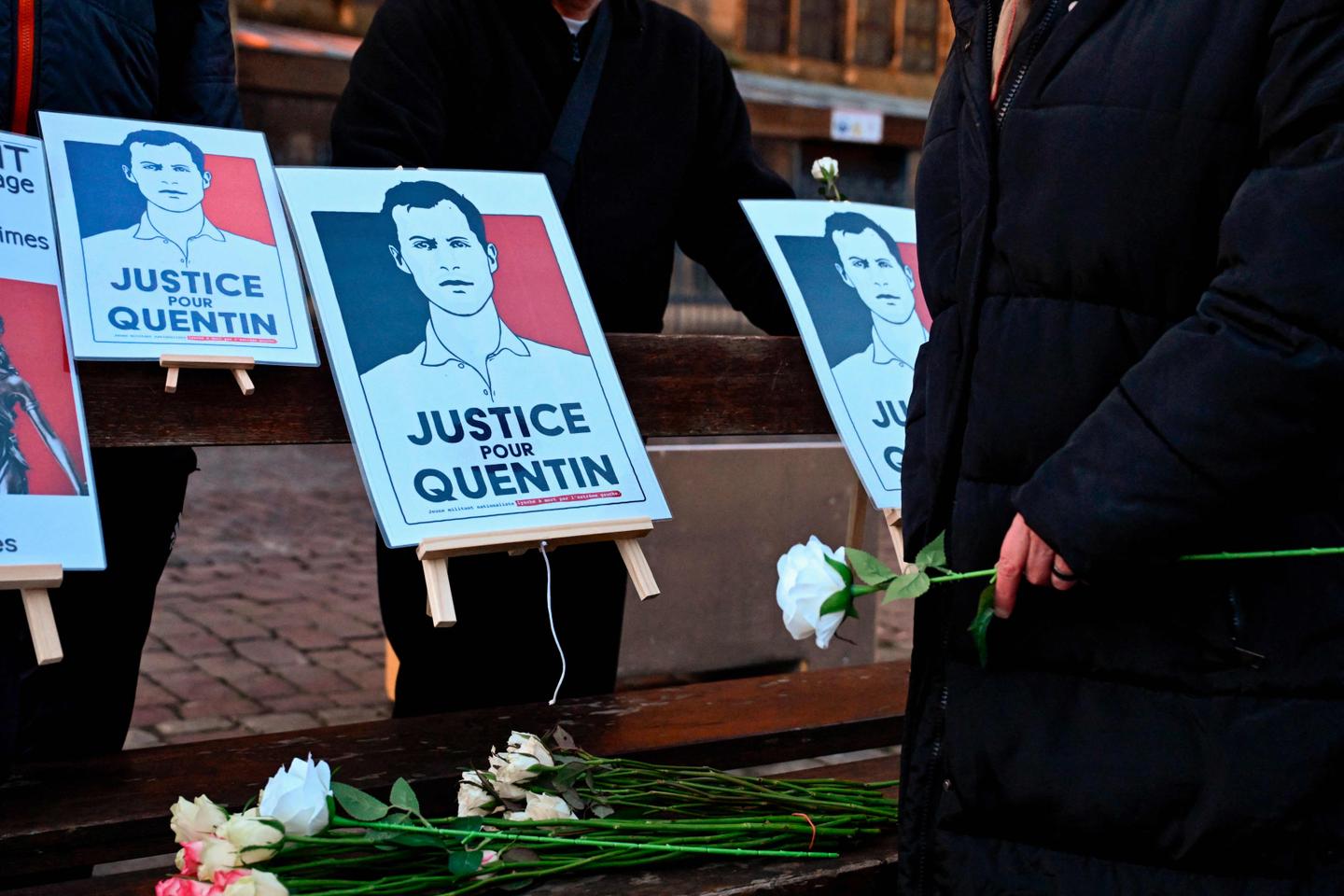
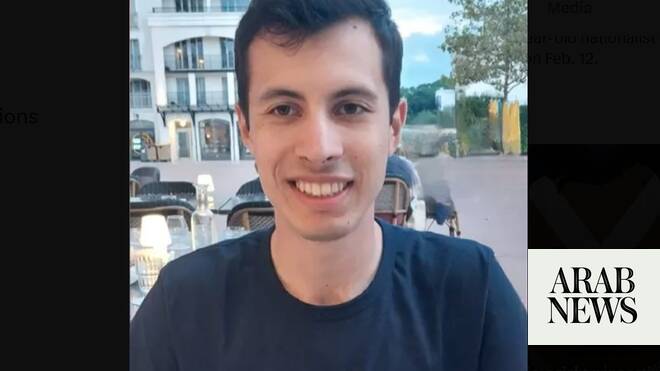
On February 24, 10 days after radical far-right activist Quentin Deranque's death, President Emmanuel Macron personally took charge of the government's response to the tragic incident, which has become the symbol of a resurgence of political violence in France.
The president convened an interministerial meeting at the Elysée on Tuesday, comprised of Interior Minister Laurent Nuñez, Justice Minister Gérald Darmanin, government spokesperson Maud Bregeon and some intelligence agency officials. While Prime Minister Sébastien Lecornu had initially been due to attend, he was instead represented by some of his advisers, as he had previously committed to an appearance at the Paris International Agricultural Show.
The high-level meeting aimed to demonstrate that the government was taking the issue of "ultra movements" seriously, going beyond reacting to the latest headlines. "This is something the president has established over several years," one participant at the meeting told Le Monde, adding that since Macron's first election, in 2017, 24 groups linked to "violent subversion" have been dissolved (19 ultraright groups and five from the ultraleft).