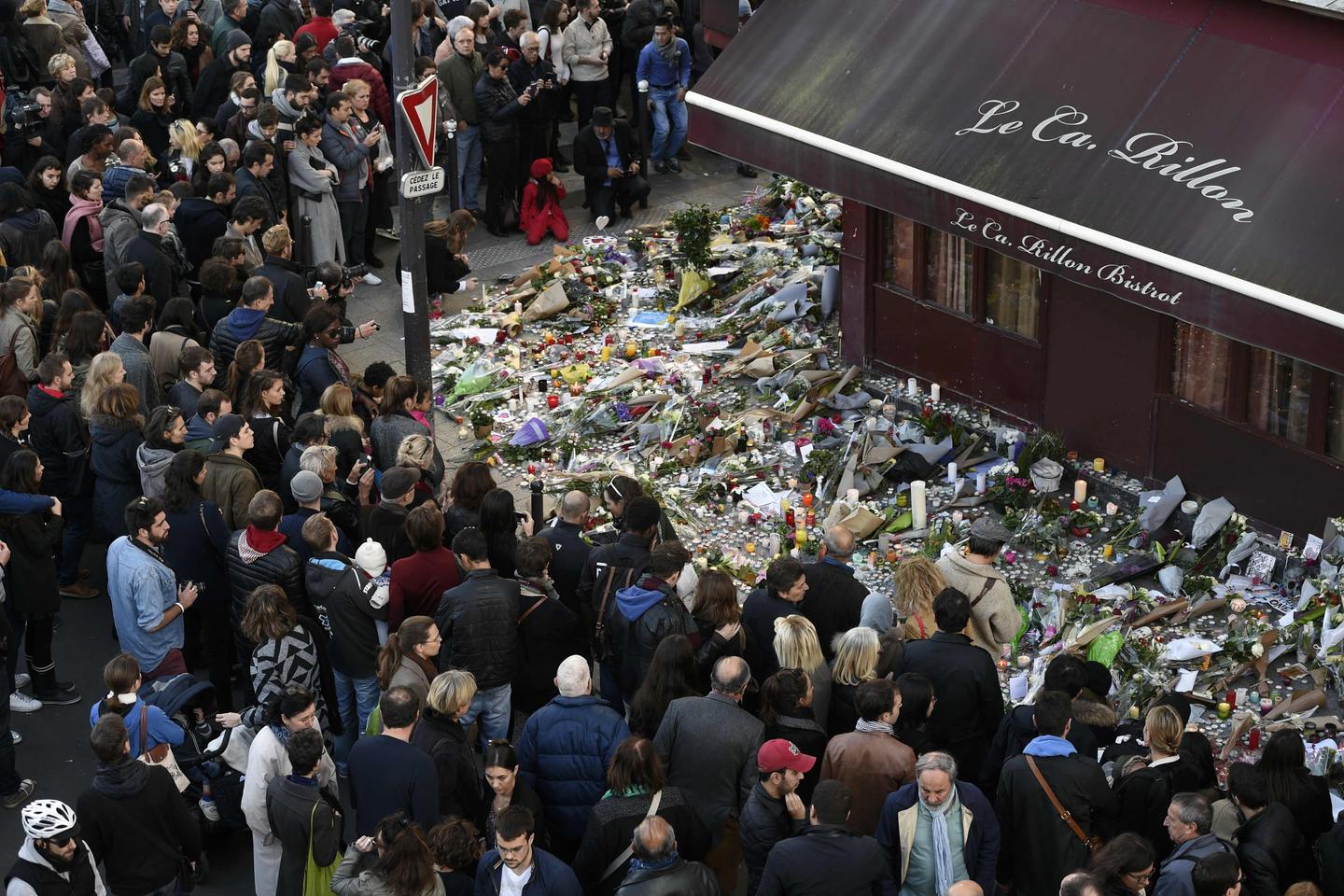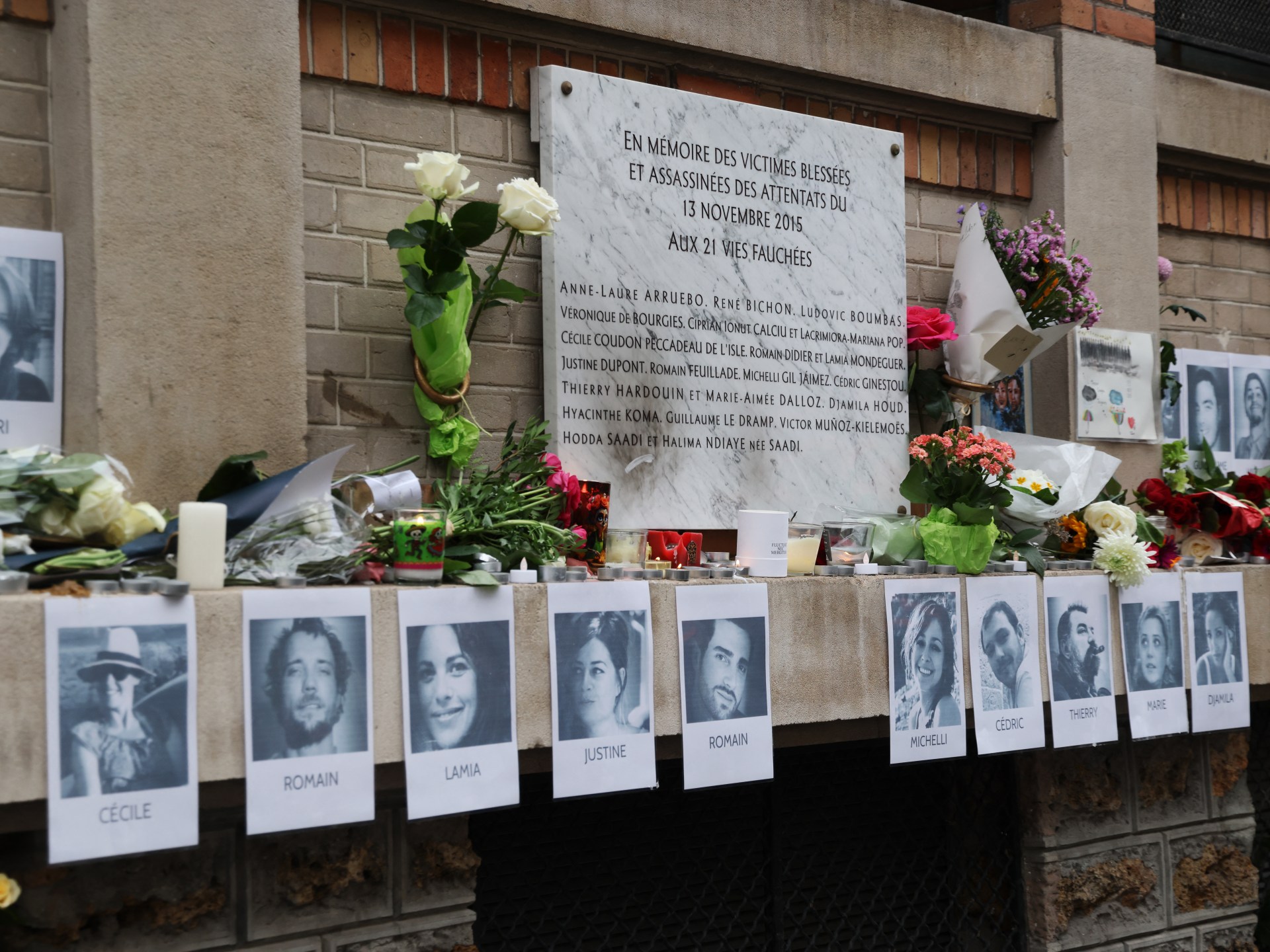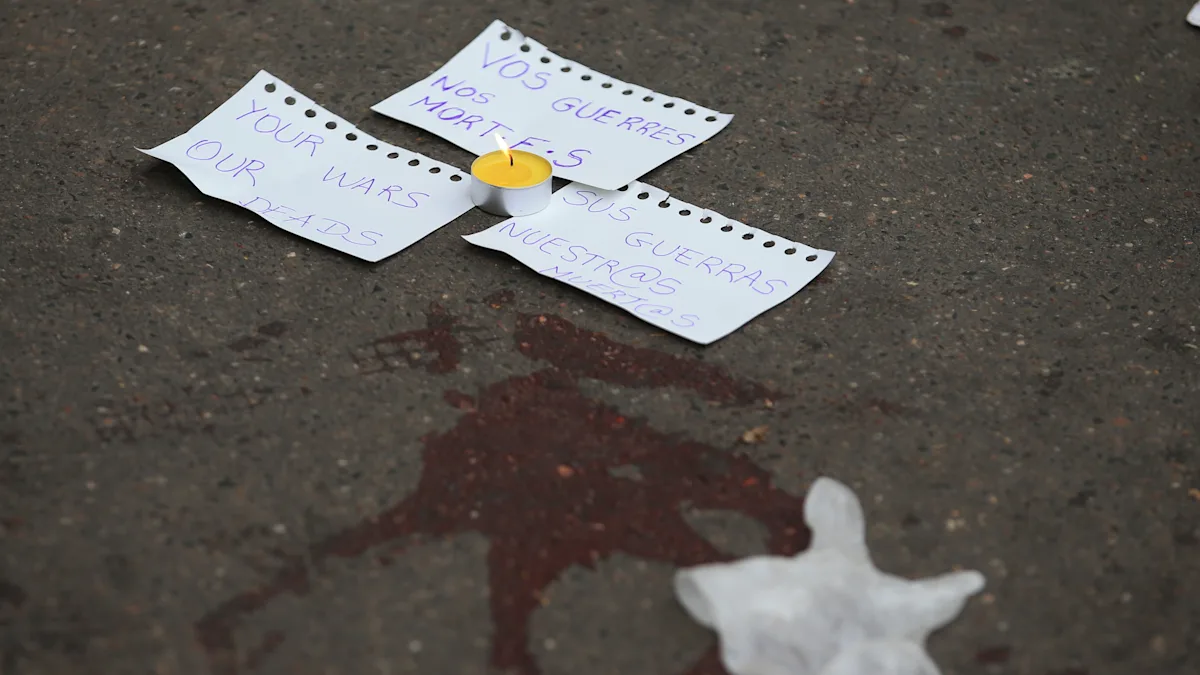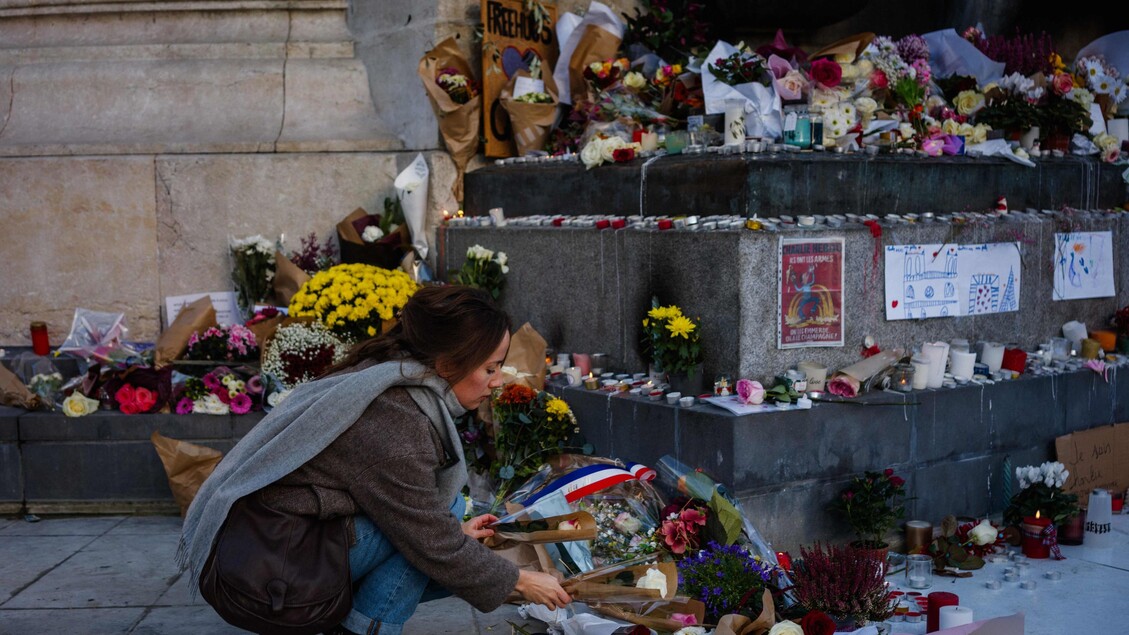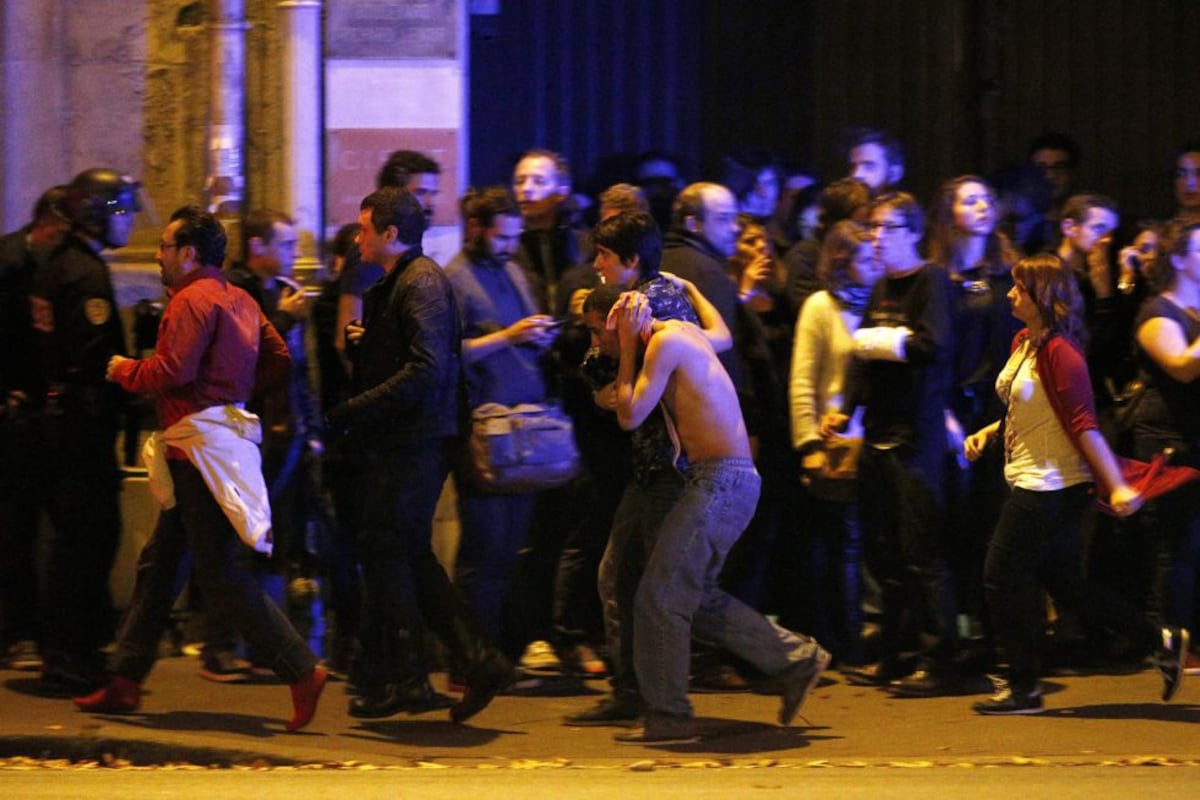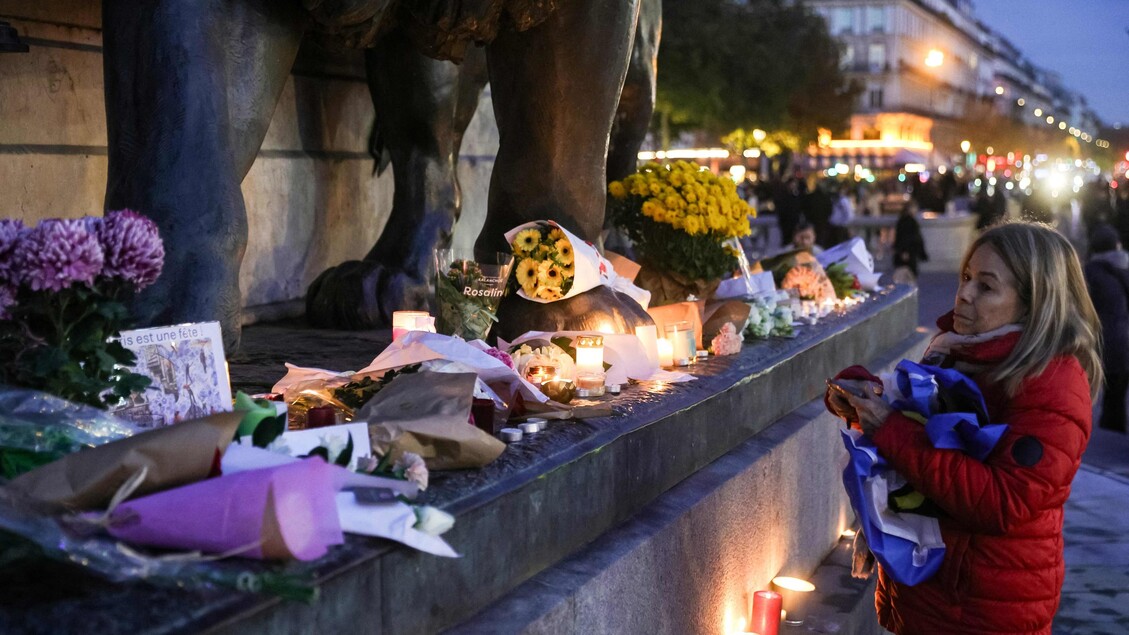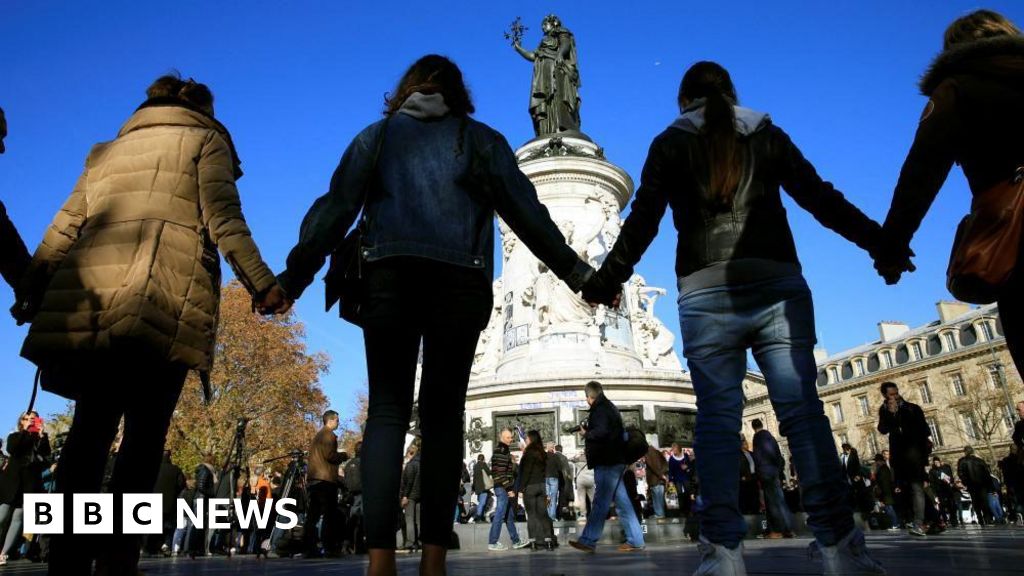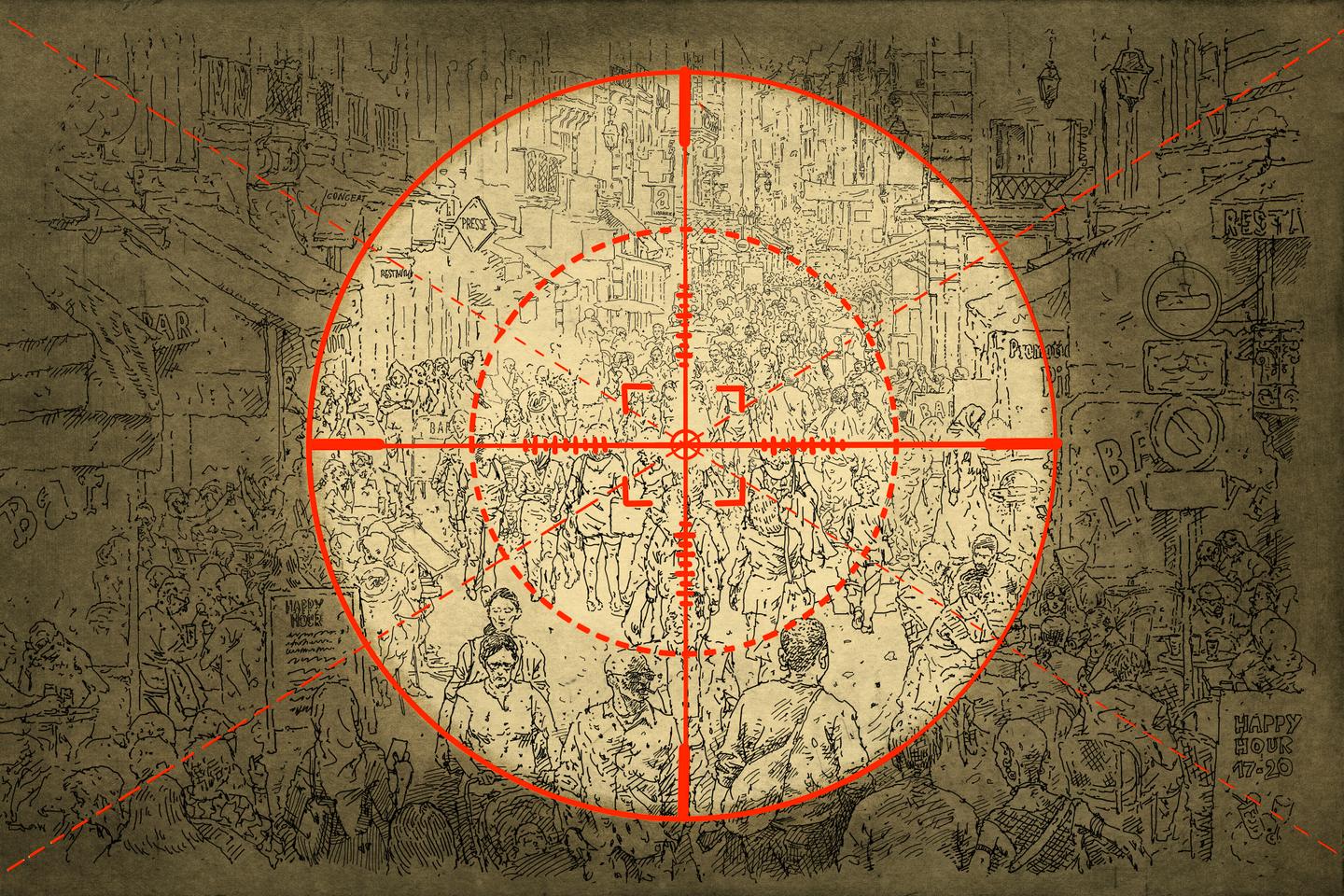
Paris woke up from a night of carnage on November 14, 2015. The country was still counting its dead when a debate as old as terrorism itself was already stirring society: Was France attacked because of its "values," as several political leaders quickly claimed, or because of its military operations, as suggested by an old slogan – "Your wars, our dead" – revived by the radical left New Anticapitalist Party, in a statement published the day after the massacre?
To put it another way, is France an ontological enemy of terrorists, or a strategic target? Because of its dichotomous nature, the question hinders any attempt to analyze the deeper motivations behind the largest jihadist attack ever carried out on French soil – that of November 13, 2015, which left 132 dead (including two suicides after the attacks). Jihadism is a complex phenomenon, fueled by its own ambiguities and not without contradictions.
In its claim of responsibility, the Islamic State group (IS) itself maintained this ambiguity. While the statement described Paris as the "capital of abominations and perversion," making it an ideological adversary, it also specified that France was targeted both for "daring to insult the Prophet" and "boasting of fighting Islam in France," but also for striking "Muslims in the land of the caliphate with their planes."