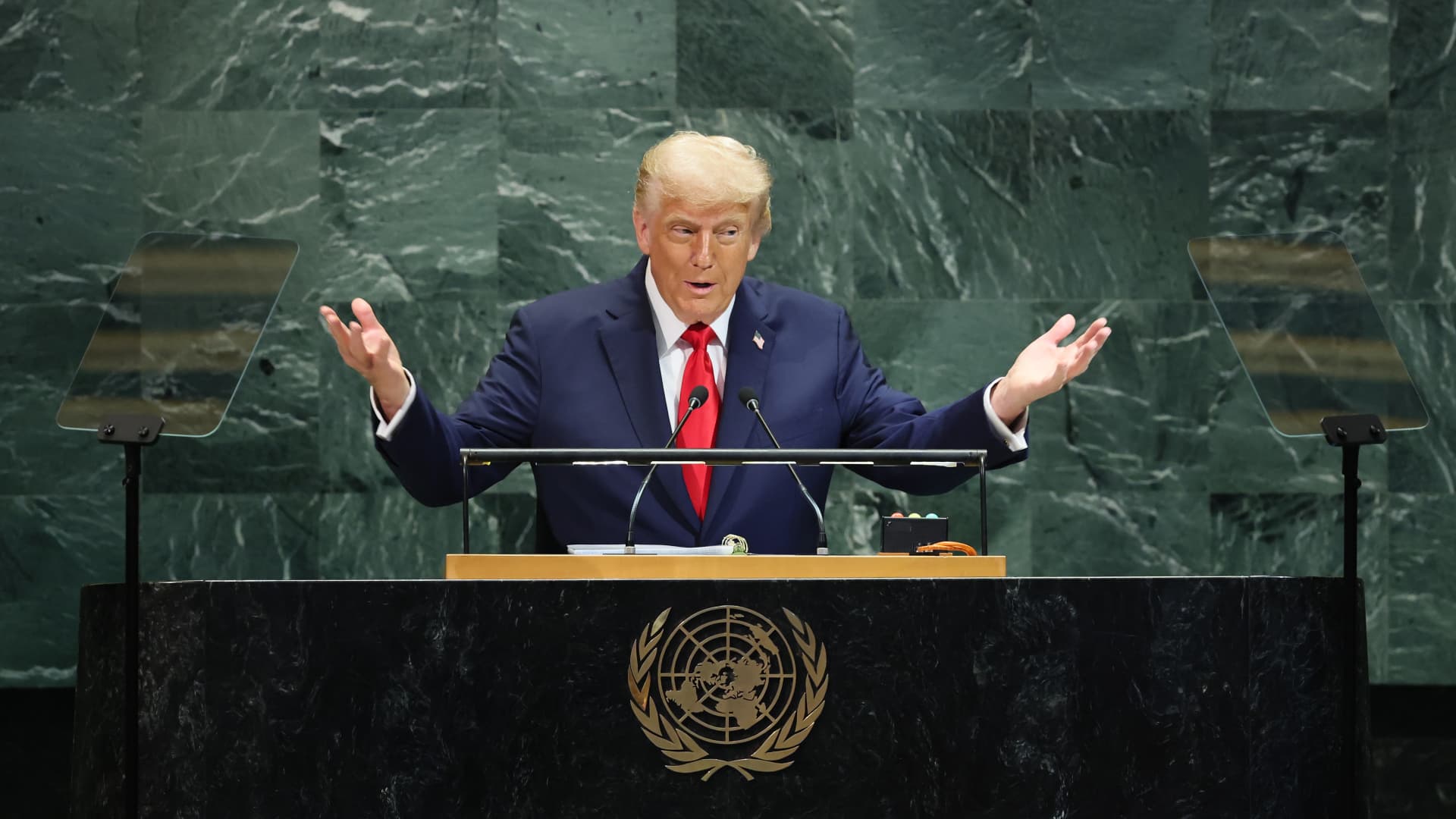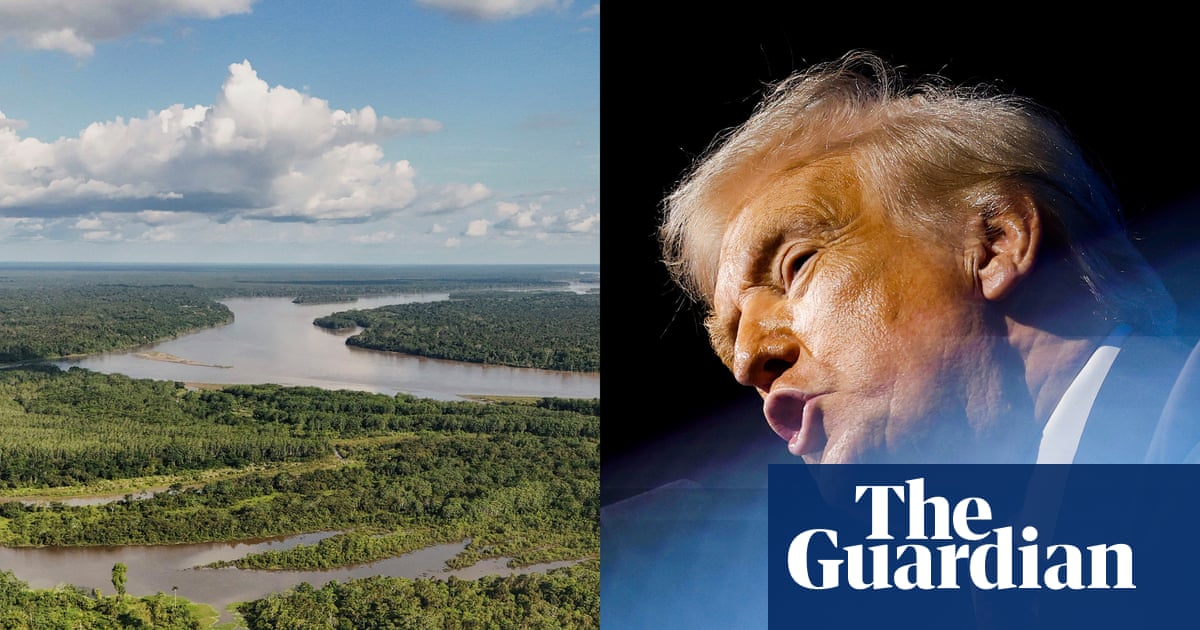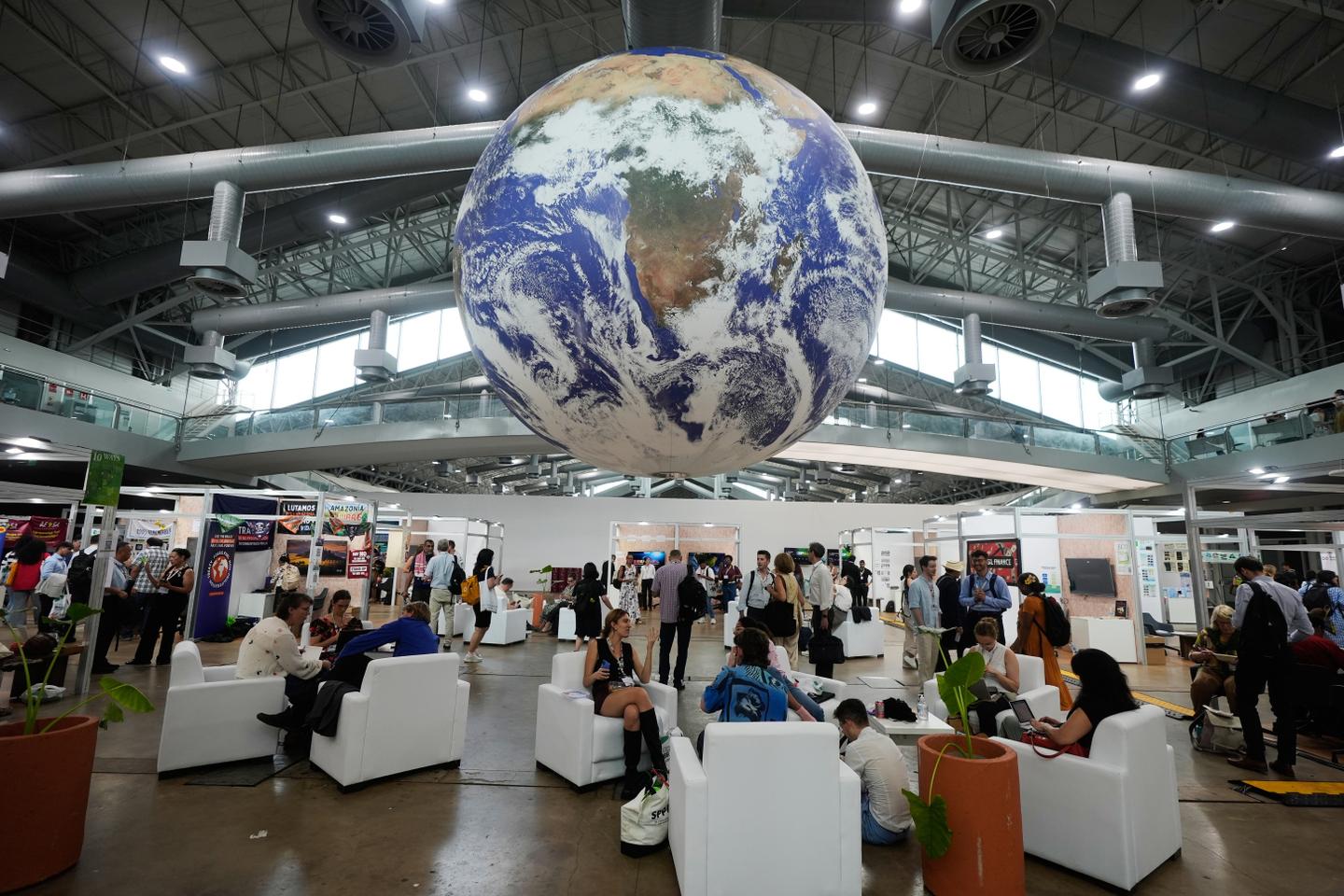
onald Trump, the frustrated Nobel Peace Prize hopeful, has turned the Department of Defense into the Department of War, launched attacks in the Caribbean, threatened military intervention against the regime of Nicolas Maduro and the authorities in Abuja, Nigeria, depending on the mood of the day. His erratic diplomacy has nonetheless shown some enduring traits. One is a thirst for power, and the other is an aggressive trope for climate denialism. The president of the United States has clearly failed to realize that these two constants can be contradictory, as illustrated by the COP30 climate summit, which opened Monday, November 10, in Belem, Brazil.
Subscribers only
COP30: 'Allowing temperatures to exceed 1.5°C would not only violate the Paris Agreement, but would also erode the integrity of international cooperation itself'
Expectations were low to begin with – even before Trump returned to power. Climate diplomacy has weakened due to short-term thinking and the return of war to Europe, which has upended priorities. The COP30 negotiations therefore promised to be delicate, and their conclusions, as with the previous summit, were likely to disappoint.
But what is at stake in Belem is also, in geopolitical terms, the assertion of a Global South. The concept remains controversial, since it might be more accurate to speak of "Global Souths" – a plural that better reflects the lack of alignment among them, as shown by the disparate realities of the BRICS (Brazil, Russia, India, China and South Africa), an alternative club that does plenty of talking but little doing. Yet these "Souths," for all their differences, share at least one thing: a broadly rational approach to what science tells us about global warming and its causes.