https://arab.news/cx84n
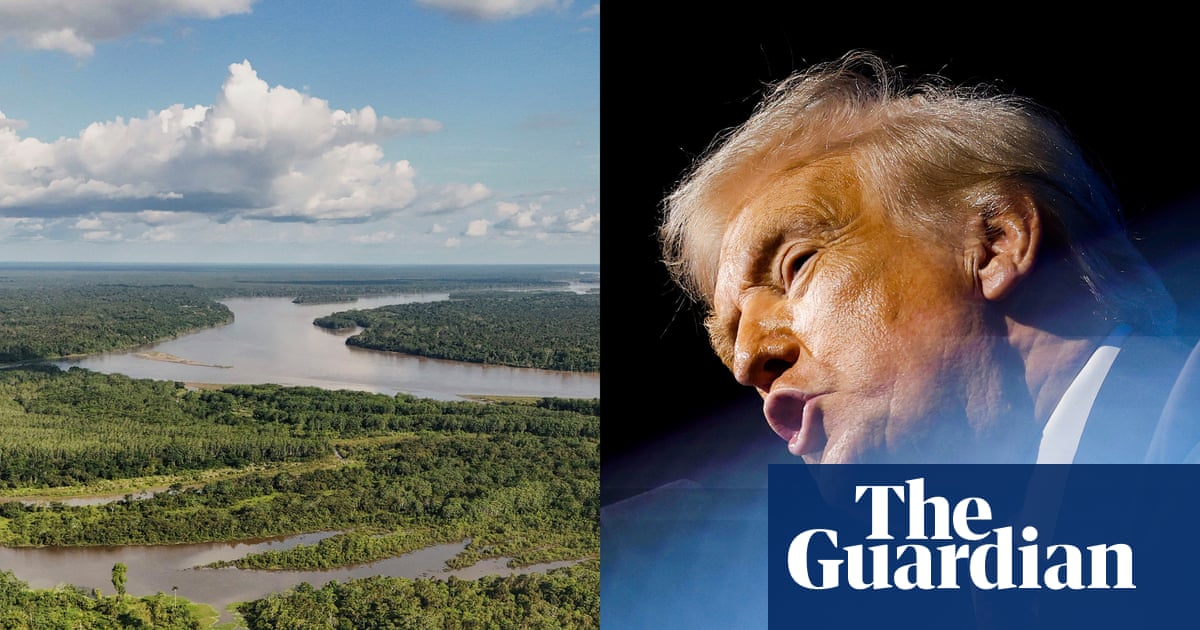
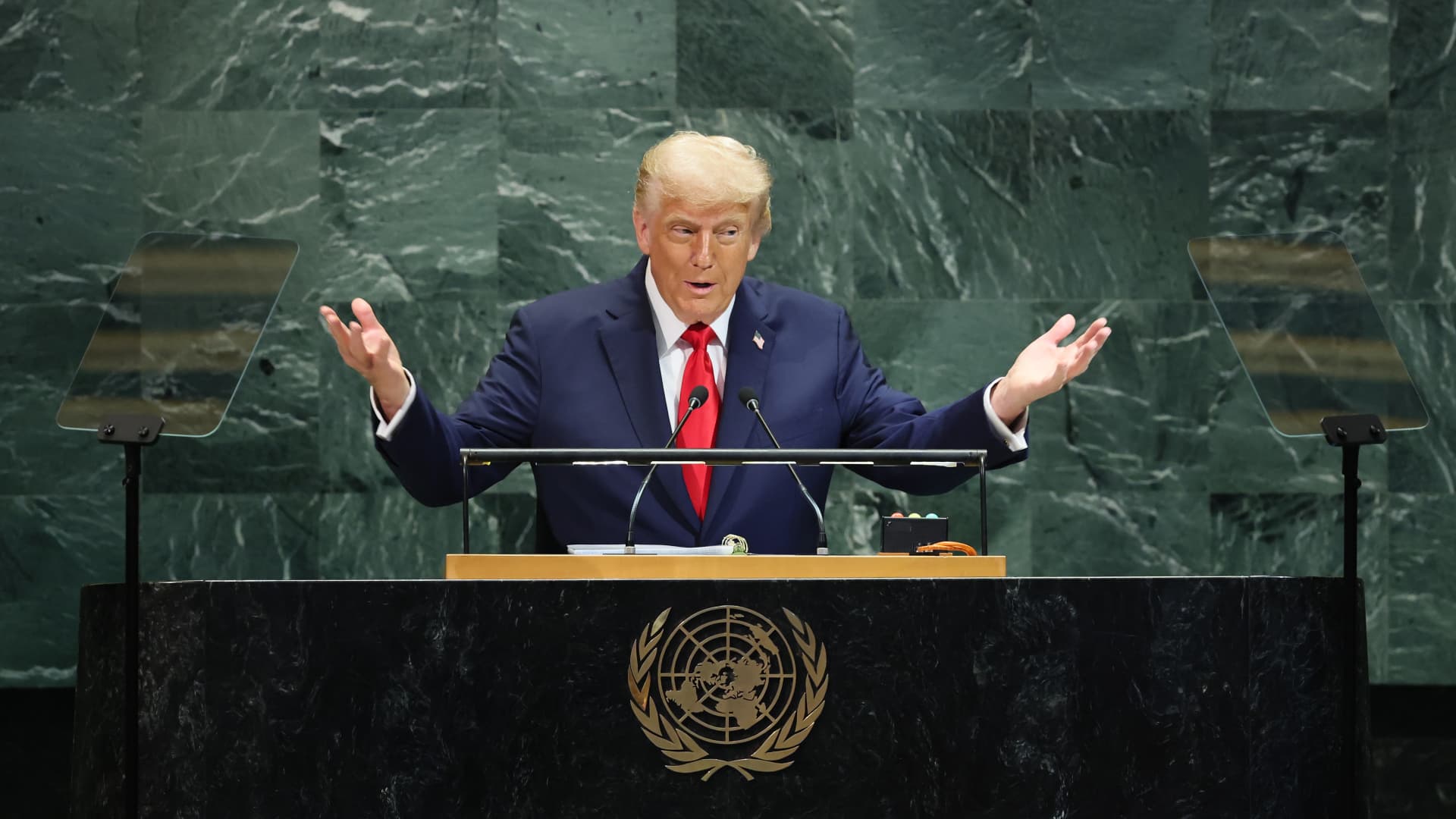
Of all the seismic geopolitical shifts in recent years, perhaps the most striking is the West’s rapid decline as a force in global climate governance. Under President Donald Trump’s second administration, the US has become both more aggressive and more isolationist. Meanwhile, the EU has grown timid, fragmented, and inward-looking. Will the Global South, especially Brazil, South Africa, India, and China, step up to fill the climate leadership vacuum?
In 1972, at the UN’s first major environmental conference in Stockholm, Indian Prime Minister Indira Gandhi famously declared: “Poverty is the worst form of pollution.” To this day, the Global South grapples with the challenge of pursuing sustainable development while promoting environmental responsibility. Many developing countries have long feared that climate policies might reinforce historical inequalities or constrain their growth. But now, the Global South has an opening to ensure that the international agenda reflects its priorities.
Many policymakers recognize the need for a change. While global cooperation has produced numerous important climate commitments, such as those made at the 1992 Rio Earth Summit and those contained in the 2015 Paris climate agreement, they remain largely unfulfilled. Moreover, financial support from the rich world has been well below what is needed, hindering climate action in developing countries, eroding trust in Western leaders, and lowering global ambitions.