The US president delights in his inconsistency. But his short-term victories have profound long-term costs for his country and the world
T
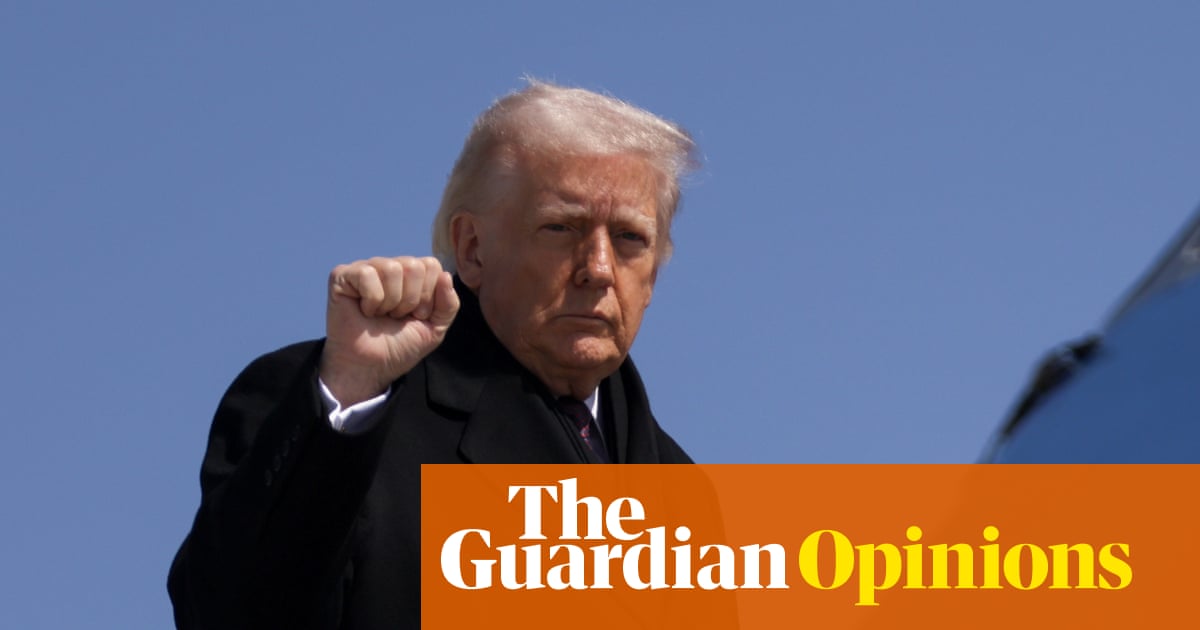
he Middle East was braced on Wednesday night, but the anxious petitioning of Gulf states and Iran’s attempts to appease the US president appeared to win out – at least for the moment. No bombs fell on Tehran. After all his threats, and with military options under discussion in Washington, Donald Trump stepped back, announcing that “the killing [of protesters] has stopped”.
Despite the telecommunications blackout, it seems clear that a ruthless regime has shed still more blood than in previous protest crackdowns. Rights groups say that thousands have been killed and vast numbers arrested; one official spoke of 2,000 deaths. Witnesses compared the streets to a war zone. If the large-scale killings have indeed ebbed, that is probably because Iranians have been terrified out of the streets – for now, at least. Iran’s foreign minister chose Fox News to insist no hangings were imminent, in case the identity of the message’s one-man audience was in any doubt. But while retribution may have been postponed, it will not be cancelled as it should be: the calls for the regime’s downfall are seen as an existential threat. The Iranian authorities can wait. Mr Trump will move on.