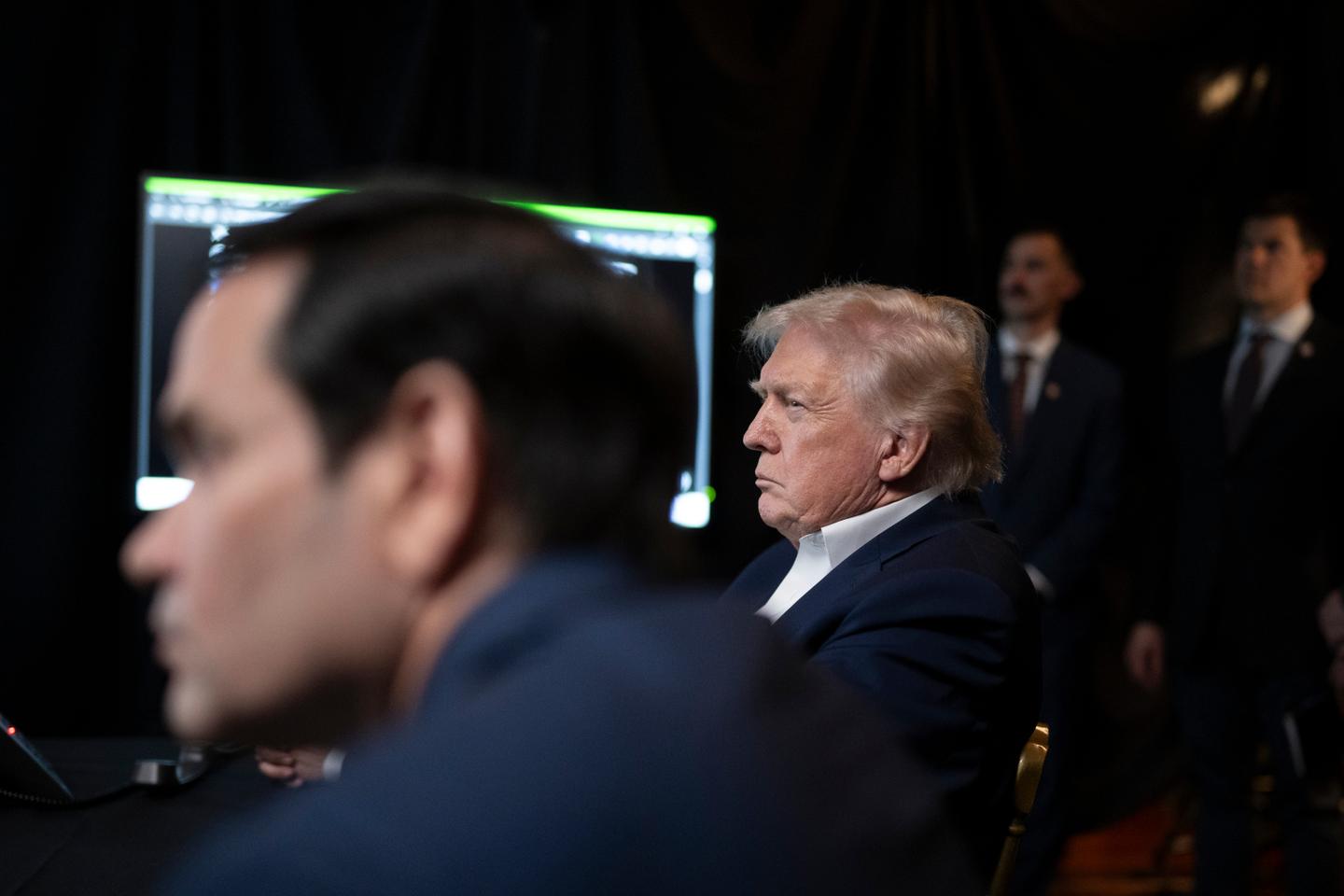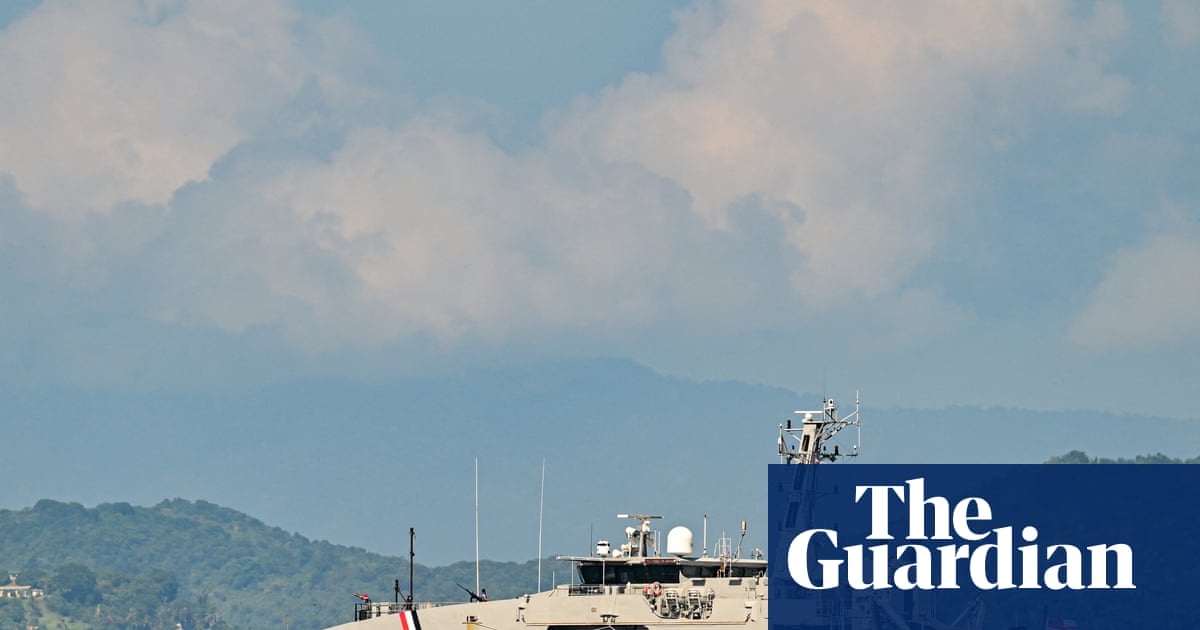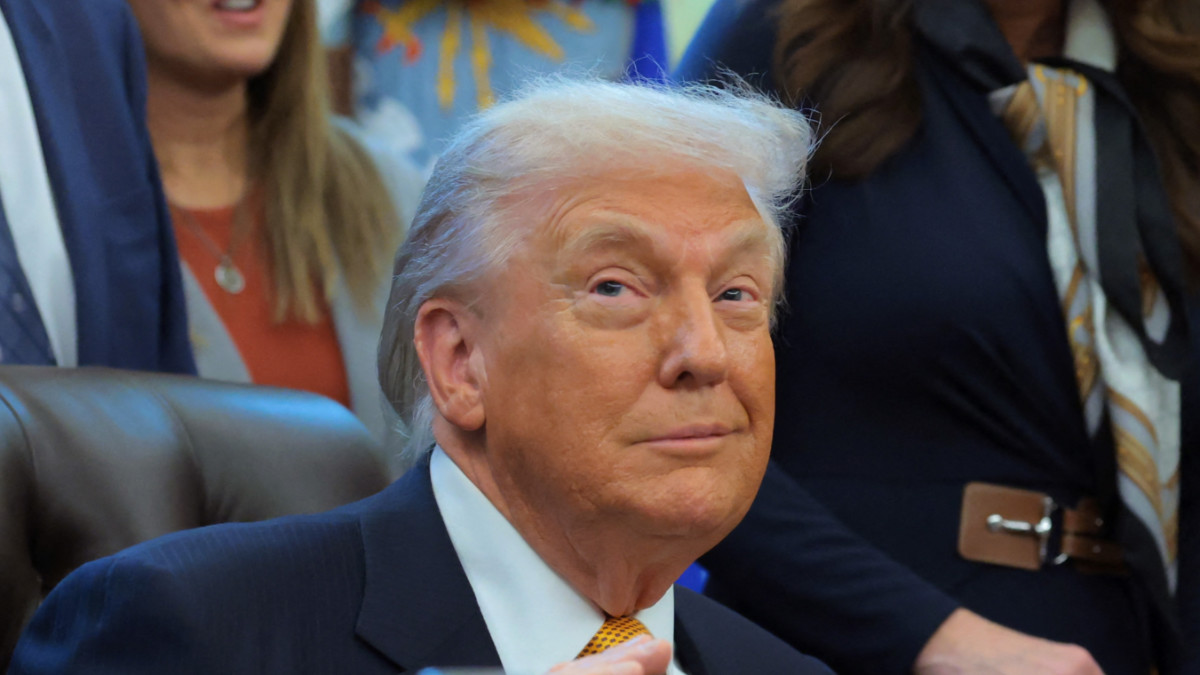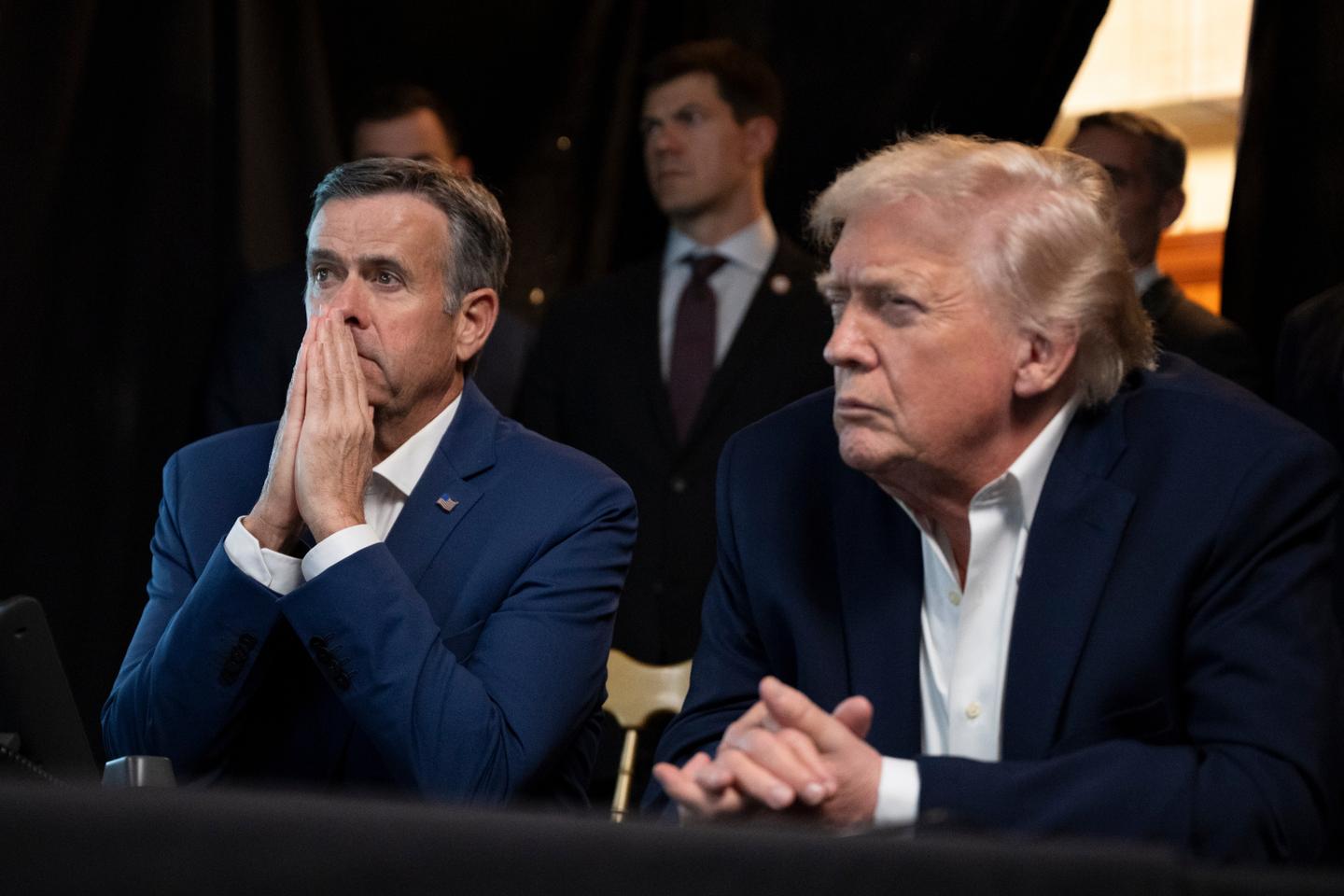
US President Donald Trump unveils the "Trump"-class ships at Mar-a-Lago in Palm Beach, Florida, on December 22, 2025. ERIC LEE/NYT-REDUX-REA
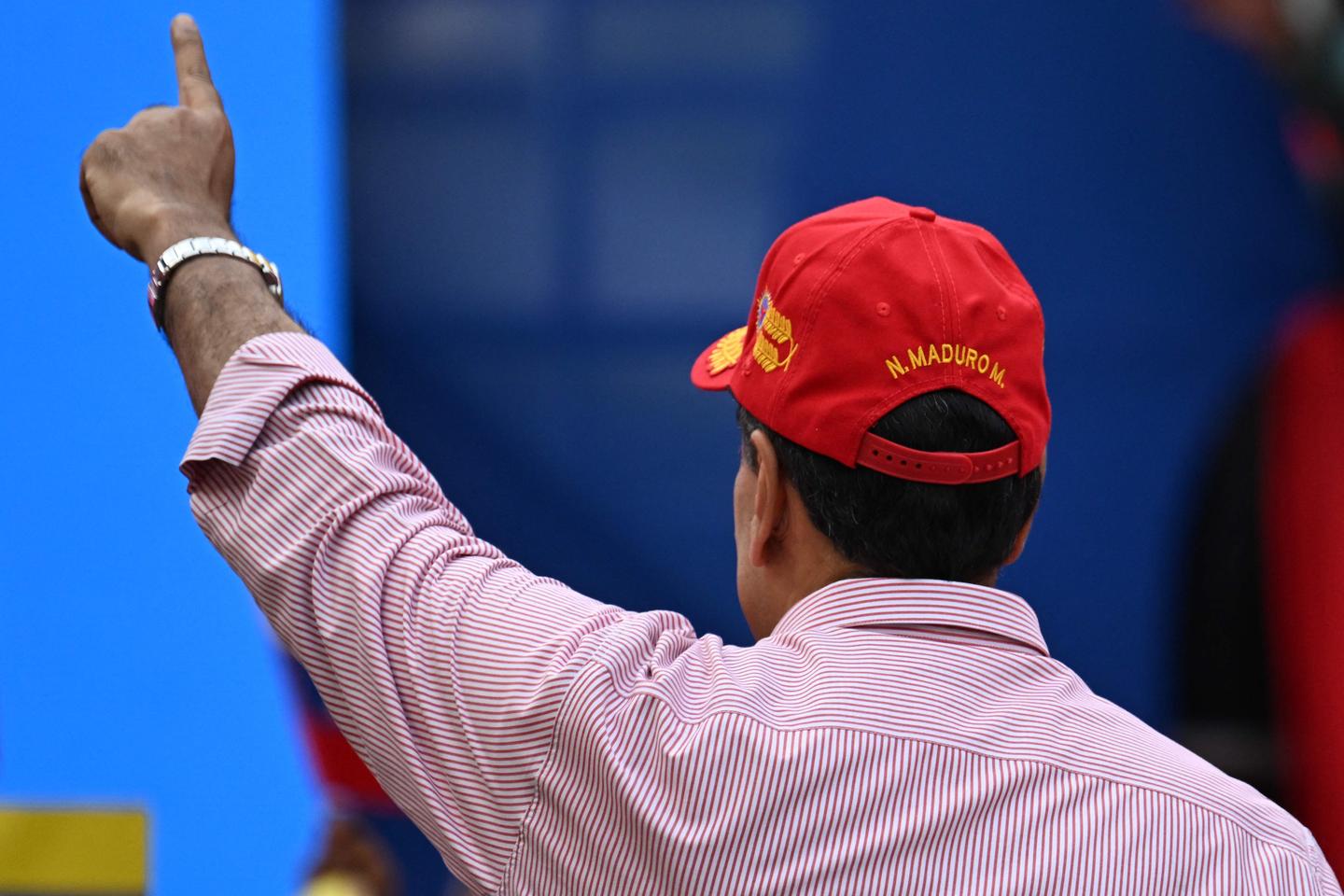
If there has been one challenge for analysts since the beginning of January, it has been to find clarity in the military strategy of the United States. Following the show of force orchestrated in Venezuela on January 3 to remove President Nicolas Maduro and President Donald Trump's proclaimed intentions to seize Greenland "one way or the other," numerous military and diplomatic sources have questioned the US's strategic direction. Washington has continuously postponed, since the summer of 2025, the release of its "Global Posture Review," a doctrinal document that traditionally sets the tone for American operational priorities and attempts to align political ambitions with the reality of its military capabilities.
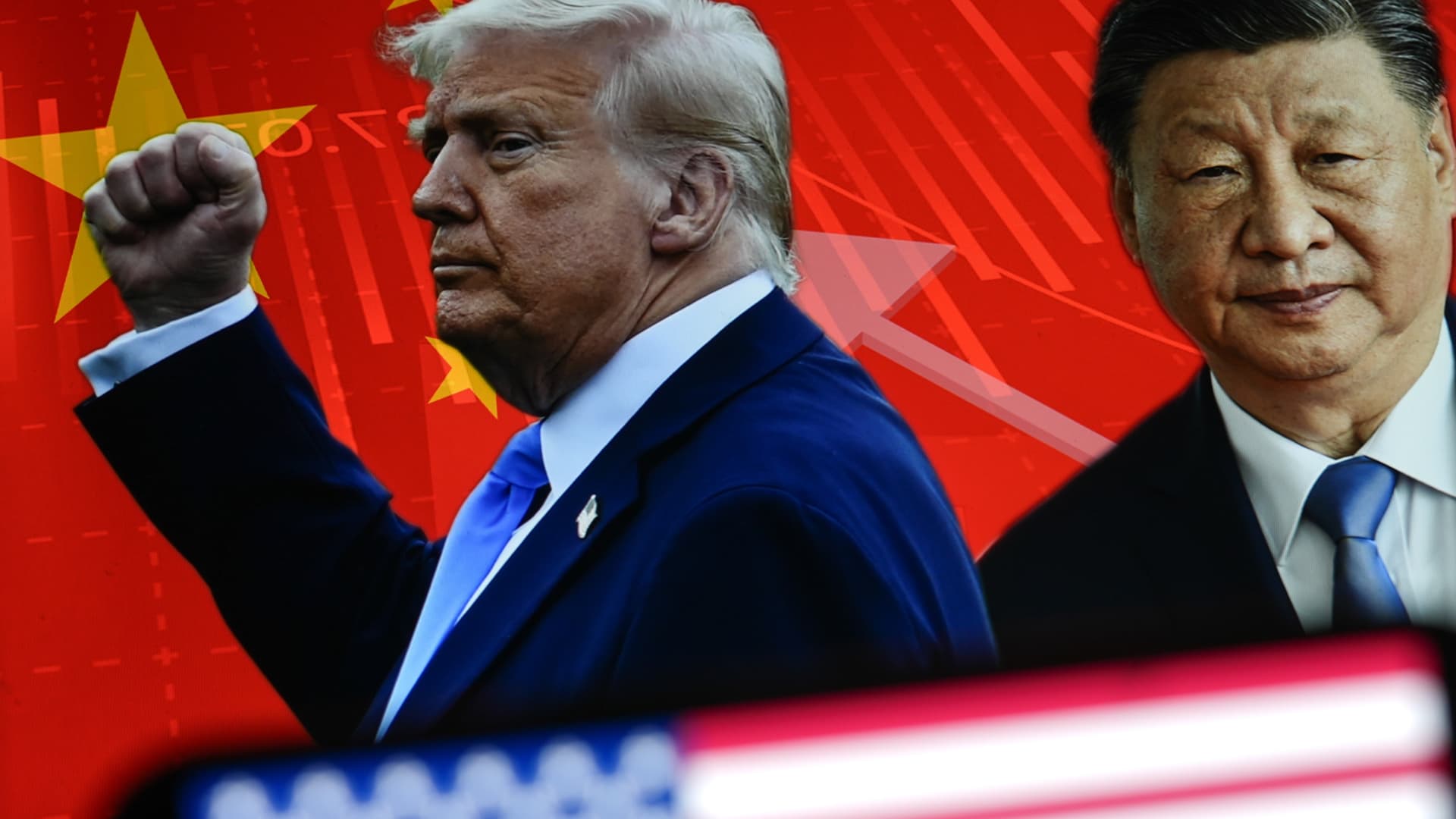
The operation in Venezuela, a longtime ally of Russia, defined the boundaries that the US now considers part of its national security interests. In doing so, the opening of a new theater even further stretched the American military, already highly engaged around the world. The strategy has raised many questions, especially as, even before Trump returned to the White House in January 2025, many officers, particularly within the Navy, had regularly warned of overextension. With an ongoing effort in the Caribbean region that appears likely to continue, "there is clearly a risk of military overload if tensions with China increase," said a European military source.