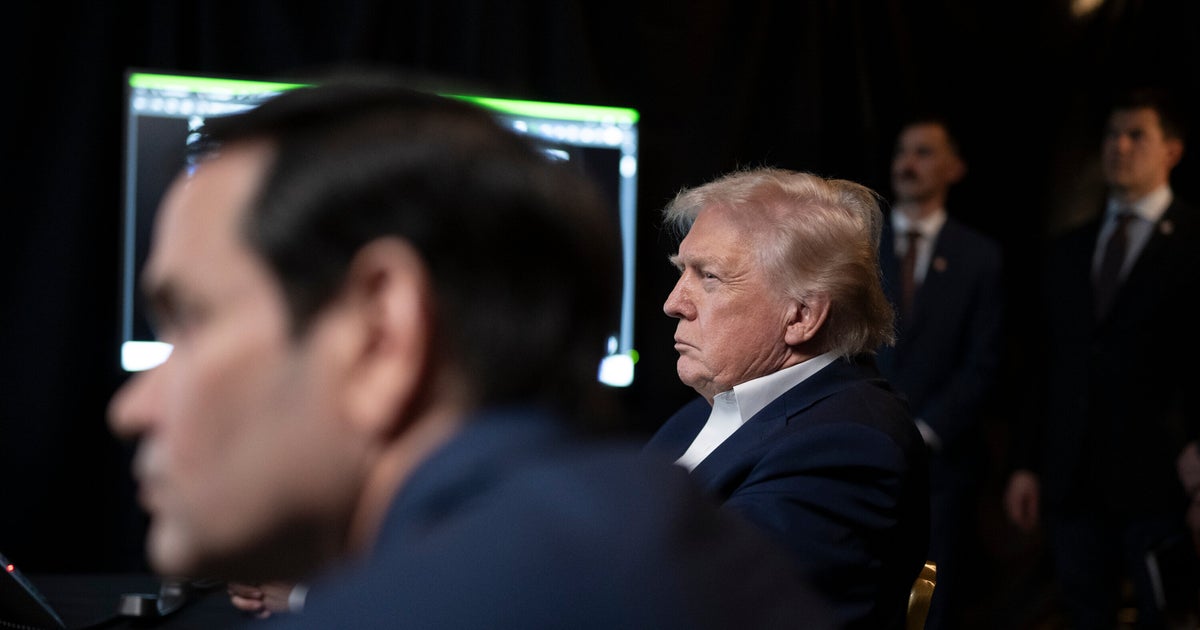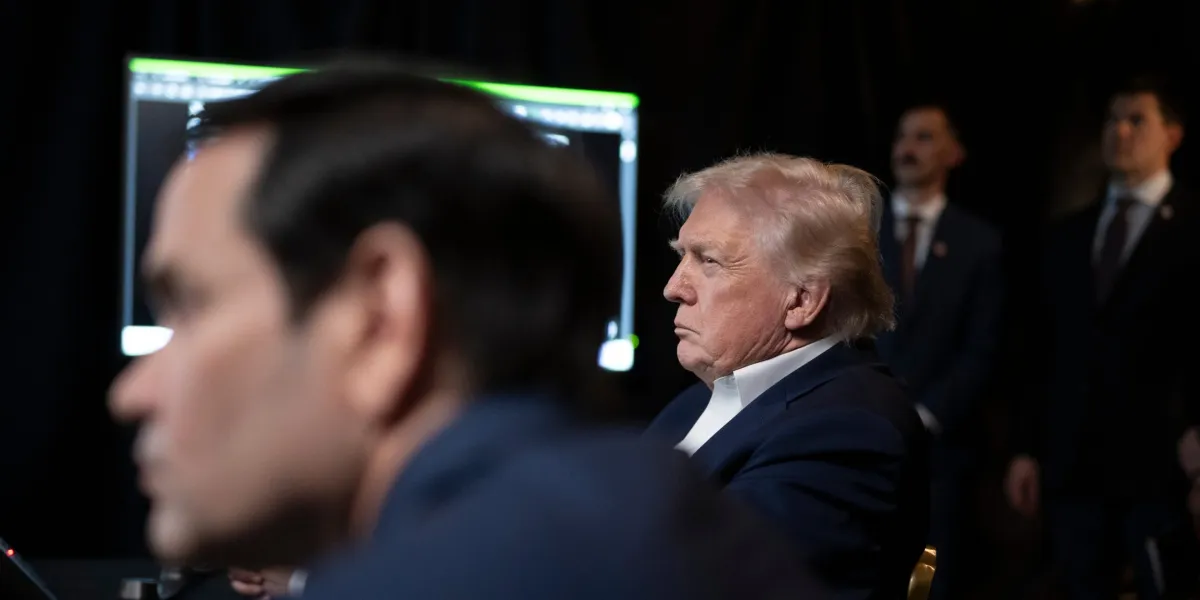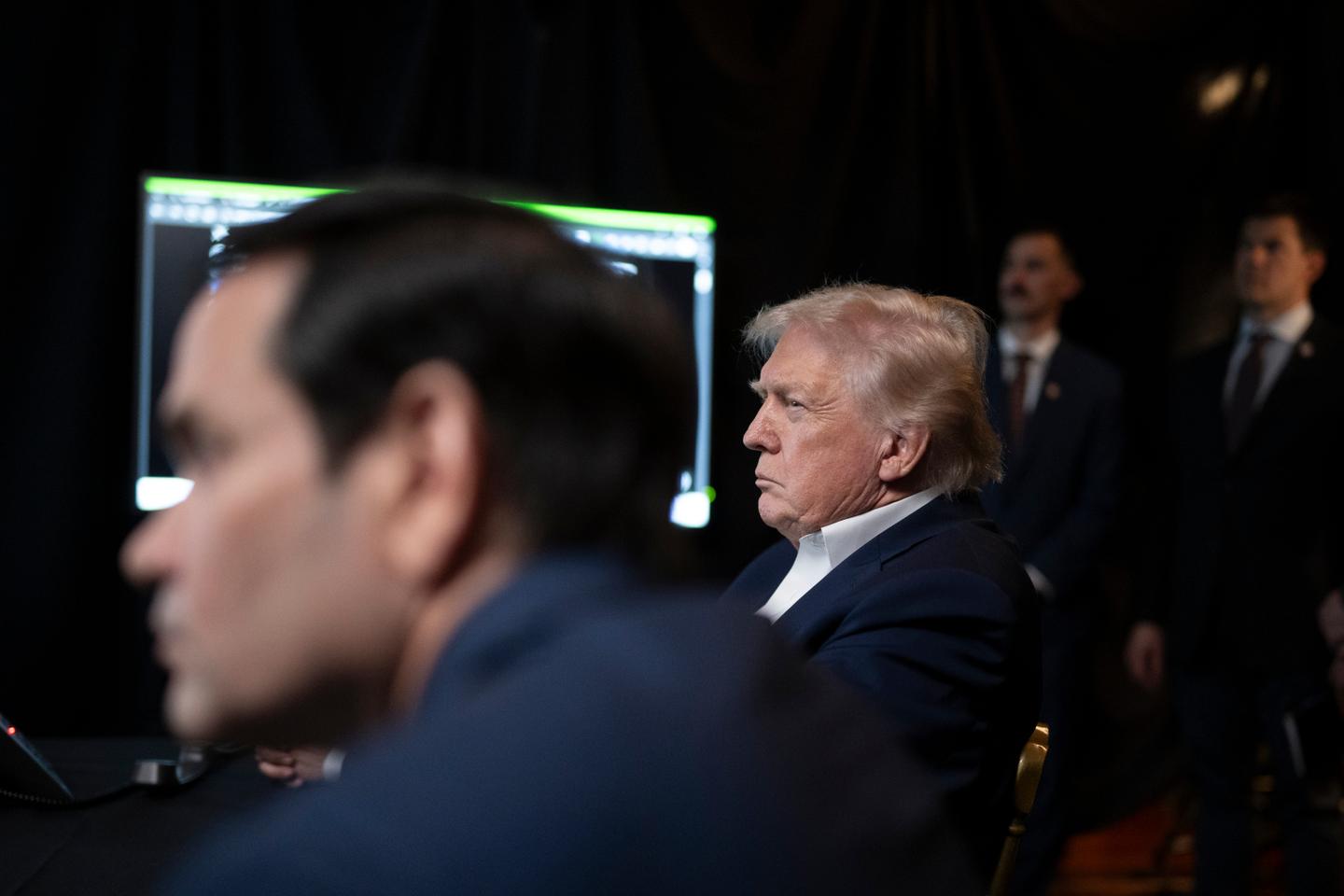
In this photo released by the White House, Donald Trump and Marco Rubio monitor the US military operation in Venezuela. At Mar-a-Lago, Palm Beach, Florida, January 3, 2026. MOLLY RILEY/MAISON BLANCHE VIA AP
As the initial shock wears off, the military operation to capture Nicolas Maduro and his wife, Cilia Flores, during the night of Friday, January 2 – known as "Operation Absolute Resolve" – is raising increasing questions in the United States. It's not so much the fall of Venezuela's leader, widely viewed as corrupt and authoritarian, that has raised eyebrows. Rather, while the special forces operation to arrest him was meticulously prepared, the following events have been less so.
Logistical questions abound. How does Donald Trump, for example, intend to "run" Venezuela from afar, given that the Chavista regime remains in power? Furthermore, can his administration continue to operate legally under the guise of fighting drug trafficking, which appears increasingly to have been a pretext to seize the country's oil reserves? Finally, and perhaps most importantly, has an unchecked version of American imperialism – helmed by Trump and adviser Stephen Miller and targeting Cuba, Colombia, Mexico, and even Greenland – become the country's official foreign policy?