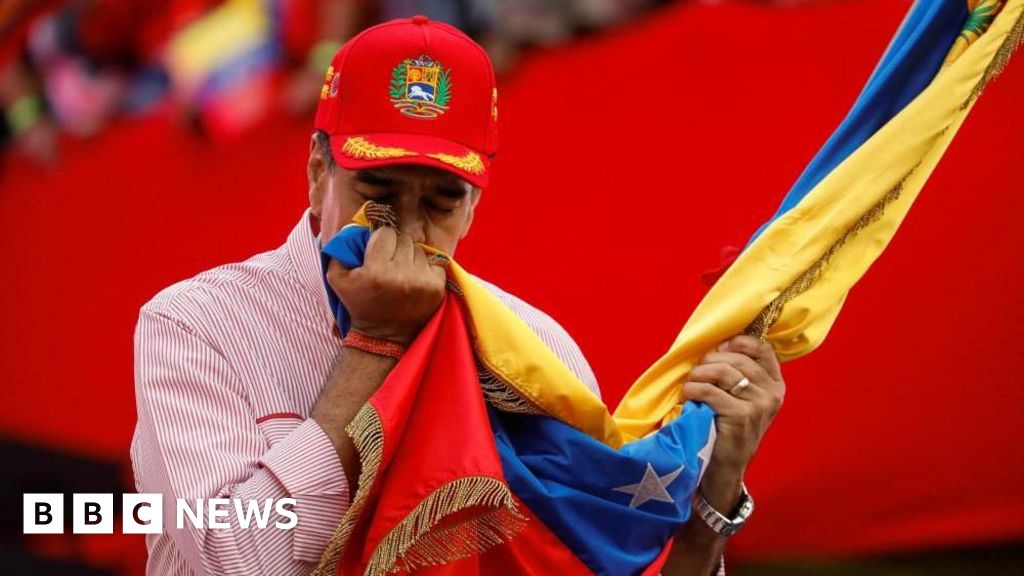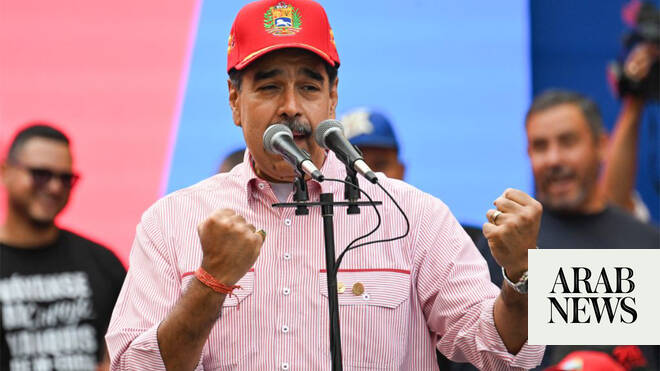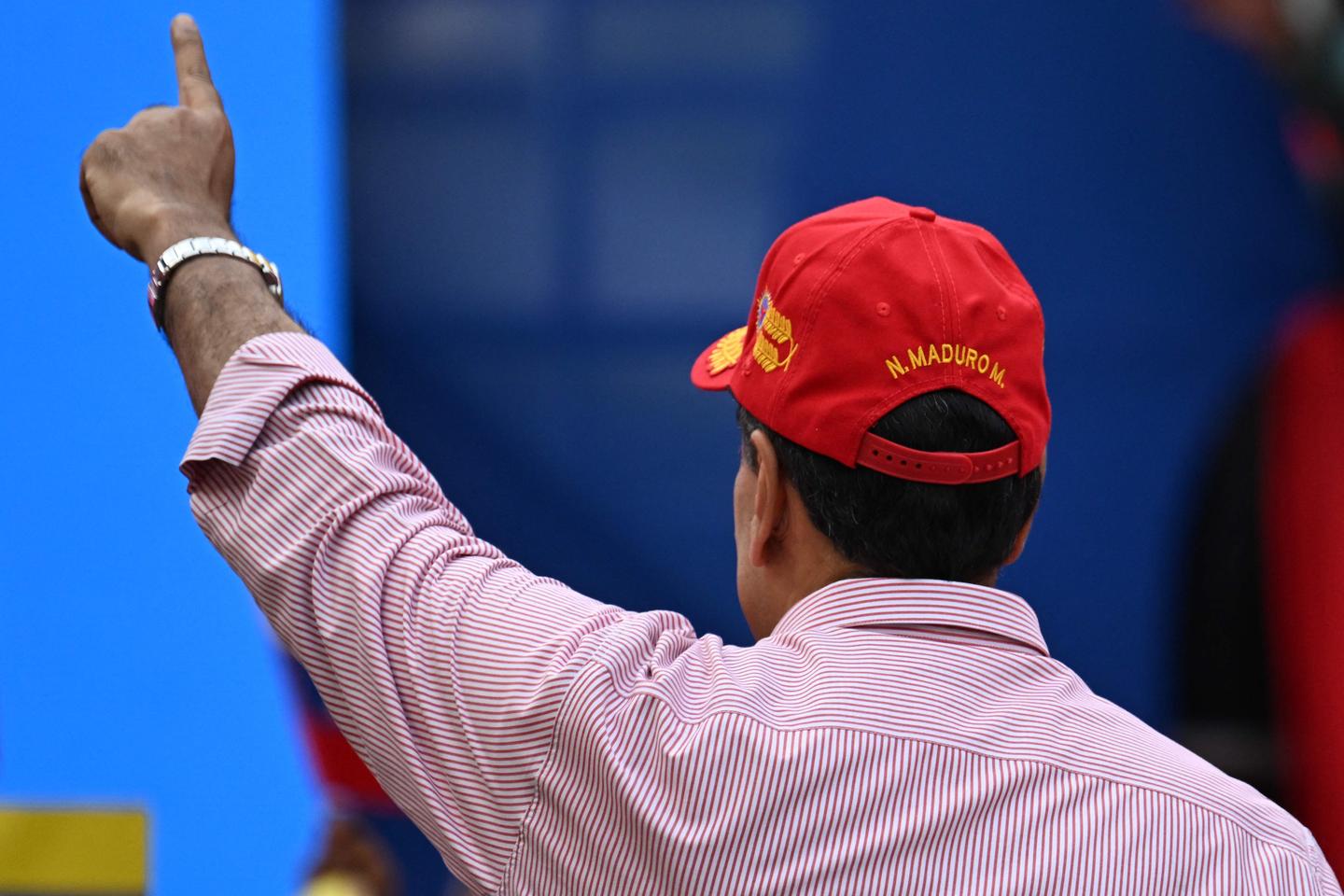
Venezuelan President Nicolas Maduro at a rally in Caracas, December 1, 2025. JUAN BARRETO / AFP
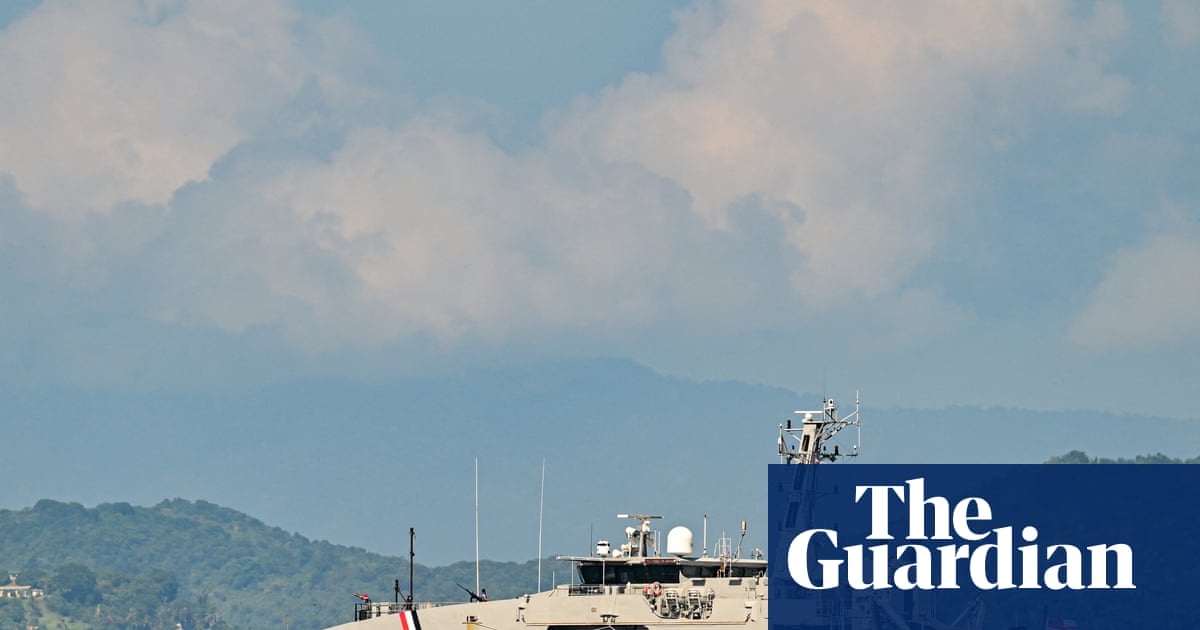
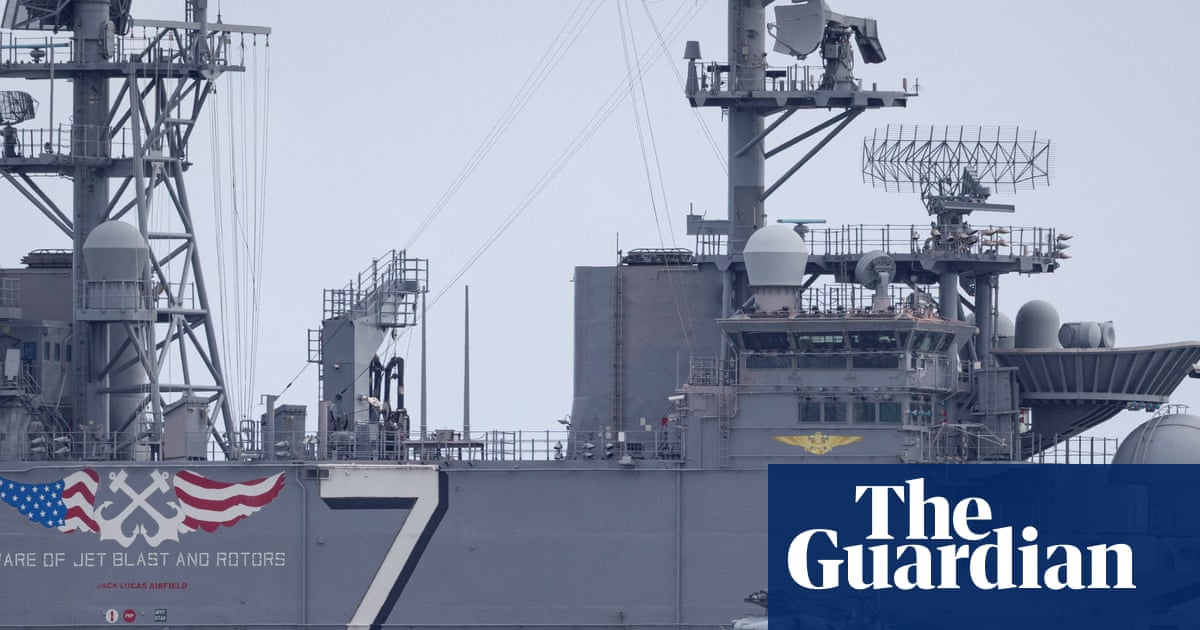
Warships and bombers in the Caribbean Sea await orders. Three months after the US military's deployment off the Venezuelan coast, Donald Trump still seems uncertain about which strategy to pursue. Nothing has moved, but tensions are rising. Venezuelan President Nicolas Maduro on Monday, December 1, condemned what he called "22 weeks of psychological terrorism."
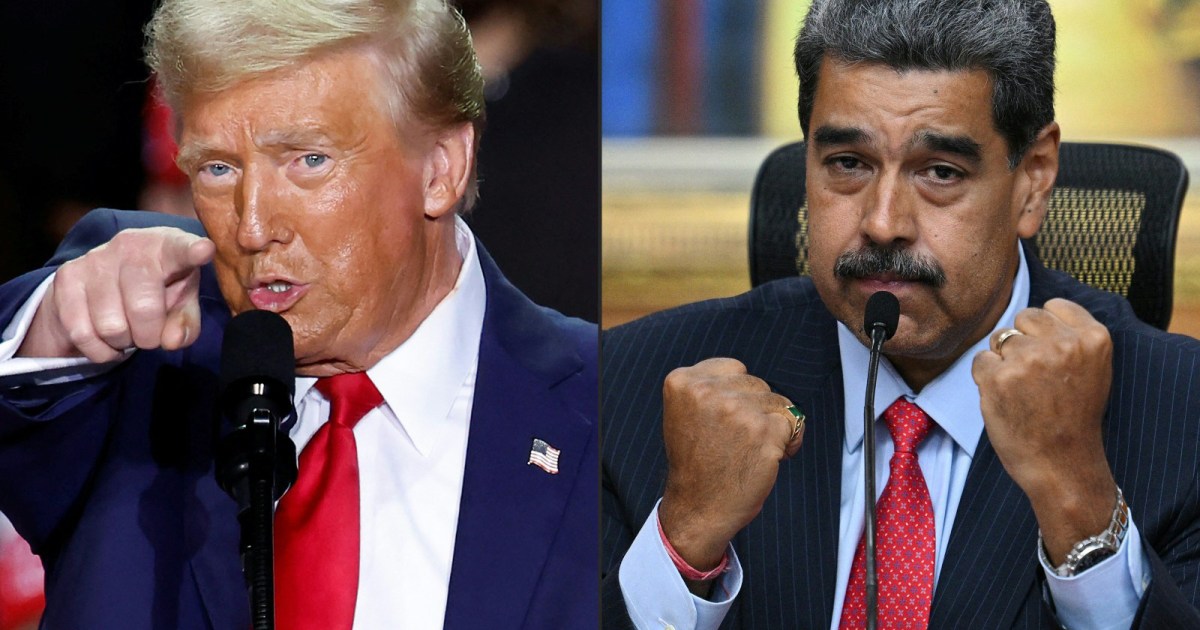
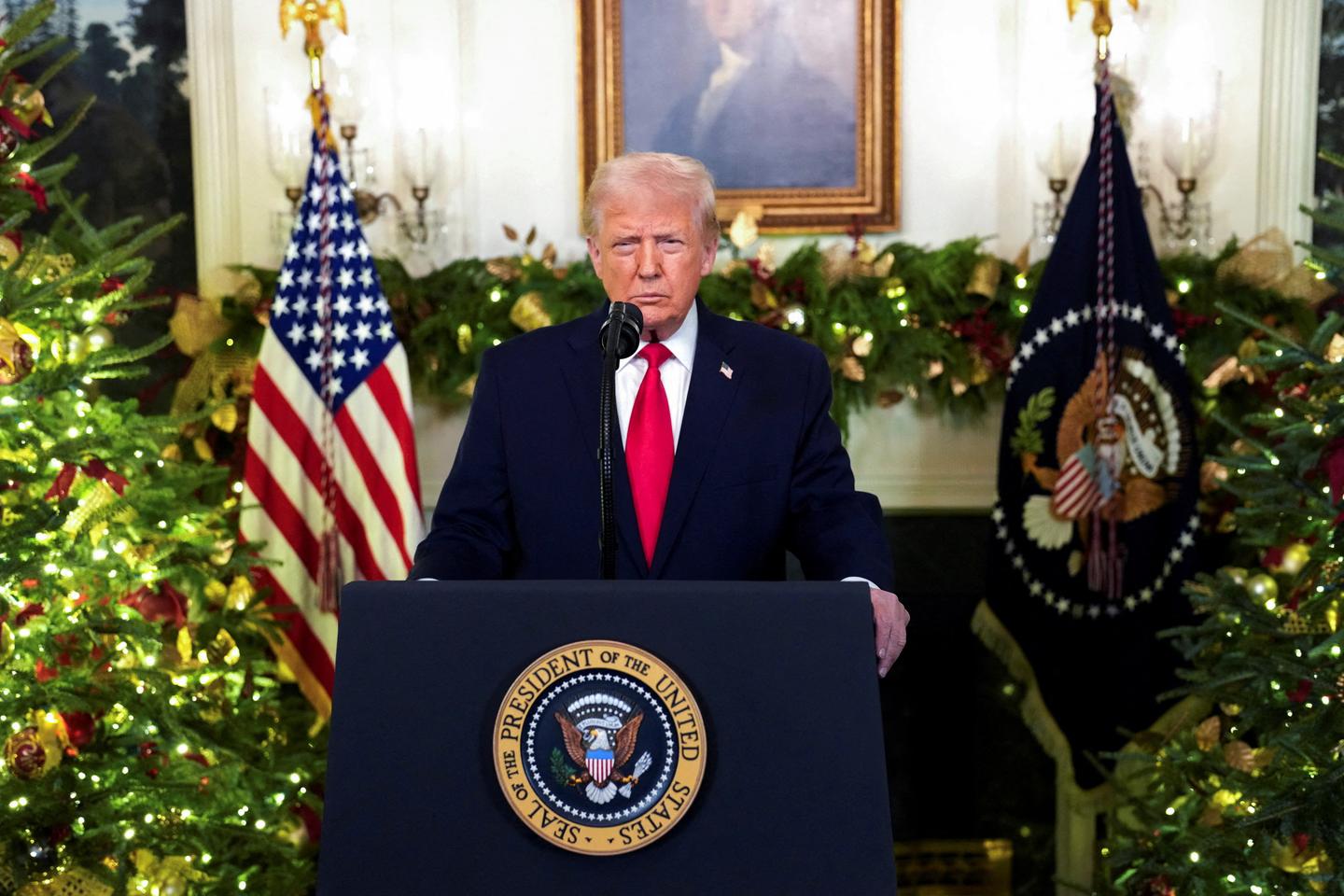
On that same day, the US president convened the National Security Council to discuss combating drug trafficking and regime change in Caracas. Trump, who wants to remove Maduro from power, accuses him of being a "narcoterrorist." But the strikes, which began on September 2 against boats accused of transporting drugs, have come under scrutiny. According to US authorities, about 20 ships have been sunk and 83 people killed since operations began, though no evidence supporting the accusations has been provided. Congressional Democrats are no longer the only ones questioning the legality of these operations.
On Friday, November 28, The Washington Post revealed gruesome details about the US strike on September 2. After noticing that two individuals had survived the first missile and were clinging to the burning wreckage of their boat, the operation's commanding officer ordered a second strike, in line with US Defense Secretary Pete Hegseth's alleged instruction to kill all crew members. Trump defended him on Sunday: "[Pete Hegseth] did not say that, and I believe him." On Monday, the White House placed most of the responsibility on the naval commander who led the mission, saying that the second missile was launched "in self-defense." That justification, according to law experts and human rights advocates, is difficult to defend.