Climate summit in Brazil needs to find way to stop global heating accelerating amid stark divisions
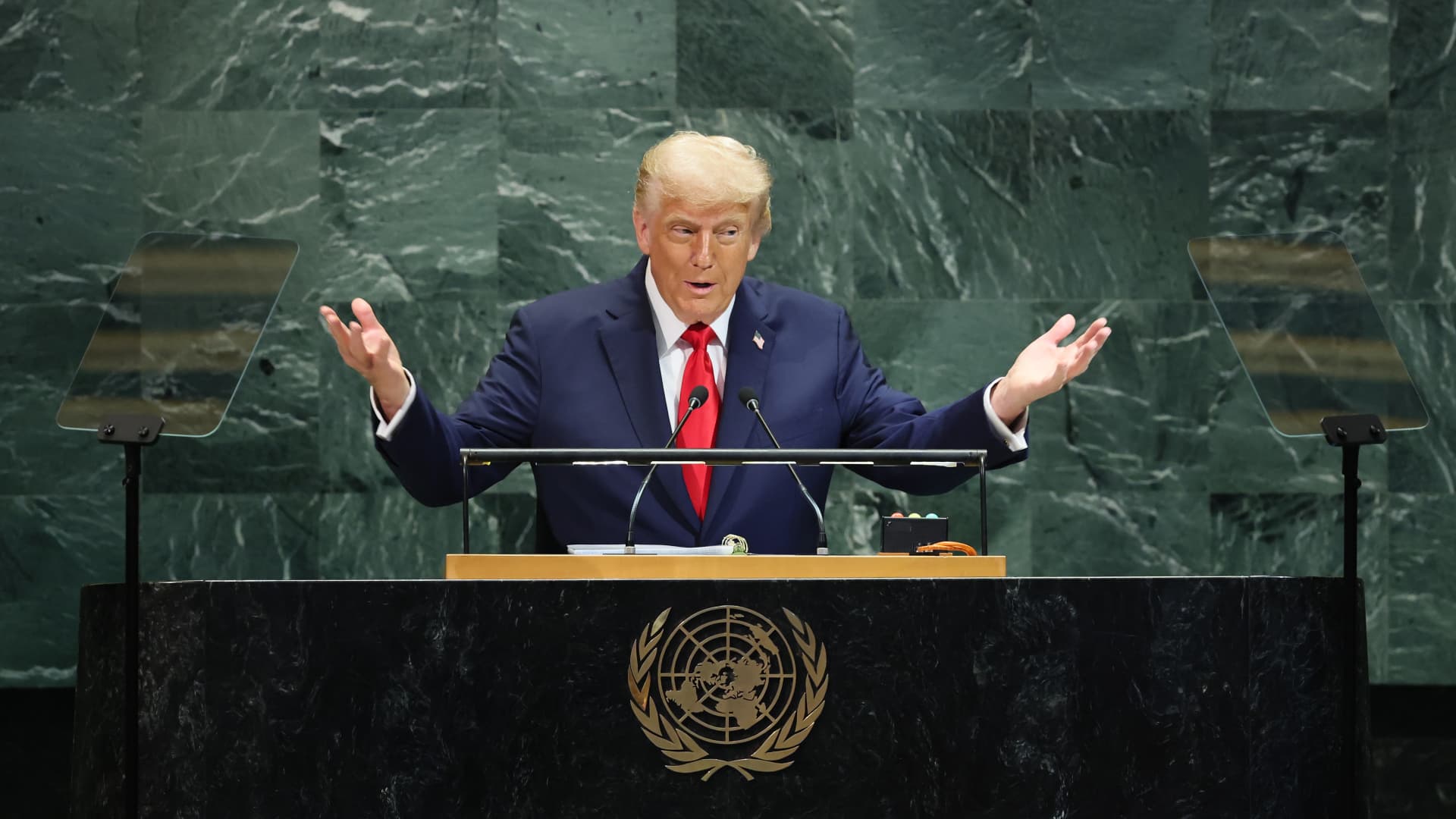
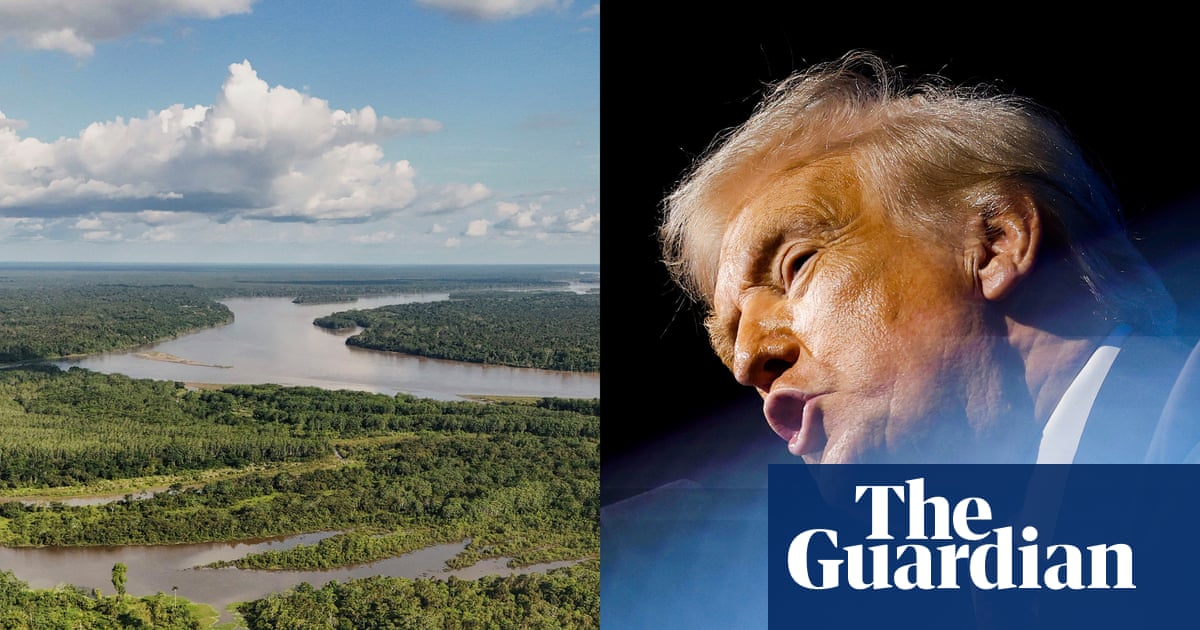
“It broke my heart.” Surangel Whipps, president of the tiny Pacific nation of Palau, was sitting in the front row of the UN’s general assembly in New York when Donald Trump made a long and rambling speech, his first to the UN since his re-election, on 23 September.
Whipps was prepared for fury and bombast from the US president, but what followed was shocking. Trump’s rant on the climate crisis – a “green scam”, “the greatest con job ever perpetrated”, “predictions made by stupid people” – was an unprecedented attack on science and global action from a major world leader.
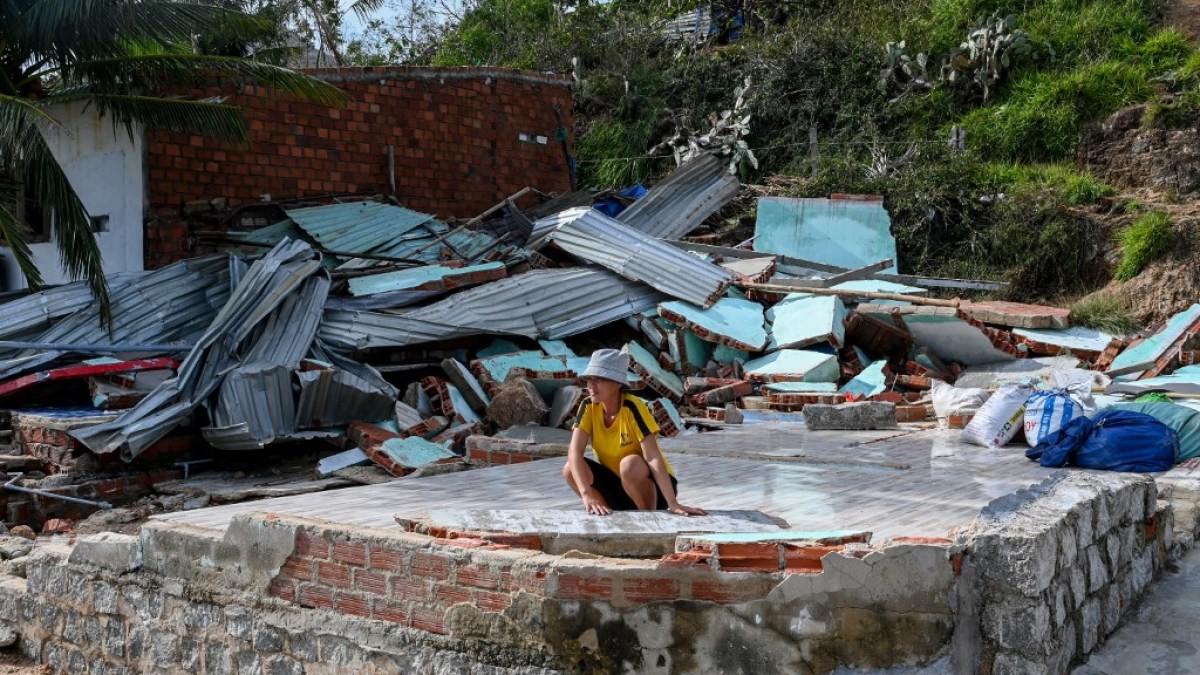
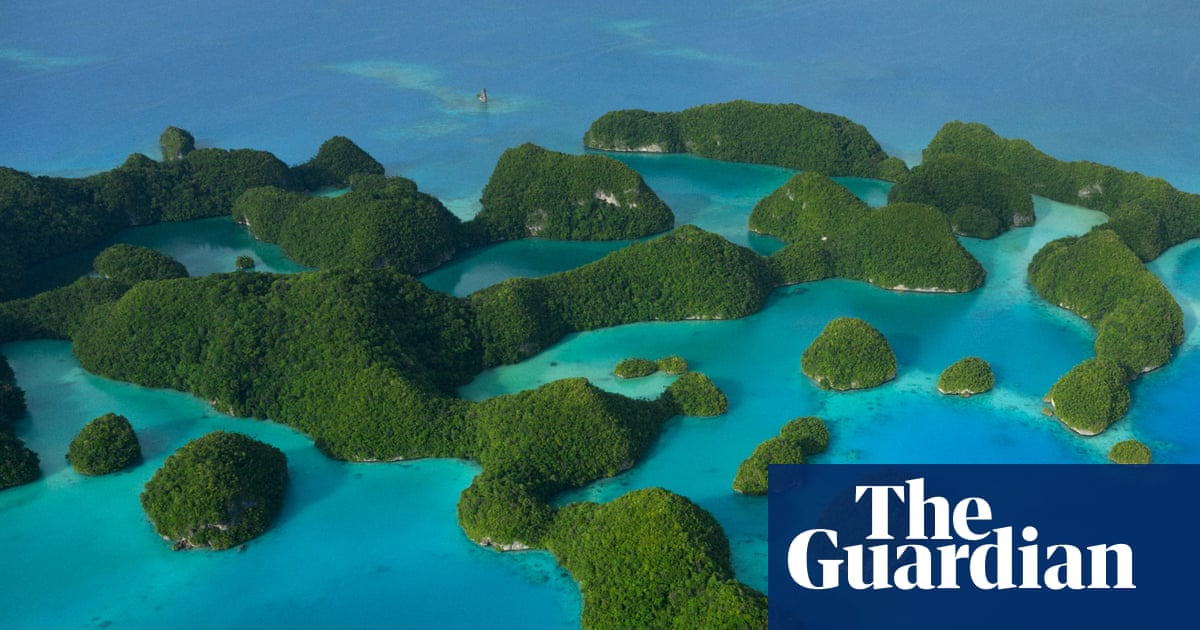
Palau, threatened by rising sea levels, floods and more intense storms, is home to nearly 20,000 people, all likely to be made refugees if global heating surpasses 1.5C for a prolonged period, a likelihood they are desperate to prevent. They know they are just the beginning, the frontline. Globally, hundreds of millions of people’s homes and livelihoods will be destroyed by climate breakdown within decades.
“Our children need hope, they need to be inspired,” says Whipps. “They need to see us coming together to solve problems.”