I
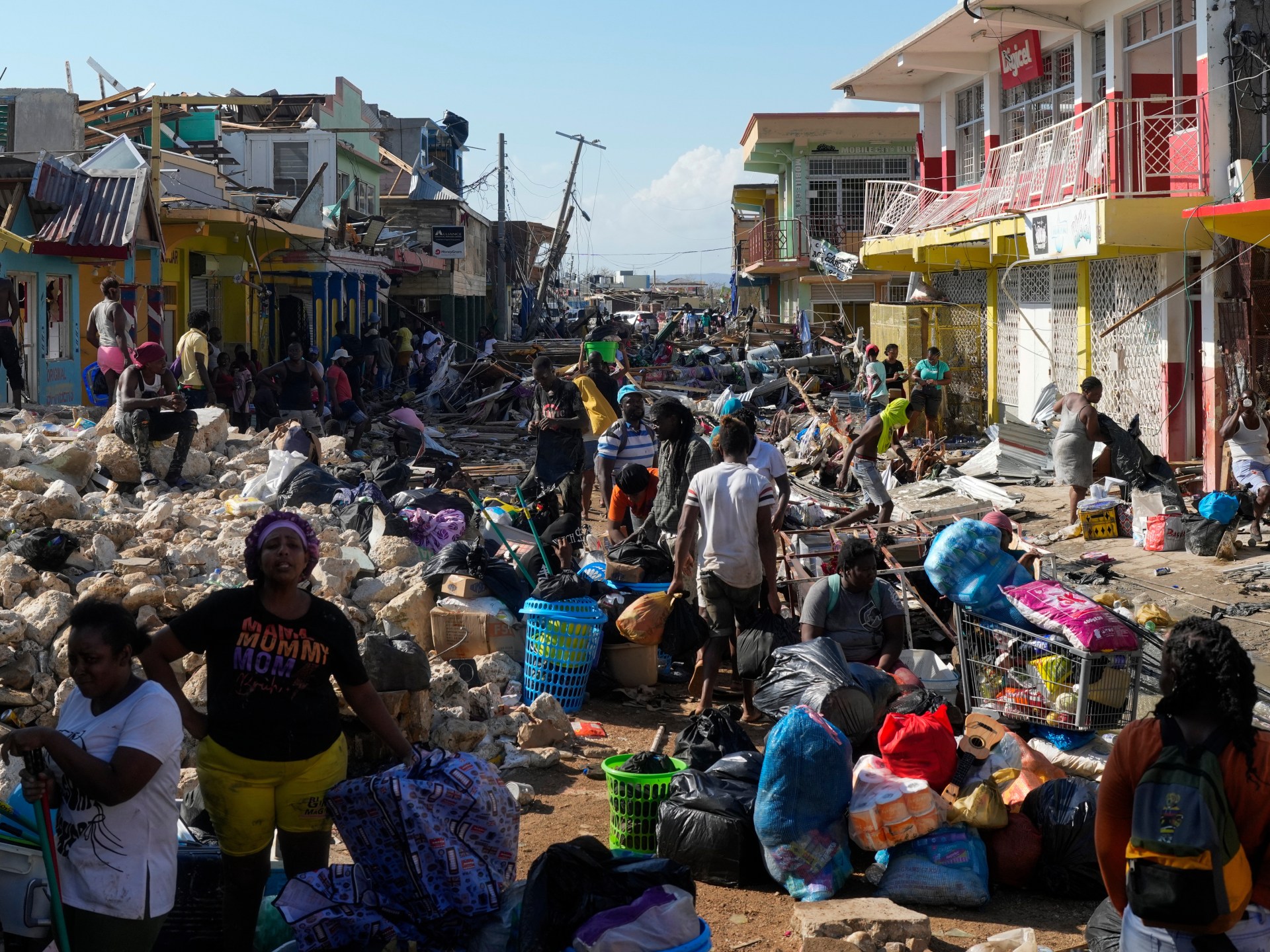
wrote this text from Jamaica, where I have just seen the devastation left by Hurricane Melissa, the most powerful storm ever recorded here. One hundred and twenty communities have been hit, with damage worth around $7 billion [€6 bllion]. A third of the country's GDP is gone. This is yet another brutal reminder of how vulnerable small island developing states are to a crisis they did not cause. They are footing the climate bill for emissions they did not produce.
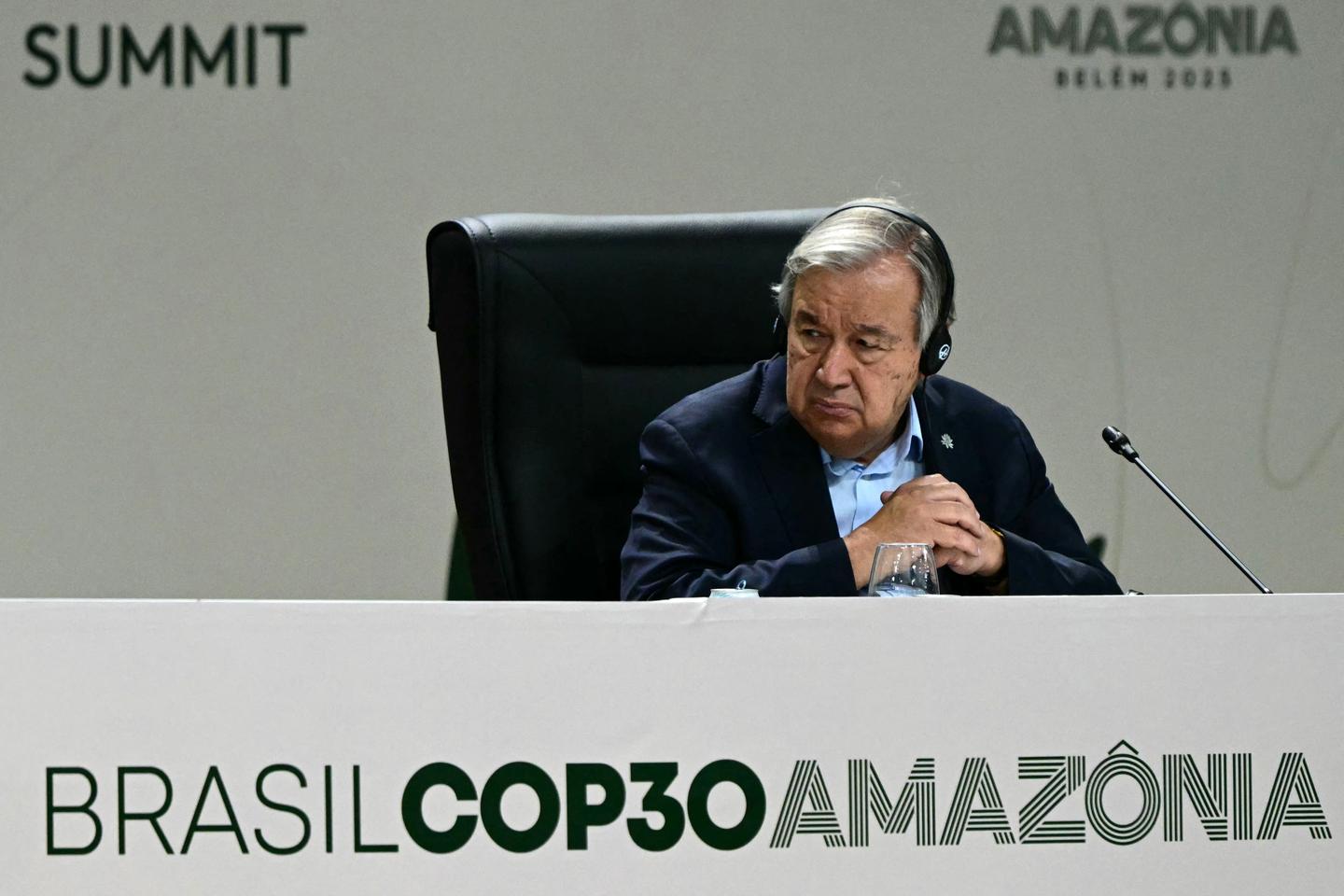
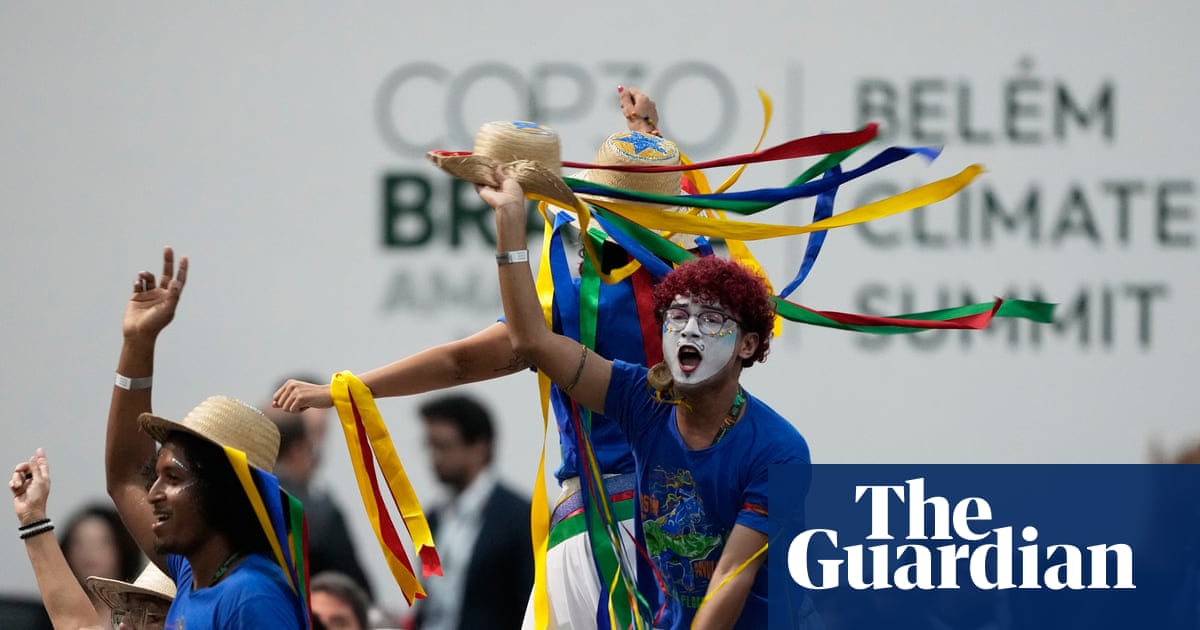
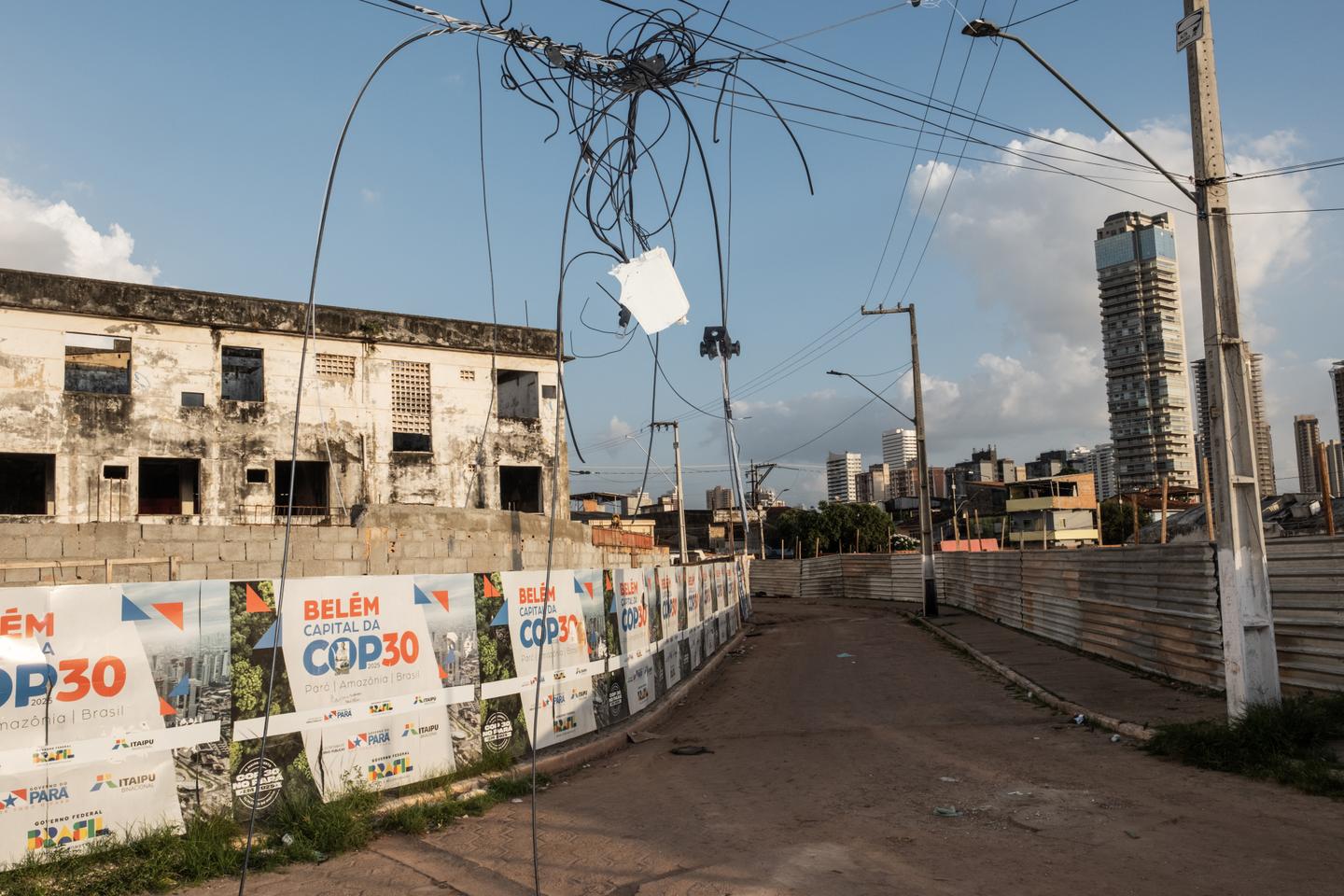
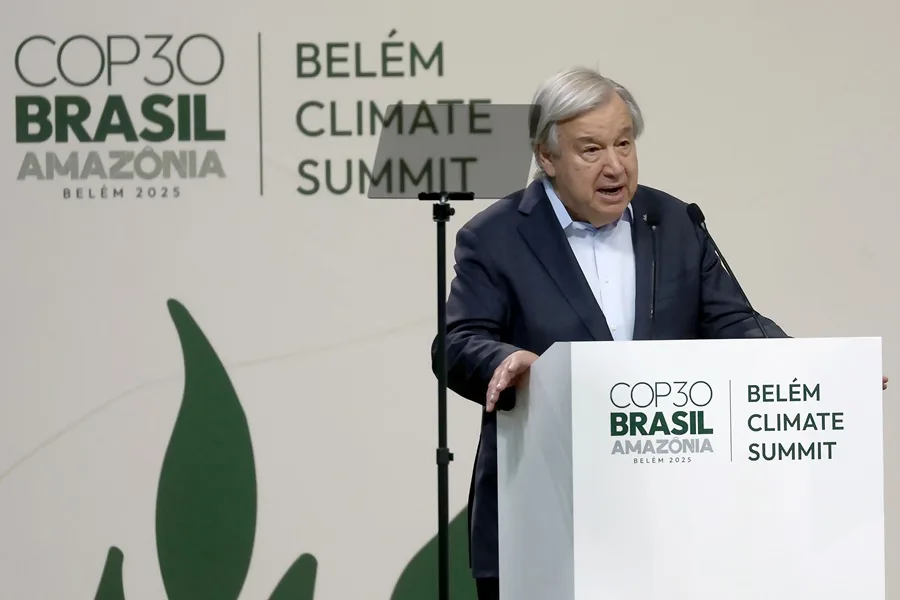
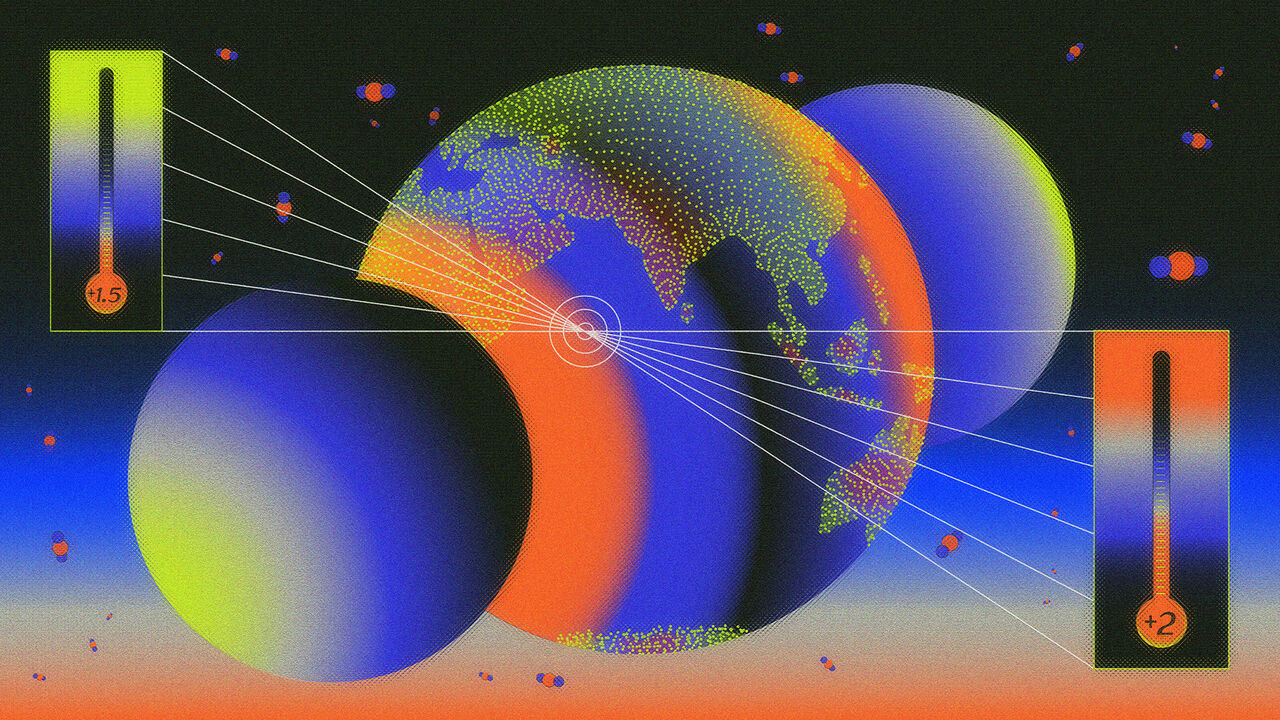
But this devastation is also a warning for what's at stake as COP30 begins this weekend in Belém, Brazil. Will world leaders stay faithful to the spirit – and the law – of the Paris Agreement, keeping the rise in global temperature to within 1.5°C by the end of the century? Or will we start to accept a new narrative of “inevitable overshooting” and plan to fix things later? The former is the only option. The latter would not only violate the Paris Agreement, but it would also erode the integrity of international cooperation itself.
My history has been deeply connected to this issue. In the early 2000s, as a member of the European Parliament, I helped design the EU Emissions Trading Scheme and I was the rapporteur for the EU ratification of the Kyoto Protocol.