https://arab.news/5qg4e
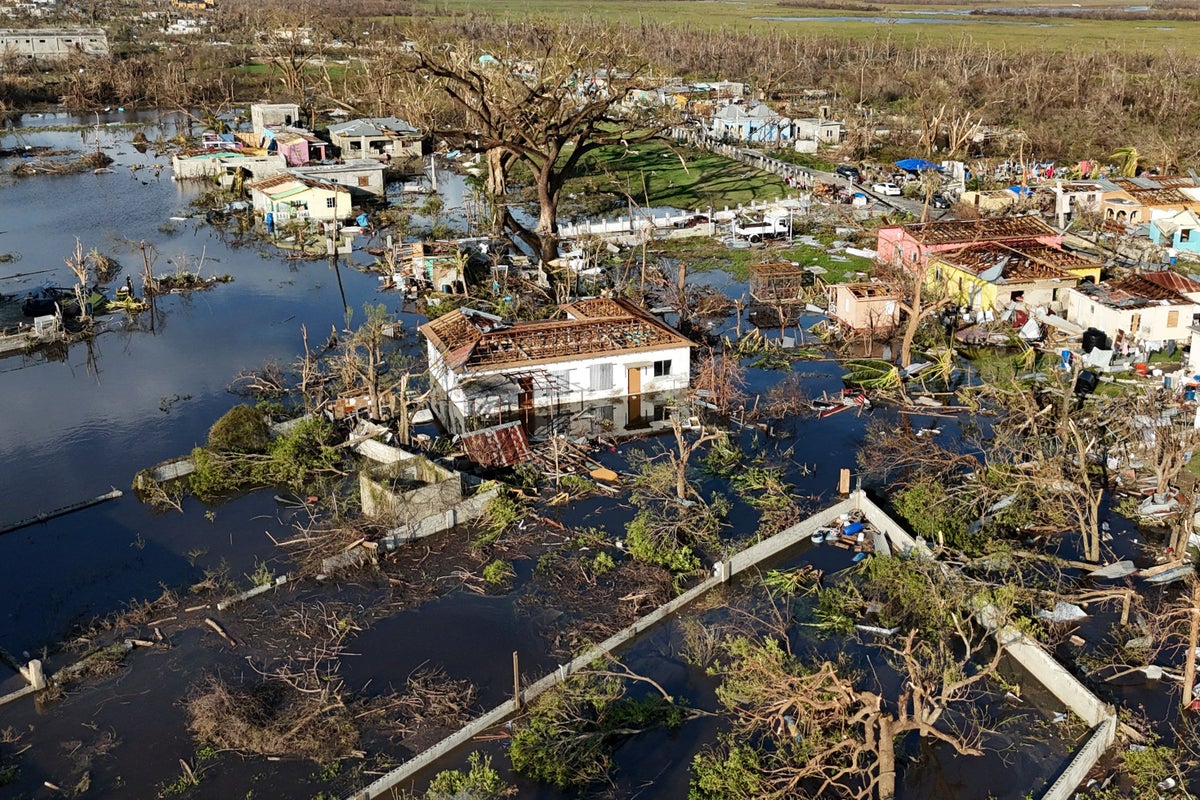
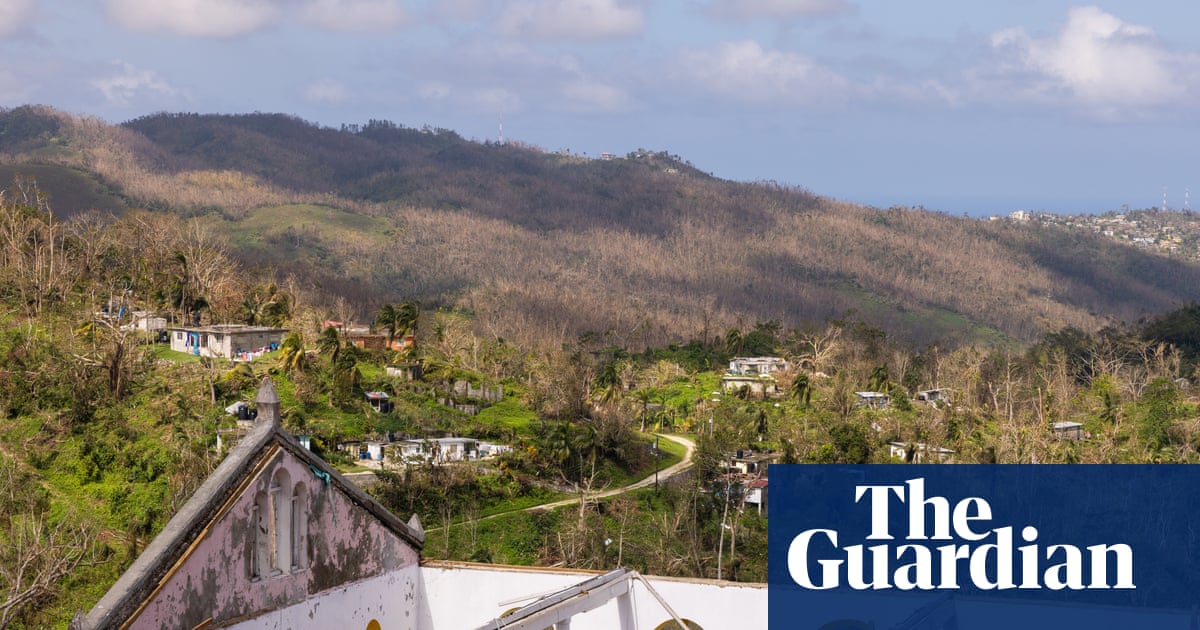
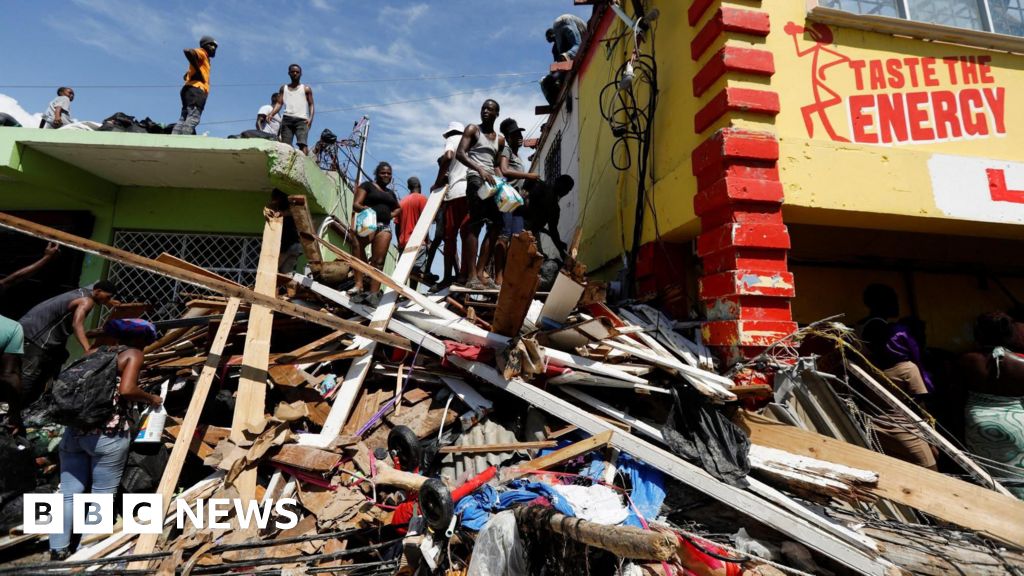
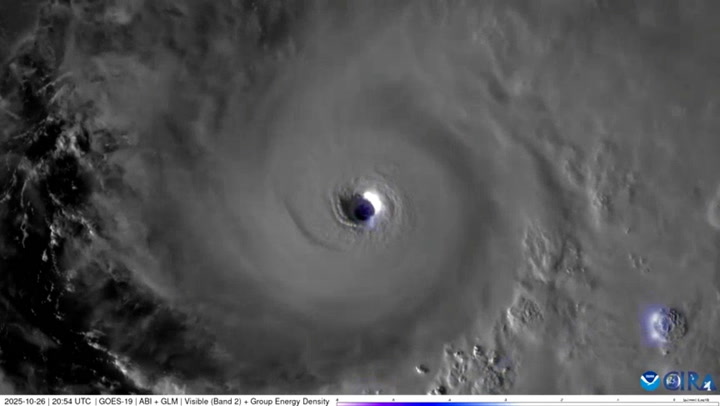
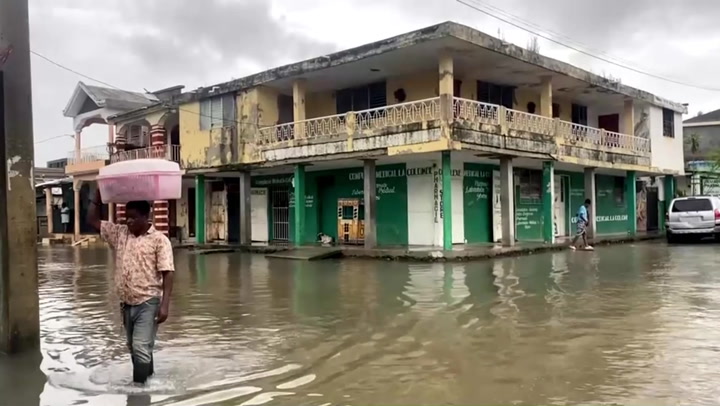
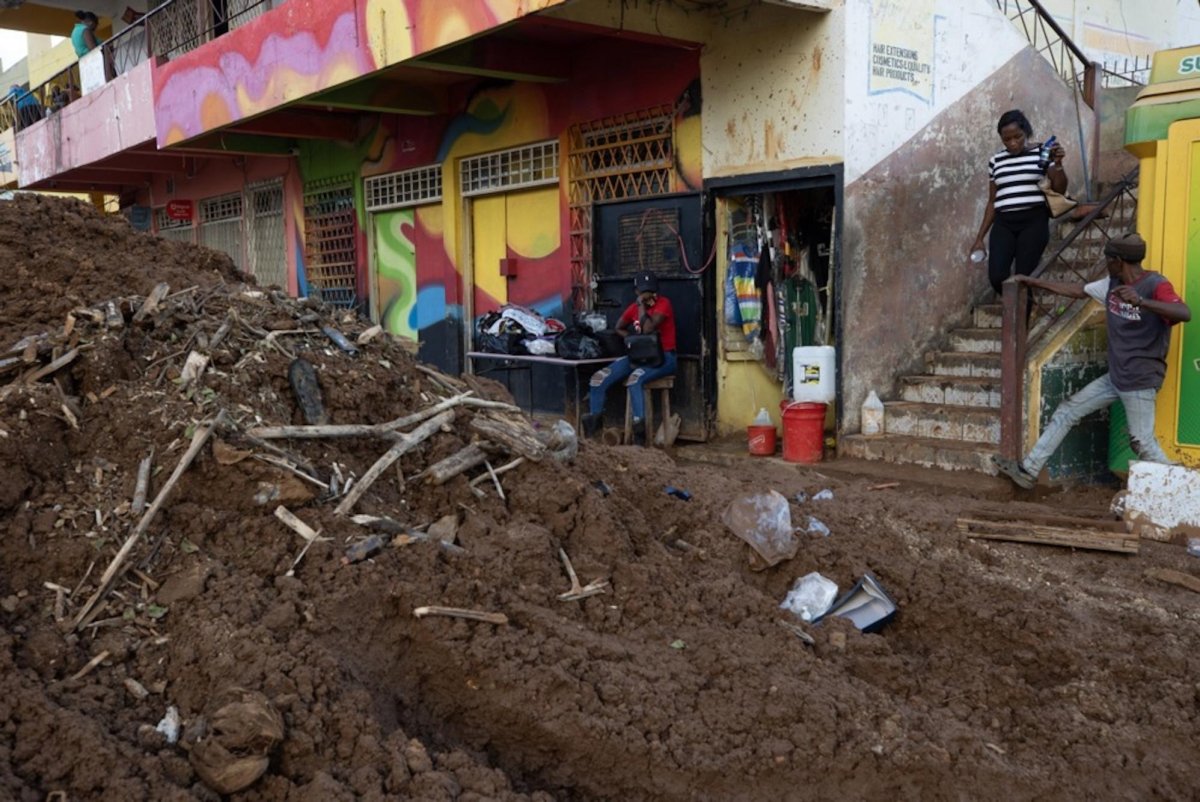
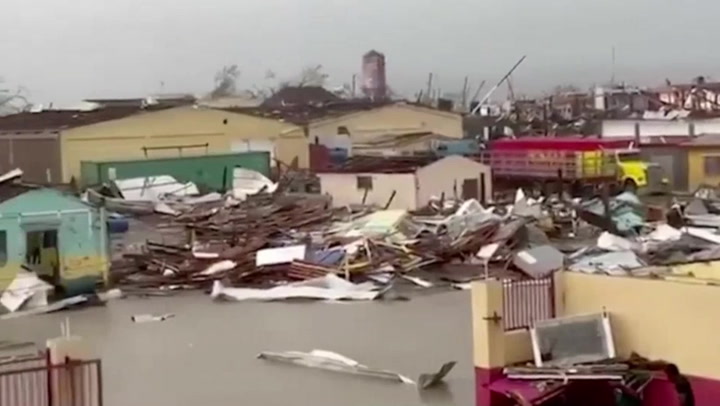
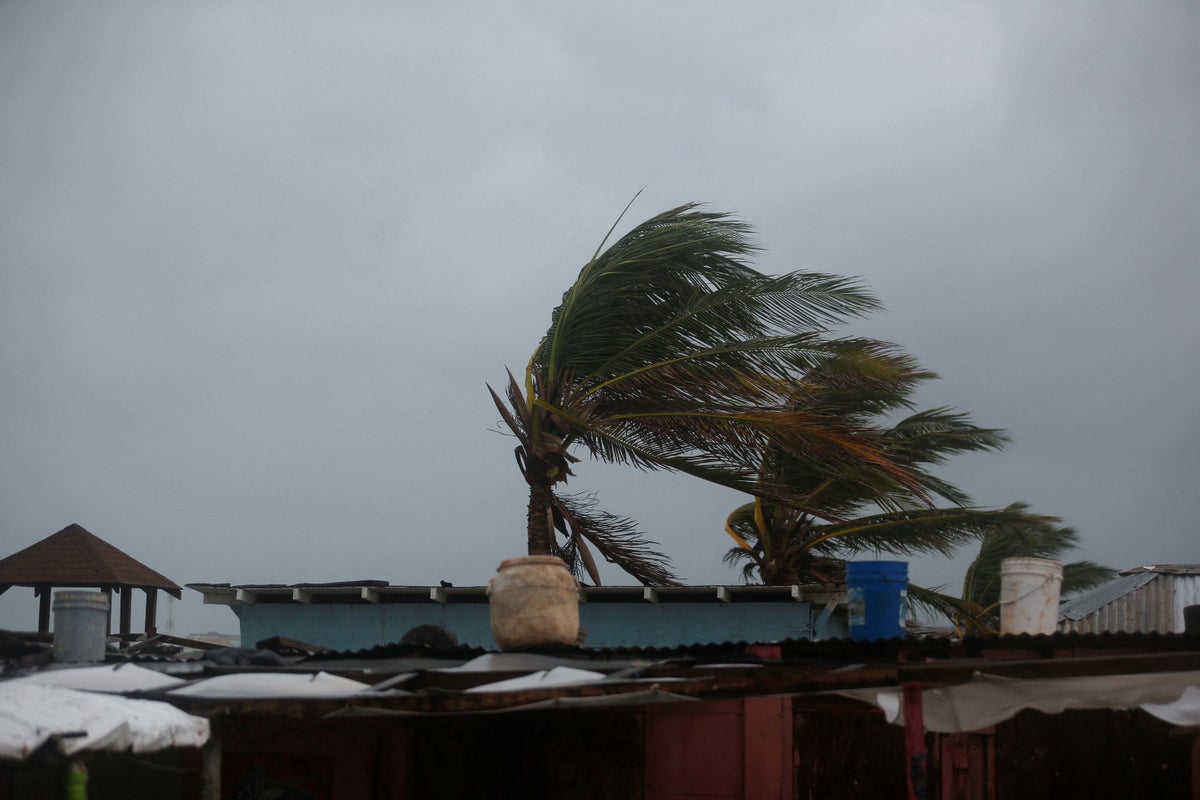
Perhaps Hurricane Melissa is not the best example to cite when calling for action to protect the planet from climate change since the Caribbean is a region notoriously prone to extreme weather. But every day, data emerges to confirm that more lives will be lost unless global warming is comprehensively addressed, with one international academic study claiming that rising temperatures are now killing one person a minute around the world.
Jamaica’s devastation comes as the world turns its attention to COP30 in Brazil in November. One wonders if this meeting of the signatories to the UN Framework Convention on Climate Change will be any different from the preceding 29 gatherings, all of which yielded little. As in the previous conferences, experts, company executives, activists, and national officials will be vying for access to the airwaves and social media in order to make the case for and against compliance with previous agreements to protect nature and shield the environment from excessive human contribution to global warming.
Countries will continue to go through the motions of presenting updated national climate commitments and pledges and also assess progress on renewable energy and targets agreed at previous summits. But it seems increasingly obvious that instead of the world working toward the goals of the Paris Agreement, nations are looking to water down their policies or shelve them all together, using budgetary and other economic pressures as excuses. Since many experts have concluded that the battle to limit global temperature rises to 1.5 C above the pre-industrial average has been lost, the pressing question is whether the world can work collectively to adapt to extreme weather and minimize the impact a hotter planet will have on its inhabitants.