The increasing ferocity and frequency of tropical storms imposes an unbearable burden on countries including Jamaica
T
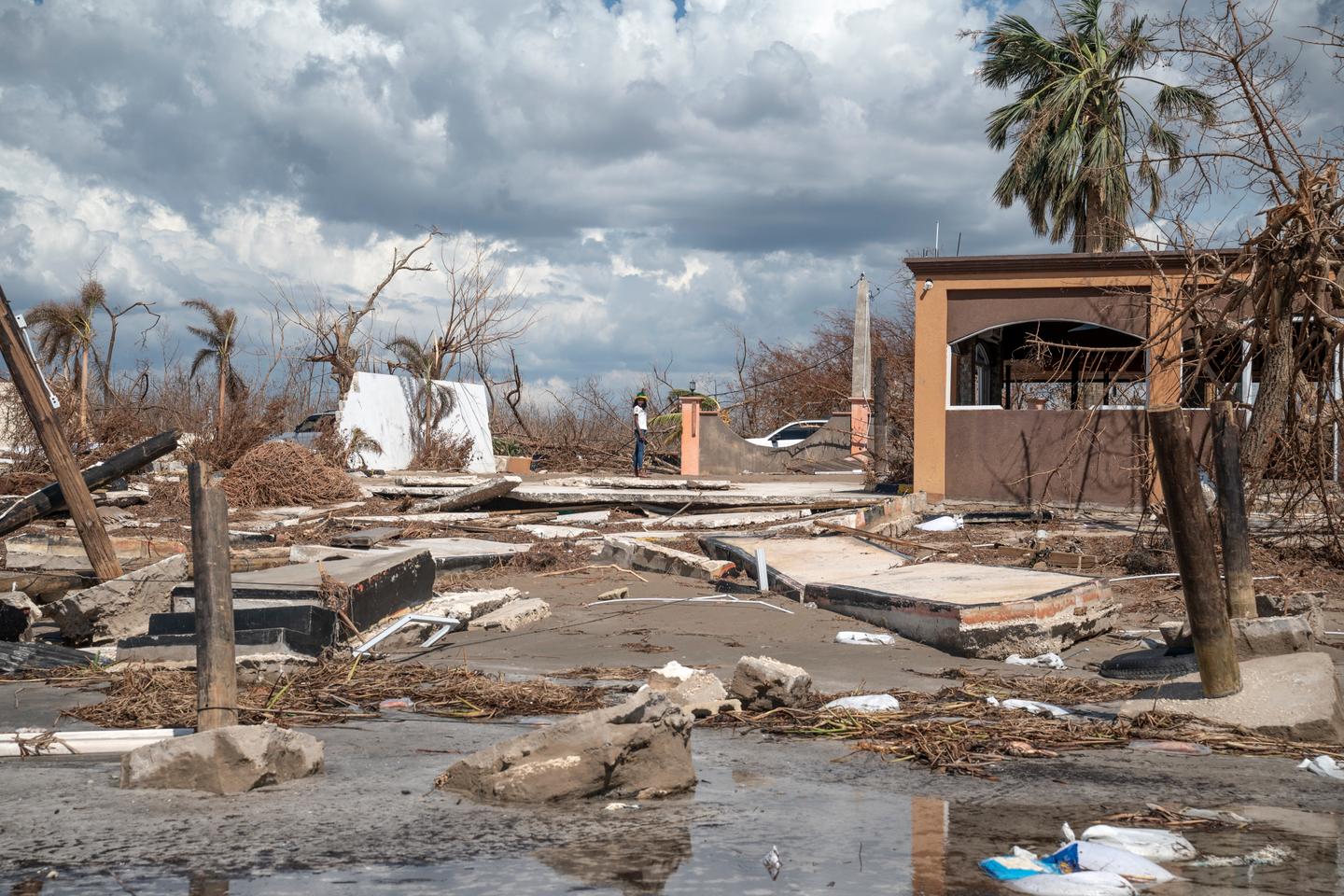
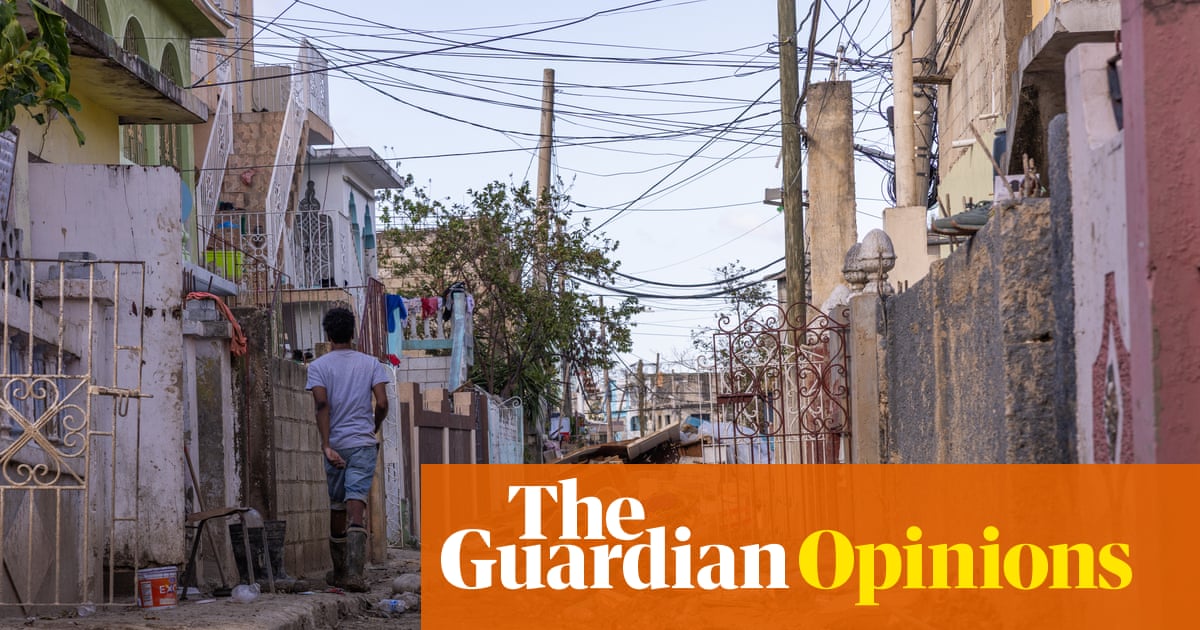
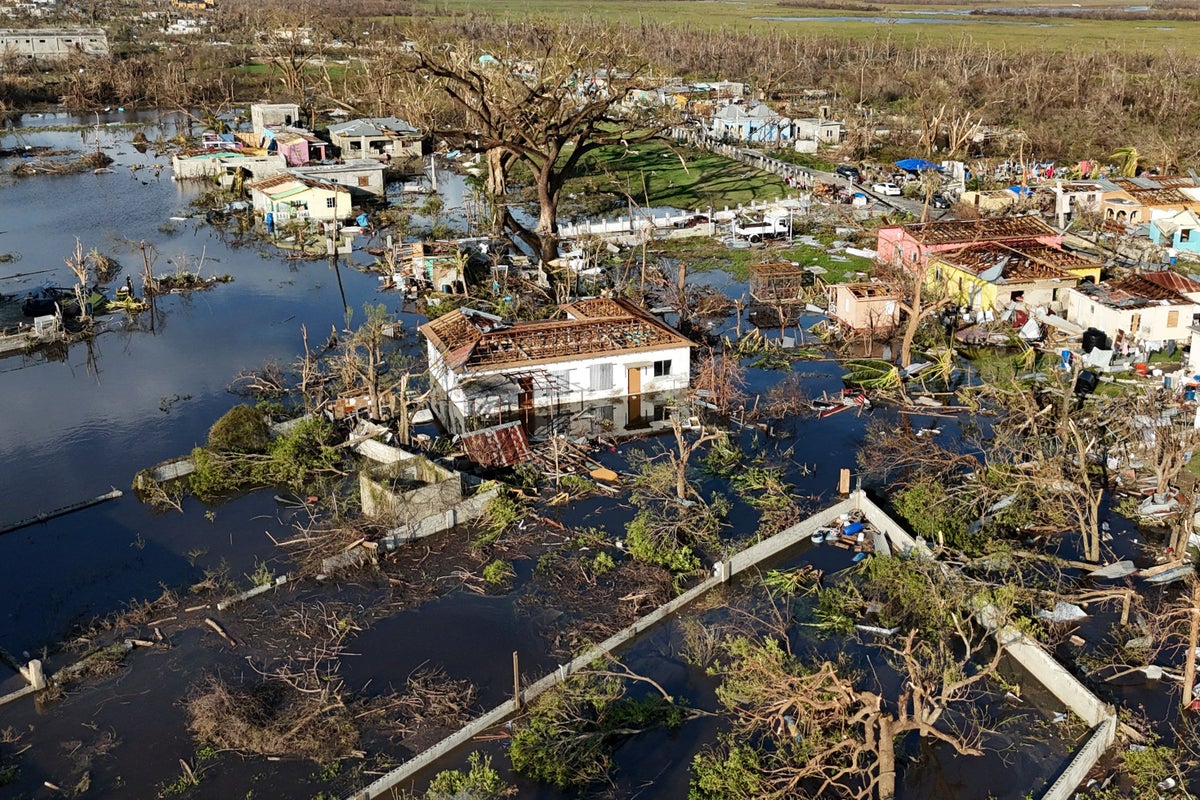
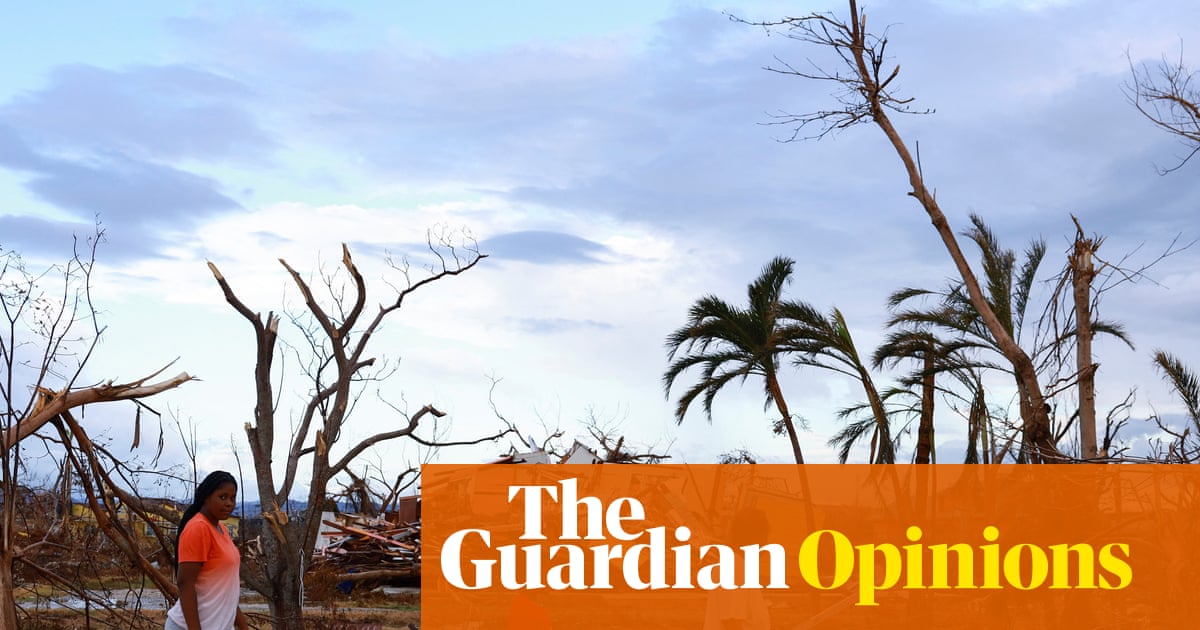
he geographically uneven risks from increasingly extreme and dangerous weather grow ever starker. As Jamaica and other Caribbean countries clear up after Hurricane Melissa, and Typhoon Kalmaegi heads west after killing nearly 200 people in the Philippines and Vietnam, the case for more international support to countries facing the most destructive impacts from global heating has never been stronger.
Last week’s five-day rainfall in Jamaica was made twice as likely by higher temperatures, according to initial findings from climate attribution studies. The current death toll across the Caribbean is at least 75. The economic and social costs are hard to quantify in a region that is still recovering from 2024’s Hurricane Beryl. Crucial infrastructure has been destroyed before the loans used to build it have even been paid off. Andrew Holness, Jamaica’s prime minister, estimates that the damage there is roughly equivalent to one-third of the country’s gross domestic product.
Such catastrophic losses are officially recognised in the international climate process. On Thursday in Brazil, where Cop30 opens on Monday, the UN secretary general, António Guterres, pointed out that the countries expected to face the worst impacts from global heating are the least responsible because their carbon emissions are, and have always been, low. But despite this acknowledgment, significant progress on the loss and damage fund created to support stricken countries, help them cope with disasters and become more resilient, is not expected in this round of talks. While the inadequacy of climate finance pledges so far are glaring, it is the inadequacy of countries’ emissions cuts (or nationally determined contributions) that leads the agenda at the moment.