Britain faces rising climate threats, yet lacks a country adaptation plan. Urgent, coordinated investment is needed to protect lives and infrastructure
B
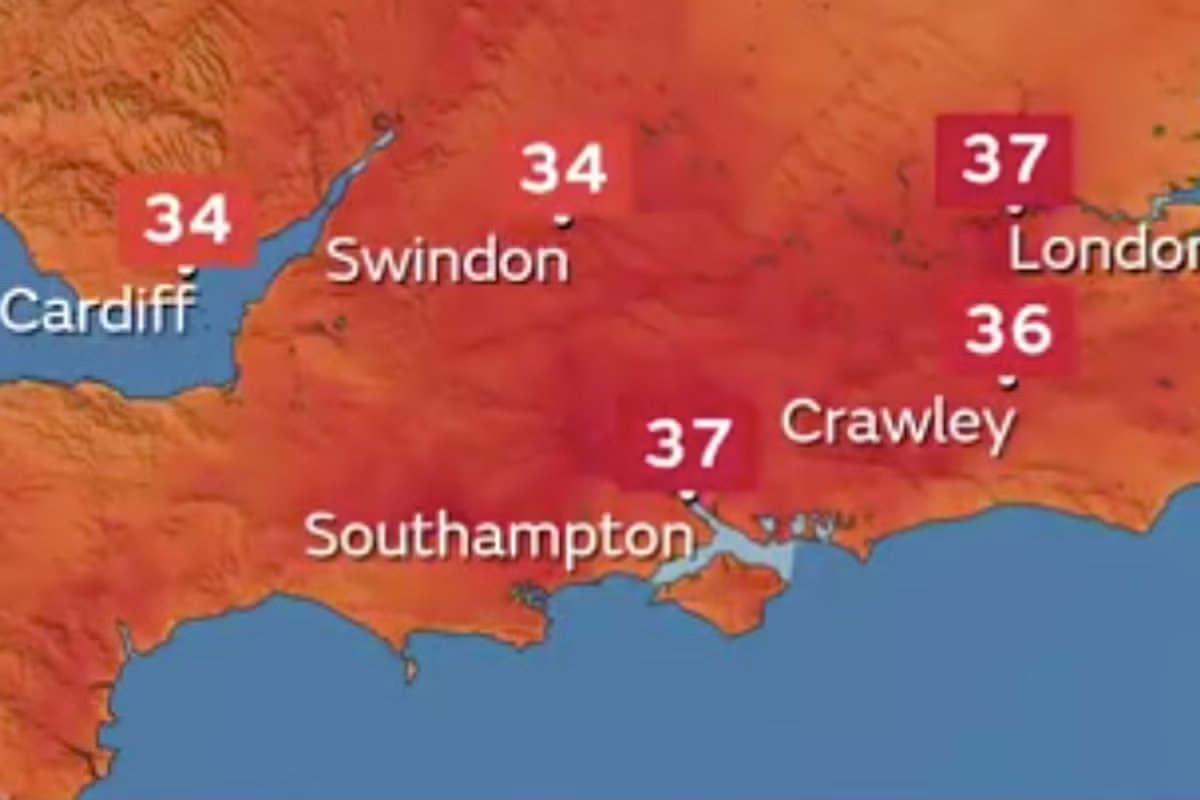
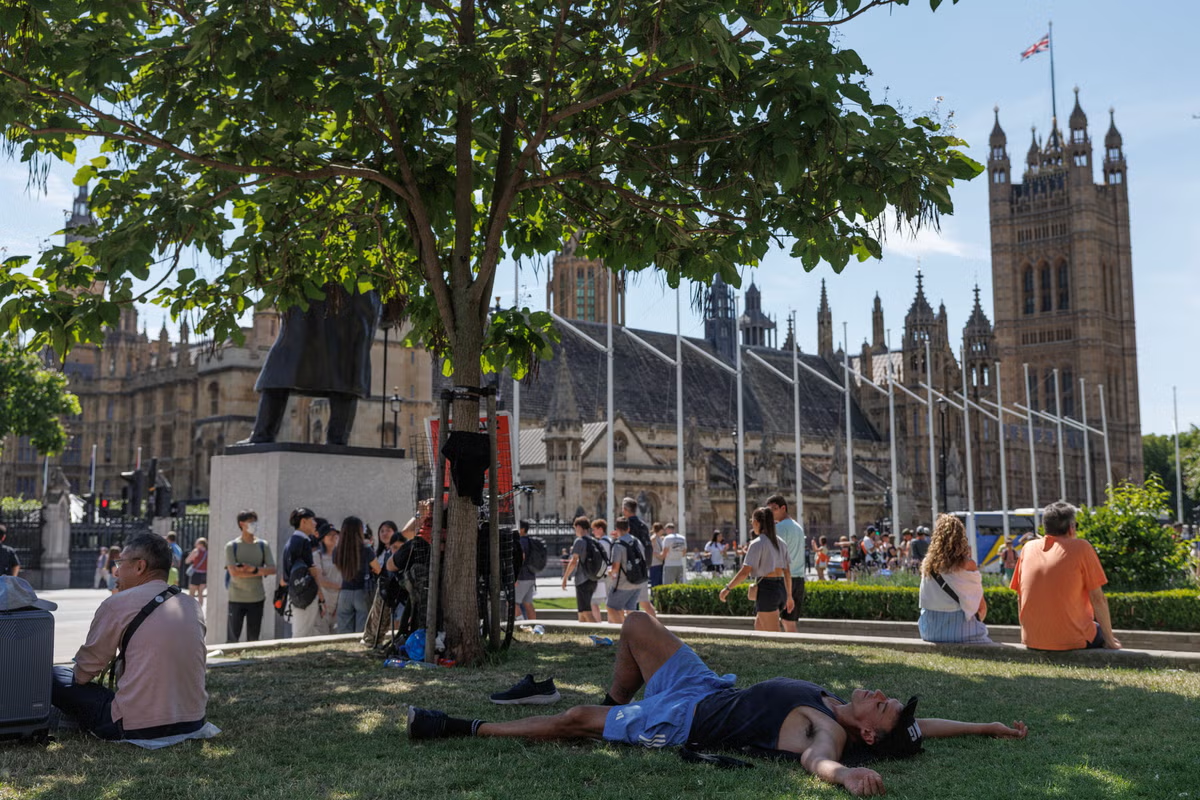
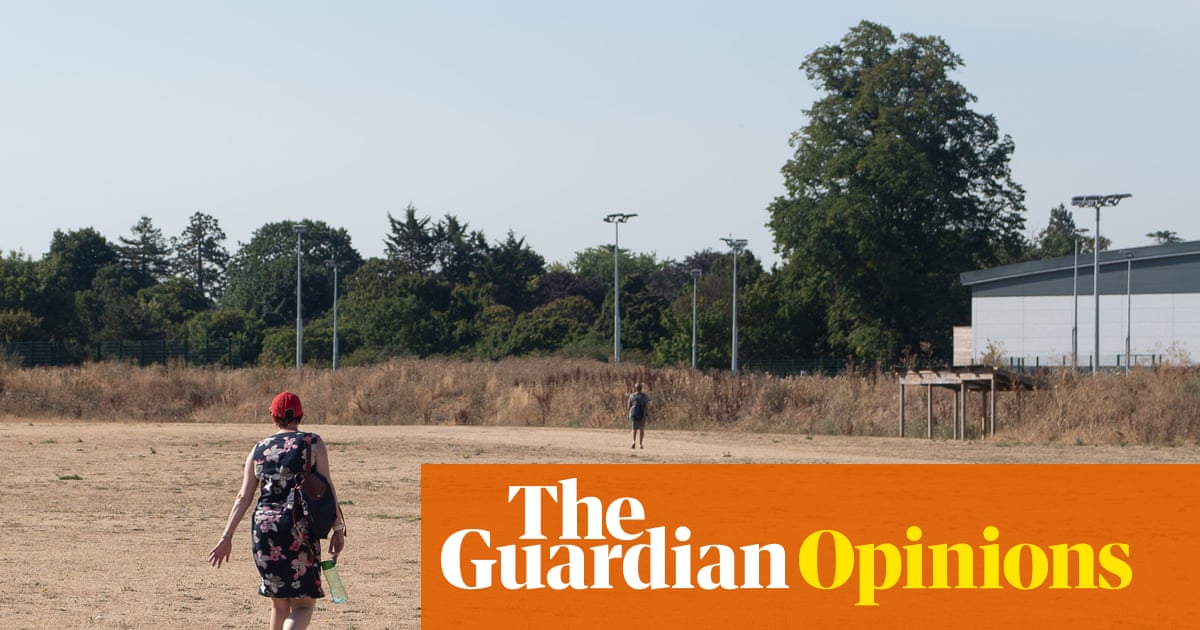
ritain’s four-day heatwave – made 100 times more likely by the climate crisis – is expected to claim about 600 lives. Researchers say high temperatures from Thursday to Sunday would lead to a sharp rise in excess mortality, especially among older people in cities such as London and Birmingham. They forecast the deadliest day as Saturday, with temperatures above 32C and about 266 deaths. These are not abstract figures, but lives cut short by a threat we understand, yet remain unprepared for.
Young people seem to grasp this. In a YouGov poll last week, roughly a quarter of 18- to 24-year-olds said they hoped there wouldn’t be a heatwave – while more than two-fifths of older people welcomed the sunshine. That generational split isn’t just cultural. It reflects an entirely rational anxiety: younger people face a future living in a climate emergency. The generation that caused and benefited from the conditions driving global heating will be gone long before the worst costs – financial, environmental, social – have to be paid.
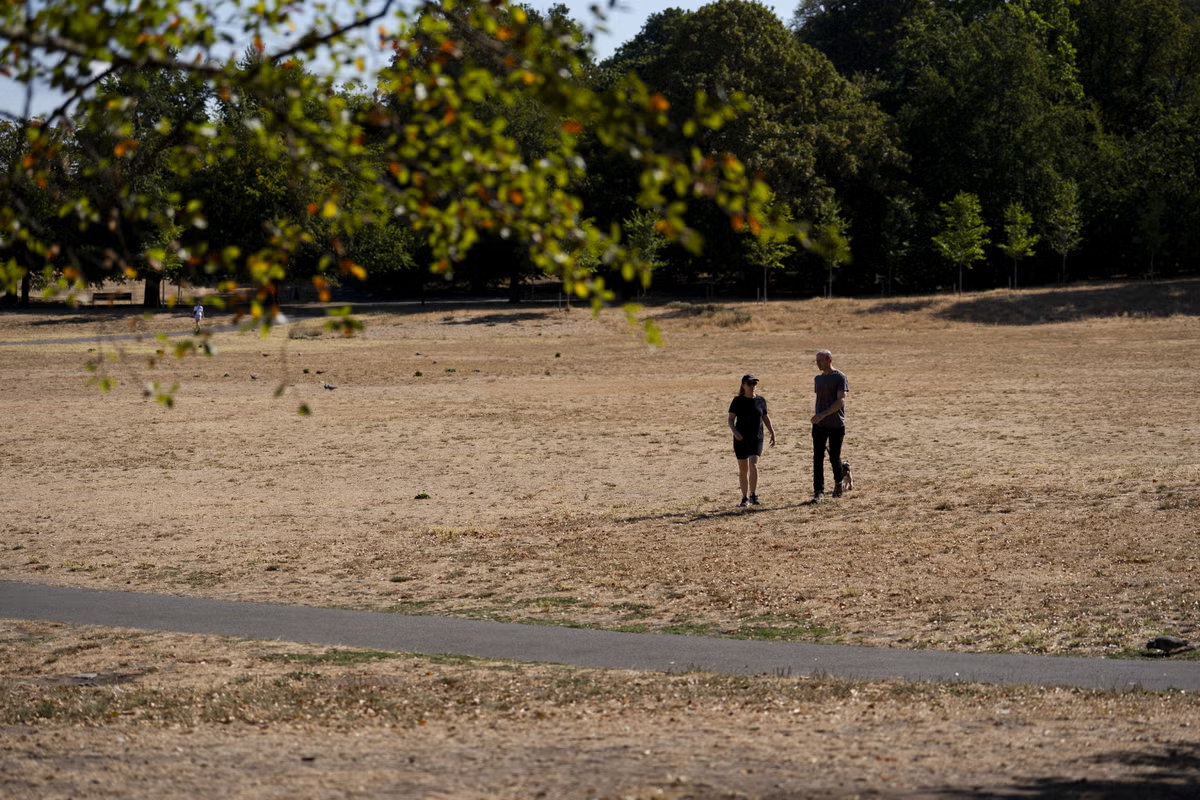
The effects are already here. In 2022, almost a fifth of UK hospitals were forced to cancel operations during the three days when temperatures soared highest because NHS buildings could not cope with the heat. That was a summer of hosepipe bans and wildfires. A year later, floods caused by extreme rainfall contributed to a third of all UK train delays, according to campaigners at Round Our Way. From drought to downpour, climate chaos is driving up food prices – UK-farmed carrots and lettuce now cost a third more than two years ago. For Britons, climate breakdown is felt not in the disappearance of distant ice caps but postponed appointments, cancelled trains and bigger shopping bills.