Last year’s floods have been followed by heatwaves. Ministers must throw their weight behind resilient, adaptable agriculture
B
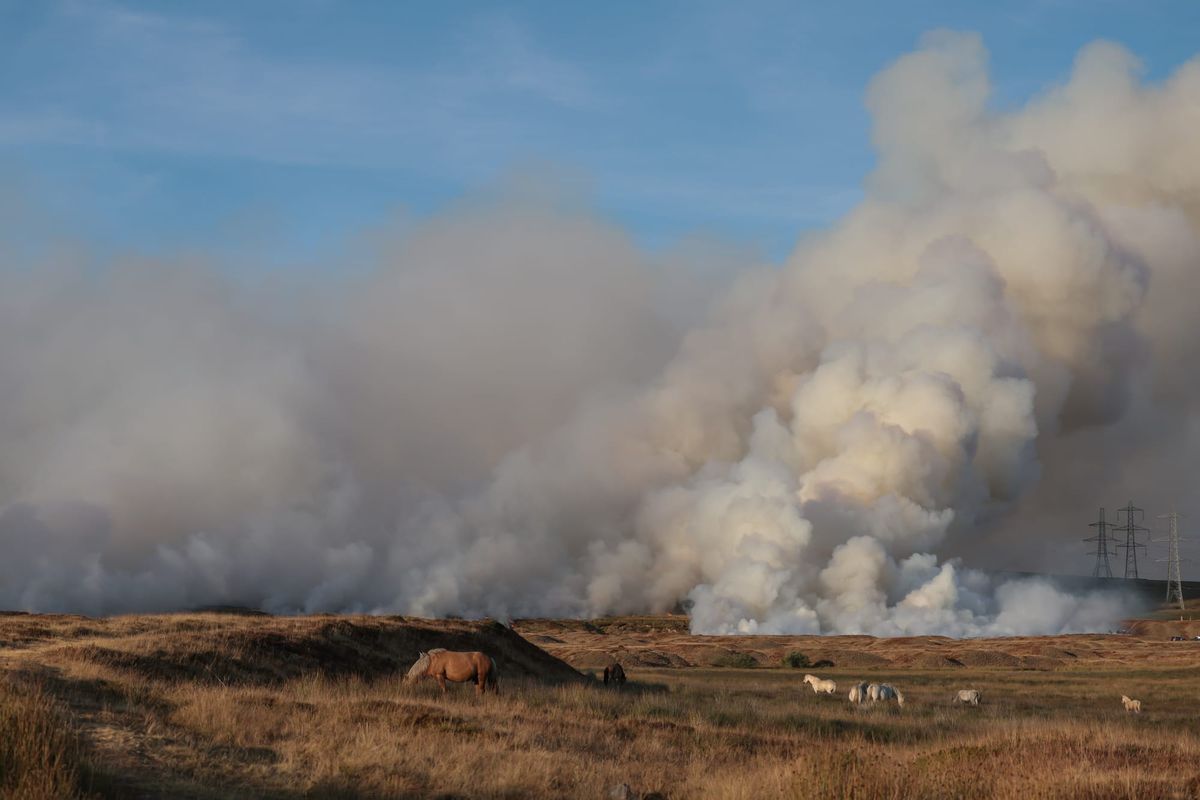
ritish farmers are, of course, not the only people who are suffering from the effects of this summer’s heatwaves. Across Europe and the Middle East, record-breaking temperatures are threatening lives as well as livelihoods. France has experienced its largest wildfire since 1949, while across Europe an estimated 500,000 hectares of land have burned.
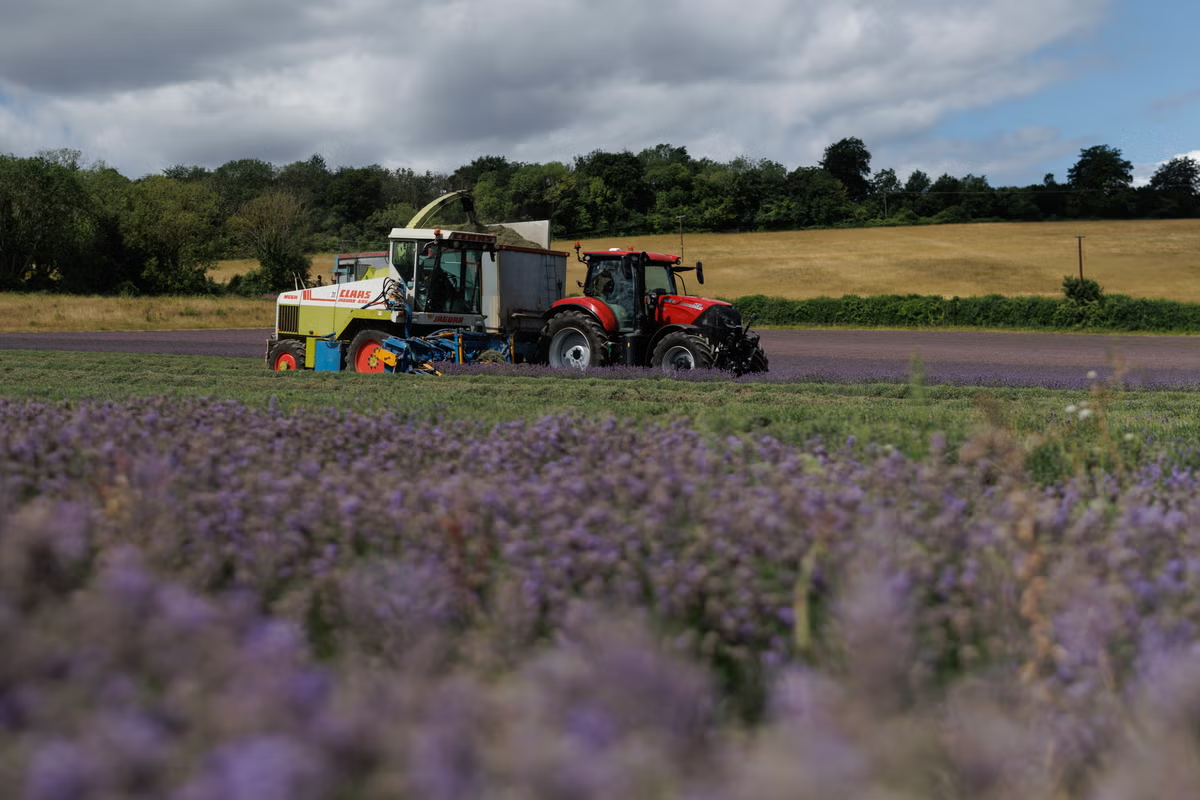
But farmers are particularly vulnerable to extreme weather, which has a direct impact on crop yields. So reports of a second consecutive year in which food growers in parts of the UK are seeing dramatic falls in production should concern the British public. Access to food is frequently taken for granted in the world’s wealthiest nations. But increased food insecurity is among the dangerous effects of the climate crisis, as well as being worsened by Trump’s tariffs, and geopolitical instability including the war in Ukraine.
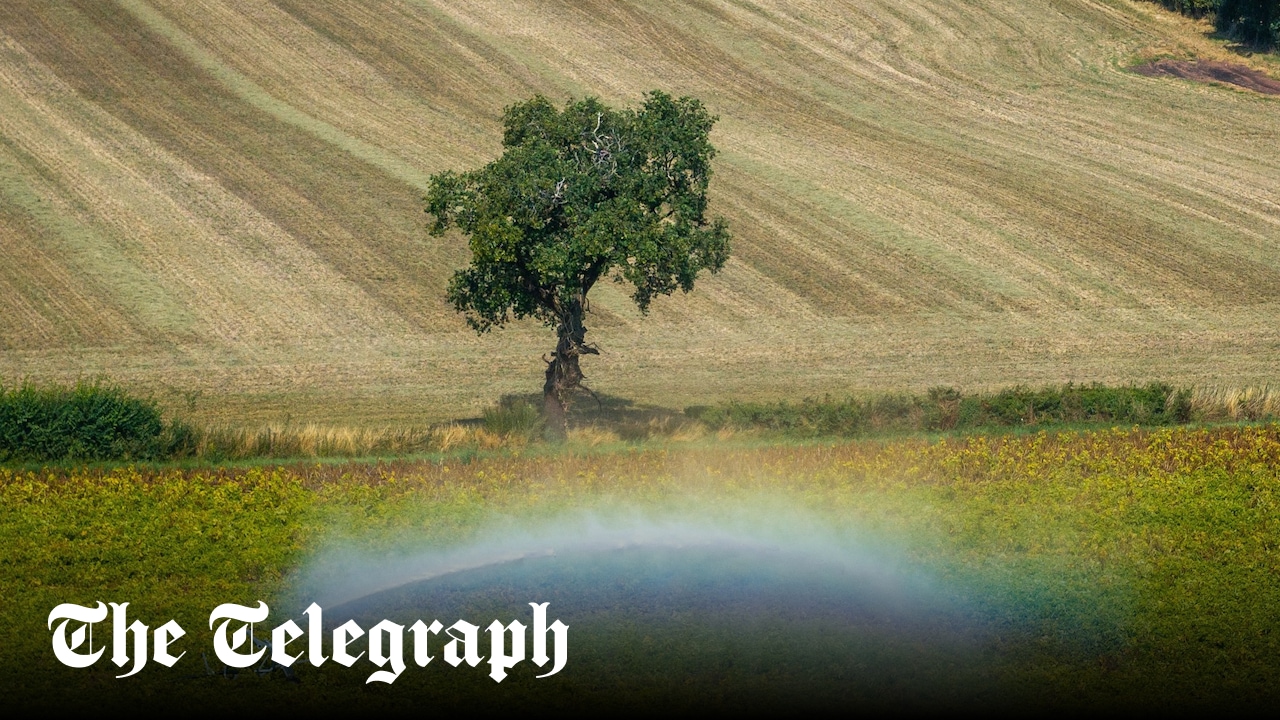
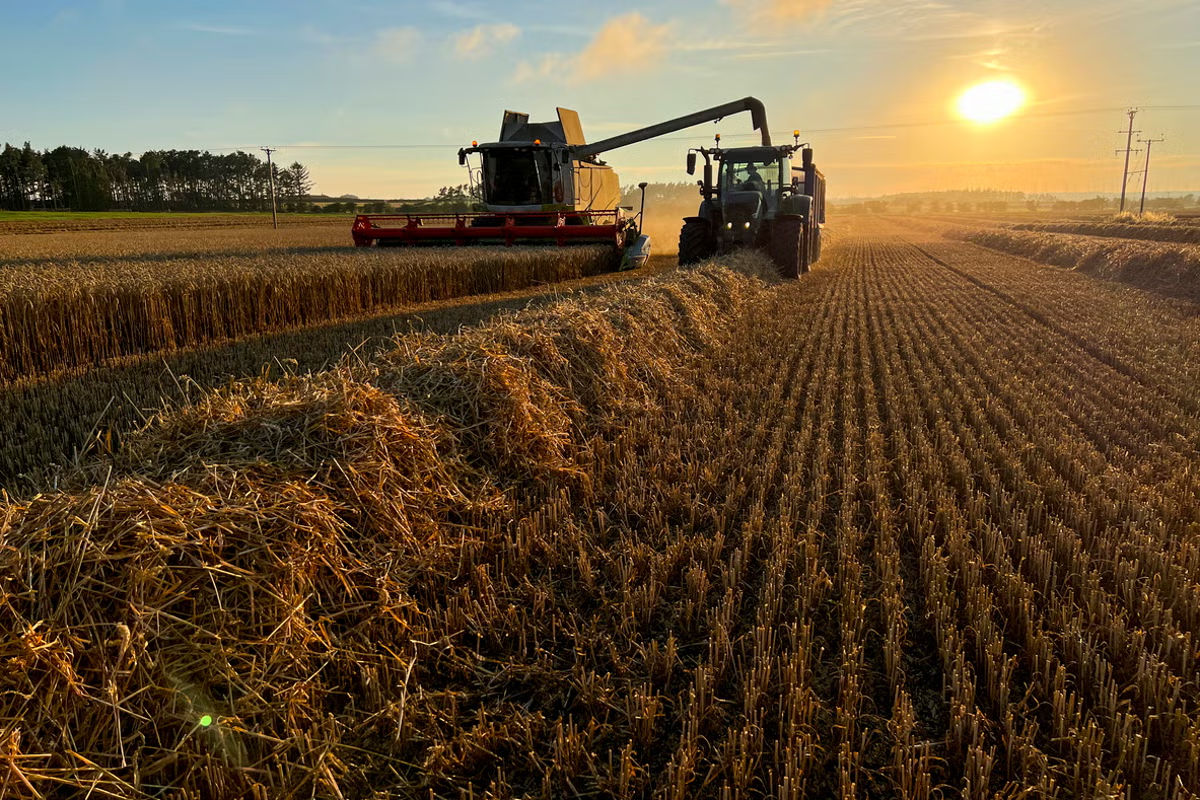
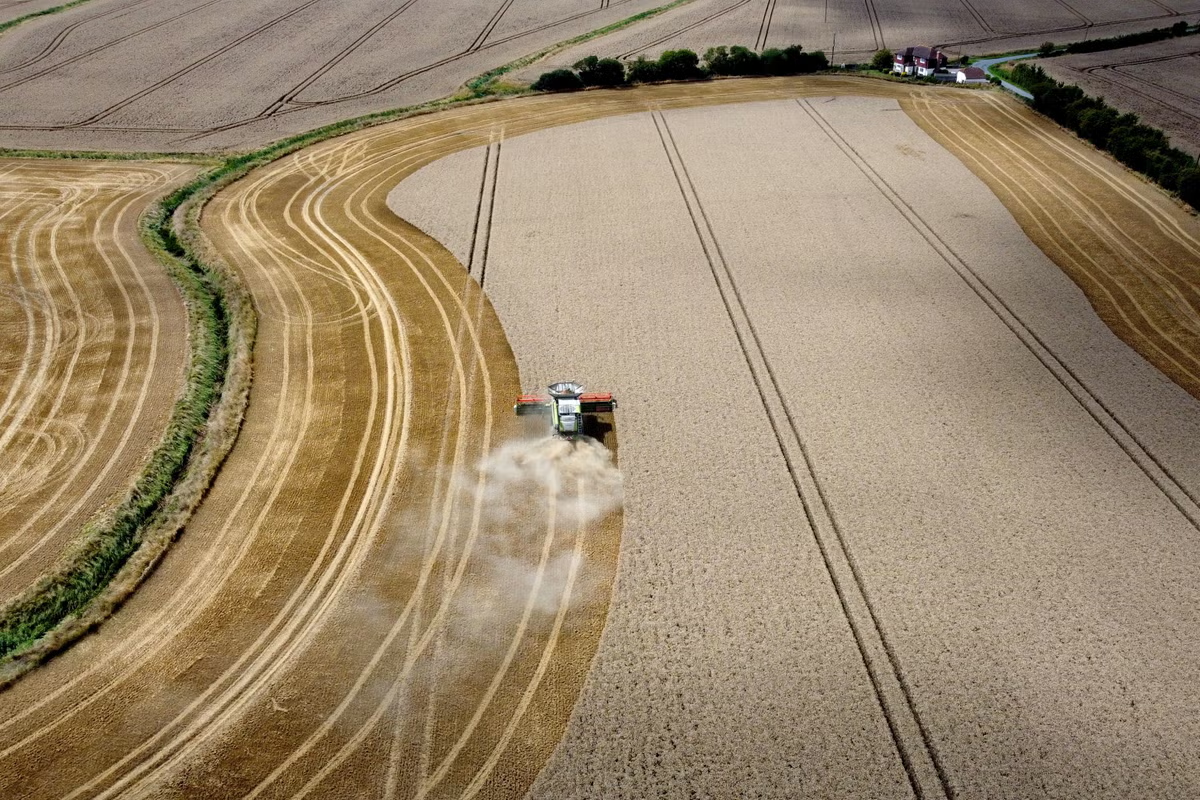
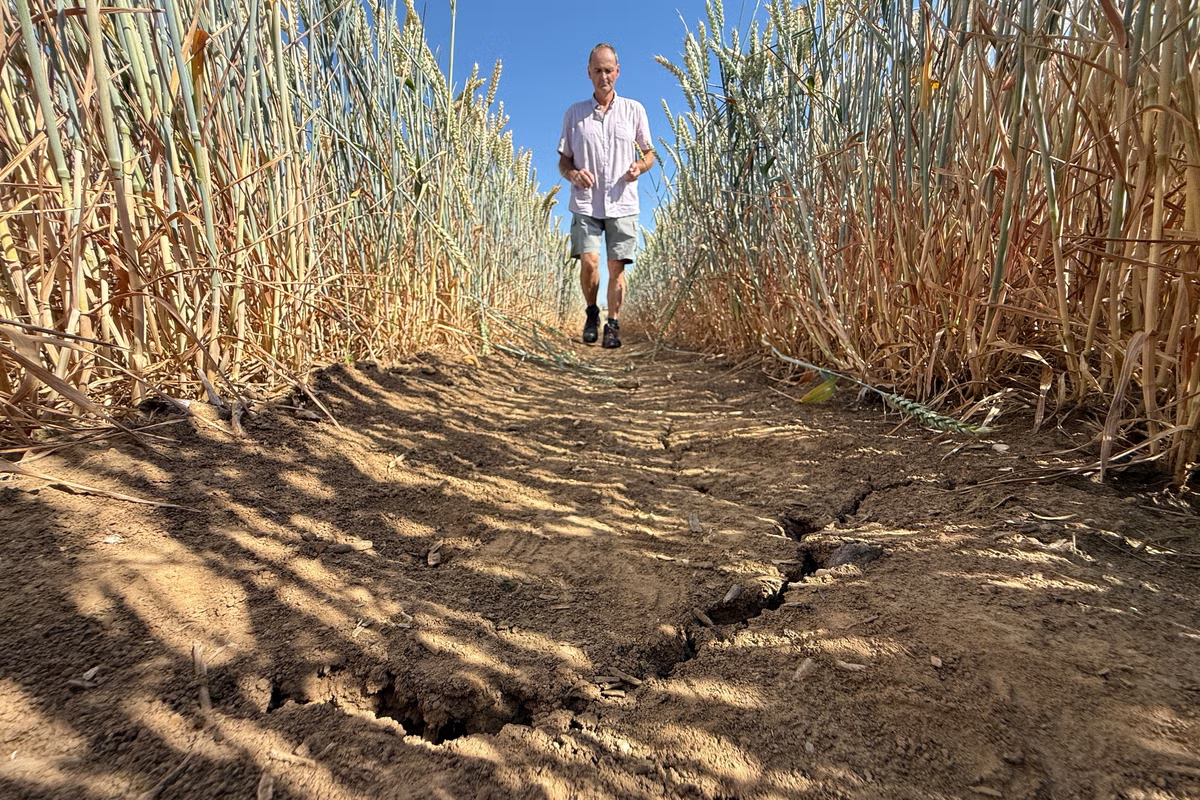
Last year the problem for British farmers was too much summer rain, leading to waterlogged fields and lost crops. This year the challenge has been the reverse: prolonged, intense hot weather, leading to large parts of England being declared officially in drought. Dramatic local and regional variations complicate the picture. While some farmers are warning of smaller vegetables in supermarkets following disappointing early harvests, others have fared quite well. It is too soon to draw firm conclusions or make decisive comparisons with previous years. What is already beyond doubt, however, is the immense challenge of adapting to an altered reality.