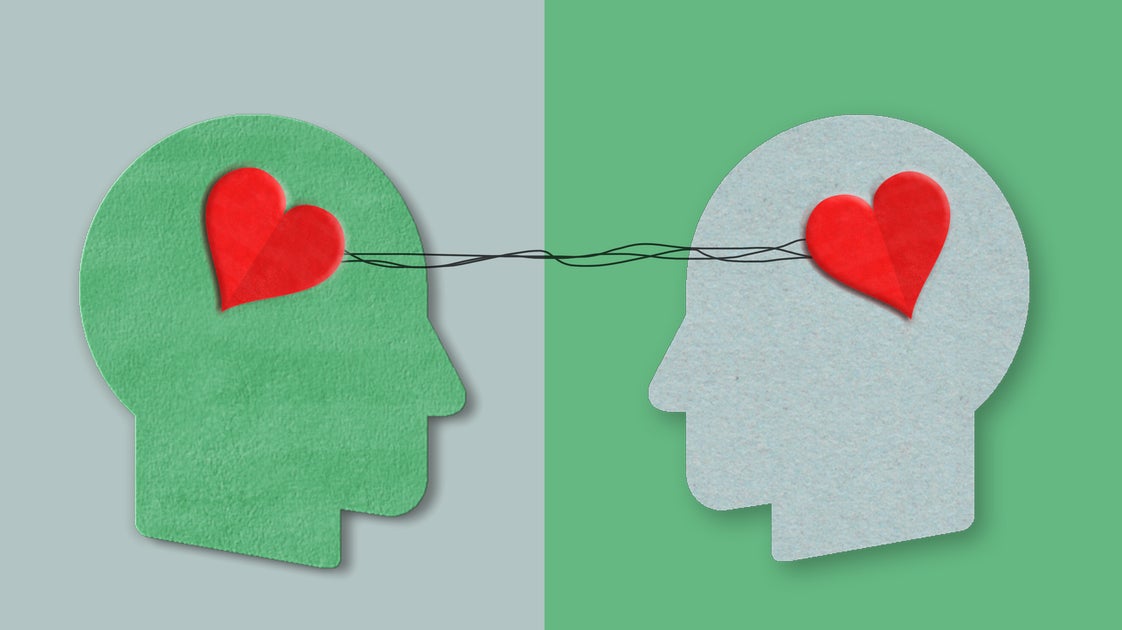
Empathy, whether in a friendship or a romantic relationship, draws on our own experiences to help others feel seen, heard and less alone, strengthening trust and building the capacity to support one another.
“Healthy empathy respects the autonomy of each person’s timeline for processing, problem-solving or responding. It is different from sympathy in that we feel with a person, instead of feeling sorry for a person,” explained adult psychotherapist Rebecca Love.
At its core, healthy empathy also involves strong boundaries that separate our emotions from someone else’s. But the balance tips when we step in to solve another person’s problems or take too much responsibility for their feelings, shifting into what’s called “toxic empathy.”
“It’s a state of overidentifying and over-responsibility for another’s emotional state, well-being or problem-solving, to the detriment of your own relationships, self-care and sense of peace,” Love said.
While excusing someone’s behavior because you recognize their pain and understand their struggles may come from a caring place, consistently overidentifying with another person’s feelings or problems can ultimately harm both you and them.