HomeAI · summaries
Storia in 14 fonti
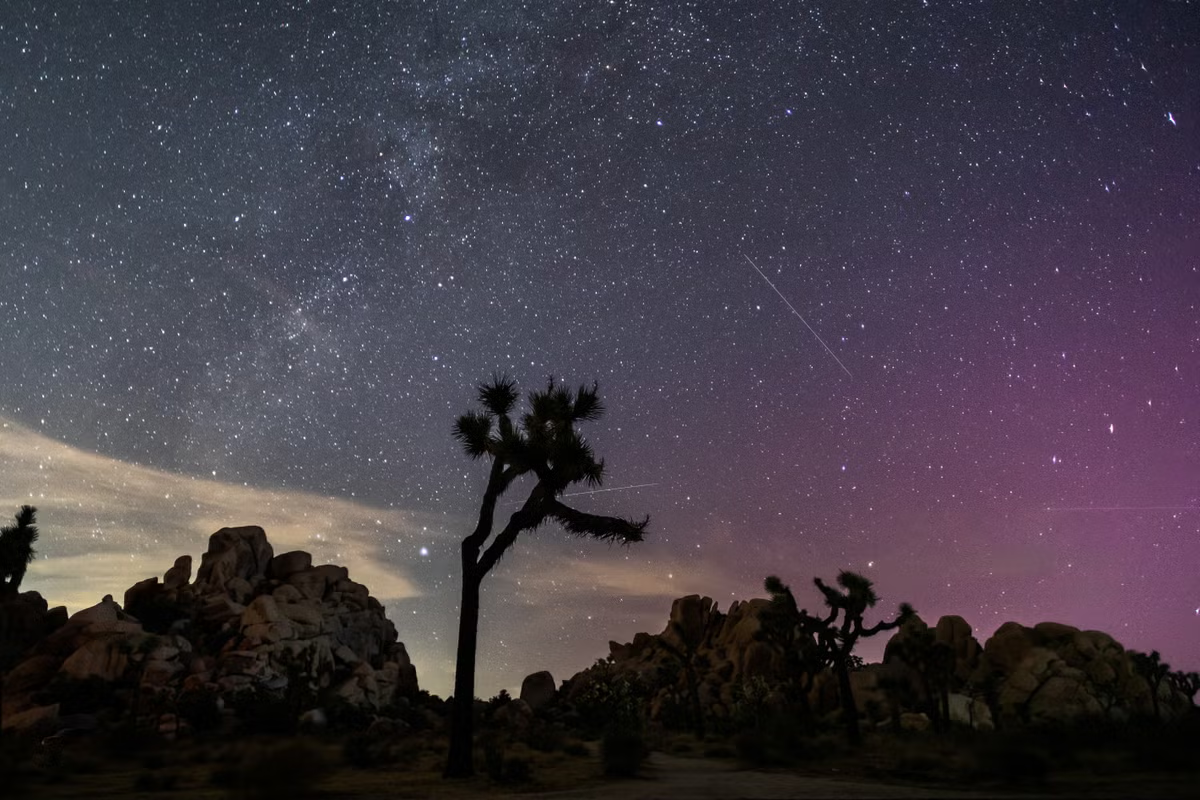
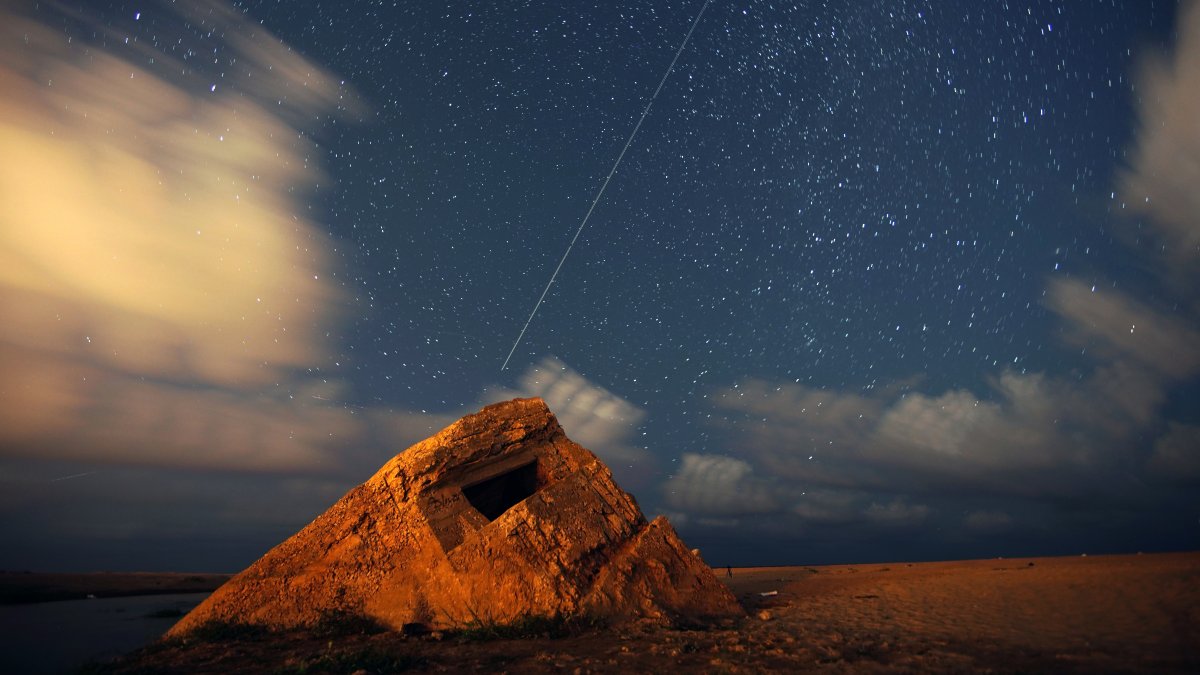
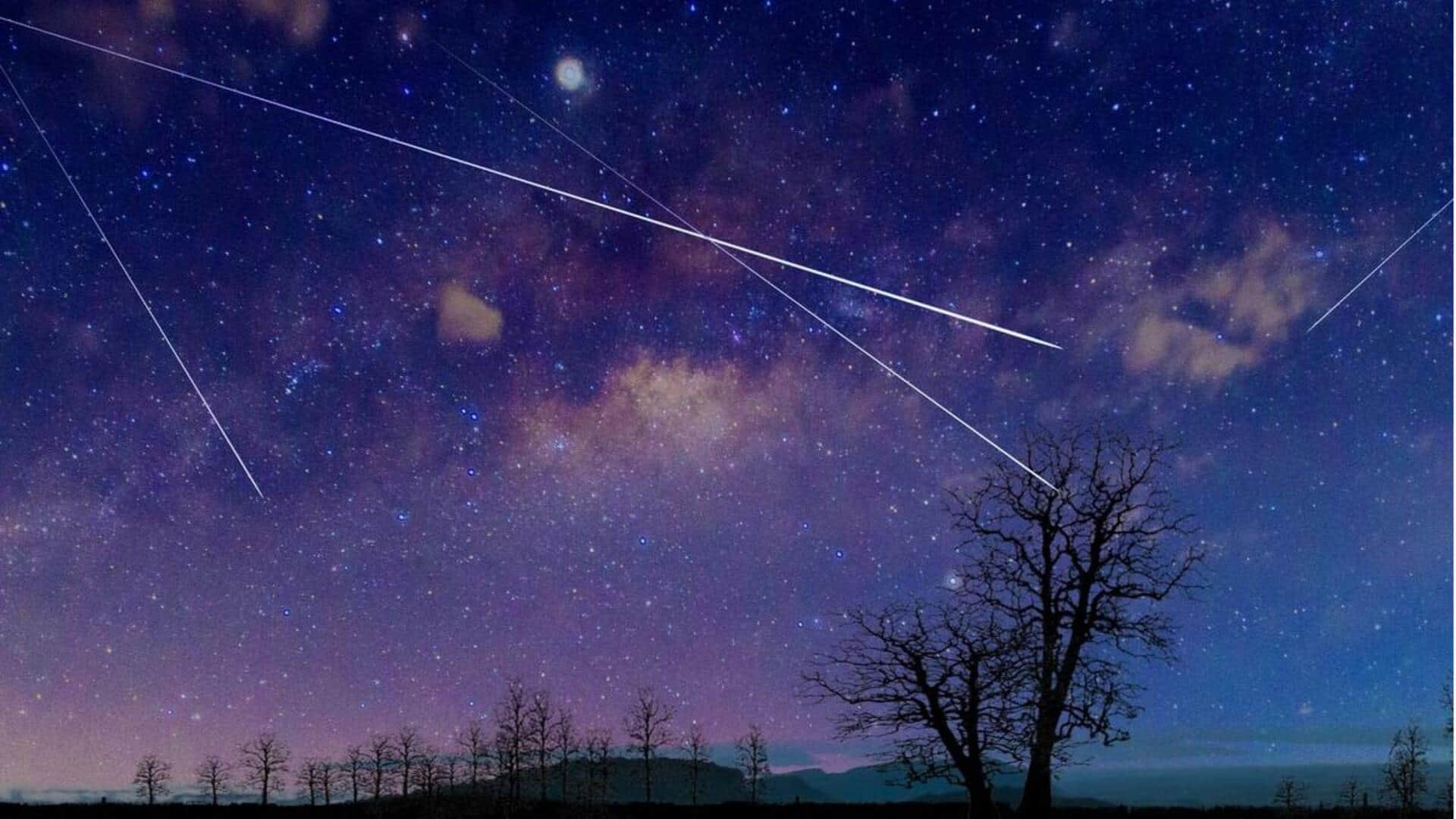
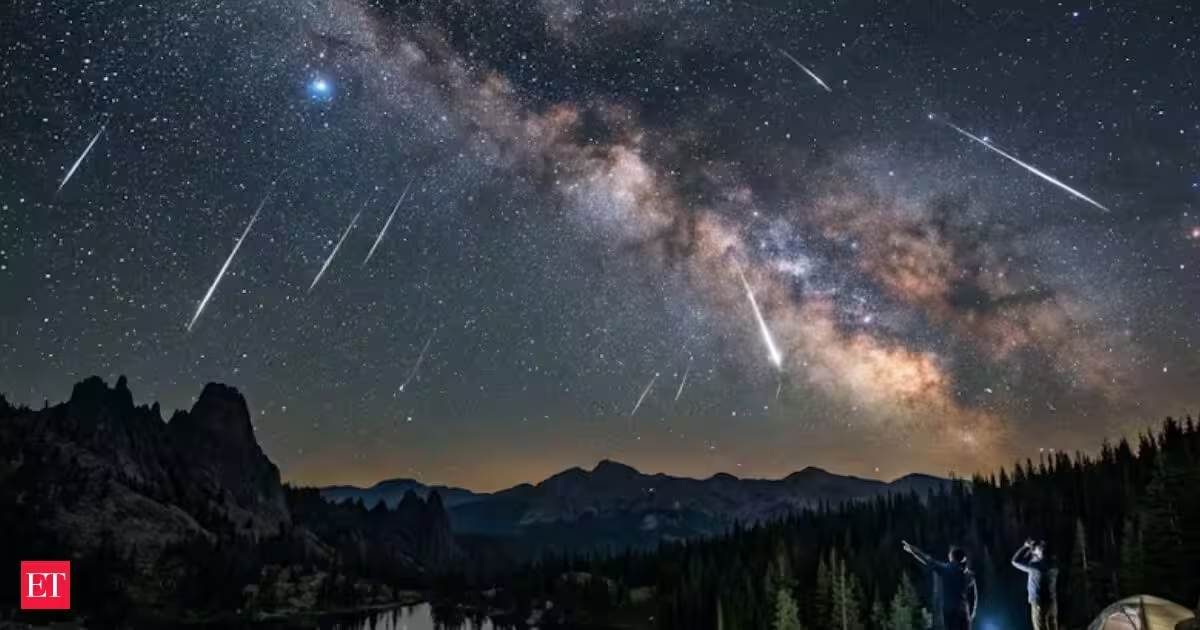
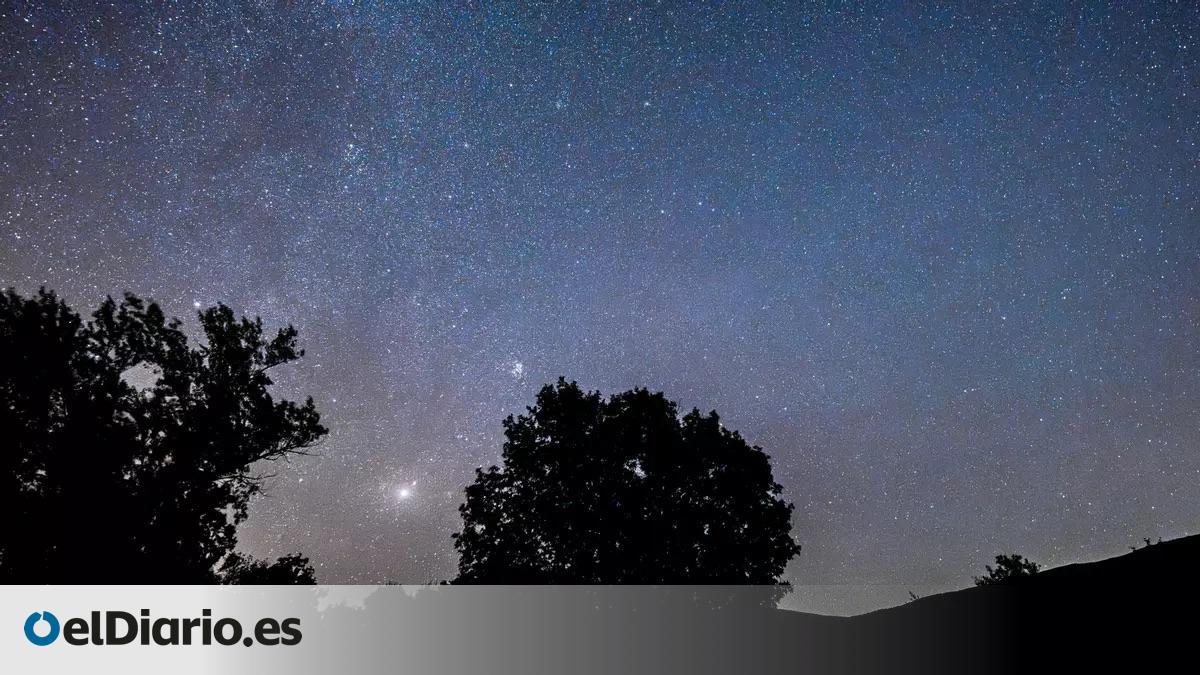
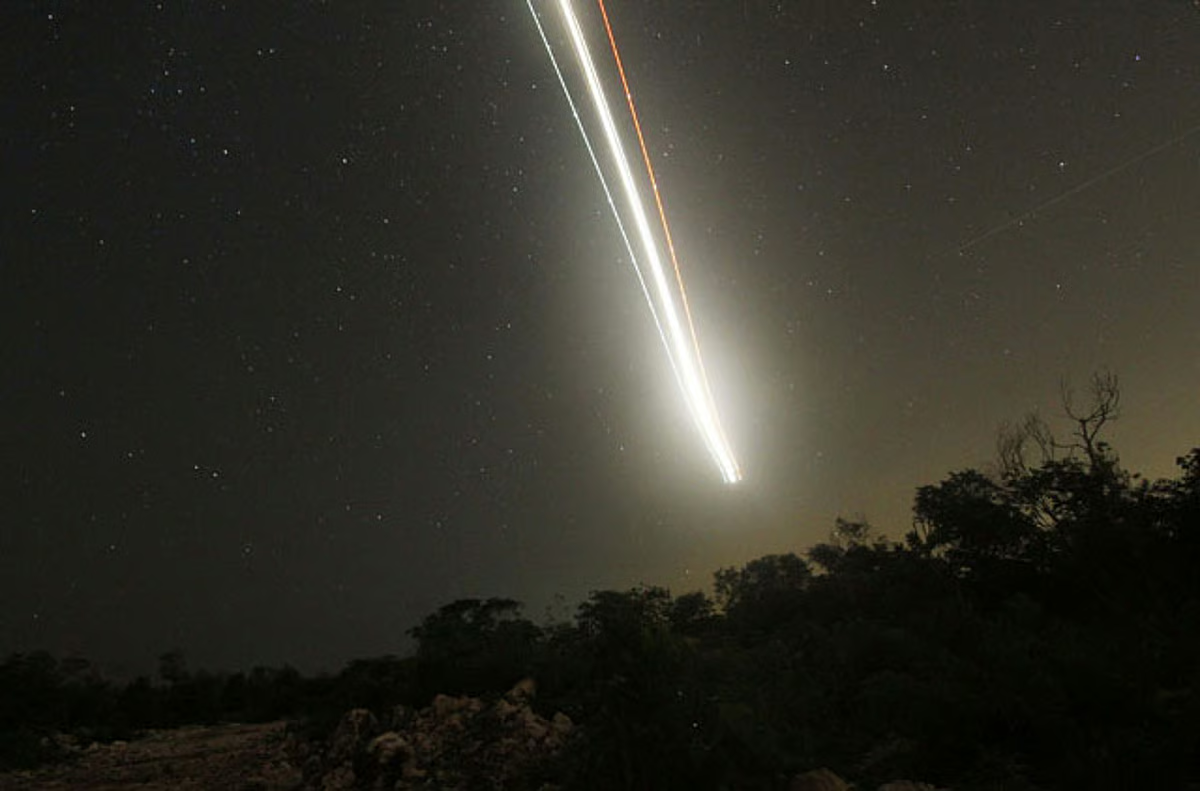
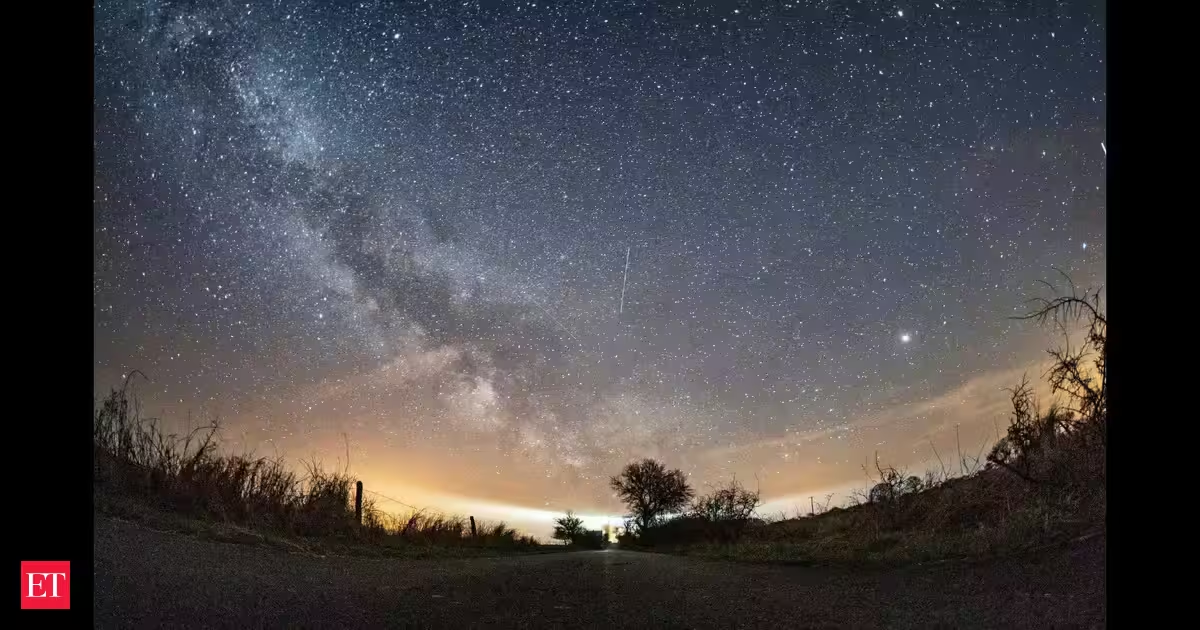
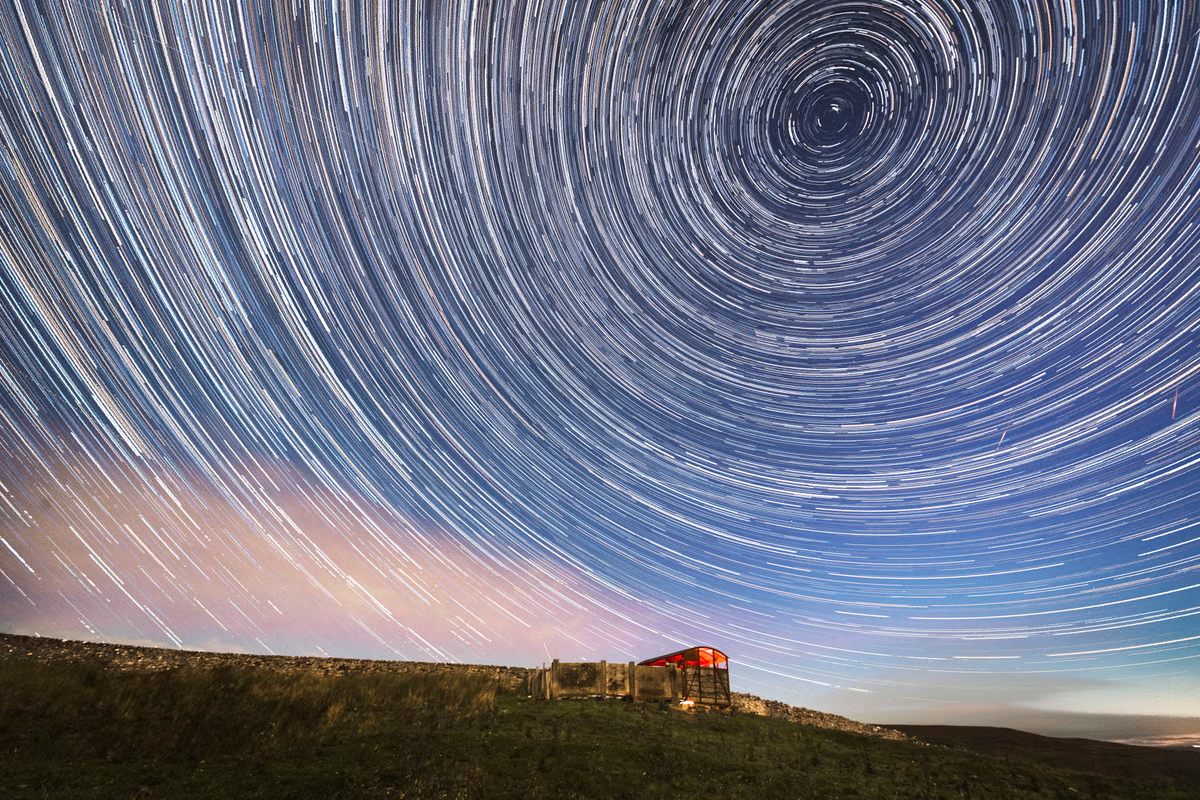
After over 2000 years, Perseid meteor shower summer light show is set to peak, dazzle skies with six-planet parade. Date, time, locations, how to watch fireballs
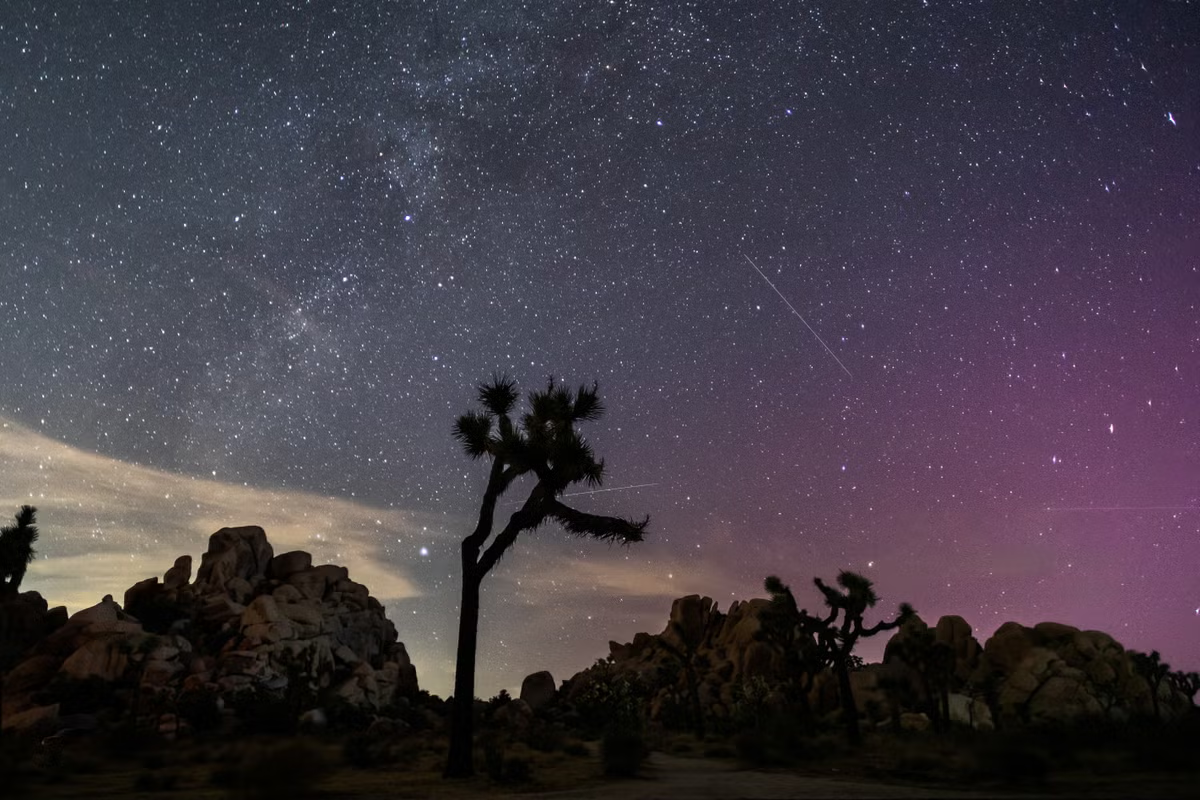
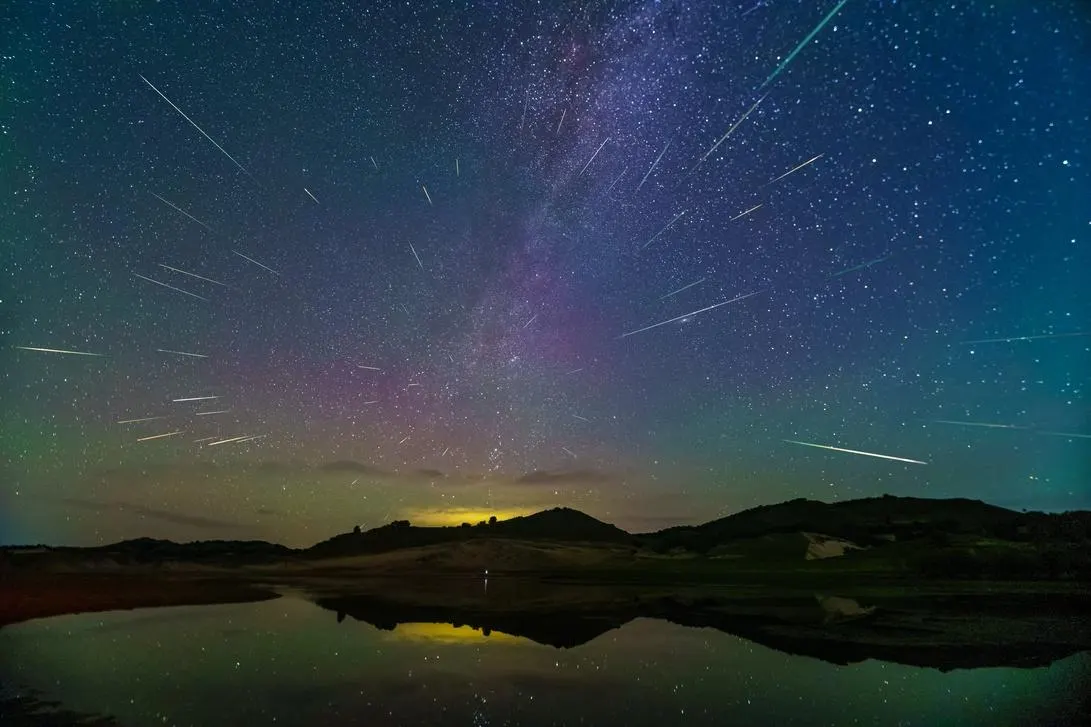
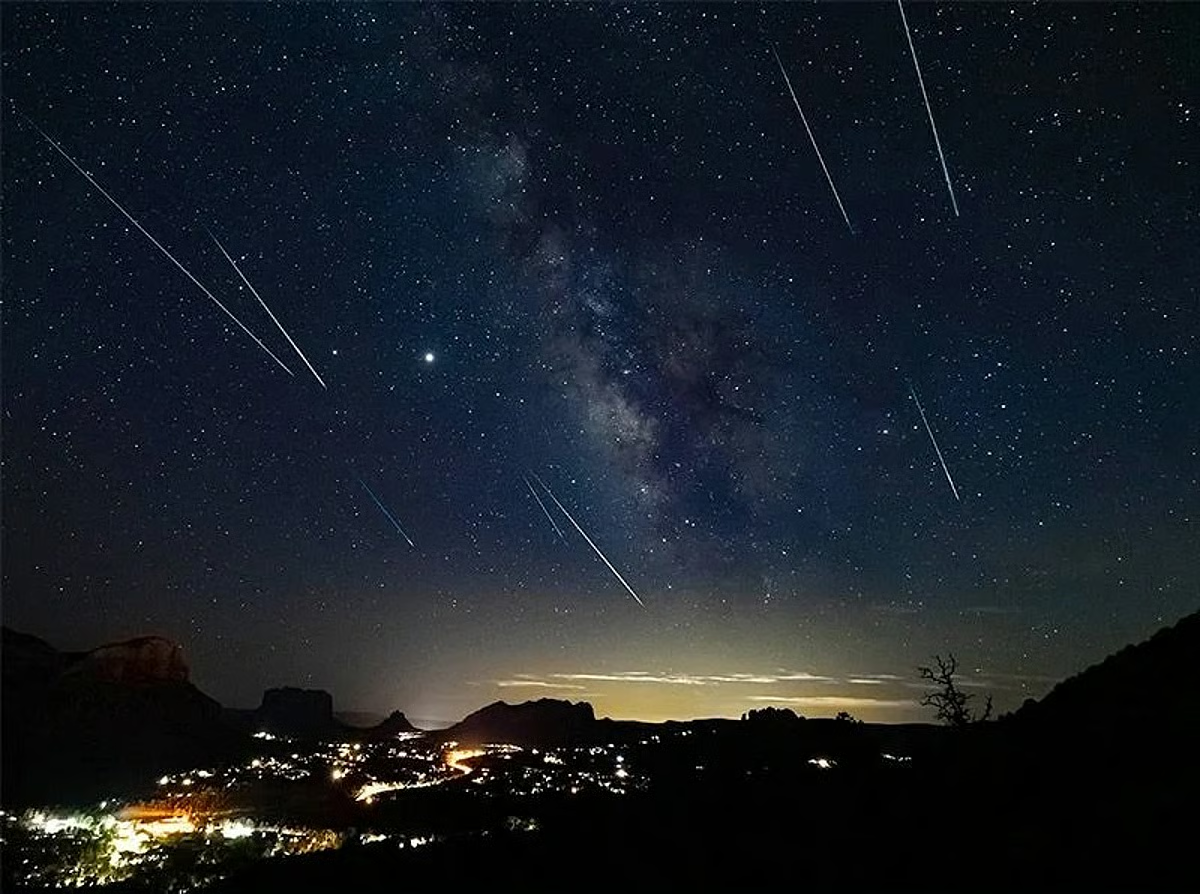
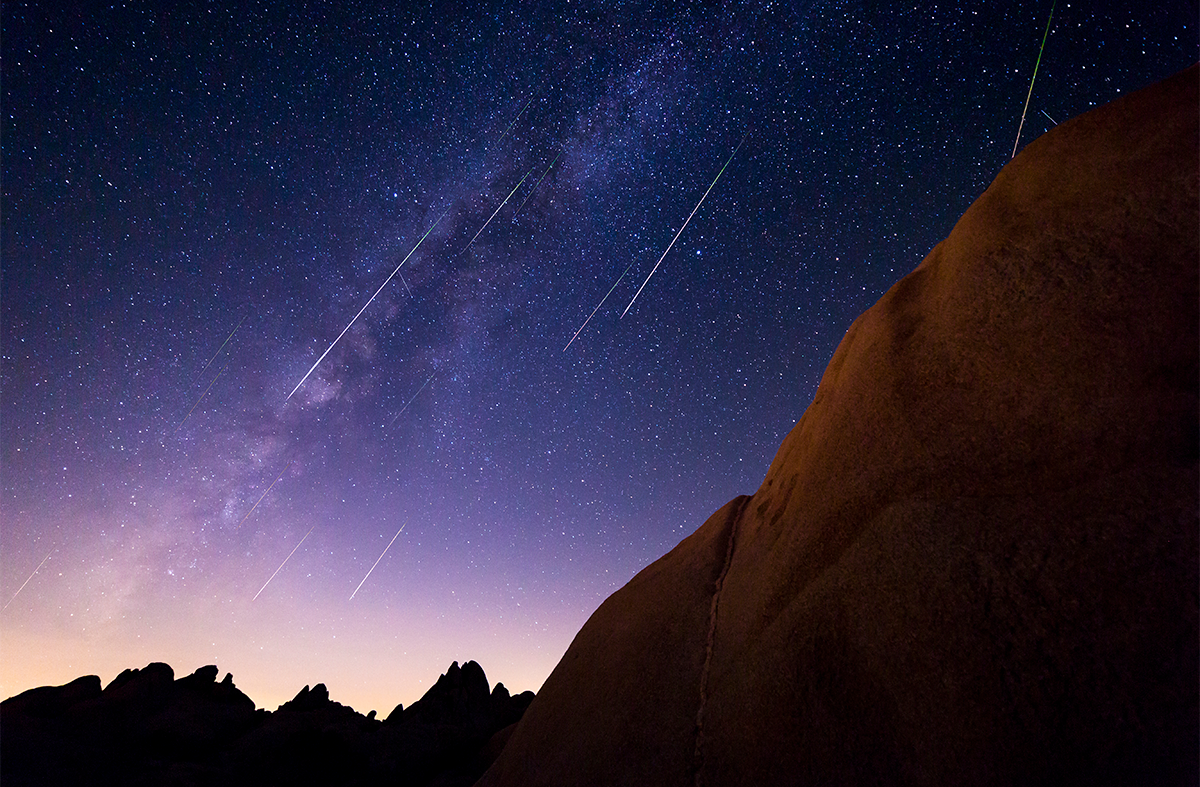
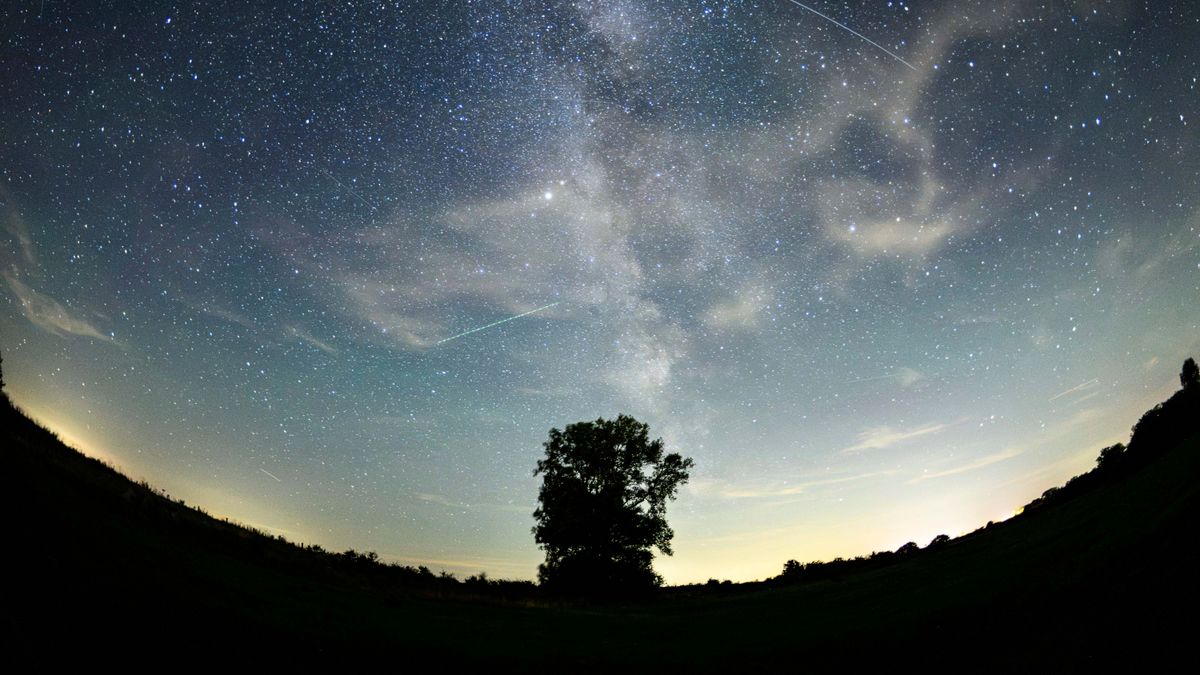
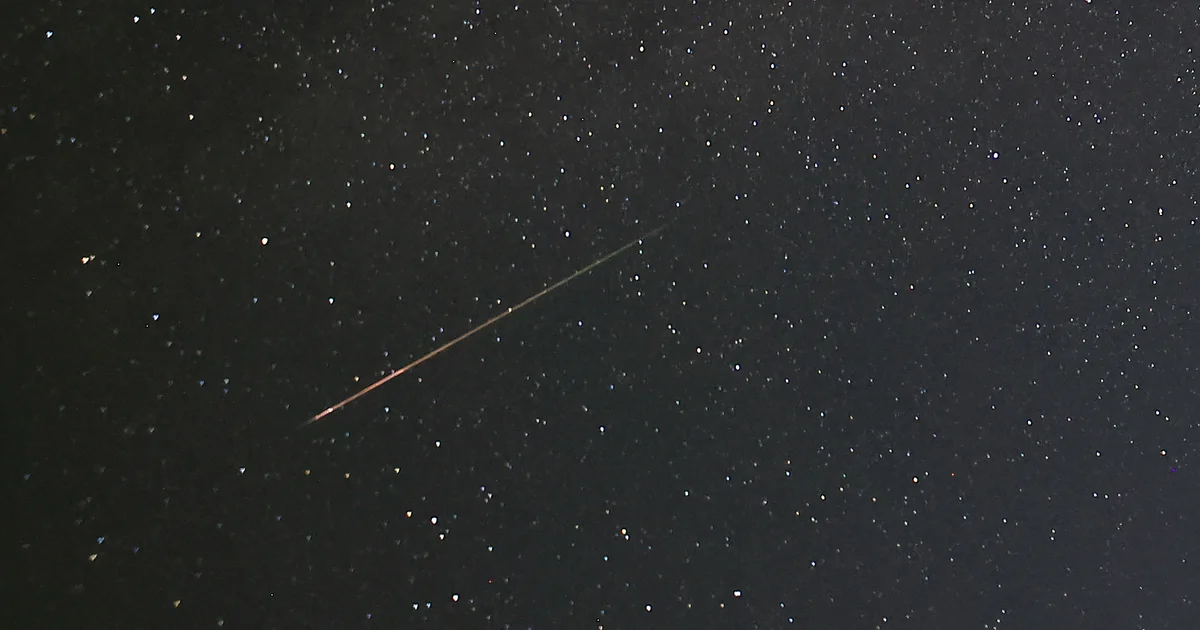
Perseids are debris from comet 109P/Swift-Tuttle, an icy ball that orbits the sun every 133 years and isn't scheduled for a return visit until 2125. Observations of this meteor shower date back over 2,000 years.
Confronto fonti
6 prospettive sulla stessa storiaTimeline cronologica
- ·
mirror.co.uk
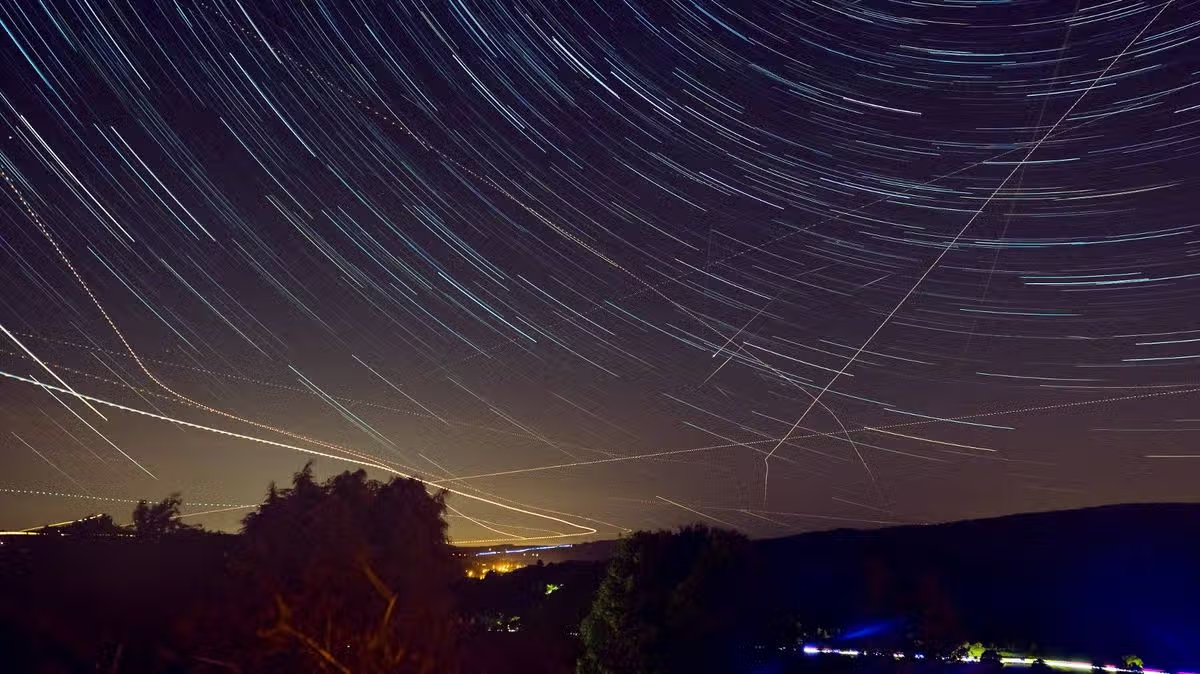
Meteor shower to dazzle over UK straight after solar eclipse - complete guide
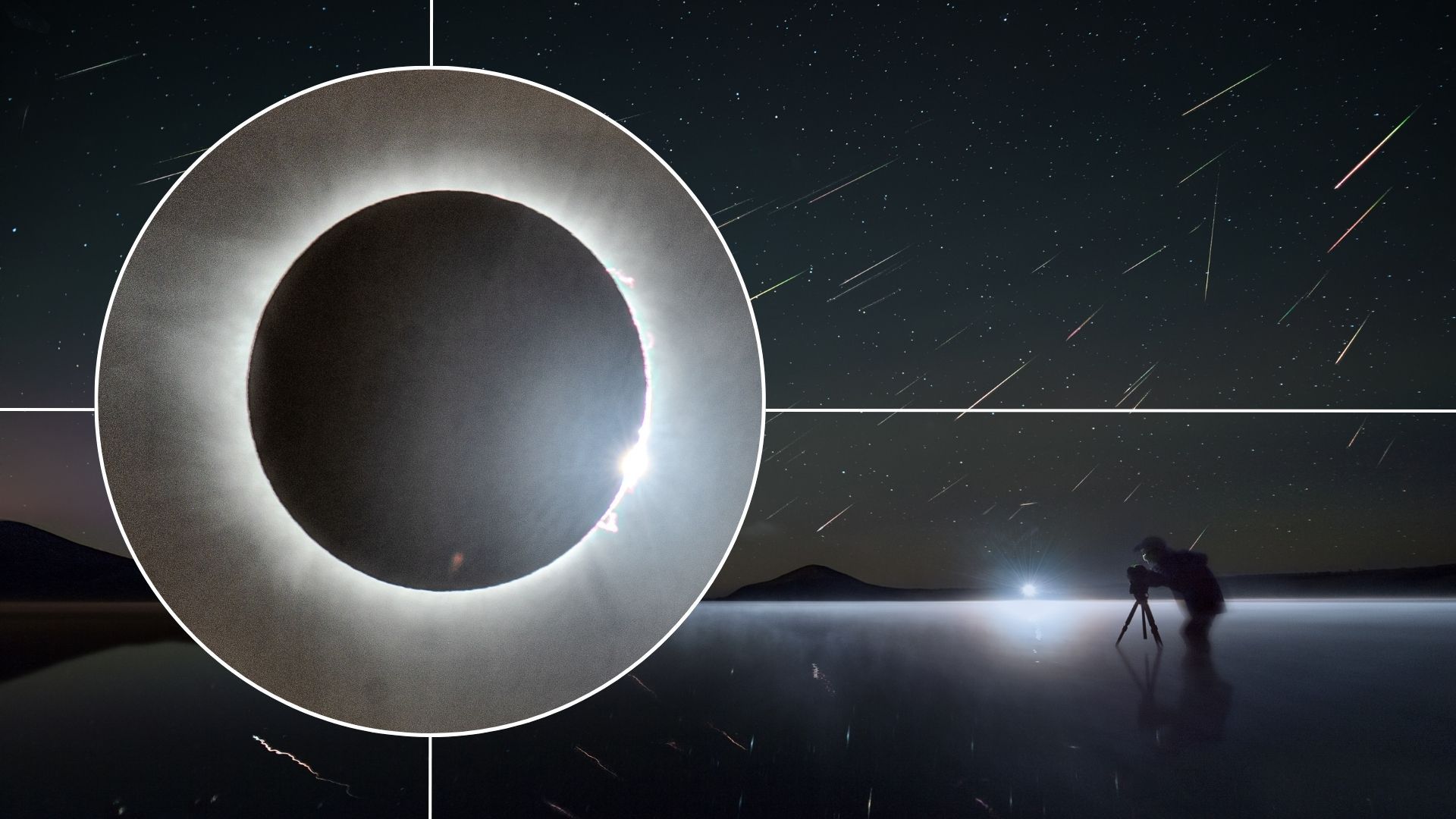
The August 12 solar eclipse will coincide with the peak of one of the year's most spectacular meteor showers - here's everything you need to know about the Perseids
- ·
apnews.com
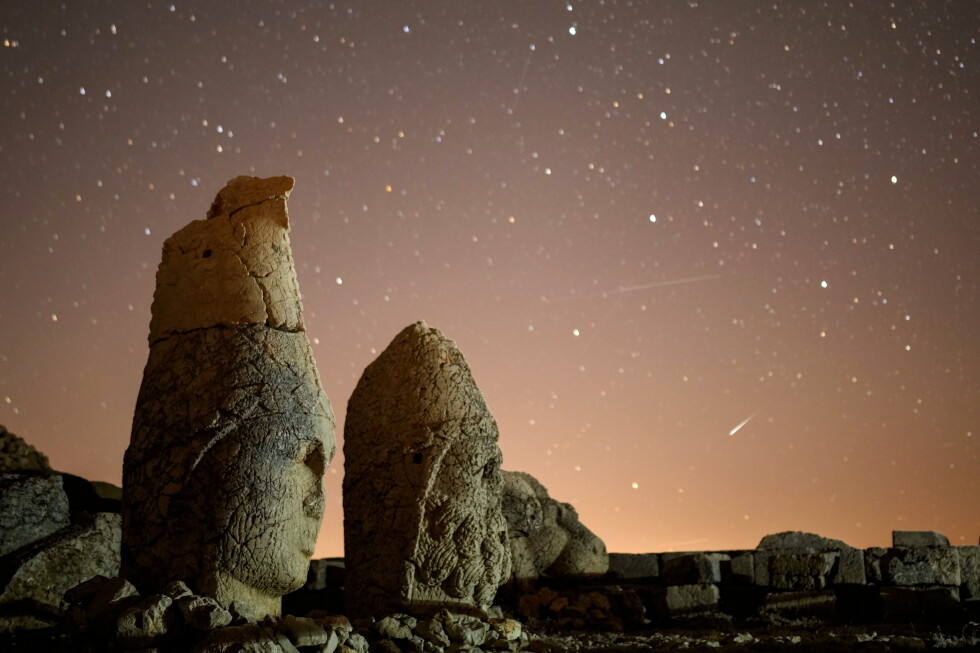
How to spot the Perseid meteor shower, a summer light show that promises to dazzle
Astronomers say viewing conditions are promising for the Perseid meteor shower this year. A new moon will prevent moonlight from spoiling the show.