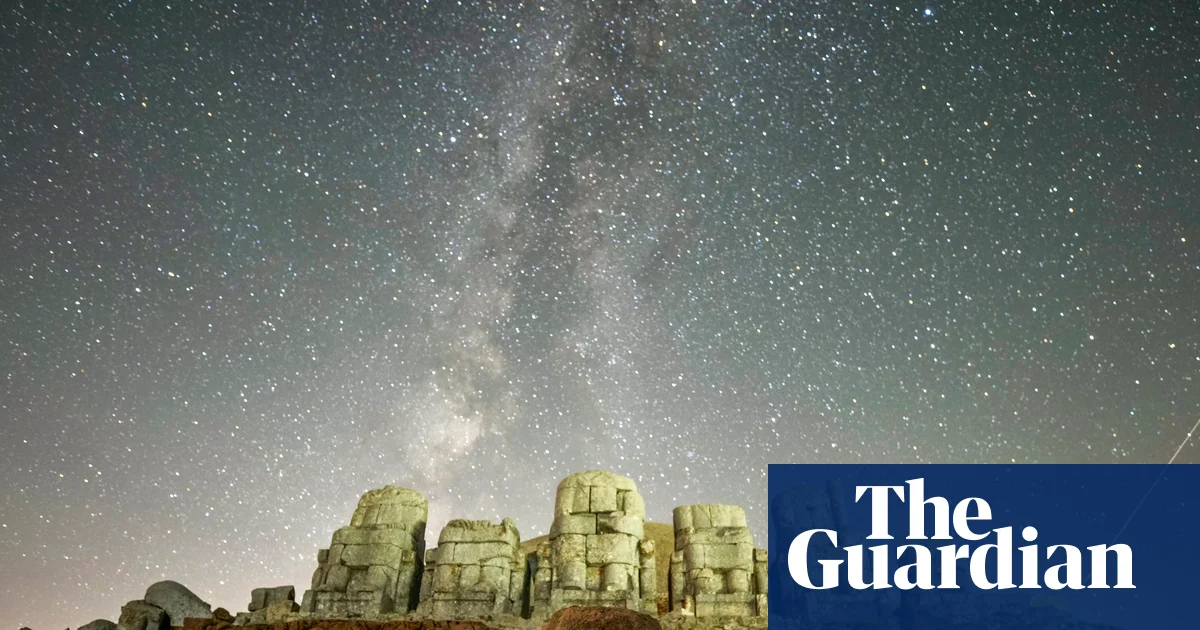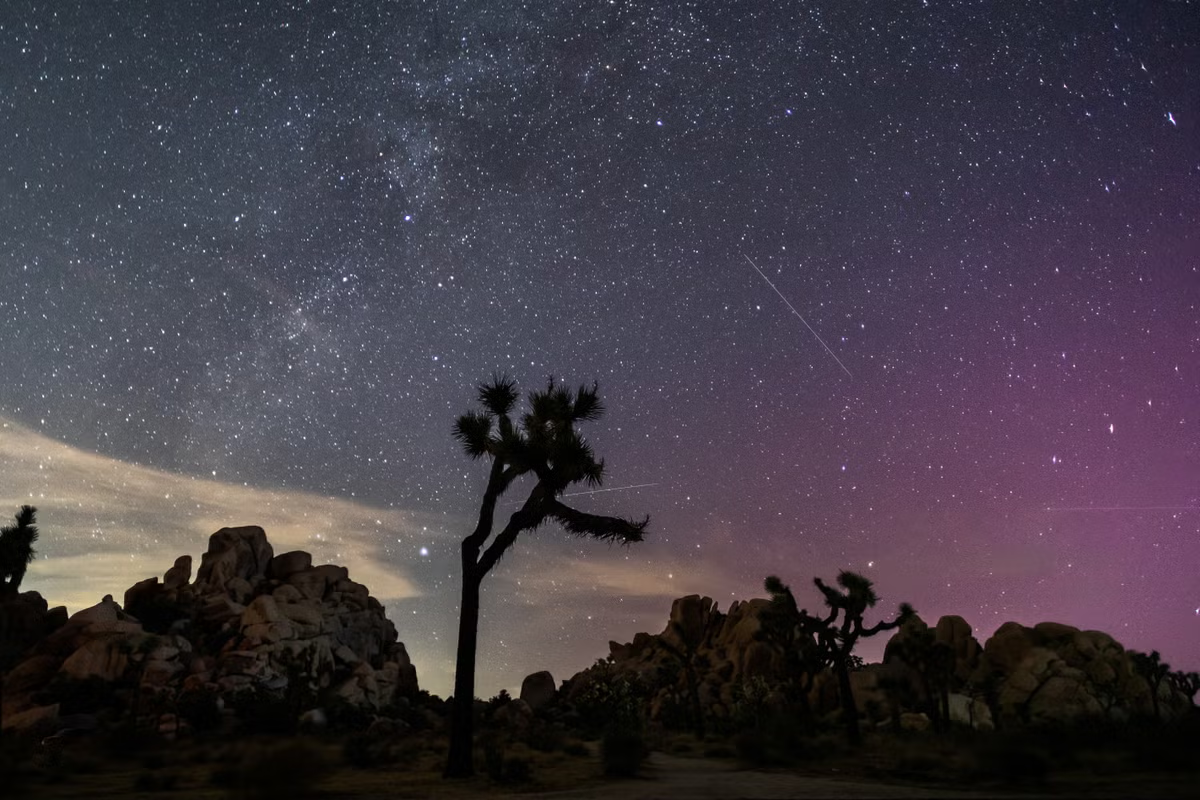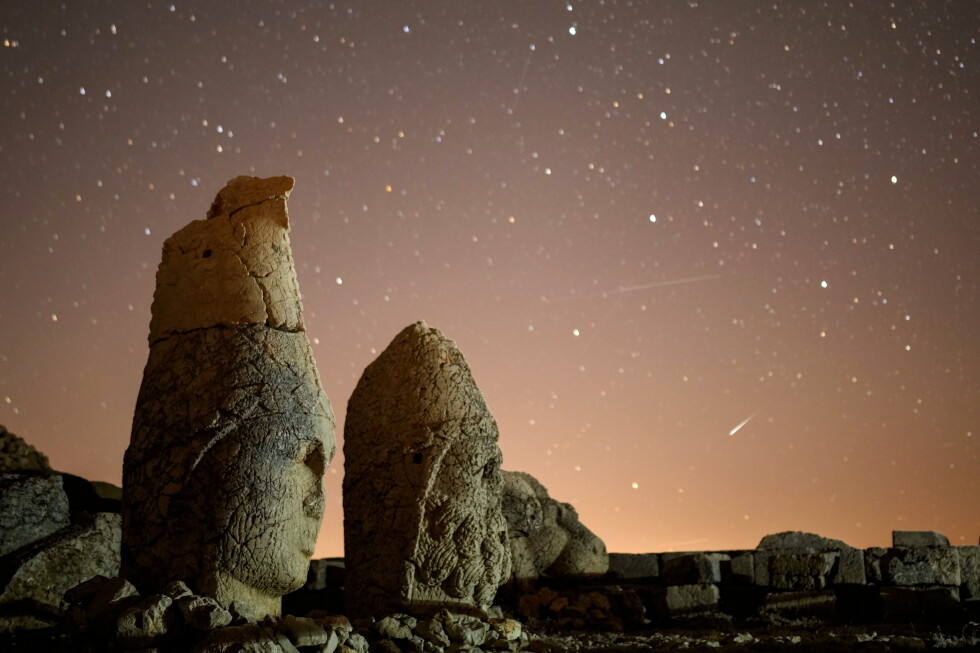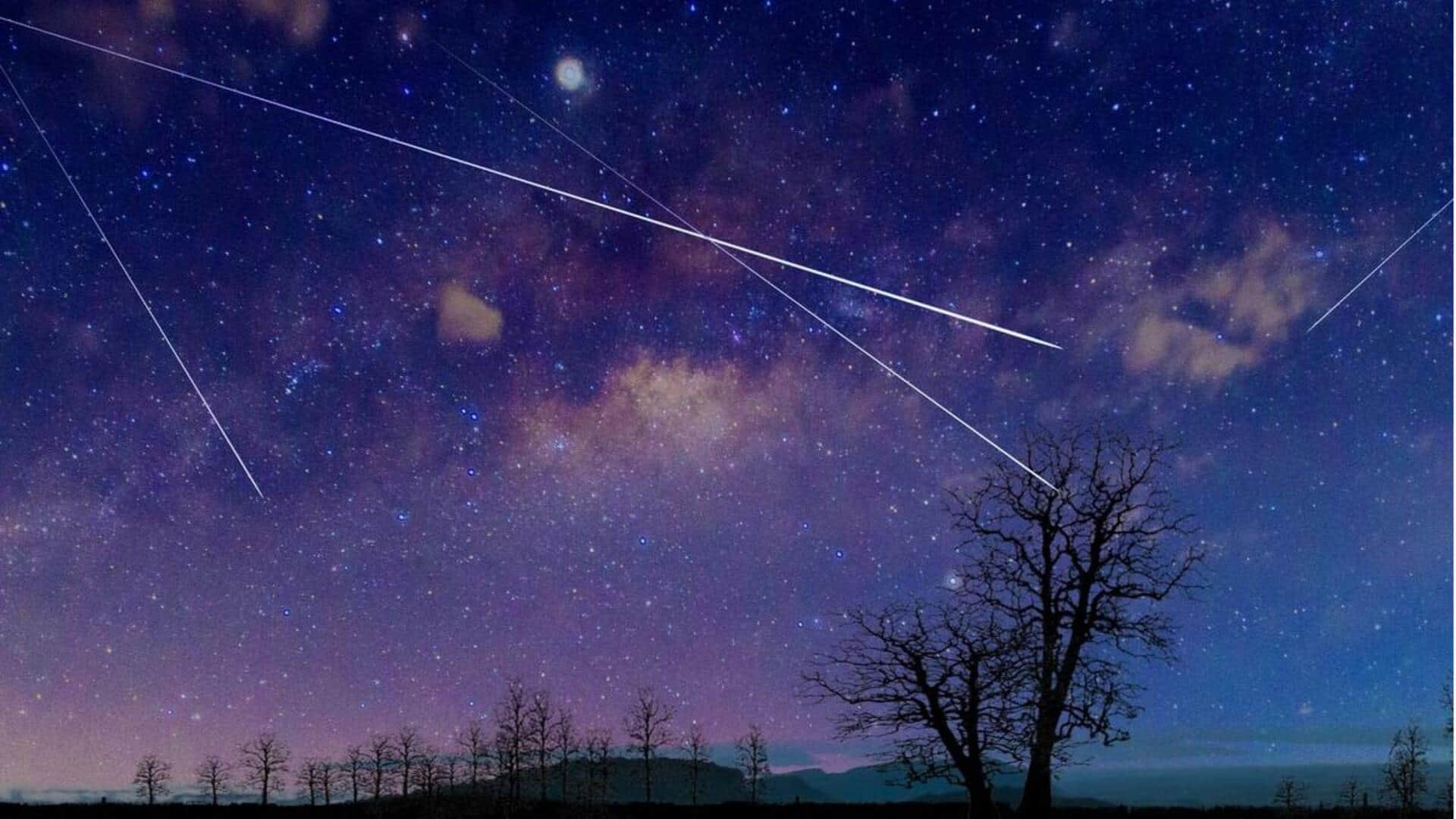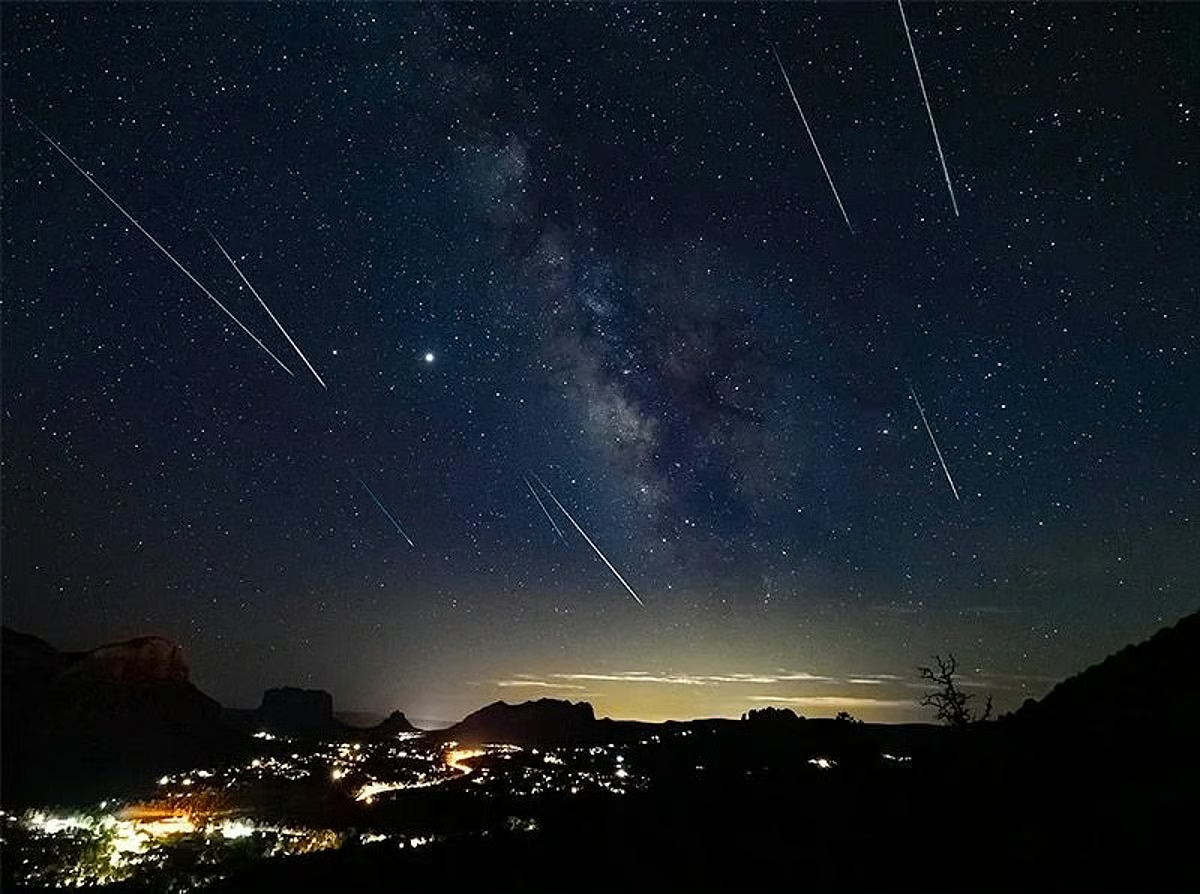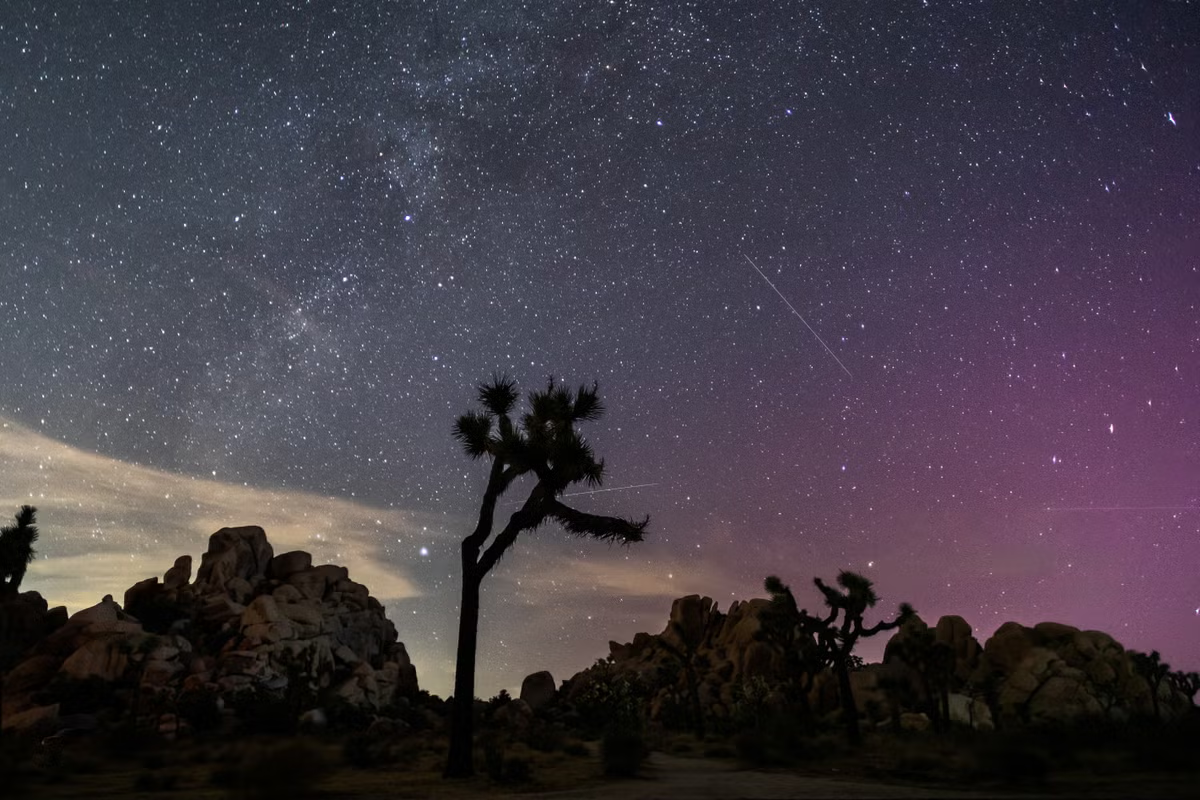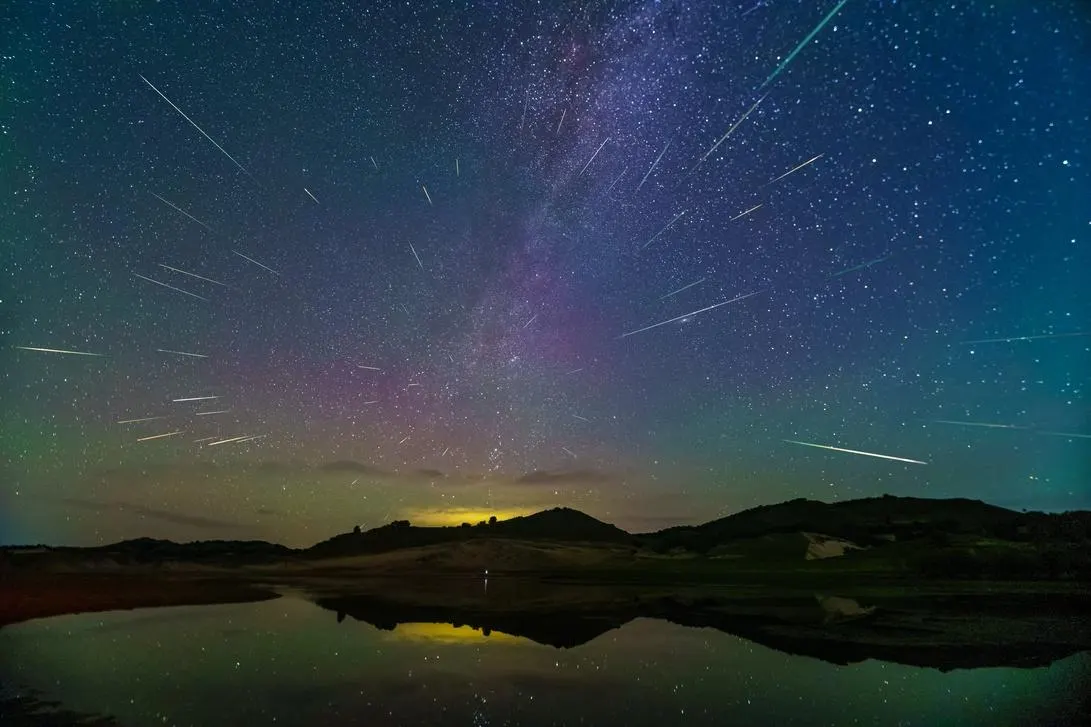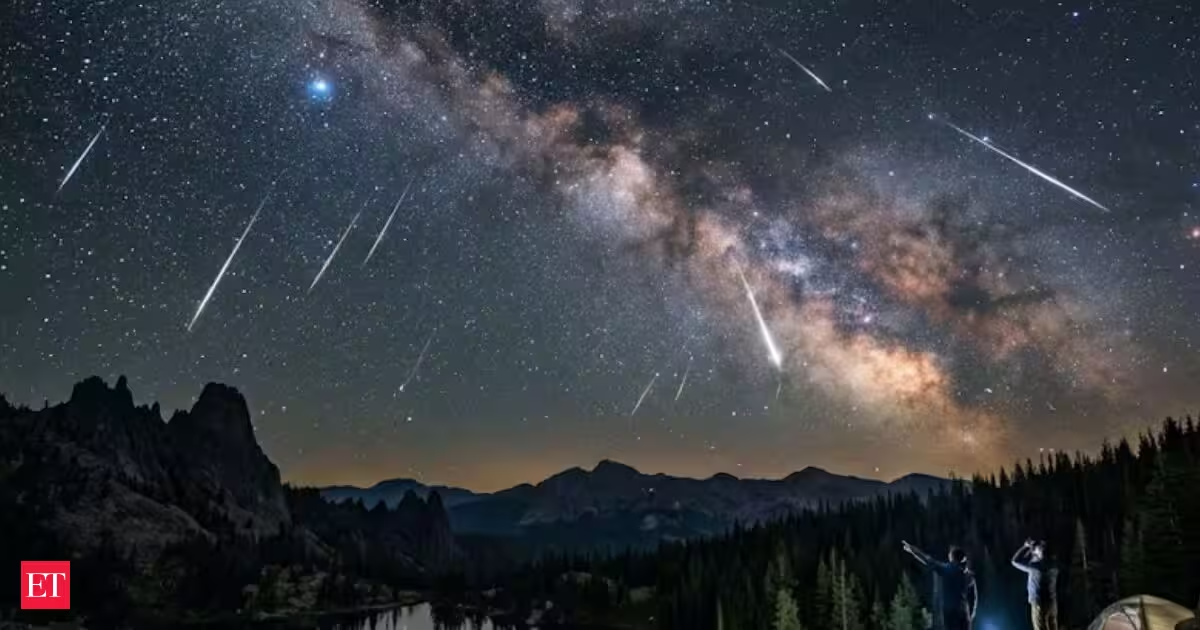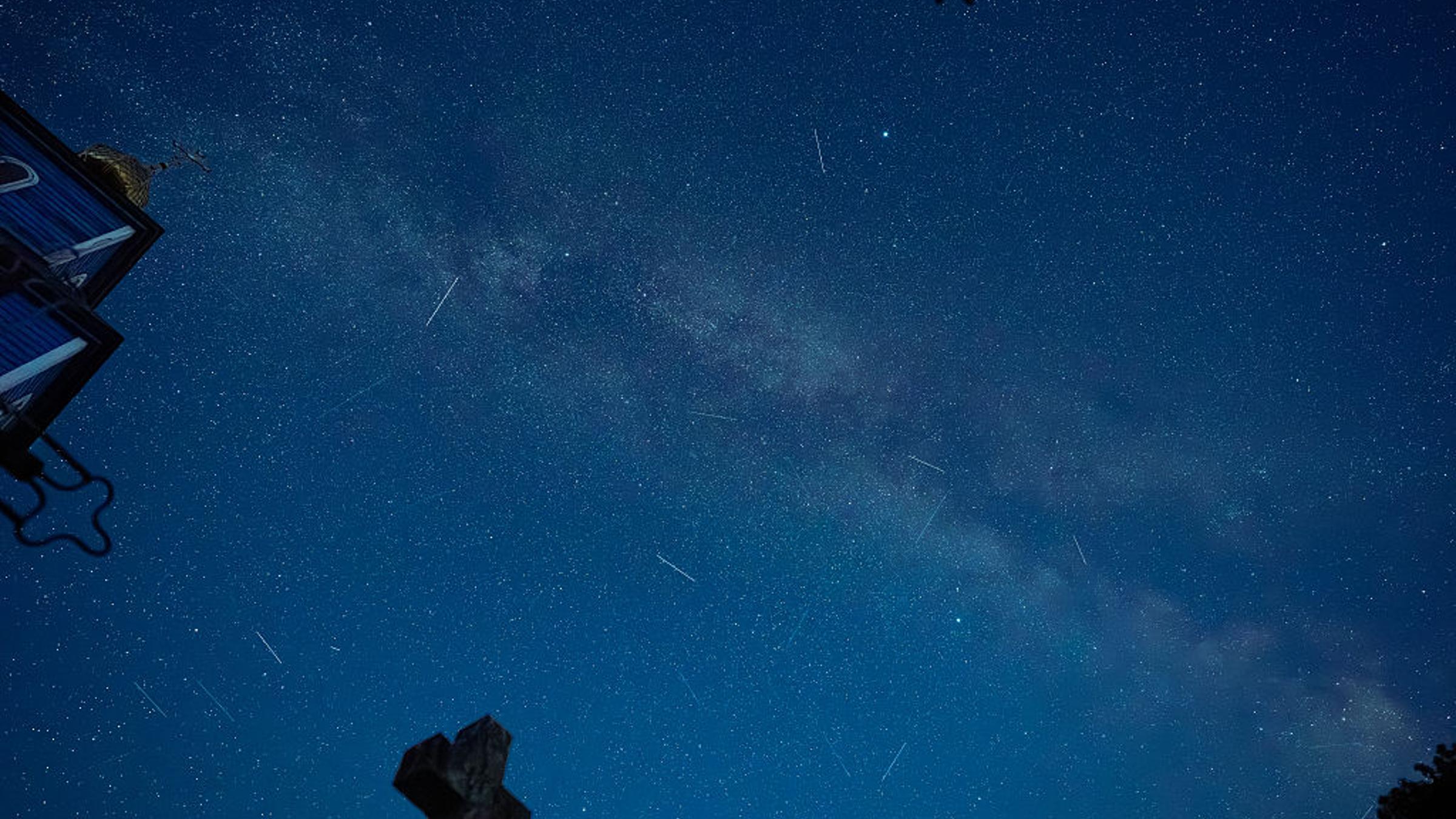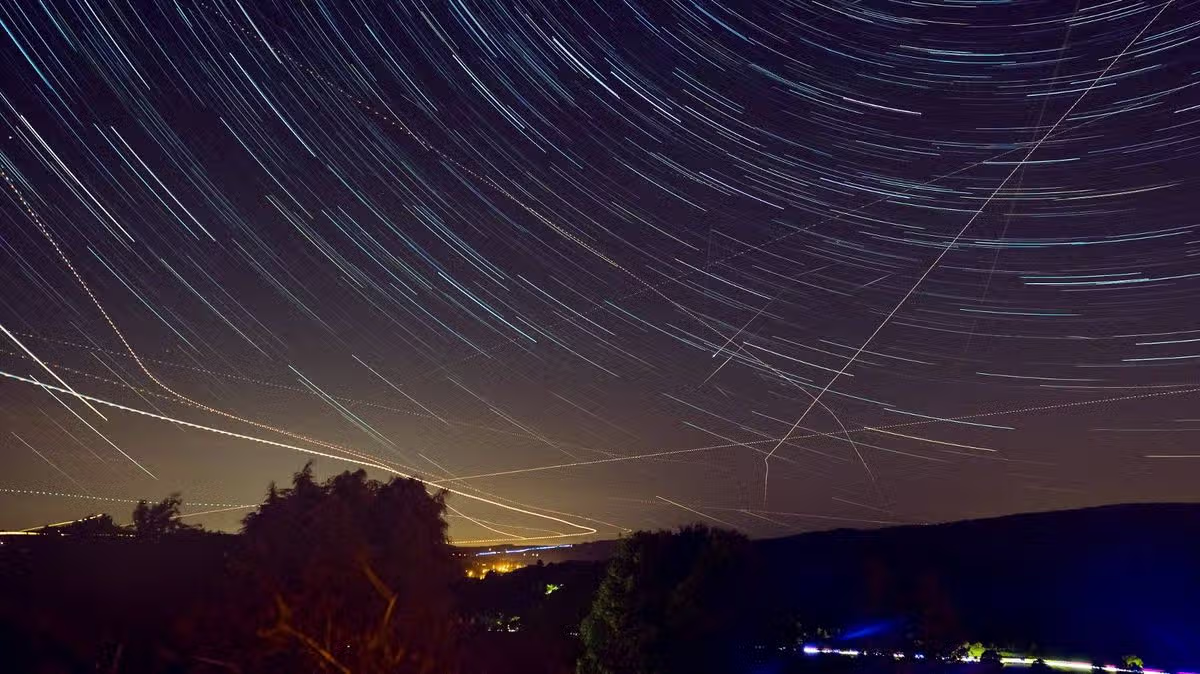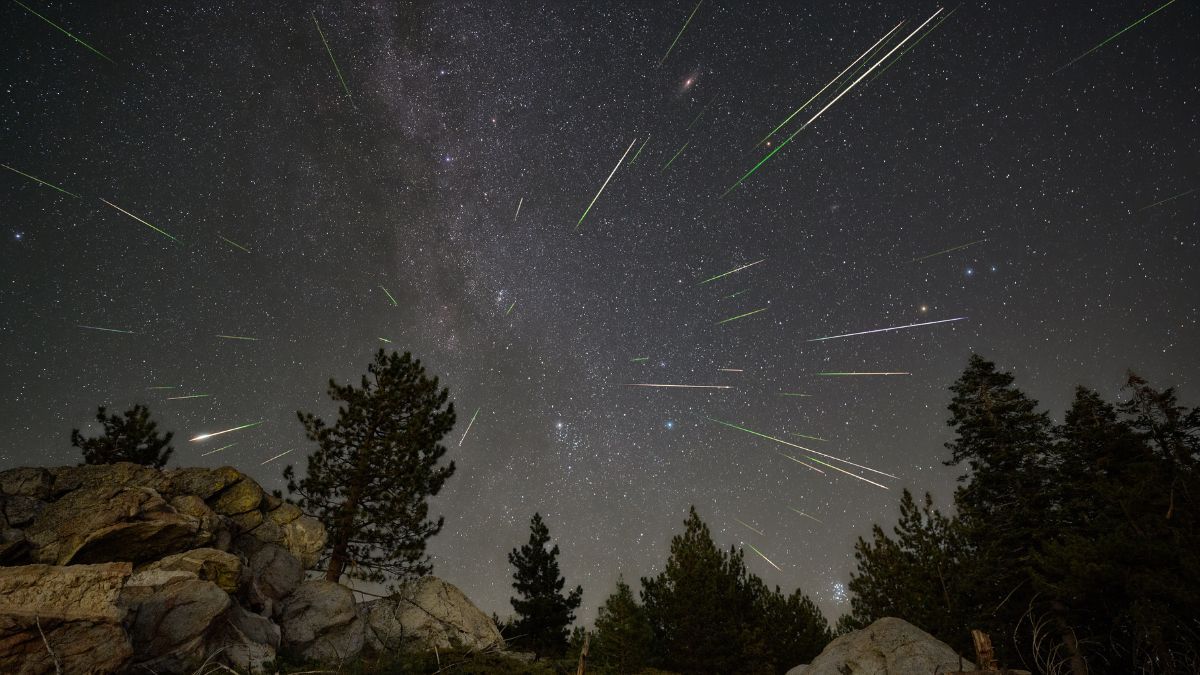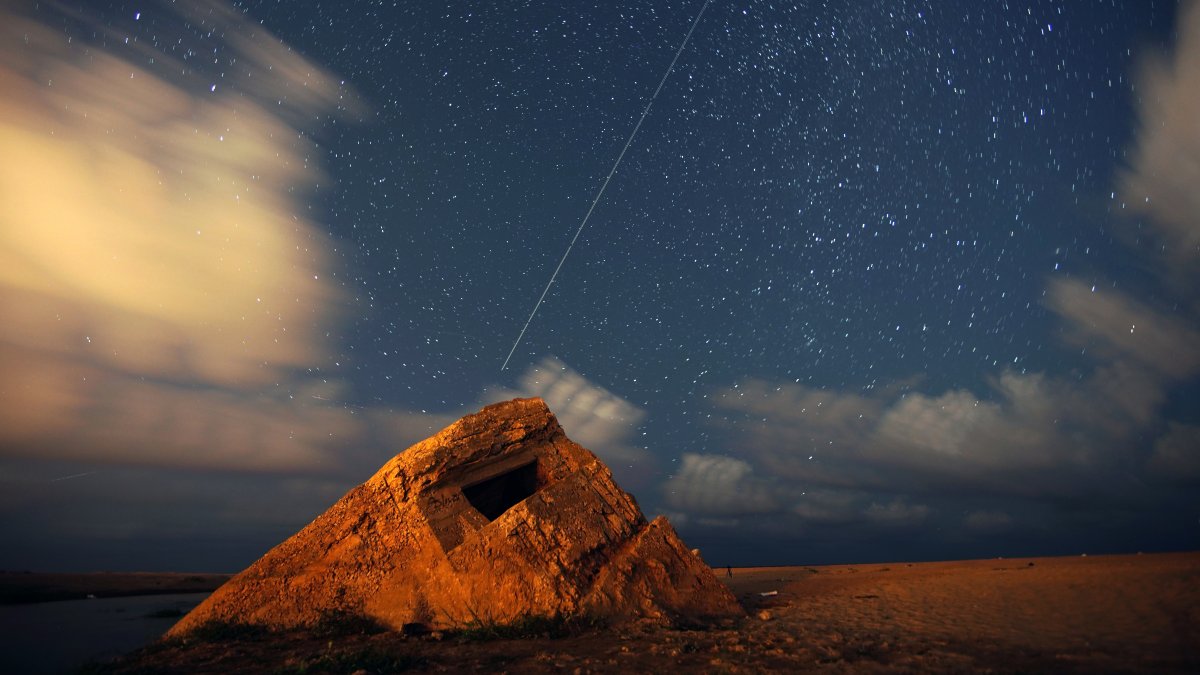
The Perseid summer light show is back and viewing conditions are especially promising for the Northern Hemisphere.
The meteor shower's peak Wednesday night into Thursday morning coincides with a total solar eclipse across Spain, Iceland and Greenland and a six-planet parade – though the best time to view the fireballs will come after totality.
As many as 50 to 100 meteors per hour may be visible under ideal conditions, according to NASA. The American Meteor Society estimates 30 to 50 meteors per hour could be seen from rural regions.
Random meteors are visible in dark skies on any given night. Meteor showers tend to put on dazzling celestial shows and happen at predictable times every year when the Earth plows through trails of debris left behind by comets and, sometimes, asteroids. Those remnants collide with Earth’s atmosphere at extremely high speeds, producing streaks of light known as shooting stars.
"Comets typically have orbits that cross the orbit of the Earth. So as they get near the sun and the sun evaporates the ice, a lot of the dirt and crap that’s frozen into the comet gets released, and continues in orbit around the sun," astrophysicist Neil DeGrasse Tyson told The Associated Press (AP) on Sunday.