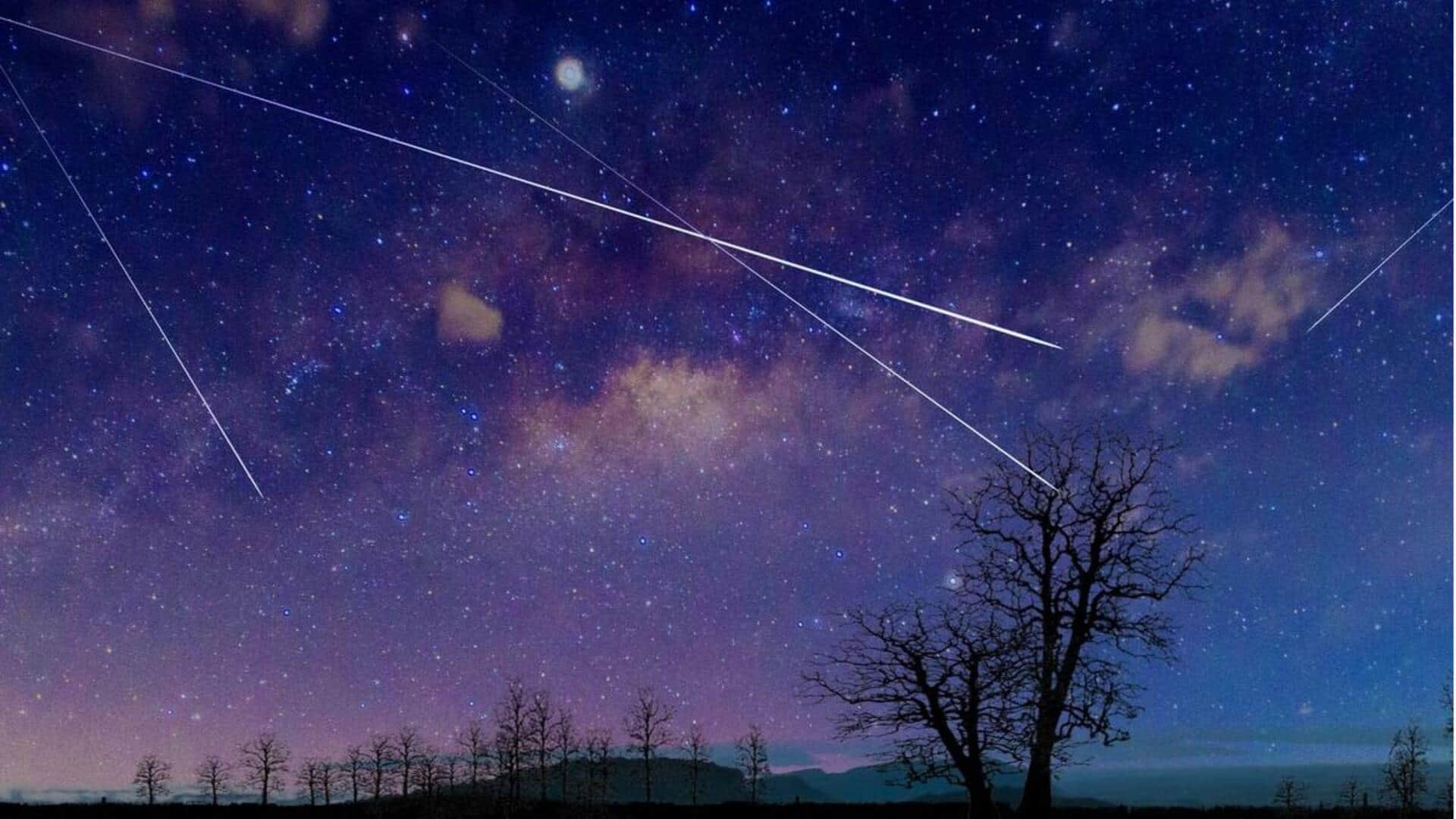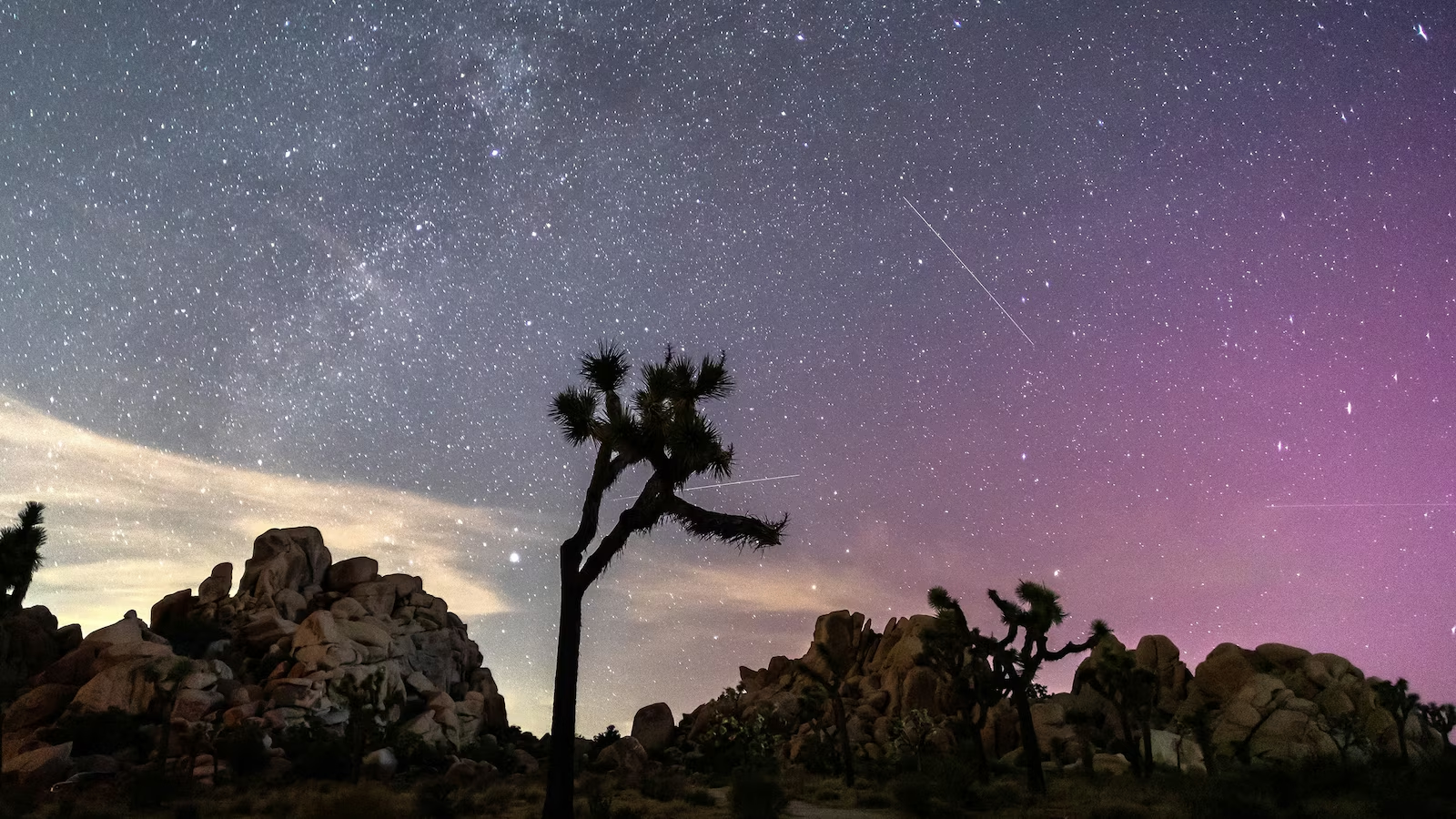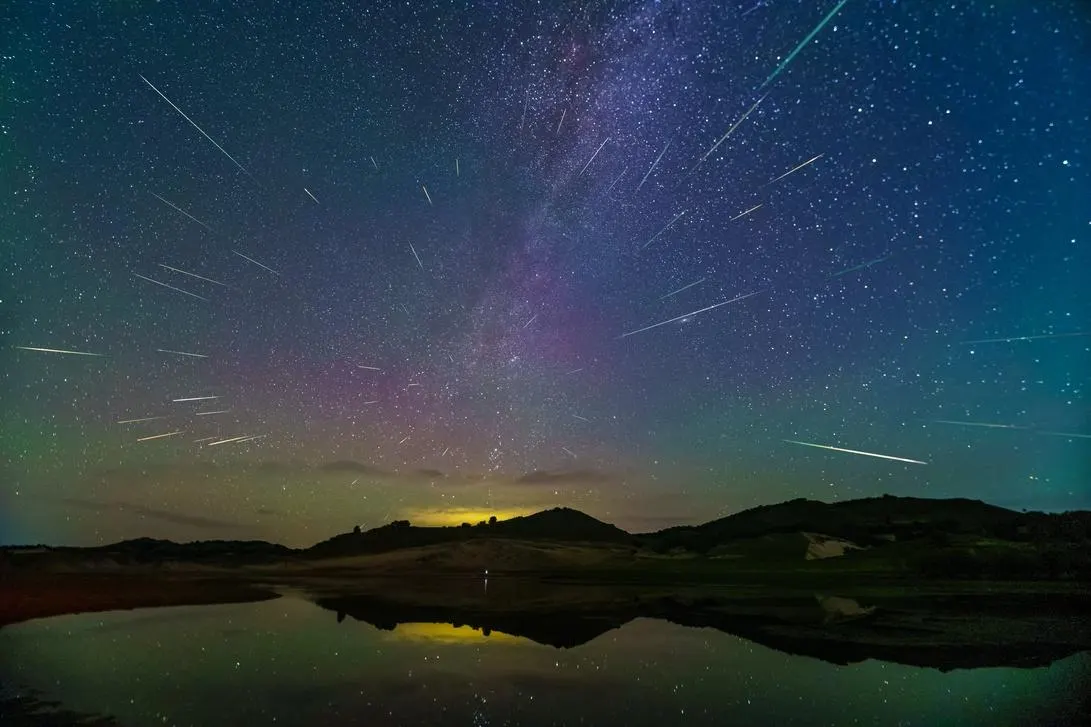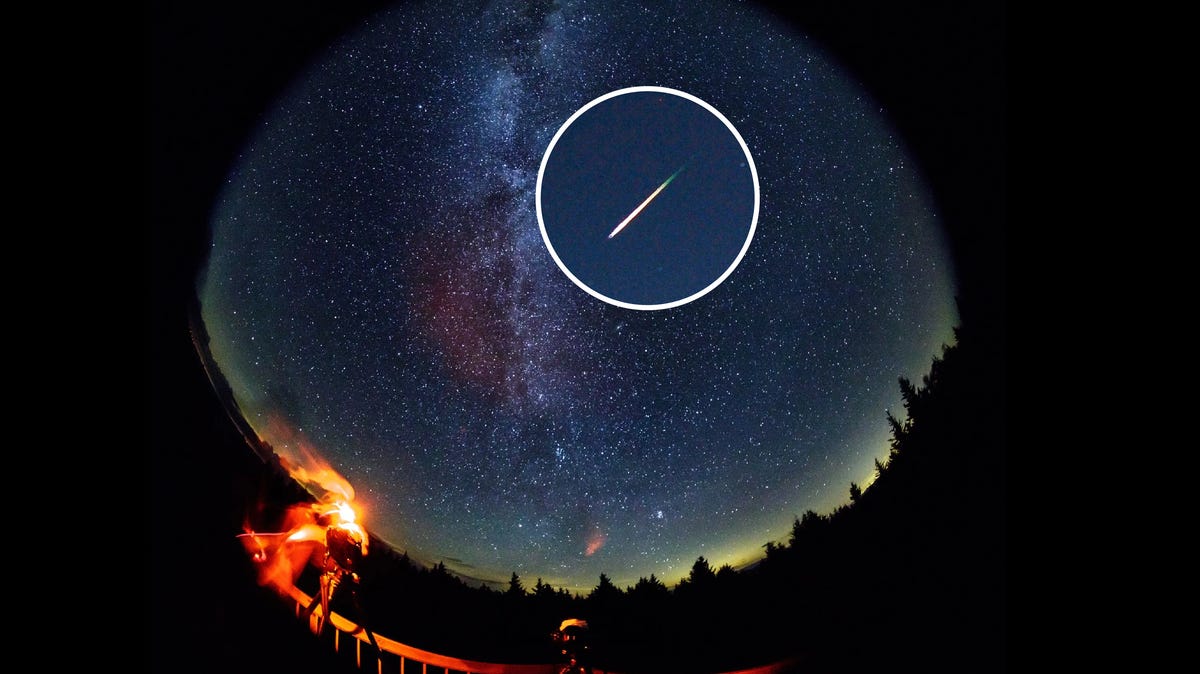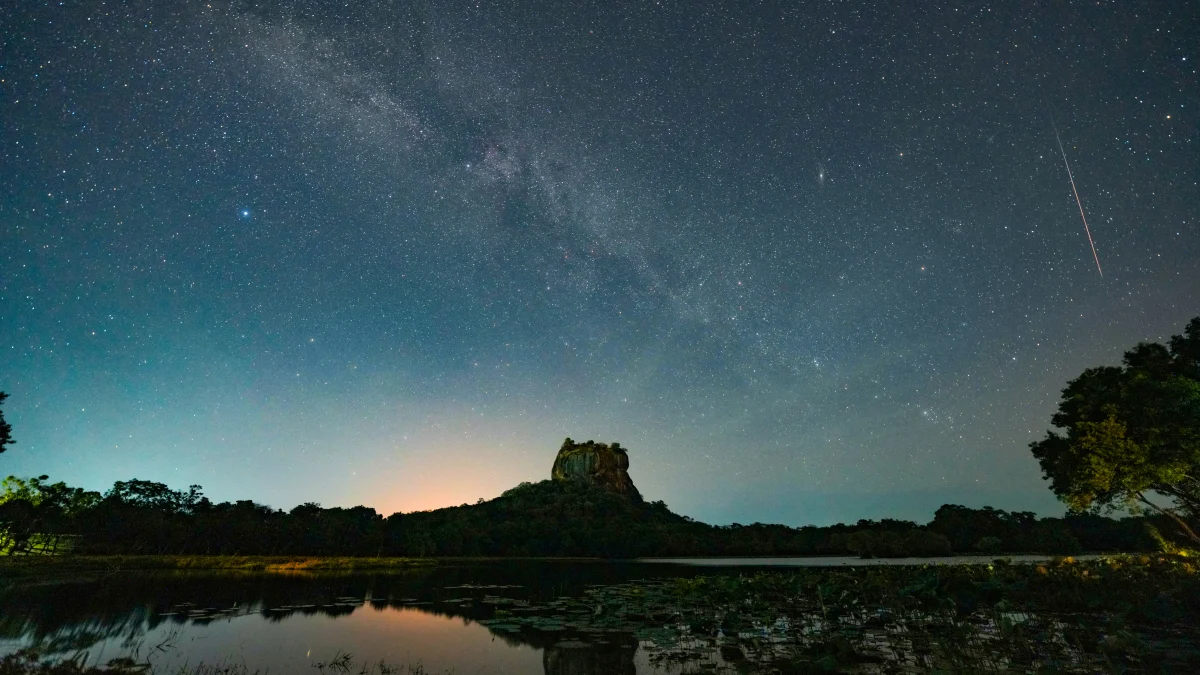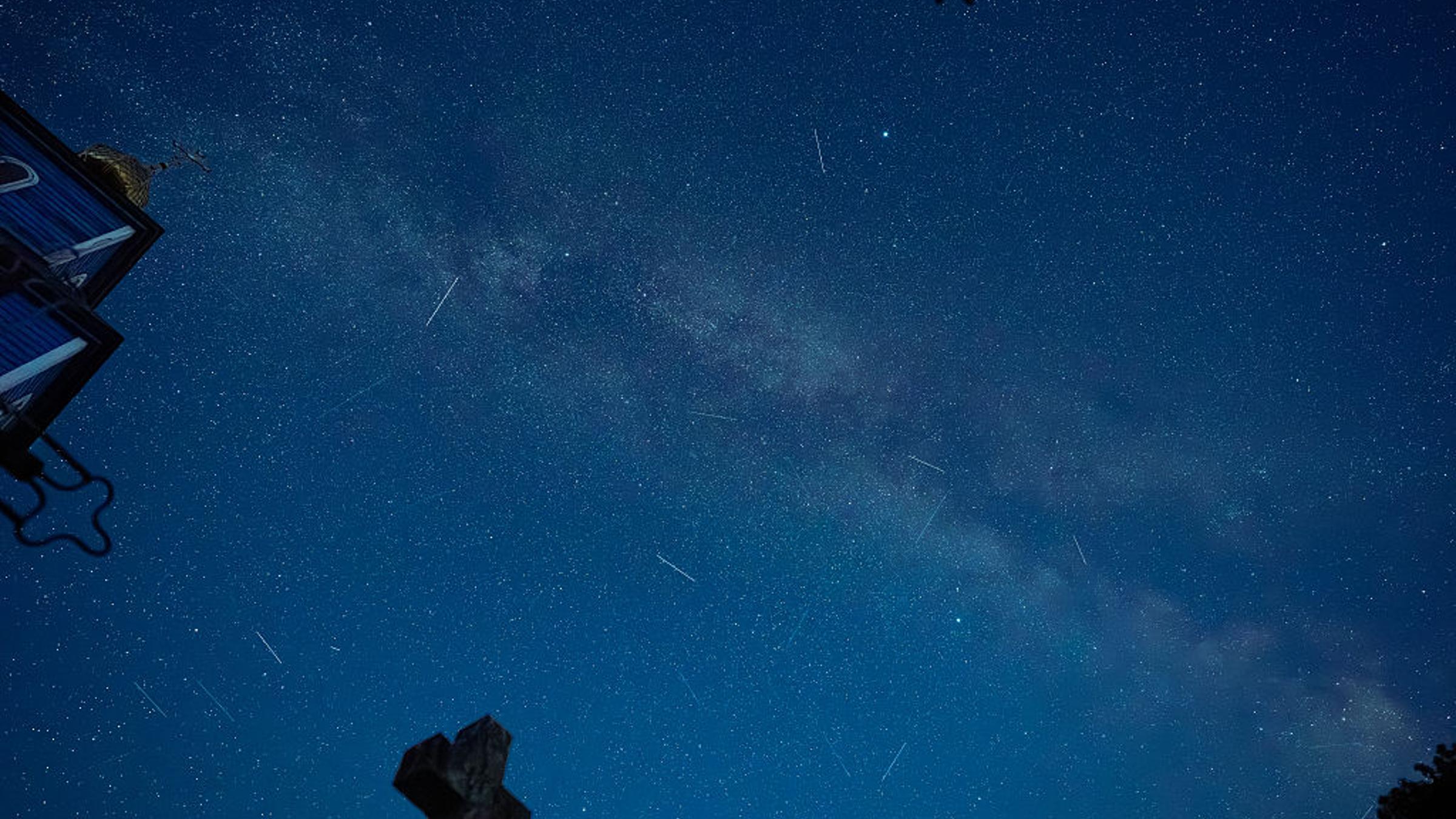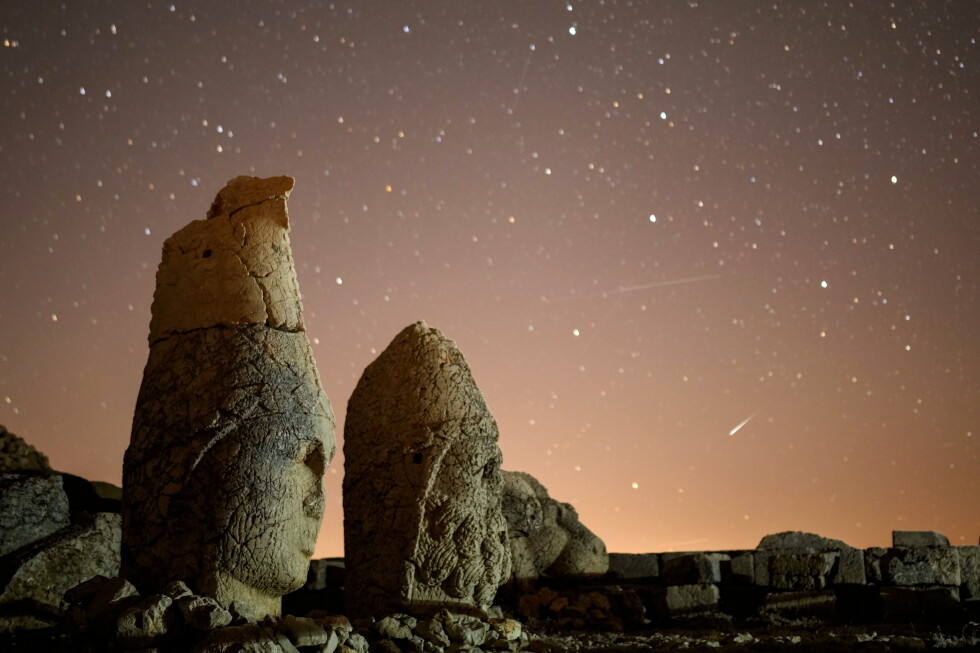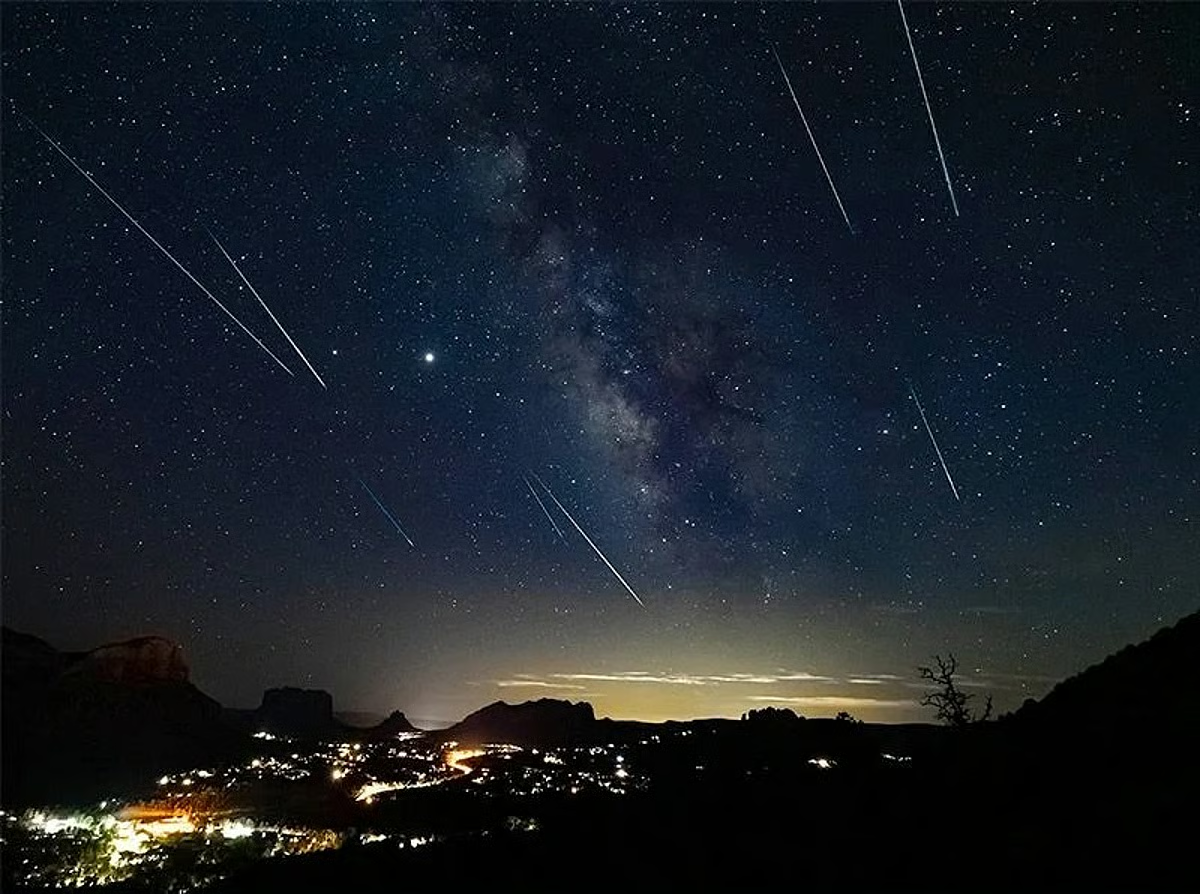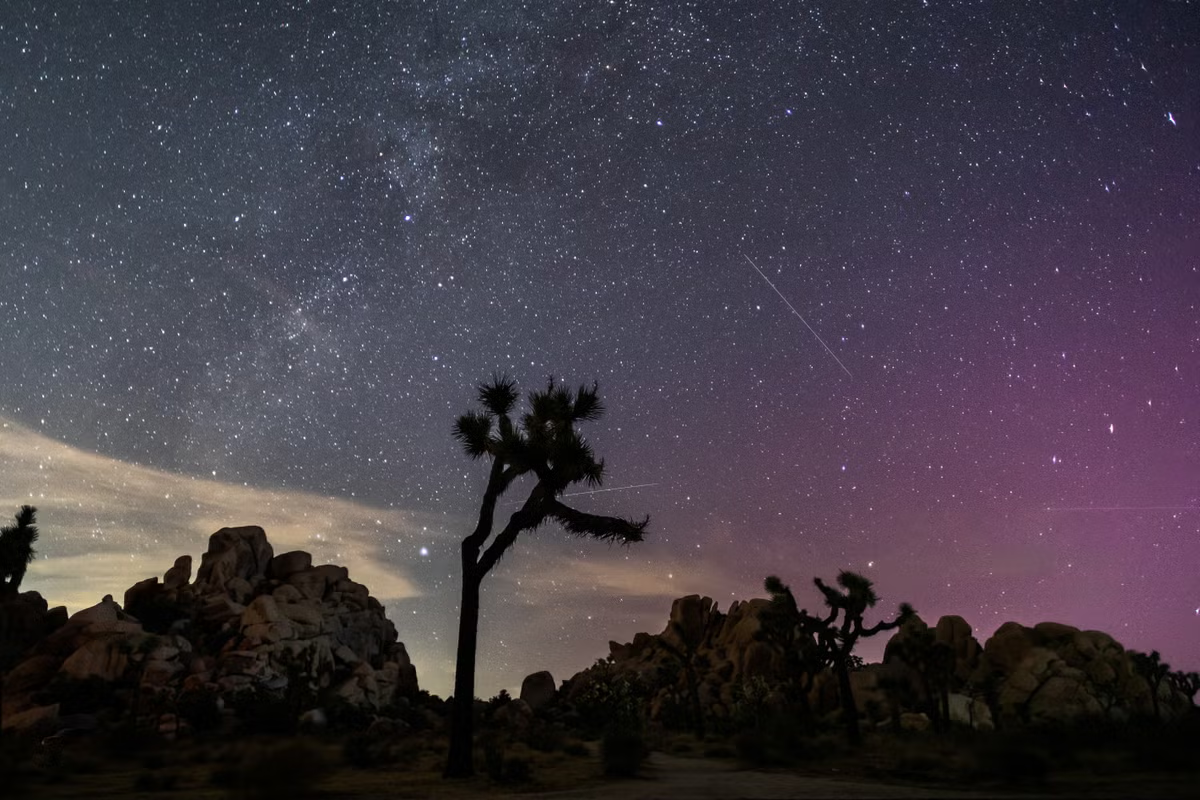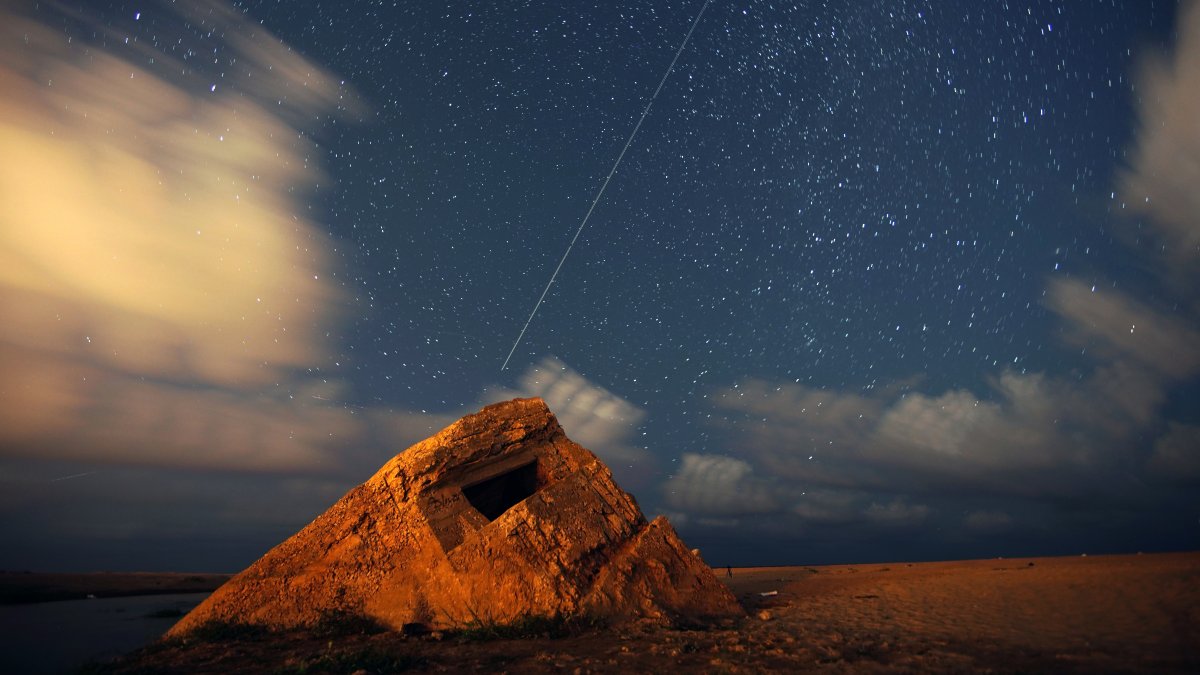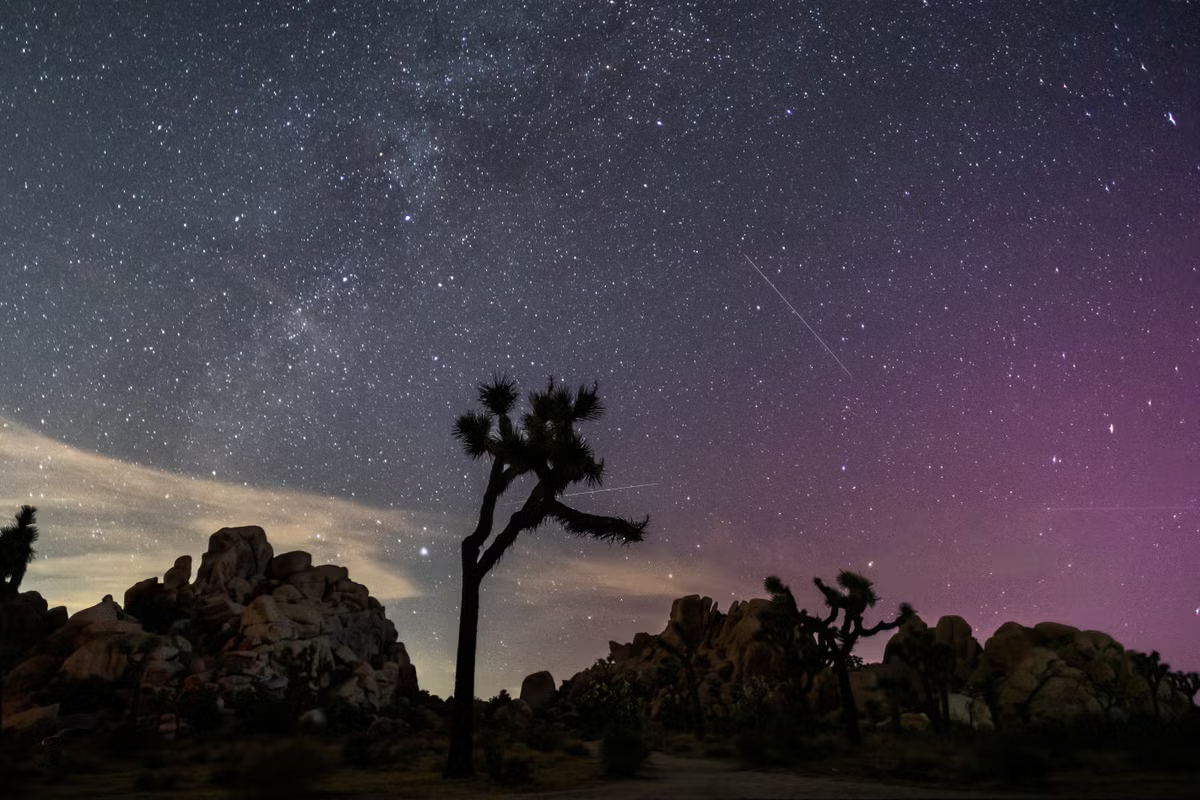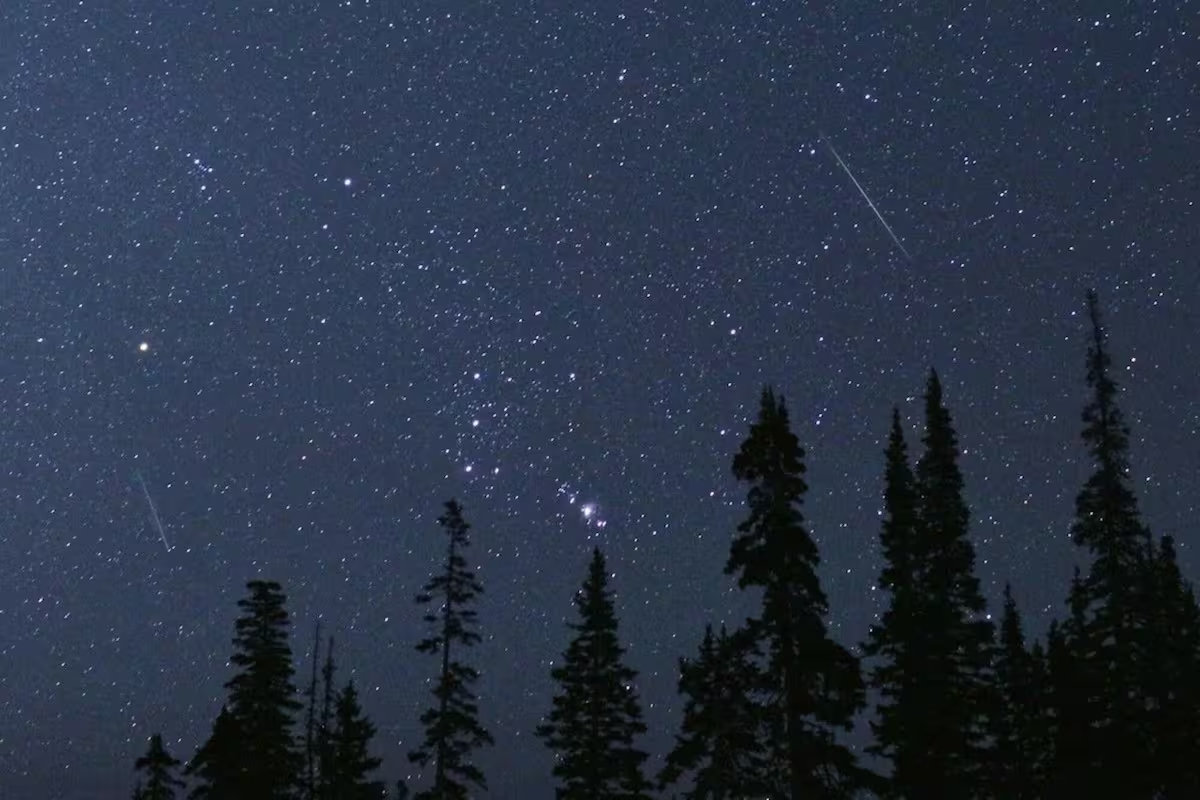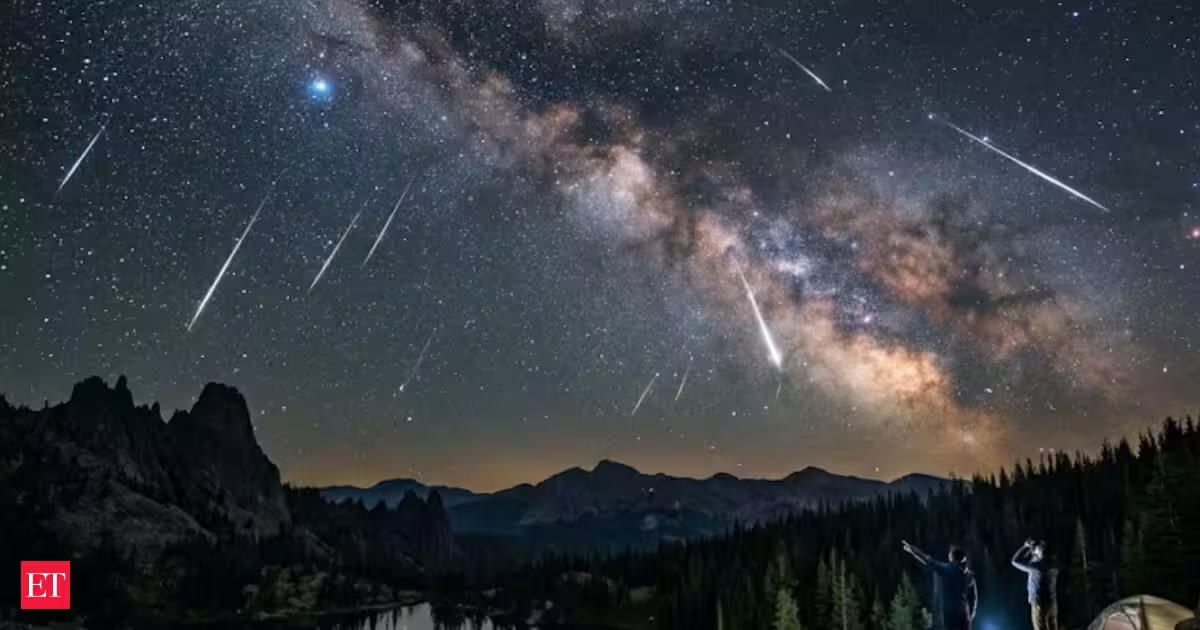
Perseid meteor shower peaks on the night of 12 August into the early hours of 13 August, with NASA estimating up to 100 meteors per hour are visible under ideal conditions. The American Meteor Society puts the figure at 30 to 50 meteors per hour from rural areas.This year's viewing conditions are considered especially favourable for the Northern Hemisphere. The shower's peak coincides with a new moon phase, meaning the sky will be significantly darker than in years when a bright moon washes out fainter streaks."The moon is beautiful, but it's such a diva," astronomer Aparna Venkatesan of the University of San Francisco told the Associated Press. "New moon means we don't have moonlight flooding the sky, and you tend to see way more meteors as a result."What is Perseid meteor shower?Meteor showers occur at predictable times every year when Earth passes through trails of debris left behind by comets and, occasionally, asteroids. That debris collides with Earth's atmosphere at extremely high speeds and produces streaks of light commonly called shooting stars.The Perseids specifically are debris from comet 109P/Swift-Tuttle, an icy body that orbits the sun every 133 years. Its next return is not expected until 2125. Observations of this particular shower date back over 2,000 years."Comets typically have orbits that cross the orbit of the Earth. So as they get near the sun and the sun evaporates the ice, a lot of the dirt and crap that's frozen into the comet gets released, and continues in orbit around the sun," astrophysicist Neil DeGrasse Tyson told the Associated Press.The Perseids are considered a perennial favourite among stargazers because they tend to produce bright fireballs rather than faint streaks, and because their August timing means watchers do not have to contend with cold temperatures."We don't have to suffer through a cold winter night to get a good view of meteors," said astronomer Zach Vanderbosch of McDonald Observatory in Texas.What is the best time to watch Perseid meteor shower?The best viewing window is between midnight and dawn on the night of 12 August into the morning of 13 August, when the constellation Perseus is high in the northern sky. The meteors appear to radiate outward from that constellation, which is how the shower gets its name.Random meteors are visible on any clear night, but the shower's peak window significantly increases the rate and brightness of what is visible.How do you watch Perseid meteor shower?No telescope or special equipment is needed. NASA and astronomers recommend going outside after dark, away from city lights and cloud cover, lying back, and looking up with the naked eye.Vanderbosch advises giving your eyes at least 30 minutes to adjust to the darkness before expecting to see anything clearly. He also recommends picking a patch of sky and staying focused on it, including the peripheral vision, rather than scanning around, and avoiding looking at a phone screen, which resets the eyes' adjustment to darkness.Venkatesan said she plans to drive out to the Sierra Nevada for the peak night to get away from urban light pollution, which is the single biggest factor limiting visibility for most people.Why is Perseid meteor shower special this year?Beyond the new moon conditions, this year's Perseid peak coincides with a total solar eclipse visible across Spain, Iceland, and Greenland, as well as a six-planet parade in the sky. Astronomers note the best time to watch the meteors will come after the eclipse's totality window.The combination of a dark sky, an active shower from one of the most debris-rich comets in the solar system, and the additional celestial events happening simultaneously makes this year's edition one of the more notable Perseid peaks in recent memory.
How to watch Perseid meteor shower? 100 meteors an hour could light up the sky on August 12; best time, tips and everything you need to know
How to watch Perseid meteor shower: Perseid meteor shower peaks on the night of 12 August into the early hours of 13 August, with NASA saying up to 100 meteors per hour are possible under ideal conditions. A new moon this year means darker skies and better visibility, making this one of the more promising viewings in recent years. Here's best time to watch, tips and everything you need to know about Perseid meteor shower.
610 words~3 min read