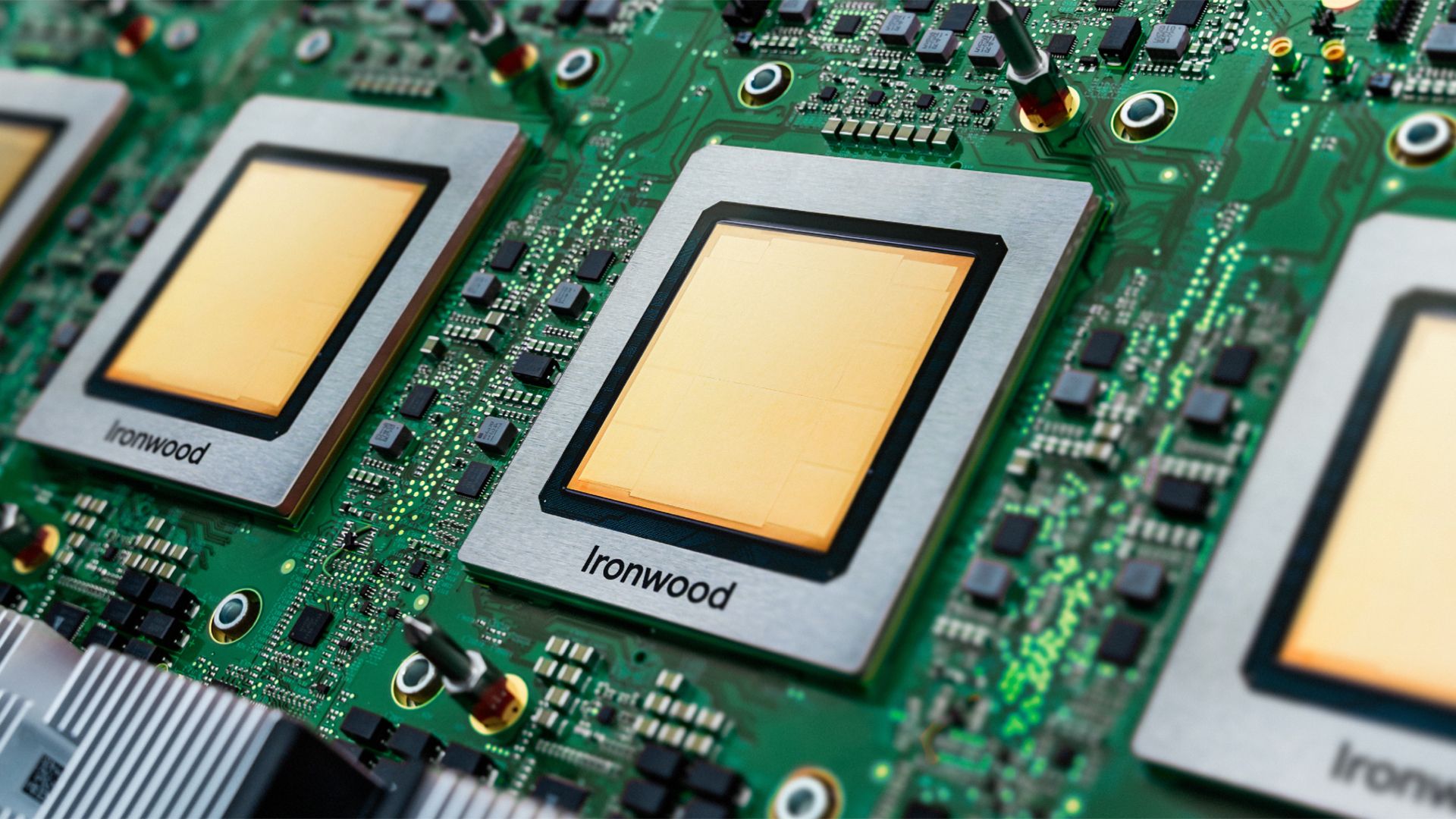
Alphabet is etching Gemini into silicon to squeeze up to ten times more tokens from every watt, an admission that power, rather than processors, now decides who wins the AI race.

A report says the Google Frozen chip would hardwire Gemini into silicon for up to 10x efficiency by 2028. What it means for AI.

Google is working on a new server chip that would directly integrate the blueprint of its Gemini AI model, enabling the company to serve its AI models to users much more…


Google is developing the Frozen V2 AI chip with 6-10x efficiency gains over current TPUs, targeting 2028 deployment with major implications for AI and

The Alphabet-owned company expects the new chip, informally dubbed "Frozen v2," to help address an AI computing capacity crunch that has fueled internal tensions and prompted…

Google's Frozen v2 chip embeds Gemini model elements into silicon, promising 6-10x efficiency gains over TPUs. Expected deployment is as early as 2028.

Google is developing "Frozen v2," a server chip that bakes the Gemini architecture directly into hardware. According to internal sources, it could be 6 to 10 times more efficient…

Alphabet, Google's parent company, is reportedly working on a new chip designed to make its Gemini models run much more efficiently.

Google is designing Frozen v2, a next-generation AI chip expected to be 6-10 times more efficient, enhancing the performance of its Gemini models by 2028.

Alphabet is etching Gemini into silicon to squeeze up to ten times more tokens from every watt, an admission that power, rather than processors, now decides who wins the AI race.

A previous version of the project would have baked Gemini's weights into the chip.

Google's new AI chip would bake part of Gemini's architecture directly into hardware for a projected 6–10x efficiency gain.

Google's custom Frozen v2 chip targets 6-10x efficiency over current TPUs for Gemini AI models. Alphabet shares rose 3% as investors embrace the