Google is building an AI chip that does something genuinely unusual: it takes pieces of its Gemini model and embeds them directly into the silicon itself. The project, internally called “Frozen v2,” represents a distinct branch from Google’s existing Tensor Processing Unit lineup and could deliver efficiency gains of six to ten times over current TPUs.
What Google is actually building
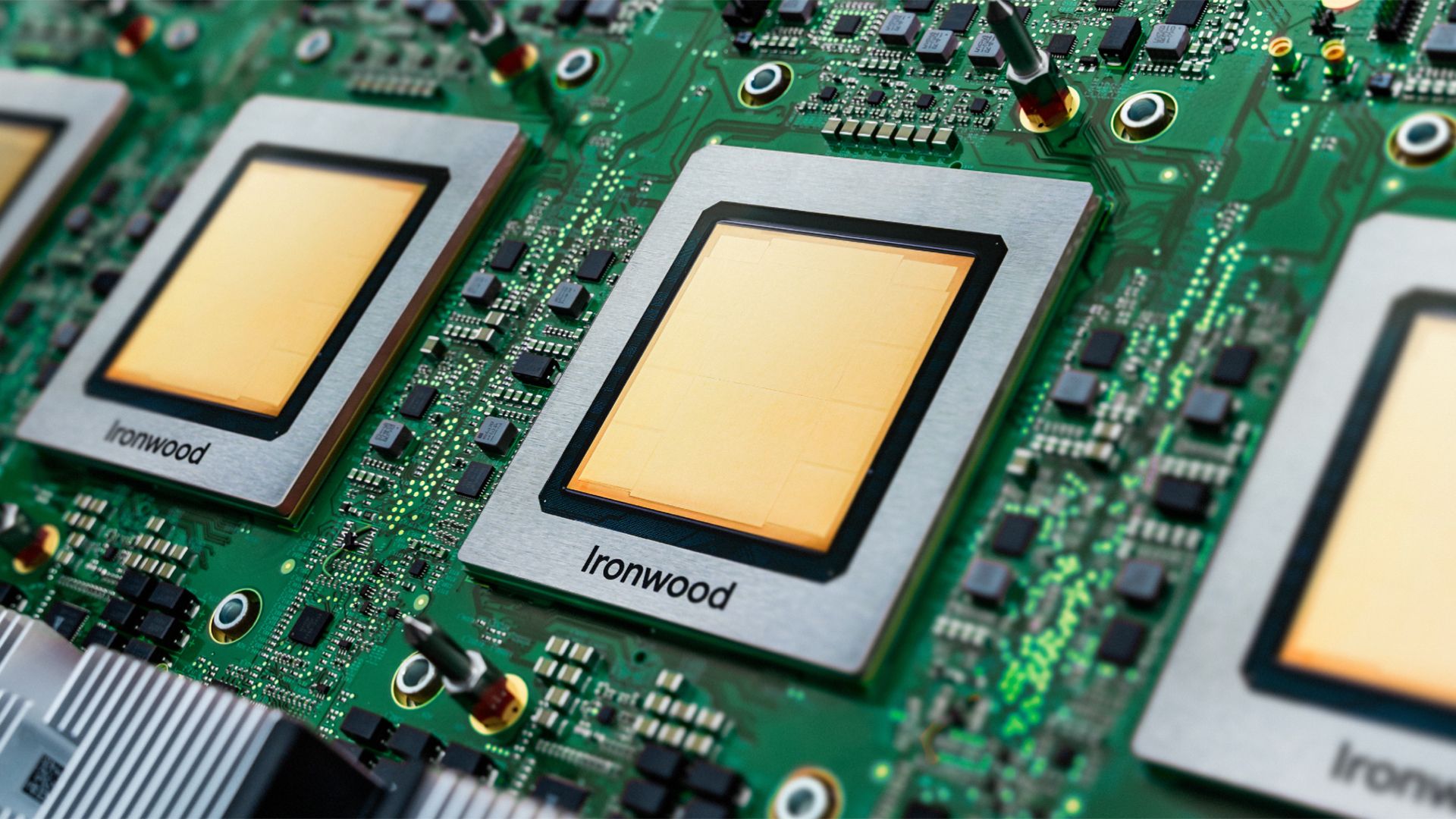
The core idea behind Frozen v2 is straightforward in concept, even if the engineering is anything but. Rather than running Gemini’s model weights and computations on general-purpose AI accelerator silicon, Google plans to hardcode specific elements of the model architecture directly into the chip’s design. Instead of the chip being a flexible calculator that can run any AI model, parts of the chip would be purpose-built to run Gemini and nothing else.
The projected 6-10x efficiency improvement over Google’s latest TPUs is a staggering number. Google’s latest generation consists of the TPU 8t for training and TPU 8i for inference, announced in 2026. Frozen v2 isn’t meant to replace those chips. It’s a parallel track, purpose-built for a specific job. Deployment is expected as early as 2028.
Google’s long history with custom silicon