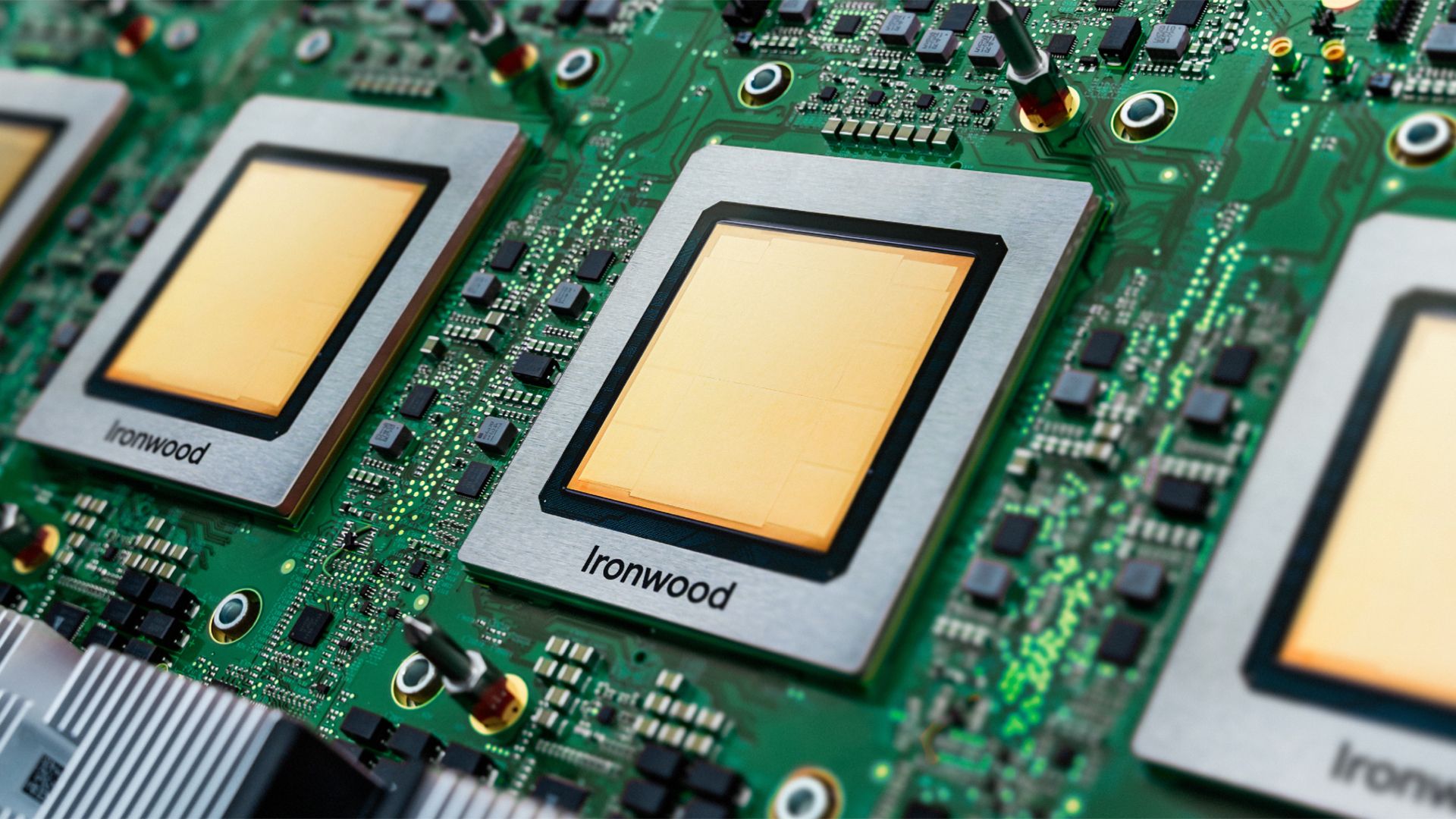
Google is building a new server chip internally called "Frozen v2" that embeds the Gemini AI model's architecture directly into silicon.
The chip could be 6 to 10 times more efficient at serving AI responses than Google's current TPU chips, according to sources cited by The Information. Google plans to deploy it starting in 2028 and sees Frozen v2 as a test run for specialized chips, with a smaller production volume than its TPU line.
Unlike Google's TPUs, which work with many models, Frozen v2 has parts of Gemini's model structure built right into the hardware. The name follows the same logic as "freezing" parameters in AI models, where you lock values so they stop changing. With Frozen v2, a portion of the model gets permanently frozen into the chip itself, which cuts down on compute steps and speeds up responses.
The original idea reportedly came from Jeff Dean, Google Deepmind's chief scientist. His first Frozen design called for embedding the model weights directly into the chip. Weights are the specific settings that determine how an AI model responds to queries. Google scrapped that approach because the chip would have only worked with a single Gemini version and would have become outdated too quickly.