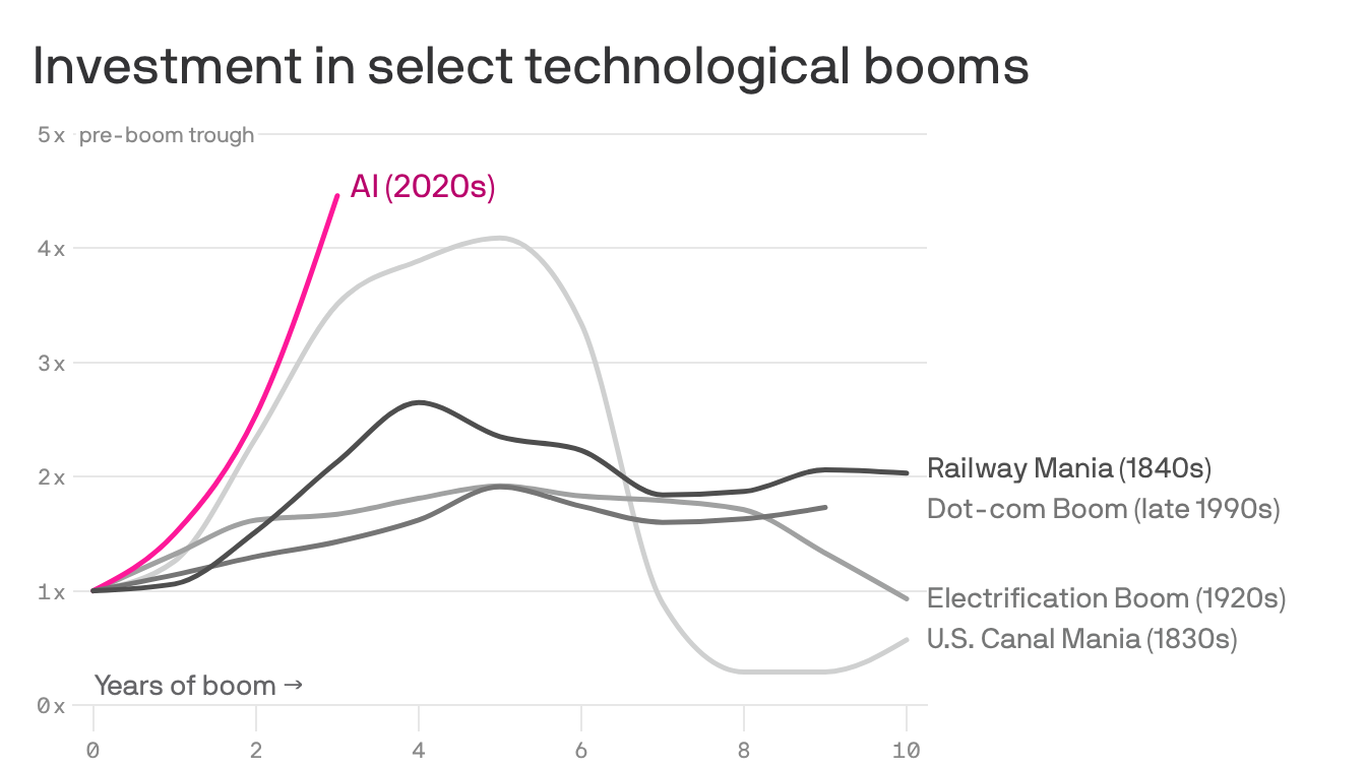
The technological revolutions that transform the economy have a long history of attracting more investment than what near-term returns justify.

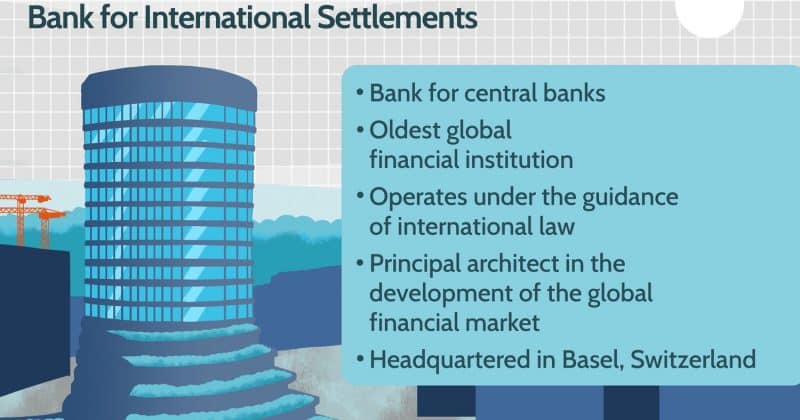
Bank for International Settlements says AI funding is funnelled through loosely regulated private credit channels, raising stability fears.

The BIS warns AI infrastructure spending by hyperscalers could lead to a bust, flagging $100 billion in bond issuance and hidden shadow borrowing risks.


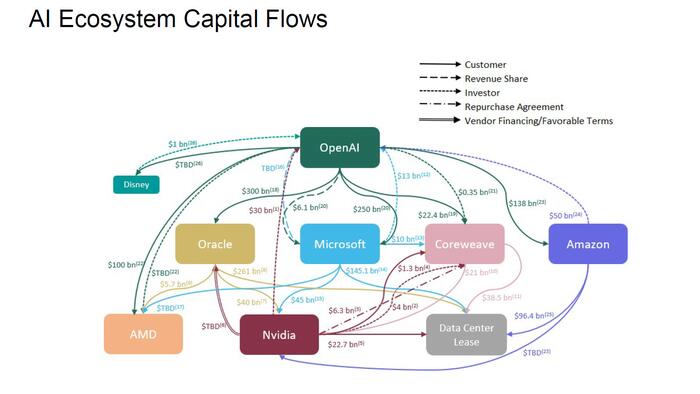
The Bank for International Settlements flagged AI capex, circular financing deals, and poorly disclosed asset pledging as systemic risks in its annual report.

The AI investment surge, driven by non-bank channels, faces warnings from BIS about potential sharp crashes during downturns, surpassing traditional banking crisis impacts.

The Bank for International Settlements (BIS) has cautioned about the financial dangers linked to the rapid growth of AI, pointing to issues of overinvestment and high valuations.…

“Disappointment in returns could trigger a sudden pullback in financing and turn the capex boom into a protracted investment bust, with potential knock-on effects on financial…

The BIS warned AI exuberance and debt-fueled investment could trigger cascading defaults and a global financial crisis.

The vast surge of investment in AI, which has powered global stock markets to record highs, risks ending in a financial bust, the Bank for International Settlements warns, as the…

Macquarie expects the AI investment boom to unwind through a series of "rolling bubbles" rather than a single crash, as different segments of the AI ecosystem heat up and cool…

The Bank for International Settlements warns that over $1 trillion in AI spending by top hyperscalers could trigger a severe investment bust and recession.

Central bank for central banks sees shades of dotcom mania in hyperscaler capex binge

The Bank for International Settlements draws an explicit parallel to the dotcom crash and railway mania, but the stakes are bigger now.

The technological revolutions that transform the economy have a long history of attracting more investment than what near-term returns justify.