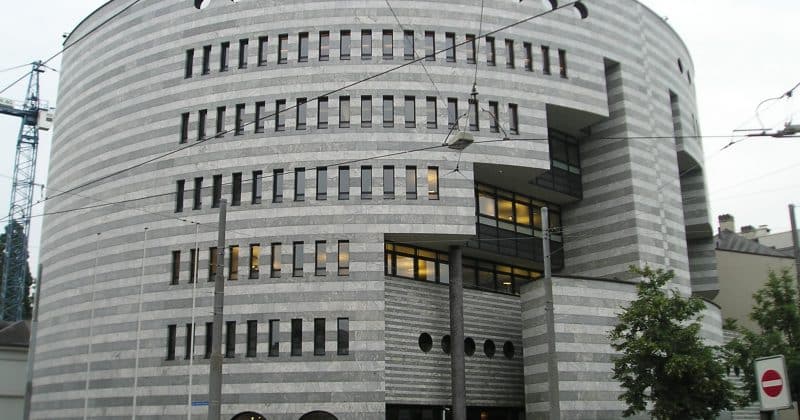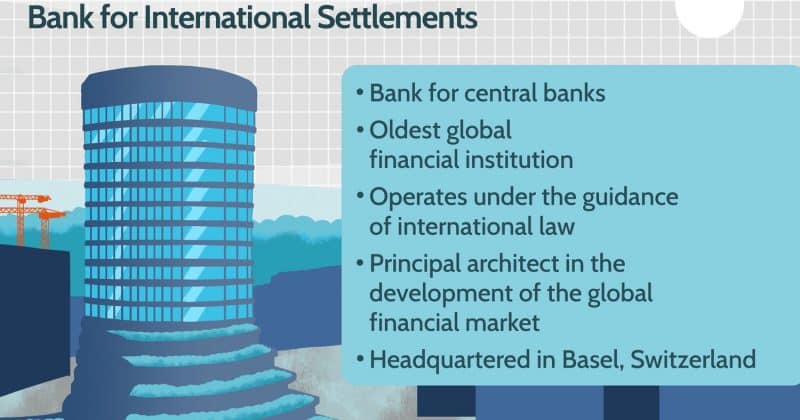
The Bank for International Settlements, the institution that serves as the central bank for the world’s central banks, is sounding an alarm about the AI gold rush. In its March 2026 Quarterly Review, the BIS laid out a case that the frenzy to build AI infrastructure is creating financial risks that most investors can’t fully see.
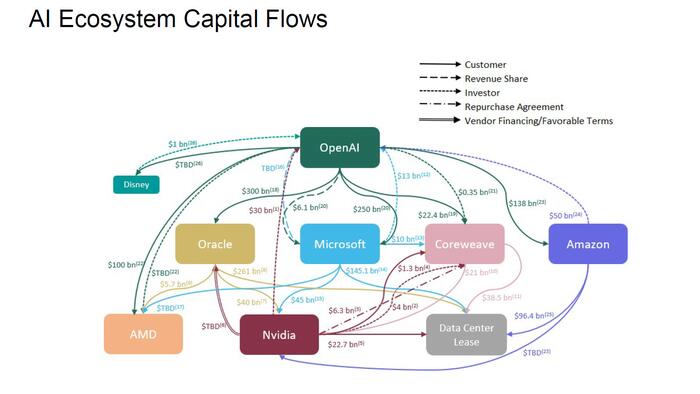
The core concern: the biggest tech companies on earth are taking on enormous amounts of debt to fund data centers, and a growing chunk of that borrowing is happening through opaque structures that don’t show up on traditional balance sheets. If AI doesn’t deliver the returns everyone’s banking on, the fallout could ripple well beyond Silicon Valley.
The debt machine behind the AI buildout
The numbers are striking. Hyperscalers, the industry term for the mega-cap tech firms driving AI infrastructure, including Amazon, Alphabet, Microsoft, Meta, and Oracle, issued more than $100 billion in corporate bonds in 2025. Much of that debt carries maturities beyond five years, signaling these companies are making long-duration bets on AI’s commercial future.
But the BIS flagged something more concerning: the growing use of off-balance-sheet financing structures that obscure the true scale of leverage. These include special purpose vehicles, joint ventures, and private credit arrangements that the BIS describes as “shadow borrowing.” These companies are finding ways to fund massive capital expenditures without the debt appearing on their corporate balance sheets in a straightforward way.