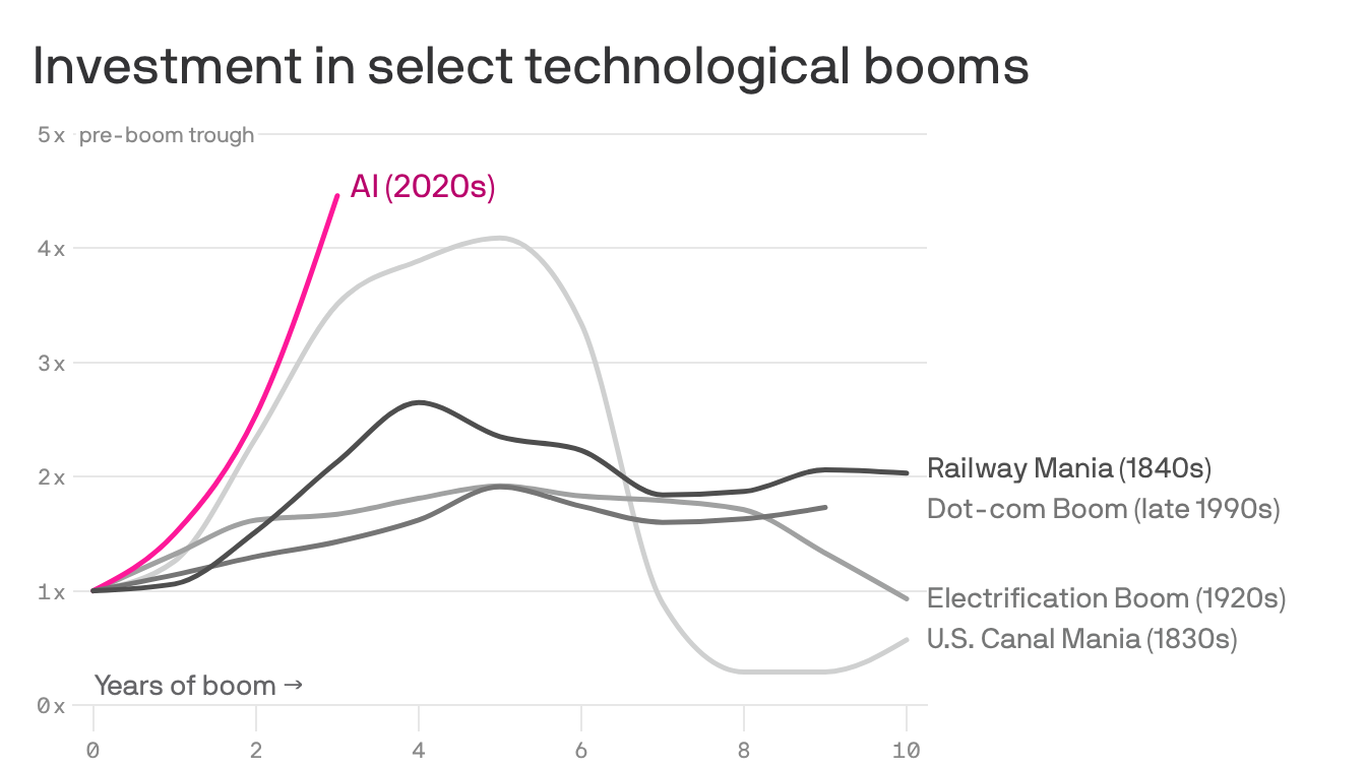
The canal mania of the 1830s. The British railway bubble of the 1840s. The dot-com crash of 2000. Each began with a genuine technological breakthrough that attracted more capital than commercial returns could ultimately justify. Each ended in a recession.
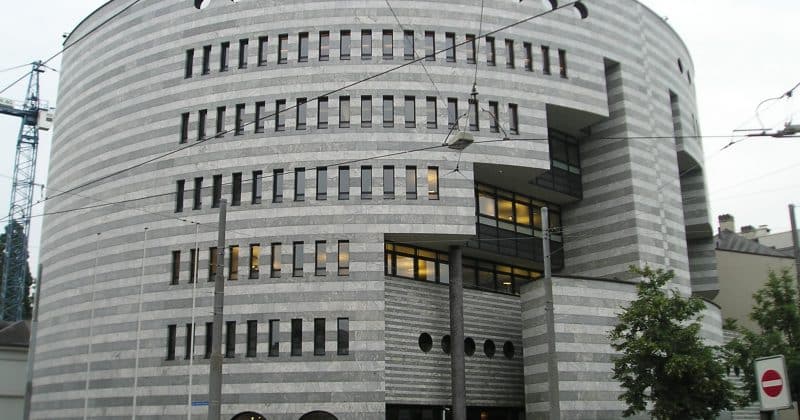
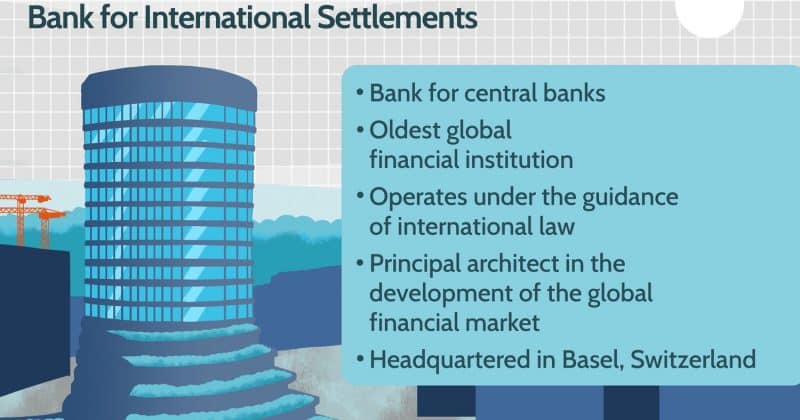
The Bank for International Settlements — the Basel-based institution that coordinates the world’s central banks and serves as the global financial system’s most authoritative watchdog — sees the $1 trillion AI investment boom in the same lineage. And it’s not subtle about the comparison.
“The scale and pace of the current AI investment boom, accompanied by expectations of large productivity payoffs, bear resemblance to these precedents,” the BIS writes in its Annual Economic Report 2026, released Sunday. “These episodes ended with an eventual reversal in investment, inducing economy-wide recessions.”
A bet that’s already outrunning the balance sheet
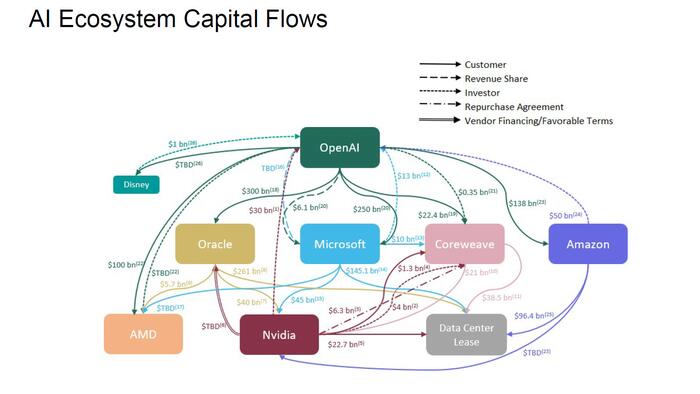
The five largest hyperscalers are on pace to spend more than $1 trillion on AI-related capital expenditure across 2025 and 2026 combined — a sum the BIS says is already outpacing their earnings and free cash flow, forcing some to issue debt to cover the gap.