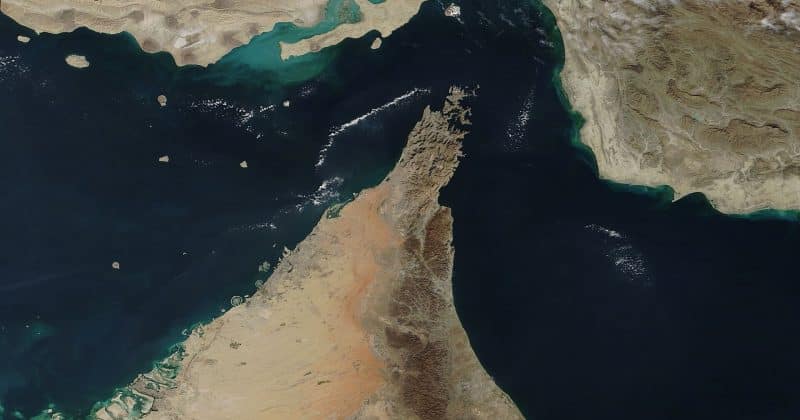
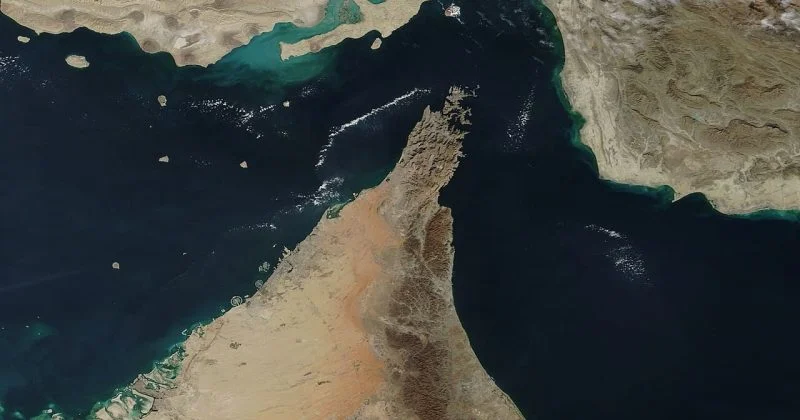
Businesses and economists took a deep breath after the US and Iran signed off on a deal to end their war and reopen the Strait of Hormuz, lifting optimism as oil prices fell, which could ease inflation and support potential economic growth.

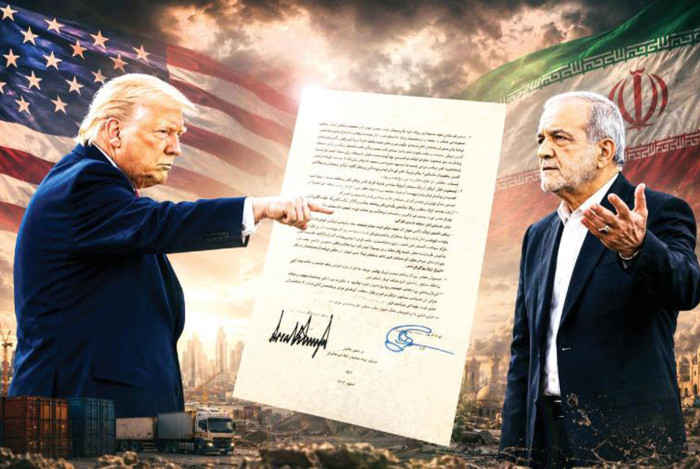
A landmark agreement has been reached between the Trump administration and Iran to end their conflict and reopen the Strait of Hormuz. This development offers global market…

Equities mostly rose Tuesday and oil prices held losses following the previous day's euphoric rally sparked by the US-Iran peace deal that will reopen the crucial Strait of Hormuz.
Oil prices have plummeted following a historic agreement between US President Donald Trump and Iranian President, signalling a potential end to conflict and a reopening of the…

Pact includes sanctions relief, nuclear limits and $300bn reconstruction fund, amid Trump’s renewed bomb warnings

The news boosted optimism for a lasting peace between the two nations after more than three months of war that has rattled energy markets and fuelled a fresh spike in inflation.

The US and Iran signed a framework peace deal to reopen the Strait of Hormuz. Oil dropped under $81 while Bitcoin surged to $65,800 on risk-on sentiment.

US-Iran peace deal boosts Indian exporters by reopening the Strait of Hormuz, reducing costs and enhancing competitiveness in global markets.

The Iran framework agreement gave an immediate boost to markets, with shares rising and oil prices dipping. But whether this translates into durable economic gains will largely…

The US-Iran peace deal reopens the Strait of Hormuz, lifts oil sanctions, and sends Bitcoin past $65K as markets price in geopolitical de-escalation.

Businesses and economists took a deep breath after the US and Iran signed off on a deal to end their war and reopen the Strait of Hormuz, lifting optimism as oil prices fell,…

US-Iran peace deal boosts Asian markets as the Strait of Hormuz reopens. Traffic returns to normal by June priced at 14.5% YES.

The path from a statement of diplomatic intent to a fully restored, non-inflationary energy supply chain is subject to political, technical, and physical risks

Early signs of reopening of the Strait of Hormuz have lifted the most acute threat to global energy supplies but economic damages from the war will take months to unwind.

The success of the U.S.-Iran agreement will ultimately depend on whether shipping, insurance, and energy flows through the Strait of Hormuz can return to normal.