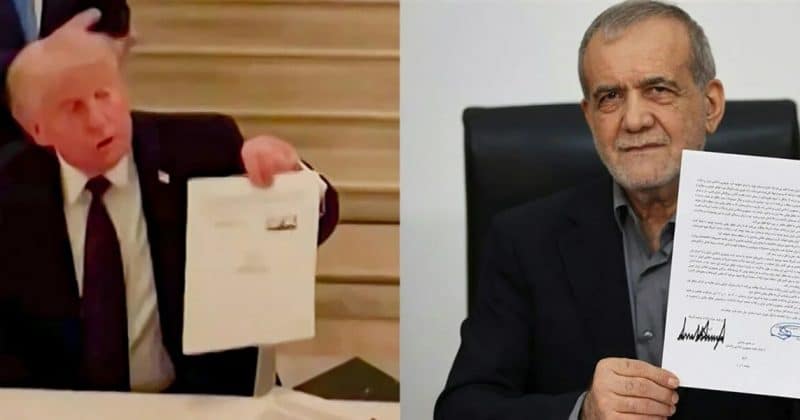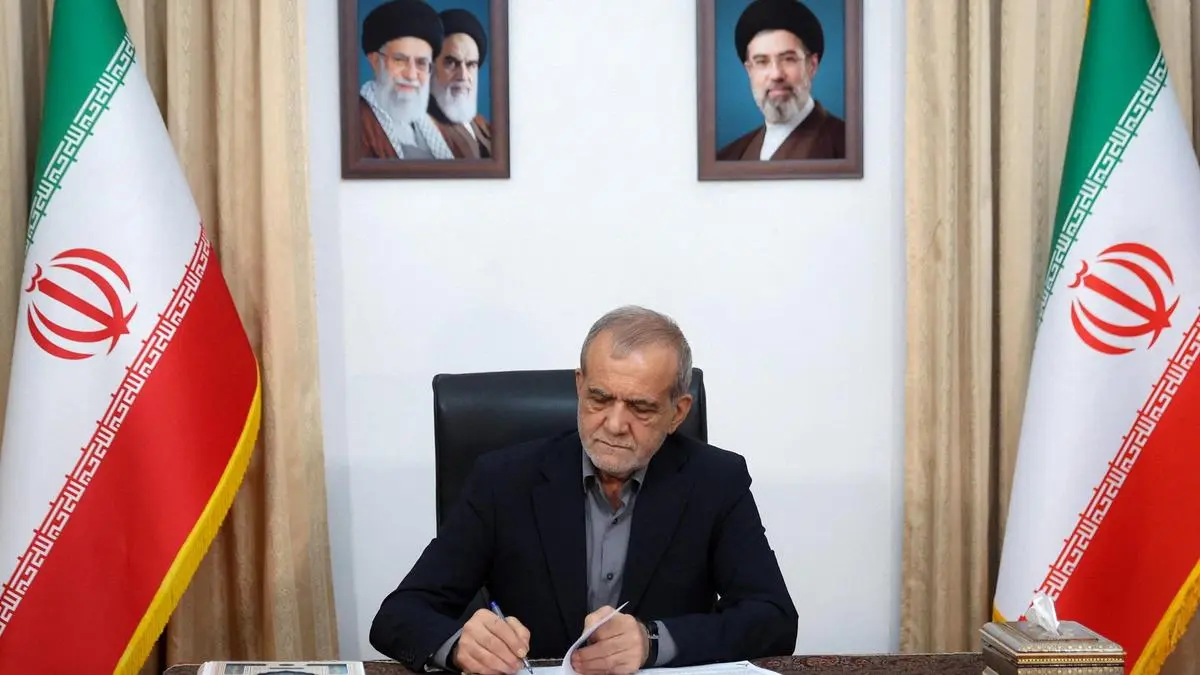
Iranian President Masoud Pezeshkian signs the document of U.S. Memorandum of Understanding in Tehran, Iran
| Photo Credit:
Iran's Presidential Website/WANA
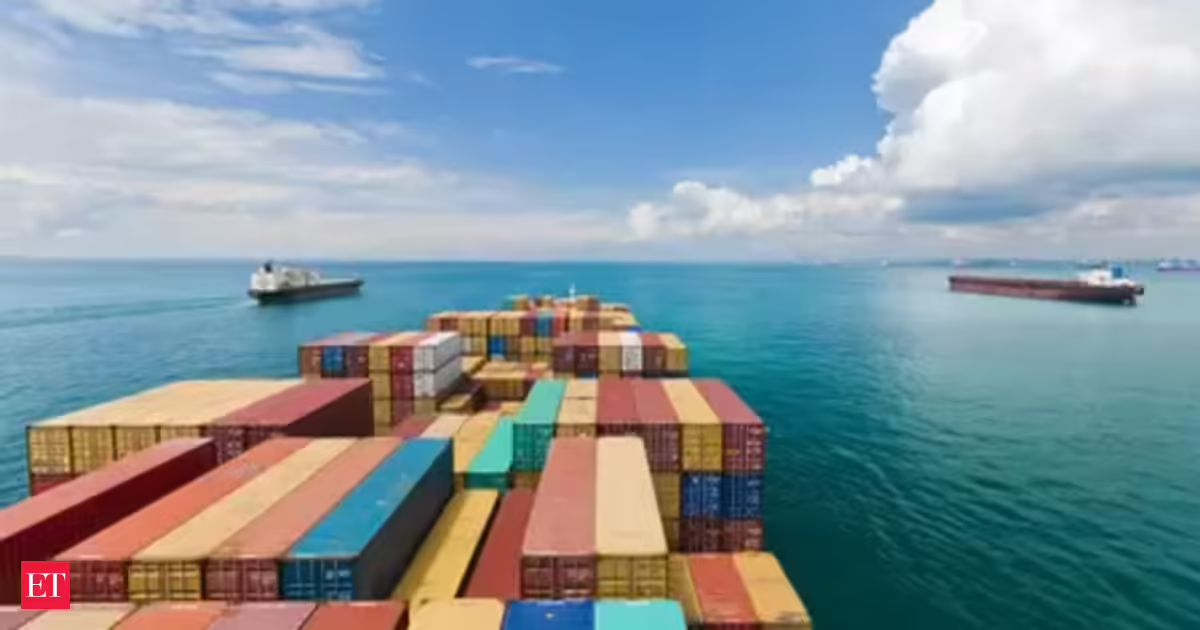
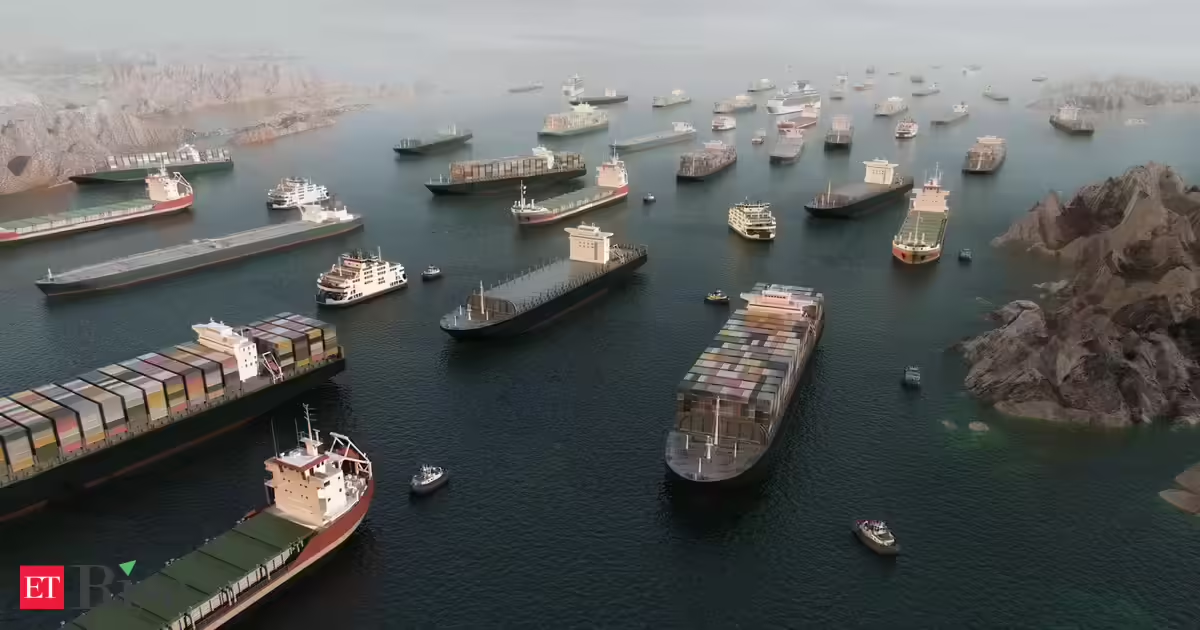
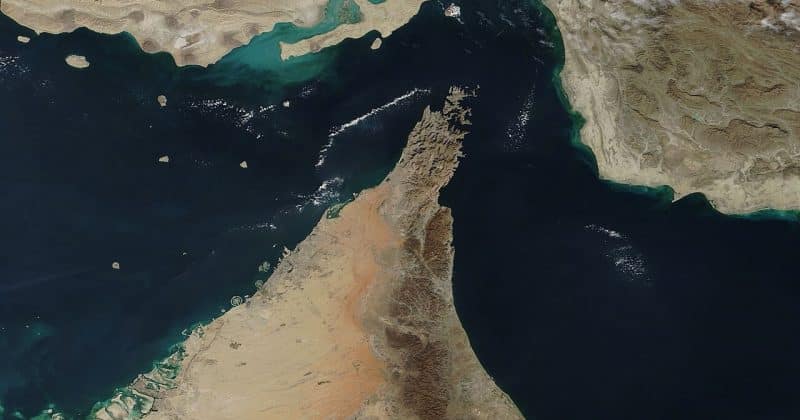
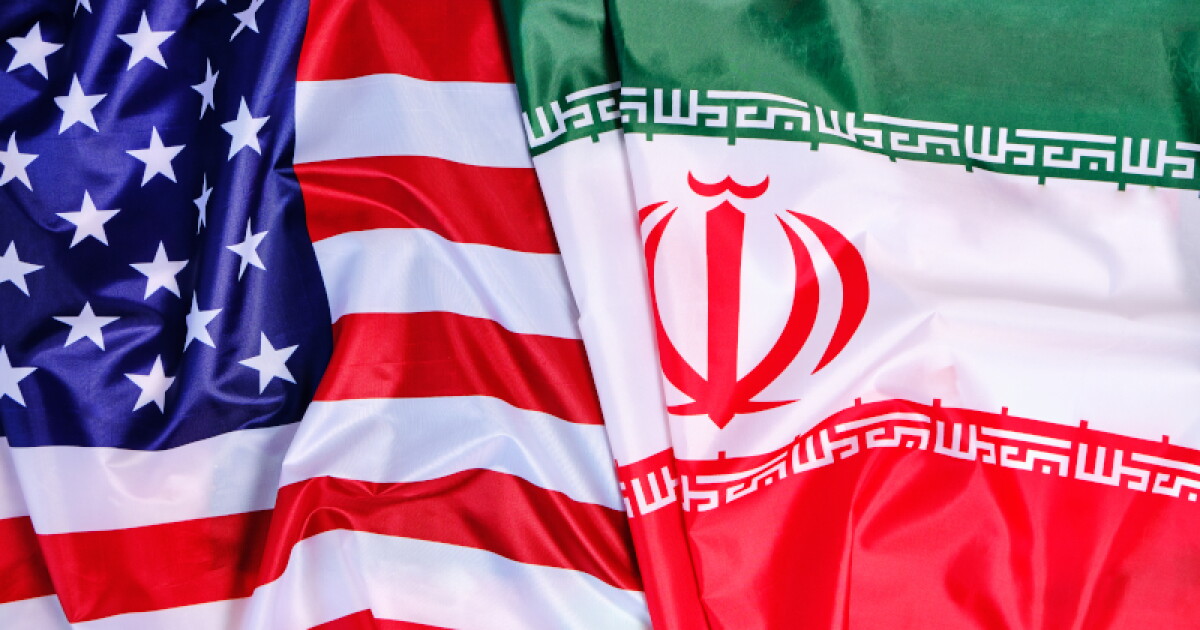
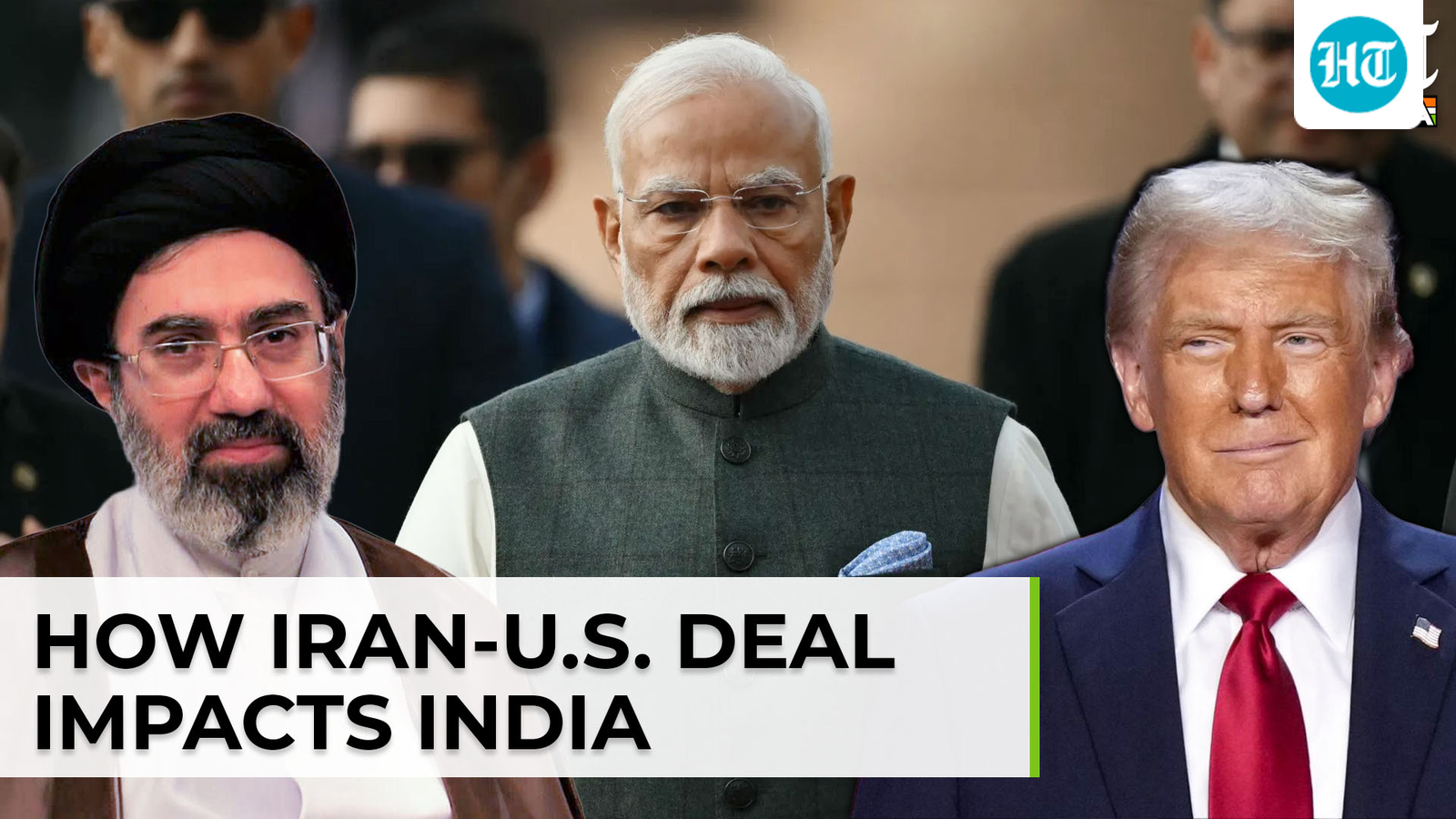
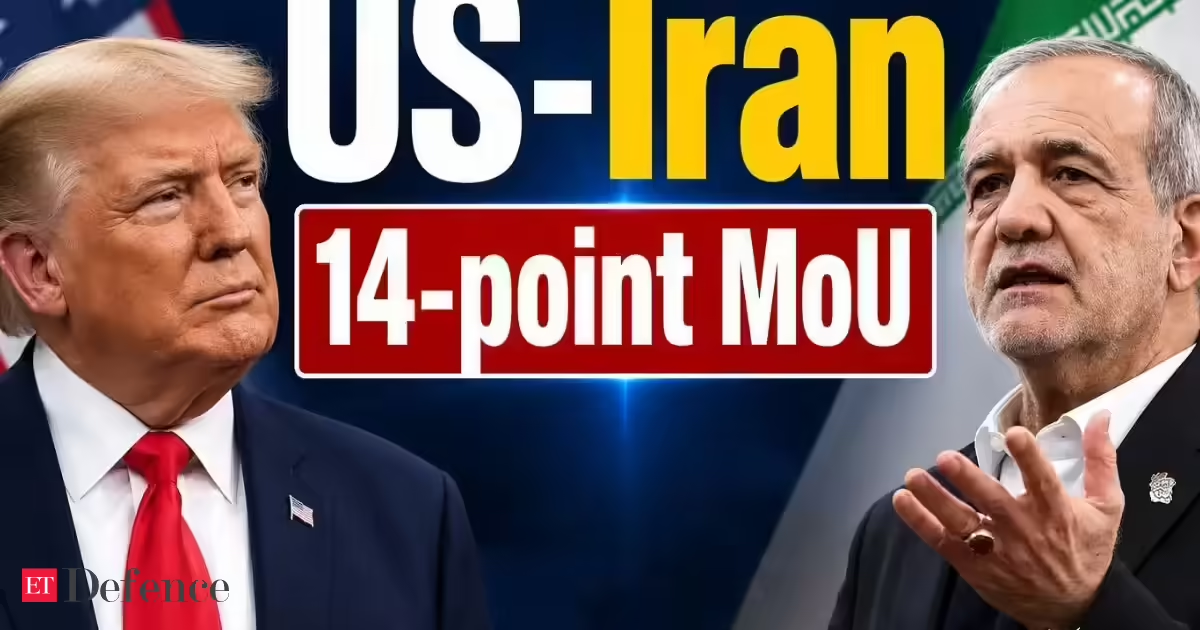
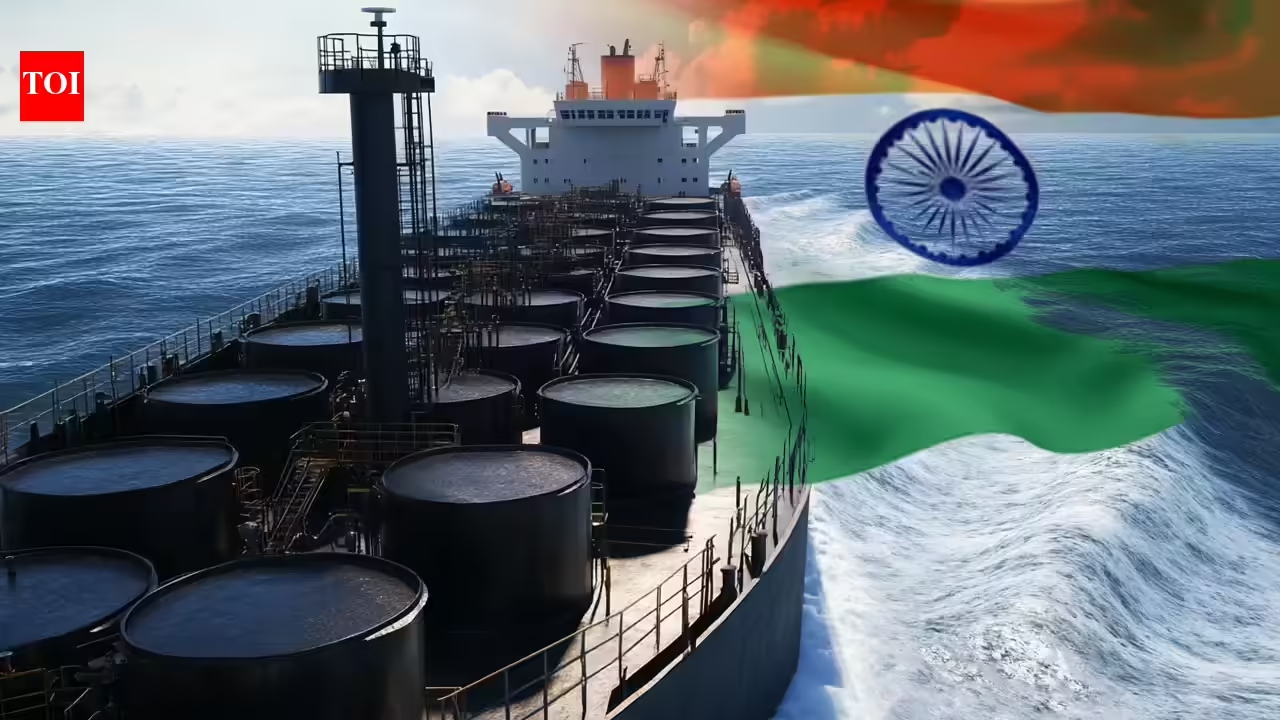
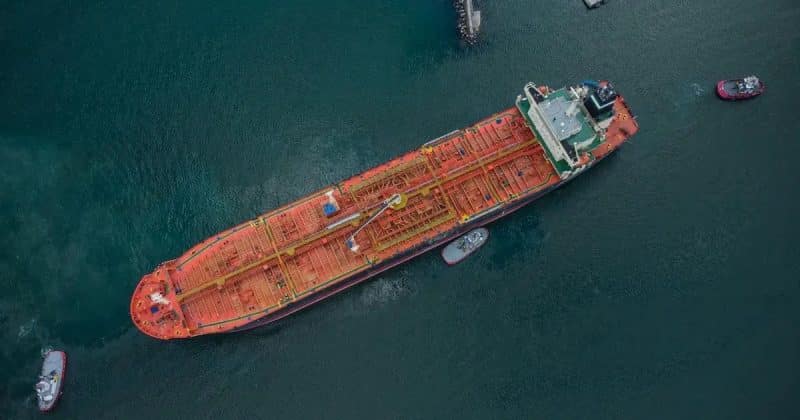
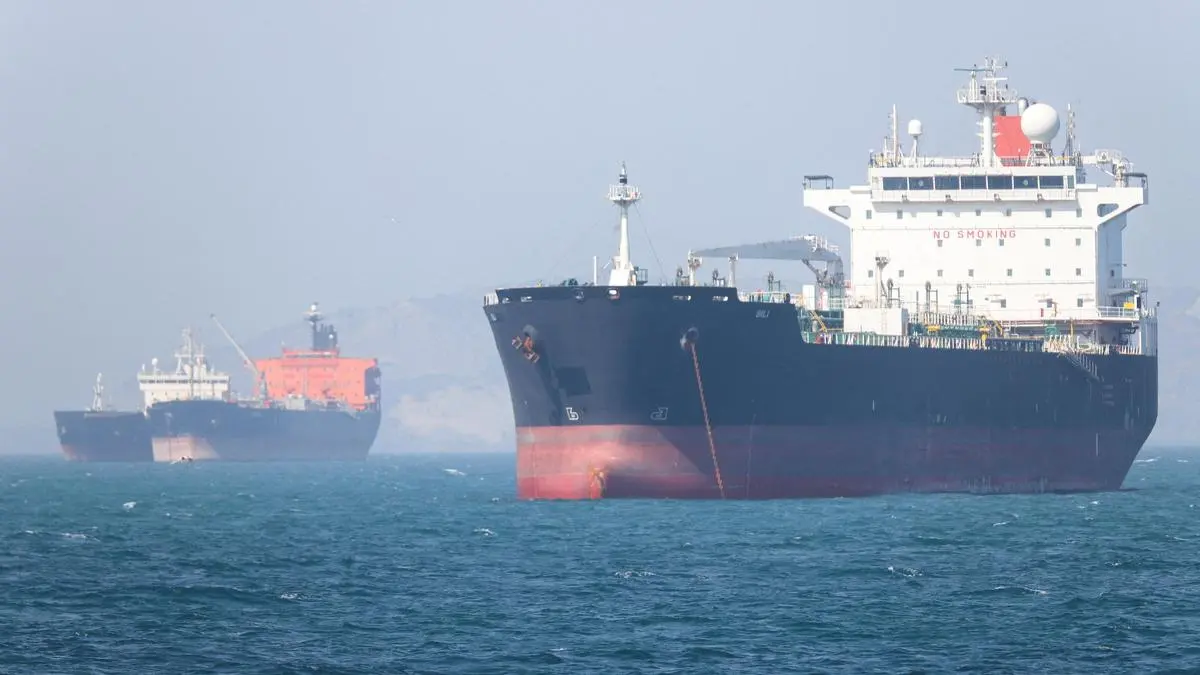
Indian exporters have cheered the signing of the initial deal between US and Iran to end the war and open the Strait of Hormuz that would lead to restoration of normal traffic, eliminating long maritime detours. “Exporters were previously crushed by exorbitant freight fees and prohibitive war-risk insurance premiums. Normalisation will slash these overheads, ensuring smoother, faster, and remarkably cheaper transit times to West Asia and European destinations,” exporters’ body FIEO said.Lowering of fuel prices will also soften input costs for crude-dependent sectors such as plastics, paints and chemicals, it added.US President Donald Trump and Iranian President Masoud Pezeshkian have physically signed the US-Iran peace memorandum (Islamabad MoU), mediated by Pakistan, to restore peace in West Asia and open the Strait of Hormuz.“Islamabad MoU shall enter into force with immediate effect and as a first step, the Islamic Republic of Iran will instantly reopen the Strait of Hormuz and the United States of America will immediately lift the naval blockade,” “Prime Minister of Pakistan Muhammad Shehbaz Sharif posted on social media platform ‘X’ on Thursday.A formal ceremony to announce the deal is scheduled in Switzerland on Friday in the presence of key negotiators from the US, Iran, Pakistan and Qatar.The immediate reopening of the Strait of Hormuz — through which roughly half of India’s crude imports and a vast chunk of container traffic passes — is the single most significant relief for global supply chains, FIEO noted. “The lifting of the US naval blockade and the restoration of normal traffic eliminate long maritime detours making our exports to the EU, US and West Africa much more competitive,” it said.The disruption in shipping through the Strait of Hormuz increased freight, insurance and logistics costs for Indian exporters serving West Asian markets. Sectors such as engineering goods, chemicals, pharmaceuticals, food products, and gems and jewellery faced delays and higher operating costs as war-risk premiums surged. Although trade continued, the added logistics burden weighed on the competitiveness of Indian exports in the region. The FIEO statement noted that Brent crude had corrected sharply following the MoU. “This cooling of the geopolitical risk premium directly lowers import bill, reduces fuel-led inflation, and dramatically softens input costs for heavily crude-dependent export sectors like plastics, paints, textiles, and chemicals, improving our global competitiveness,” it said.Published on June 18, 2026