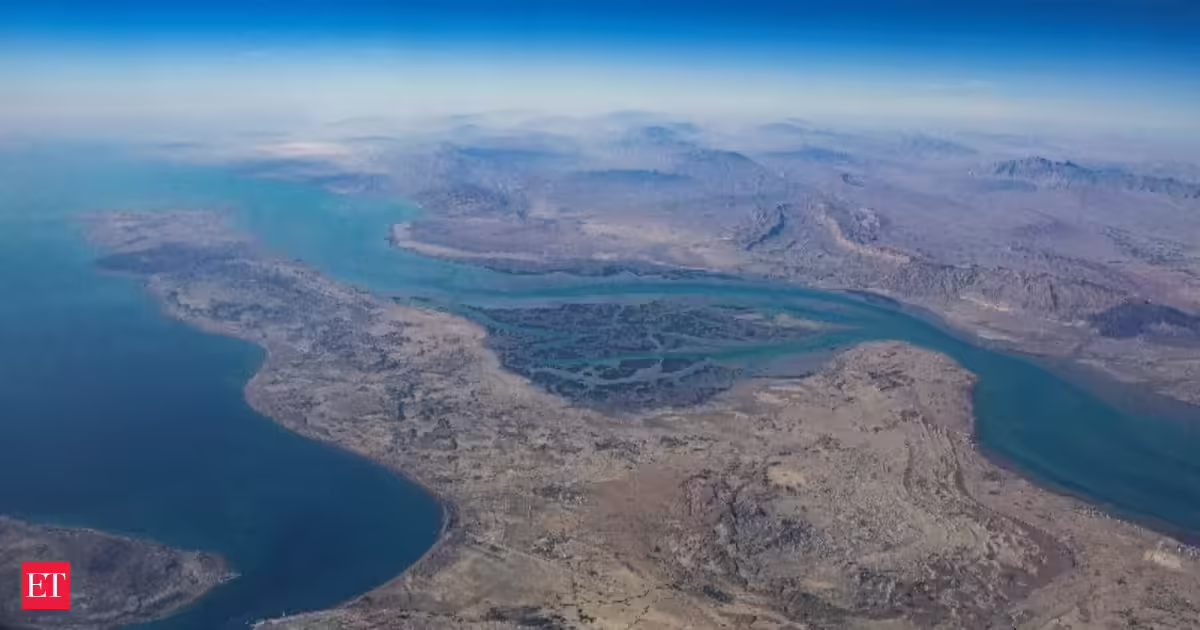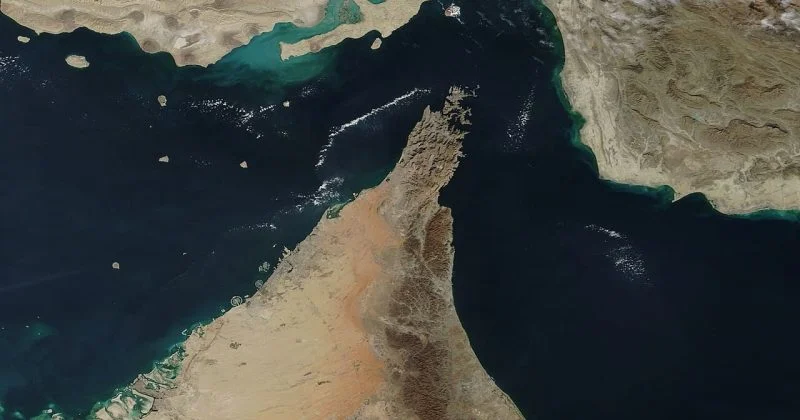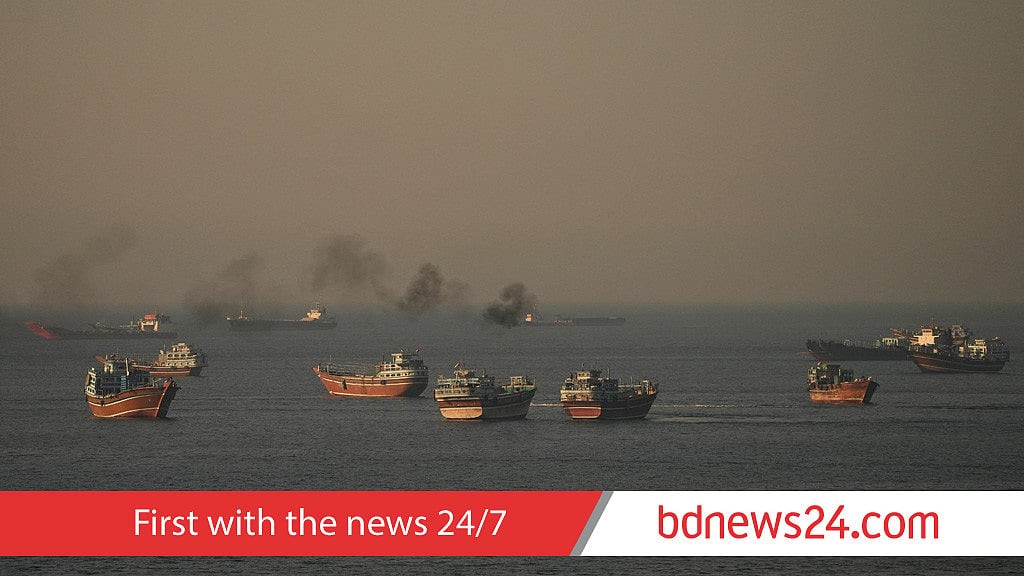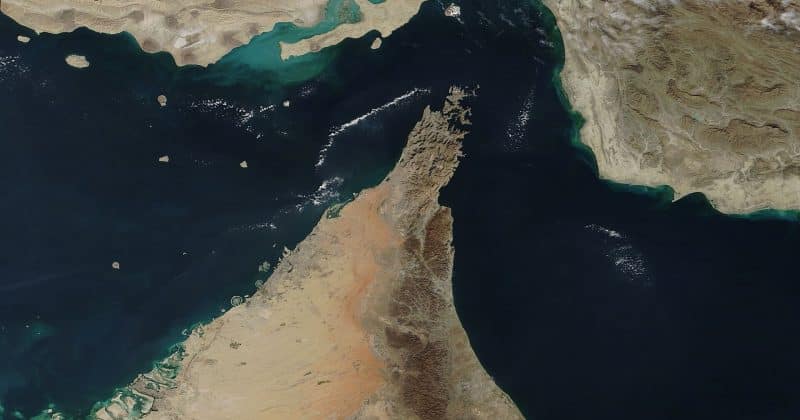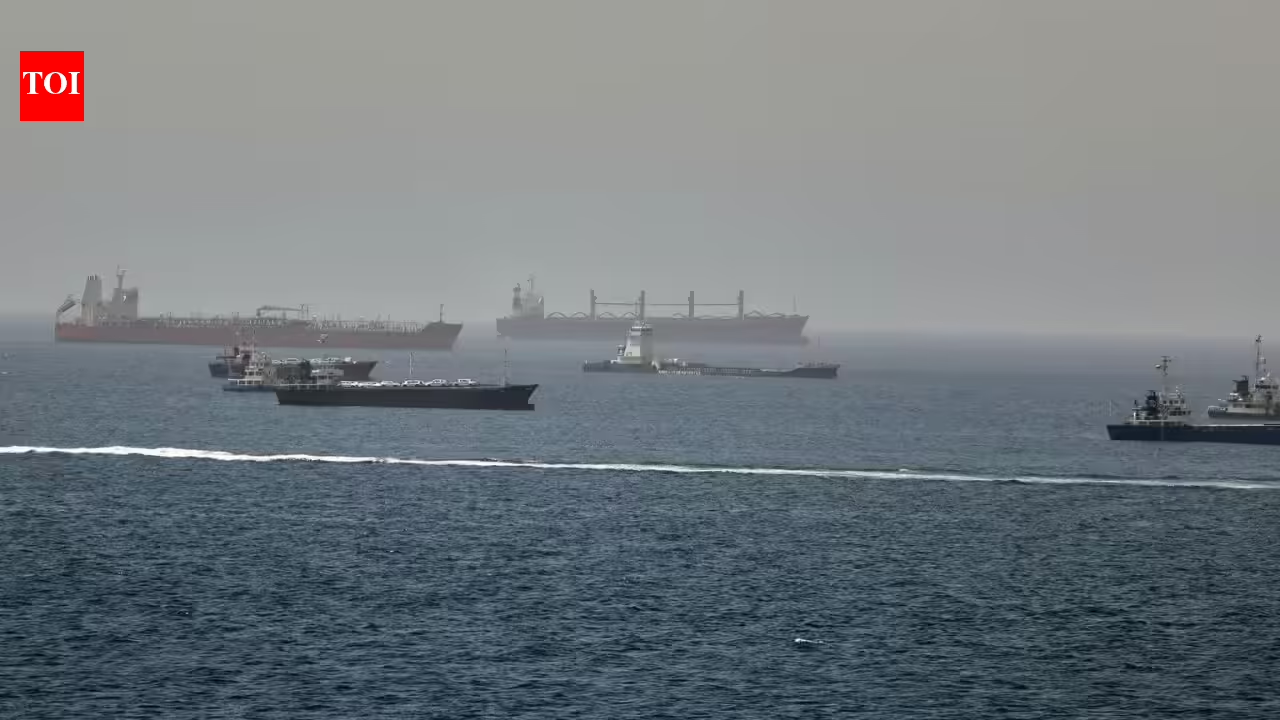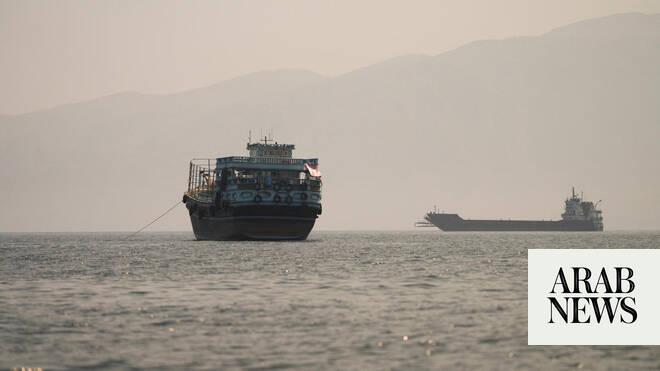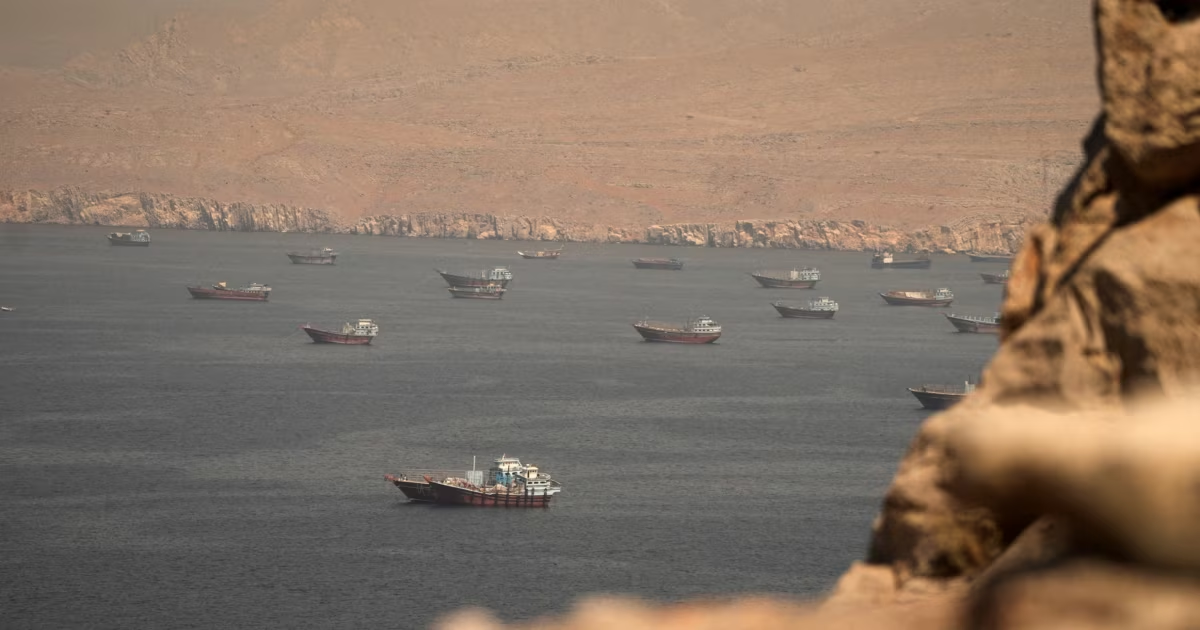
The Iran framework agreement gave an immediate boost to markets, with shares rising and oil prices dipping. But whether this translates into durable economic gains will largely depend on shipping in the Strait of Hormuz.There were signs of traffic beginning to revive on June 18 in the hours immediately after the US and Iranian presidents signed a memorandum of understanding to end the war, according to Windward, a maritime intelligence company.Speaking in an online briefing, Windward chief analyst Michelle Wiese Bockmann said 18 vessels had transited the strait between 6 p.m. on June 17 and 2 p.m. UTC on June 18, in what she described as "a sign of confidence in the agreement."
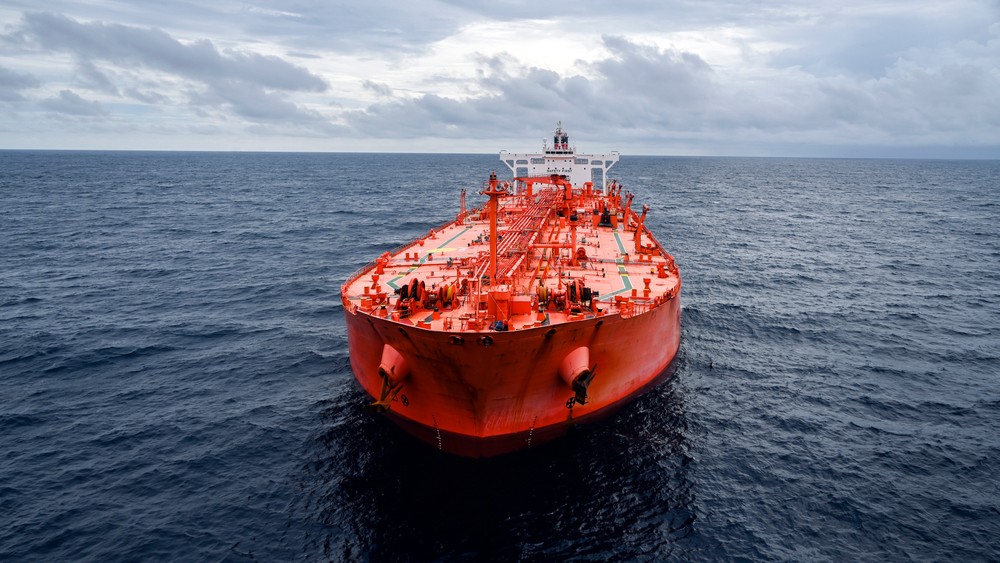
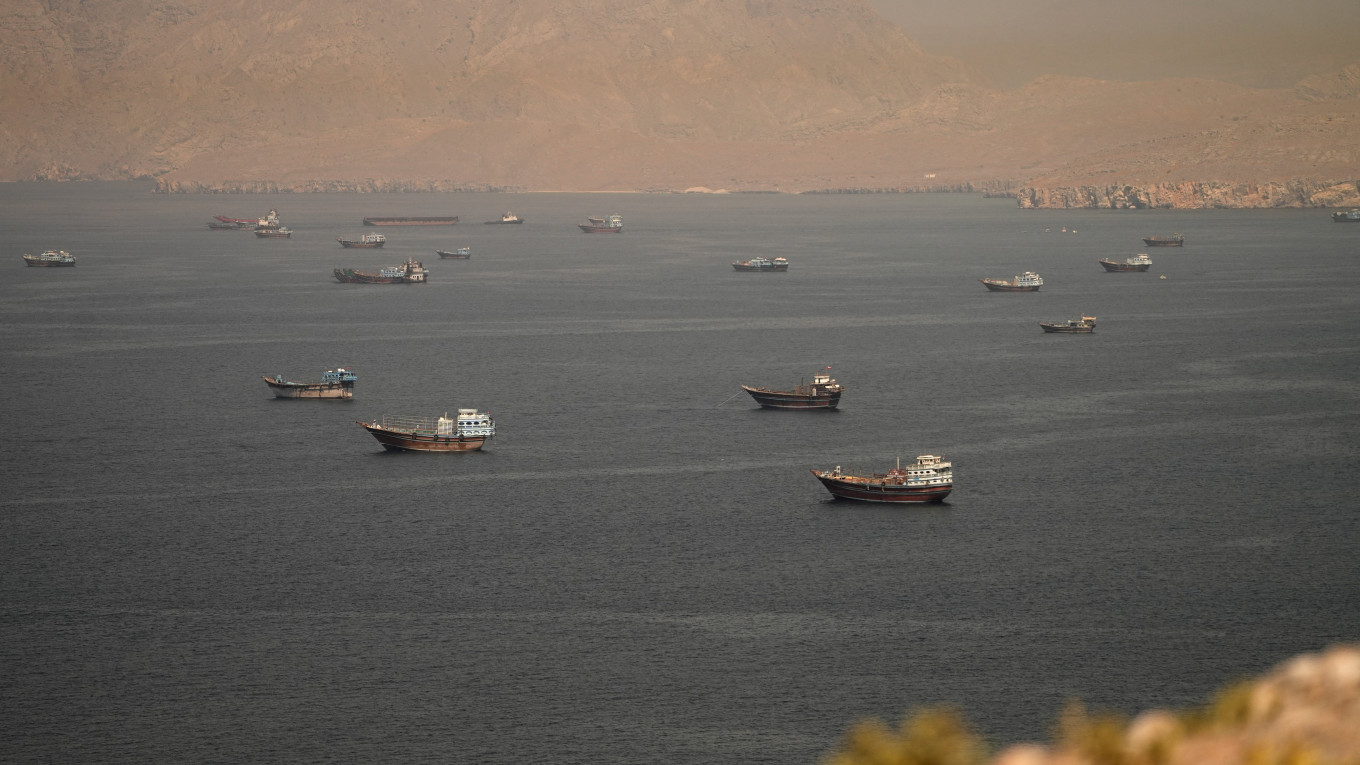
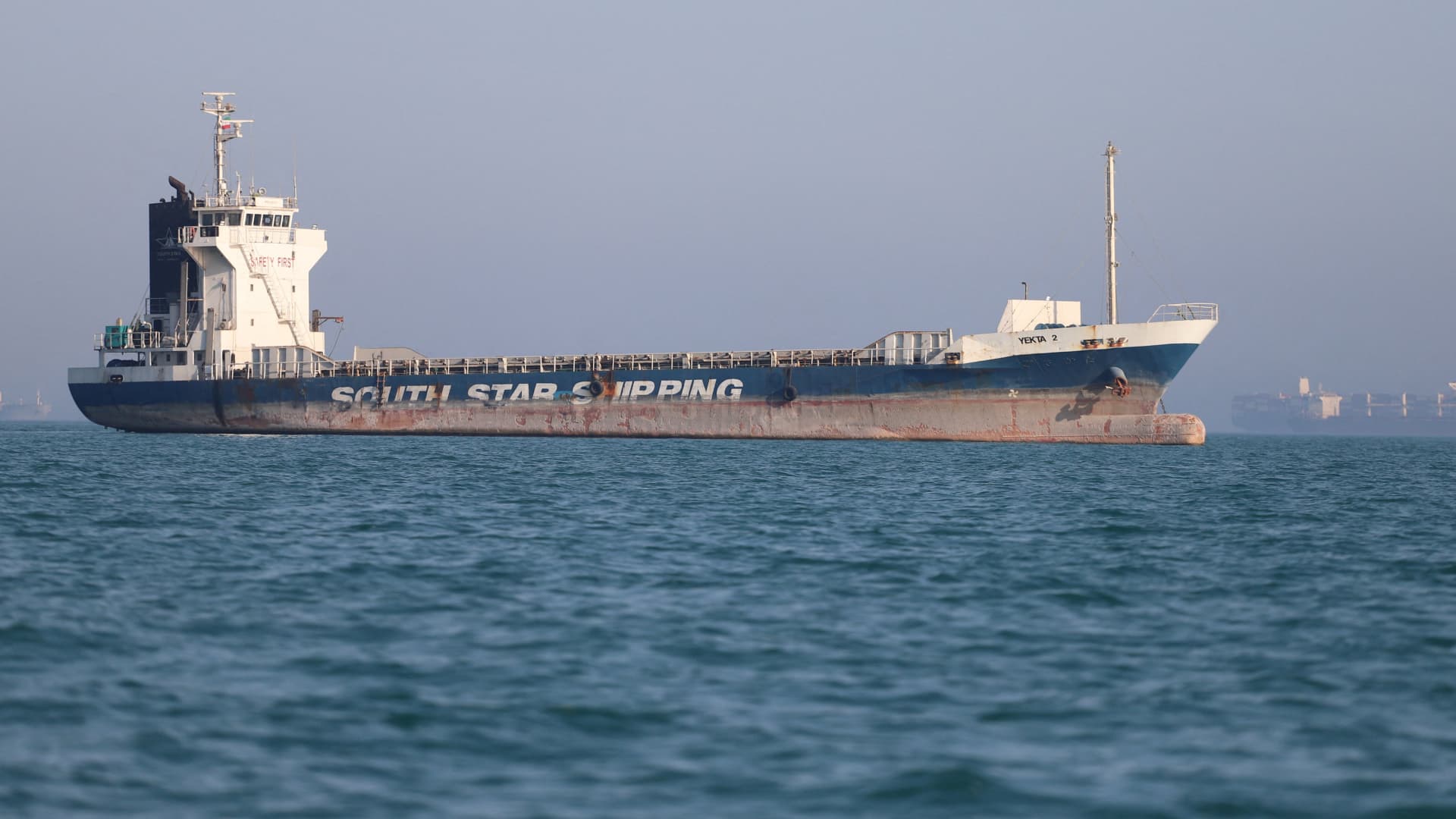
Specifically, she said these were a French-flagged liquid natural gas (LNG) tanker, two Hong Kong-flagged tankers, an Italian-flagged vehicles carrier, a Japanese-controlled oil tanker, and some Saudi-flagged tankers.Ten of the vessels were outbound, having been stuck in the Persian Gulf for 109 days owing to the war that began with US and Israeli air strikes on Iran on February 28.Prior to the war, some 20 percent of the world's oil supplies passed through the Strait of Hormuz, as well as large quantities of LNG, fertilizers, and other important products and commodities.A 'Trickle' Of Ships"It's going to start as a trickle, but certainly this is a very good sign, an early sign that there is confidence for outbound transits," Bockmann said."Transits averaged about seven vessels a day in the first two weeks of June until we had word of this agreement coming on [June 14]. And the total volume of transit so far in June already exceeds the 156 that we saw in May that we tracked. Certainly we see everything gathering force," she added.Ben Cahill, a nonresident senior fellow at the Atlantic Council's Global Energy Center, indicated that this trickle needs to grow if the hope of an economic peace dividend is to be realized.