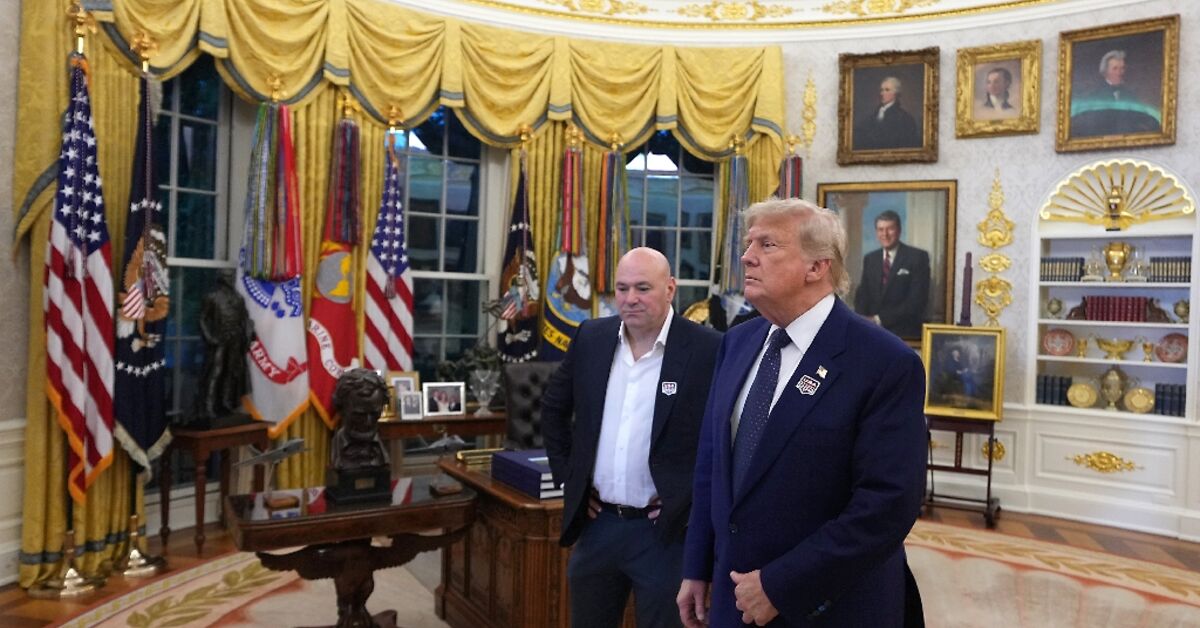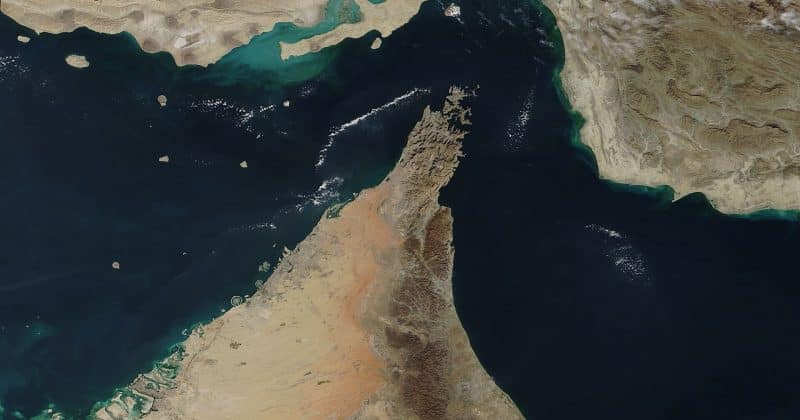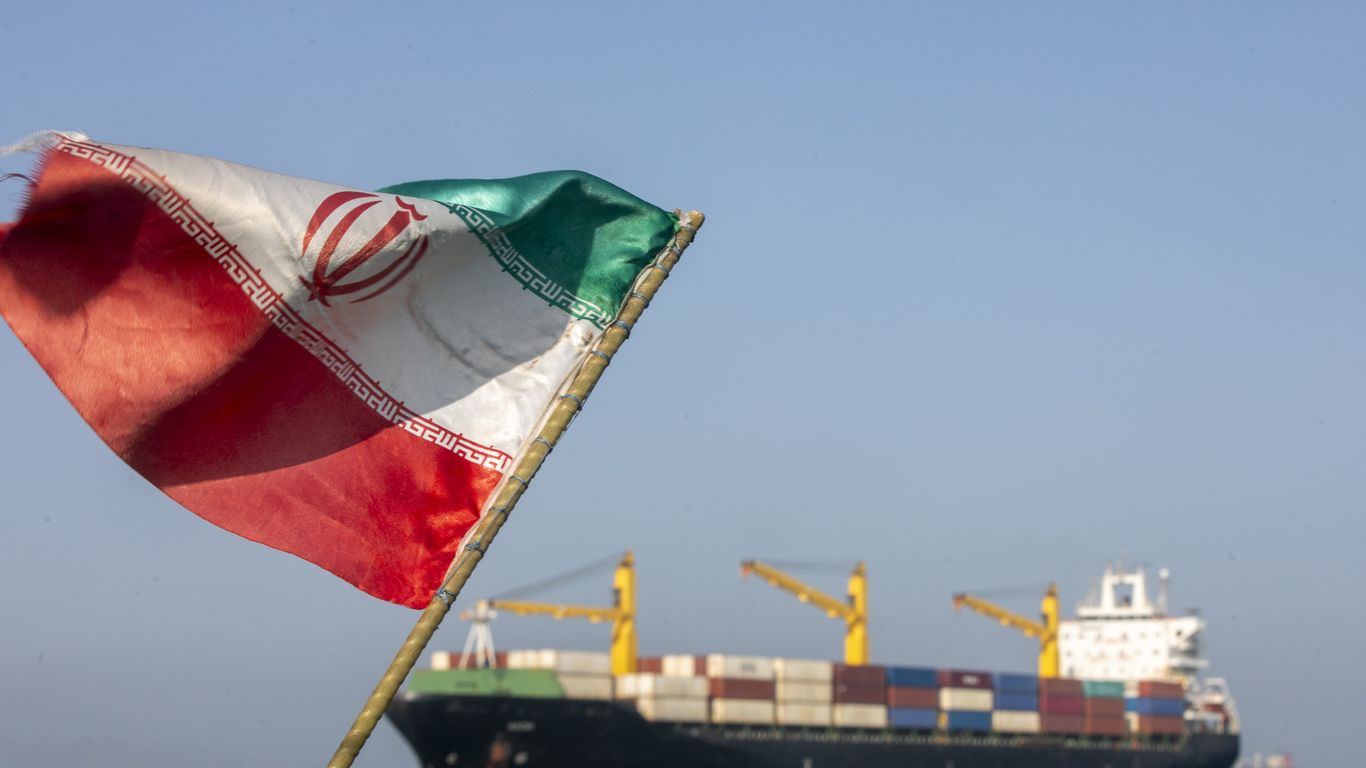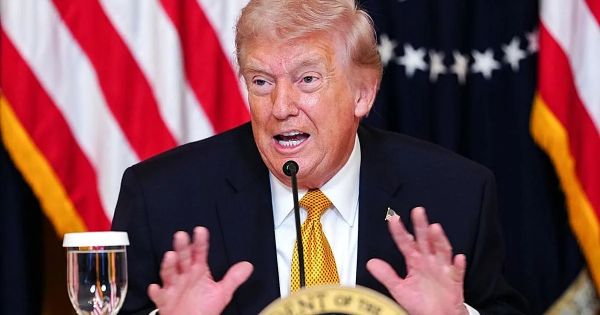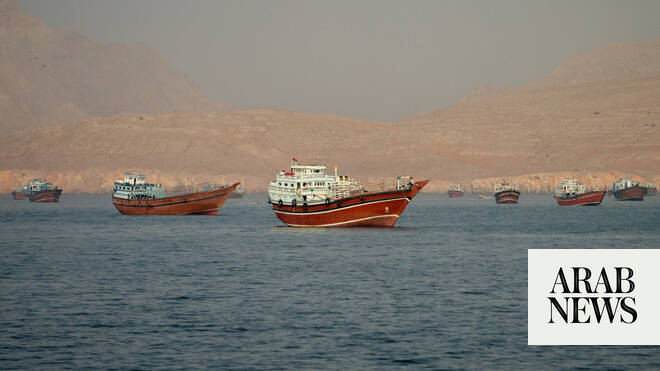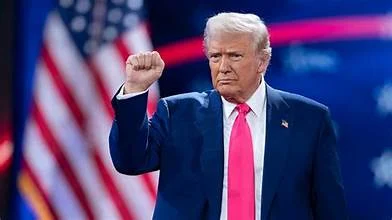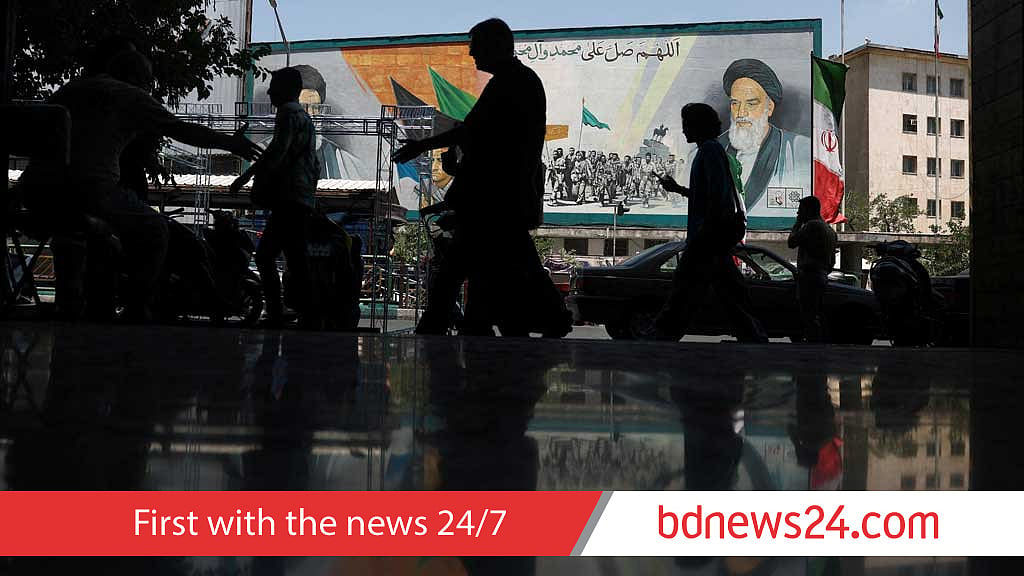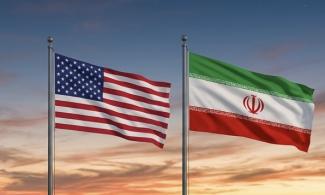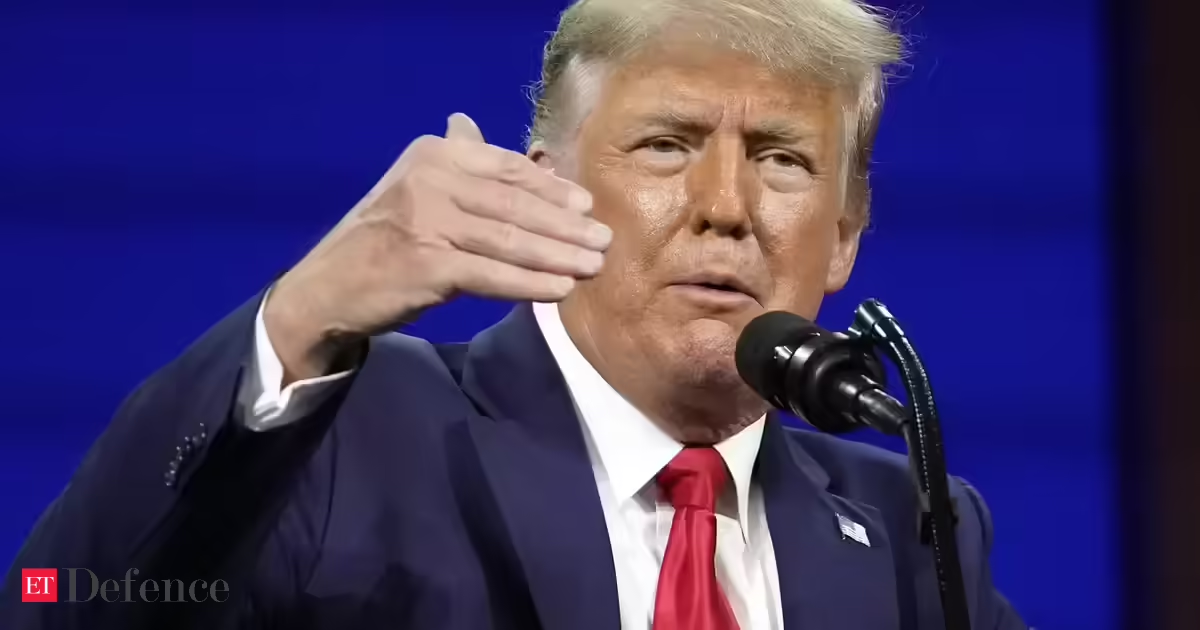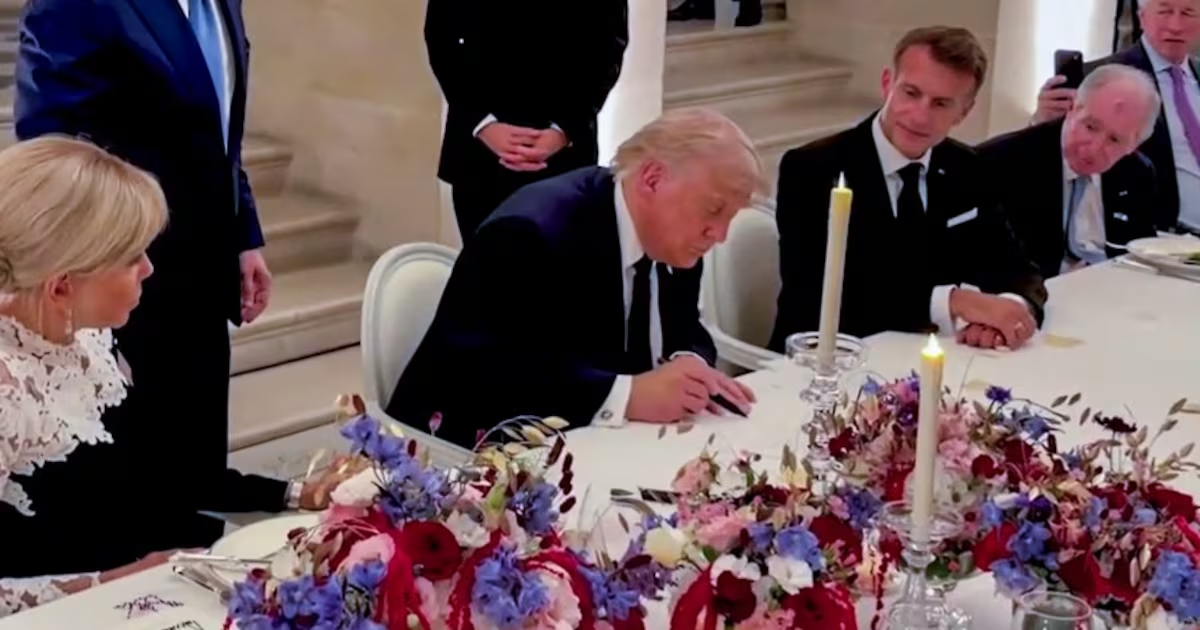
The US and Iran have signed an interim peace agreement aimed at ending their latest war and setting out a 60-day framework for a broader settlement, in a deal that immediately halts hostilities and opens the Strait of Hormuz to shipping.The agreement was signed digitally by US President Donald Trump and Iranian President Masoud Pezeshkian, both sides said, with Pakistan’s Prime Minister Shehbaz Sharif confirming key operational details of the deal on X.“The memorandum shall enter into force with immediate effect and, as a first step, the Islamic Republic of Iran will instantly reopen the Strait of Hormuz and the United States of America will immediately lift the naval blockade,” Mr Sharif wrote. Ships would be allowed to transit freely for an initial two-month period, he added.The 14-point agreement lays out a broad ceasefire across several fronts, sanctions relief for Iran, the unfreezing of Iranian assets, and the creation of a $300 billion reconstruction fund, the text released by both governments says.QuoteWe’re going to bomb the hell out of them if they violate the agreement. I don’t want them to. I want them to honour the agreement.US President Donald TrumpIt also includes Iranian commitments not to pursue nuclear weapons and to place portions of its enriched uranium stockpile under International Atomic Energy Agency supervision for monitoring and “down-blending” on site, a compromise that stops short of the removal of material sought by Washington.Speaking during the G7 summit in France, Mr Trump said the deal could mark a turning point but warned US military action could resume if Iran fails to comply.“We’re going to bomb the hell out of them if they violate the agreement,” he told reporters. “I don’t want them to. I want them to honour the agreement.” He also described Iranians as “smart people” and said he hoped the 60-day process would lead to a permanent truce and help reduce global oil prices.Mr Trump has stressed the conditional nature of the agreement. “If I don’t like it, if they don’t behave, we’ll go right back to dropping bombs right smack in the middle of their head,” he said, underscoring continued US pressure even as negotiators work towards a longer-term settlement.Iranian President Masoud Pezeshkian holds a document showing the agreement he signed to end the Middle East war. AFPInfoIranian officials moved quickly to present the deal as a diplomatic breakthrough. State media released photographs of what is believed to be the first agreement signed by both a US and an Iranian president since the Islamic republic’s founding in 1979. Mohammad Bagher Ghalibaf, Iran’s lead negotiator, told state television that the outcome far exceeded expectations achieved through military pressure.“Everything we sought to achieve through military action, we obtained several times over through negotiation; it was not even comparable,” he said, adding that the agreement includes the unfreezing of billions of dollars in Iranian assets.The accord follows months of conflict that erupted after the US and Israel launched a military campaign against Iran on February 28, which included the killing of Iran’s 86-year-old supreme leader Ayatollah Ali Khamenei and senior military commanders. The war rapidly escalated into a wider regional conflict, killing thousands of people, mostly in Iran and Lebanon, and fuelling global economic disruption, including rising energy prices and inflationary pressures.Under the agreement, hostilities are to end immediately across all theatres, including Lebanon, where fighting between Israel and Hezbollah has continued intermittently despite earlier ceasefire efforts. The memorandum also calls for a halt in cross-border attacks and a gradual de-escalation framework intended to hold during the 60-day negotiating window.Oil markets reacted to the announcement with initial declines, with Brent crude falling below $80 a barrel on expectations of the Strait of Hormuz reopening, before partially rebounding after Mr Trump’s warnings of renewed military action.Despite the diplomatic breakthrough, significant questions remain over implementation. Iranian Foreign Ministry spokesman Esmaeil Baghaei said that with the agreement already signed electronically, a planned signing ceremony in Switzerland on Friday will not go ahead.Play00:24Trump says he will attack Iran again if agreement failsBut he added that negotiating teams were still expected to travel, signalling that technical talks and implementation discussions are likely to continue despite the cancellation of the formal event.European leaders, while welcoming the de-escalation, had previously expressed concern over the war’s legality and its regional fallout.At the summit in France, G7 leaders called for an immediate ceasefire in Lebanon and urged all parties to ensure stability in the region, particularly around the strategically vital Strait of Hormuz.Even as the agreement is framed as a major diplomatic reset, uncertainty remains over whether it can hold through the full 60-day negotiation period, with both sides maintaining pressure and reserving the option of renewed confrontation.
US and Iran sign deal to end war, reopen Hormuz and launch 60-day talks | The National
Pact includes sanctions relief, nuclear limits and $300bn reconstruction fund, amid Trump’s renewed bomb warnings
778 words~4 min read