HomeAI · summaries
Storia in 19 fonti
Analysis-US-Iran deal redraws the Middle East: Iran gains, rivals alarmed
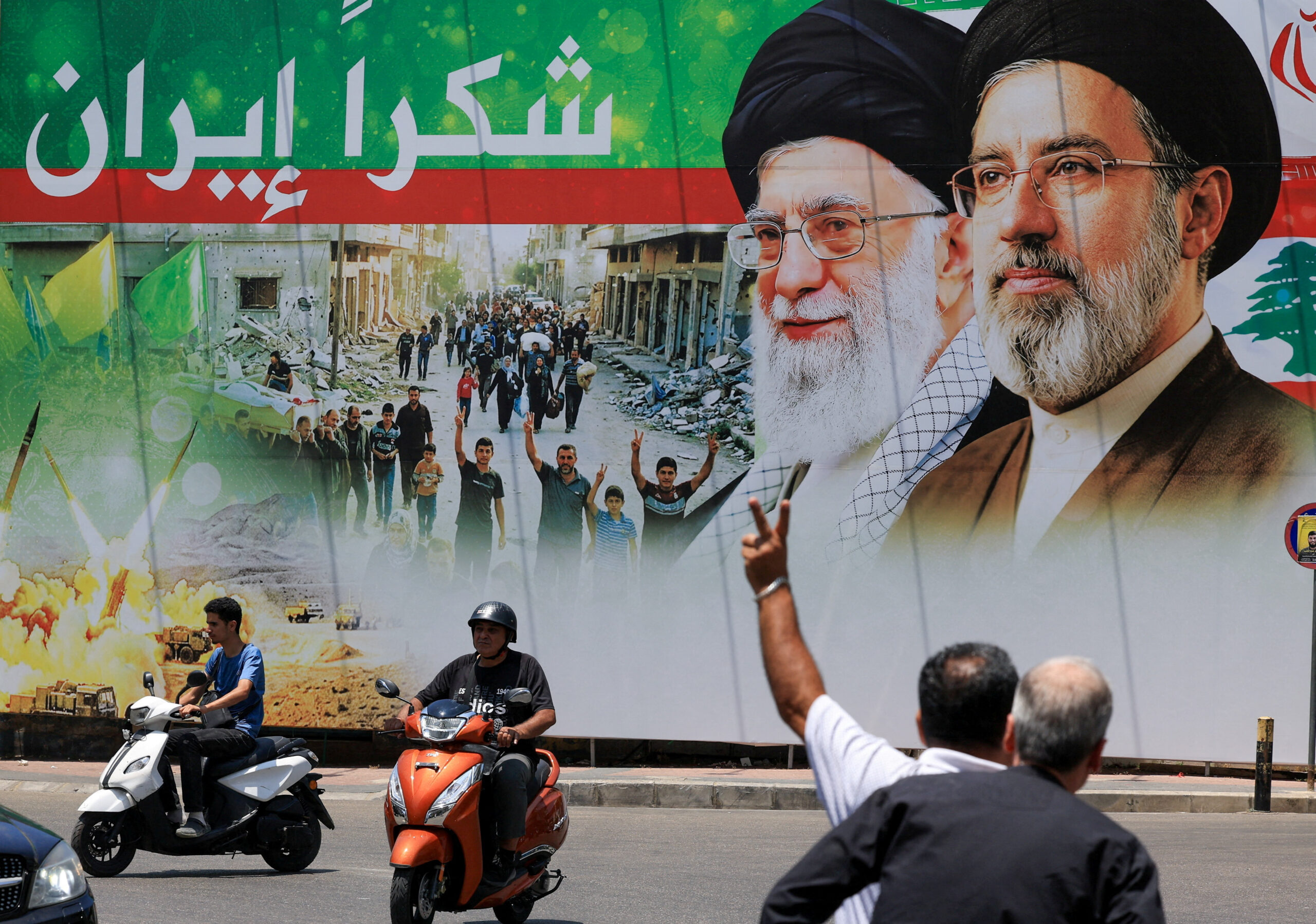
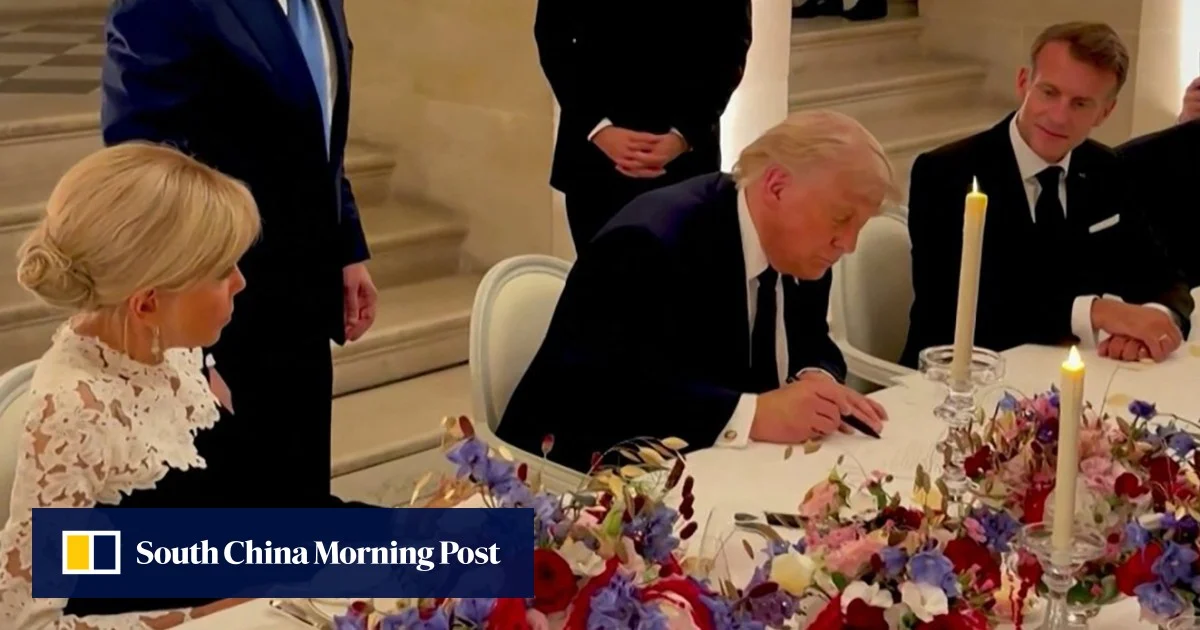
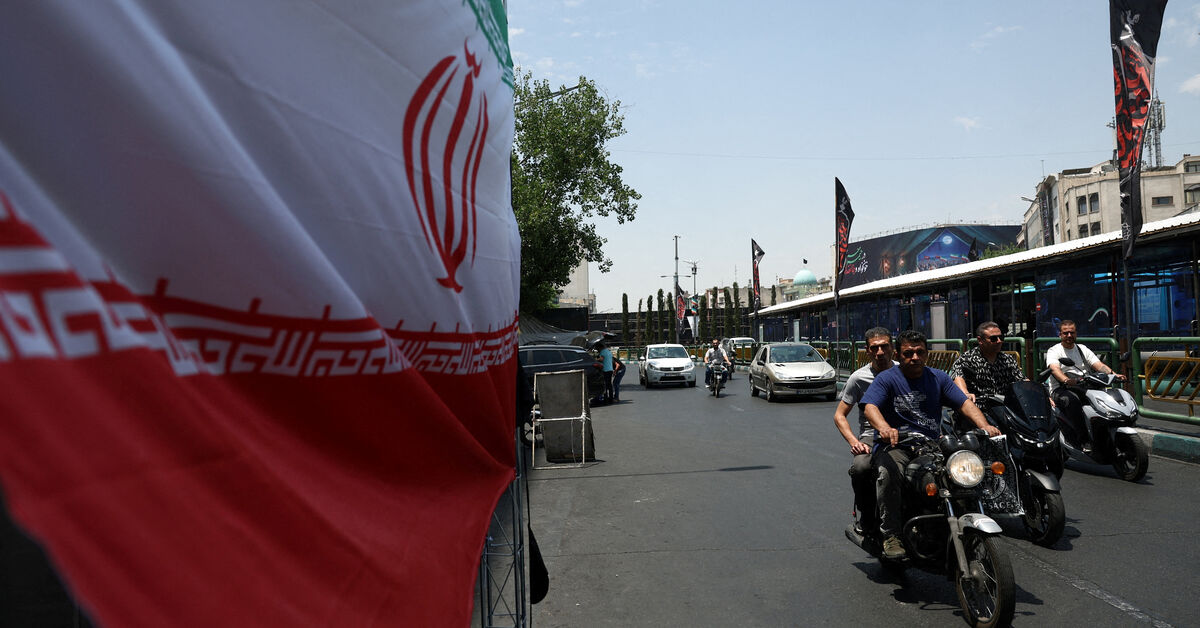
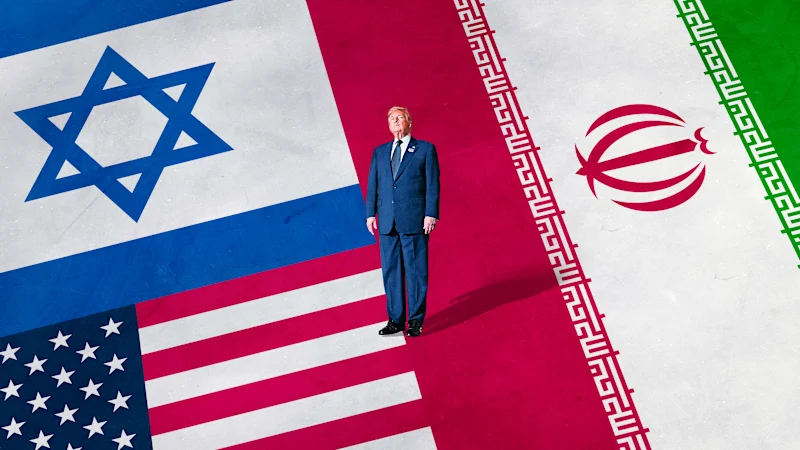
By Samia NakhoulBEIRUT, June 18 (Reuters) - The U.S.-Iran agreement — the first signed by an American and an Iranian president since Iran's 1979 Islamic Revolution — is being hailed by its backers as the deal of the century. But for Tehran's adversaries across the Middle East — from Israel to Gulf states and factions in Lebanon — it looks more like the curse of the century: an accord that could leave Iran more secure, more legitimate and ultimately more influential.
Confronto fonti
6 prospettive sulla stessa storiaTimeline cronologica
- ·
ynetnews.com
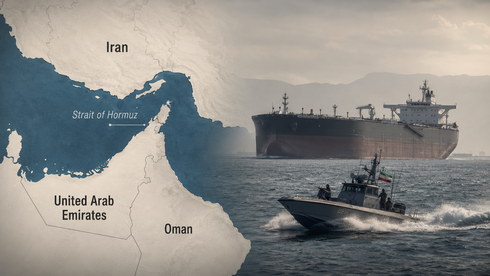
Iran survives ‘Epic Fury,’ leaving Gulf states exposed and questioning US protection
The deal may halt the fighting, but it leaves Iran’s nuclear and missile programs unresolved, with Tehran intact, Gulf states exposed and confidence in US protection badly shaken
- ·
thenationalnews.com
Deal gives Middle East hope as US and Iran prepare for signing ceremony | The National
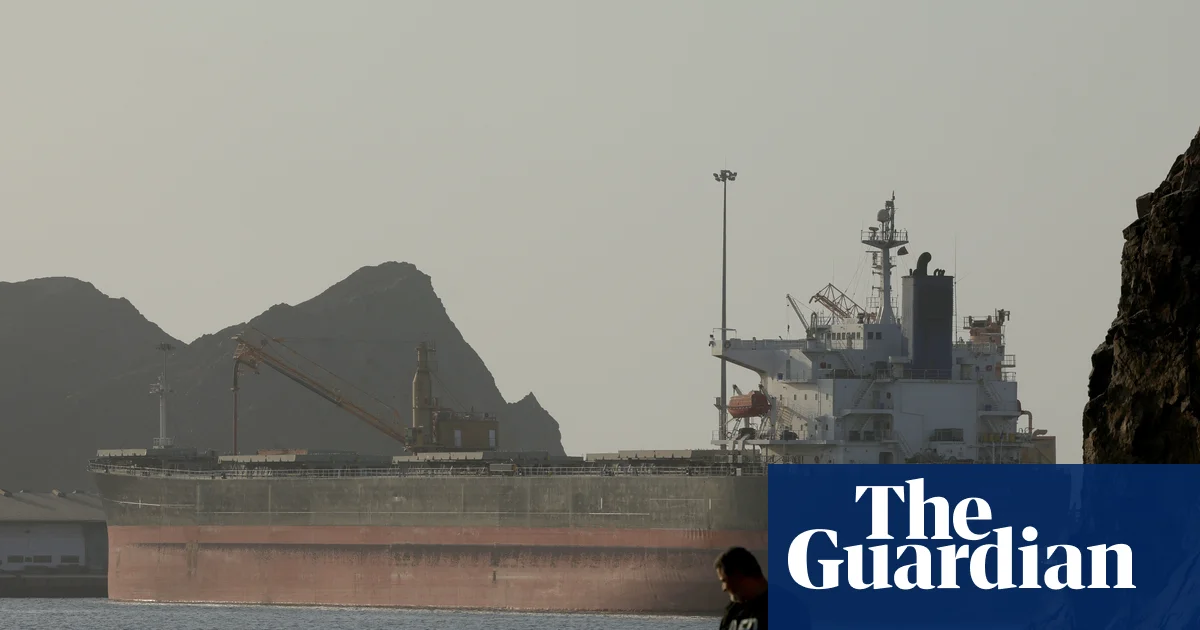
Hints of unresolved issues as Iran and Trump differ over Strait of Hormuz