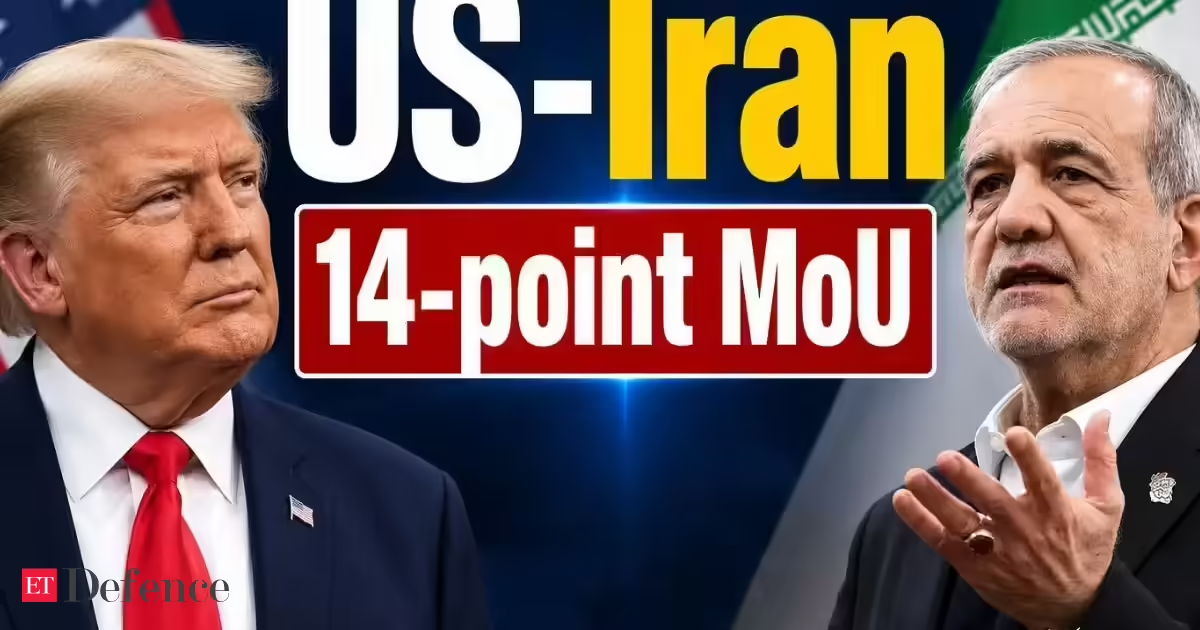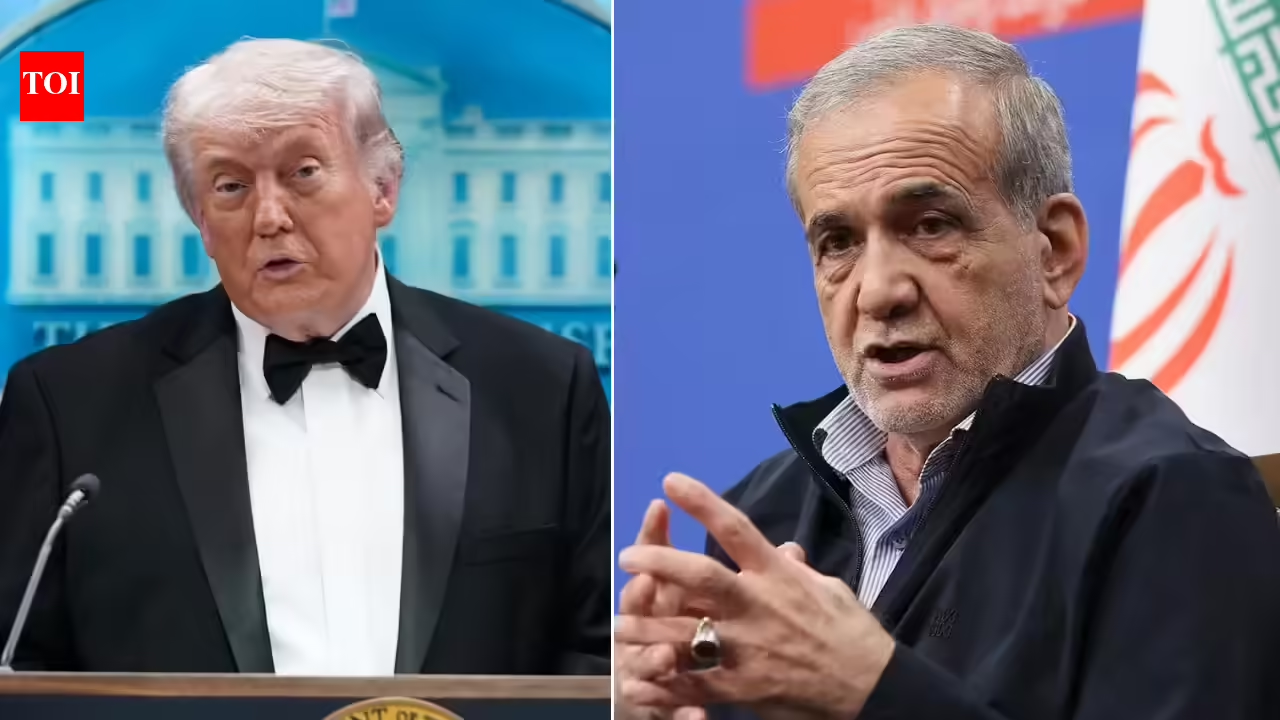
It’s bigger than the both of them. This week, the United States and Iran will sign a memorandum of understanding (MOU), which is expected to reopen the Strait of Hormuz and solidify the ceasefire that they struck seventy days ago. The bilateral agreement will have far-reaching implications for other countries in the Middle East and beyond. Below, Atlantic Council experts assess the impacts on several affected regions and countries.
The Gulf states
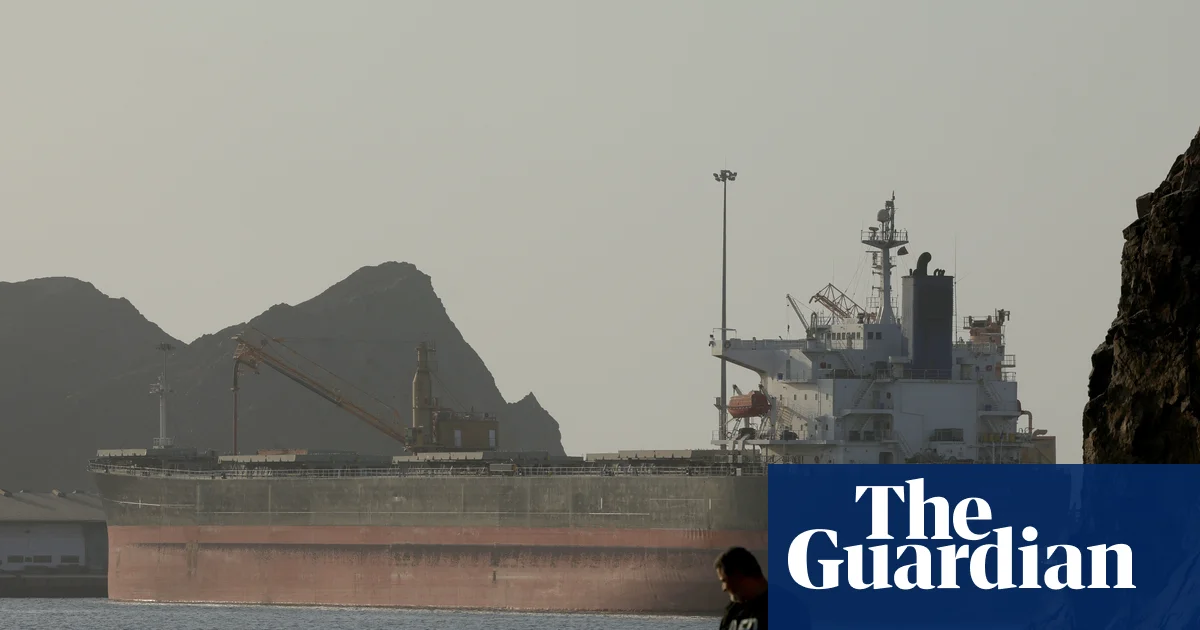
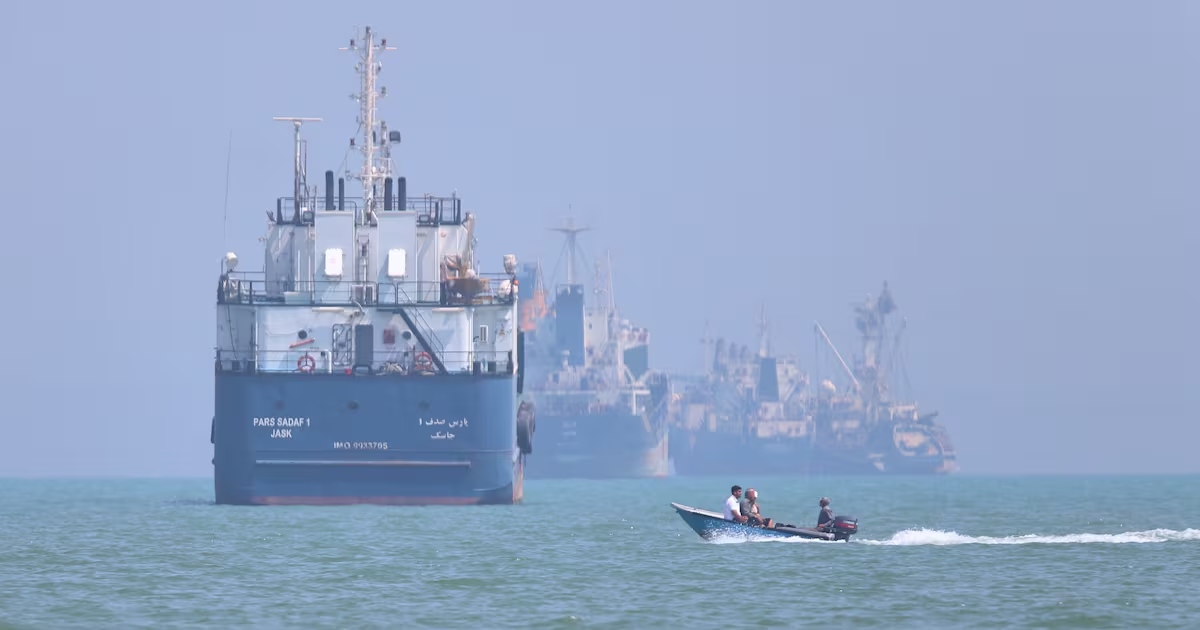
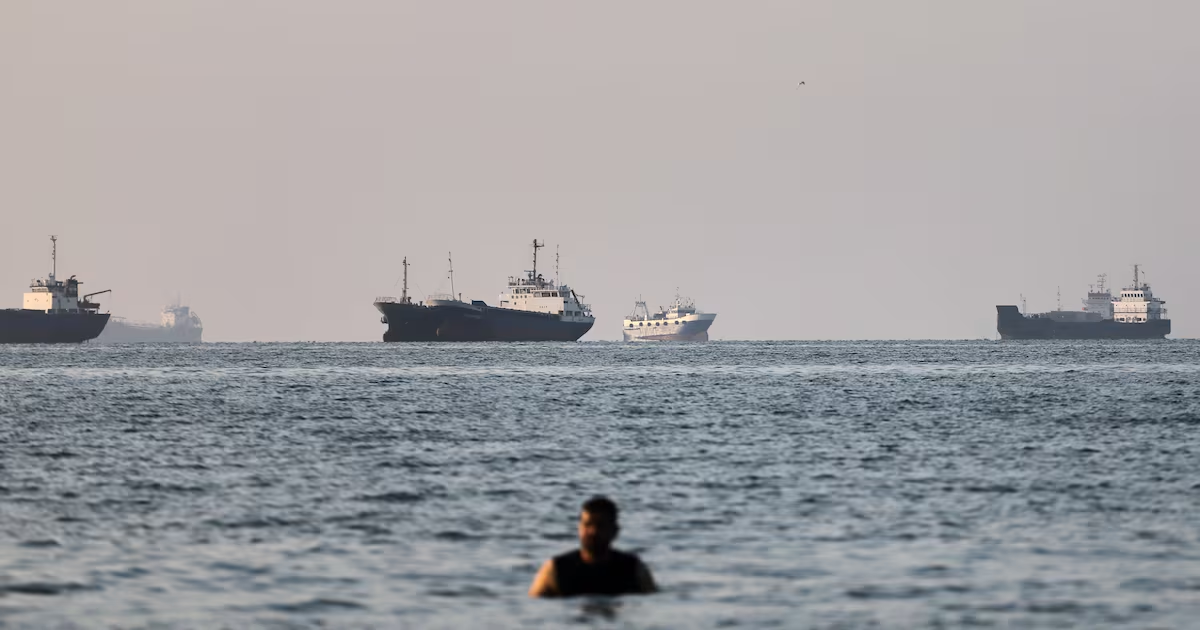
The Gulf states have been keen to see an end to the uncertainty provoked by the misjudged war against Iran, as well as a reopening of the Strait of Hormuz to more normal maritime traffic. These countries have been hit by Iranian missiles and drones, had their oil and gas exports disrupted due to the double blockade of the strait, and suffered casualties—in some cases, fatalities—because of the war. In their view, the agreement between the US and Iran could not come soon enough. Some Gulf Cooperation Council (GCC) members, particularly Qatar, have played a significant role as mediators in achieving the agreement.
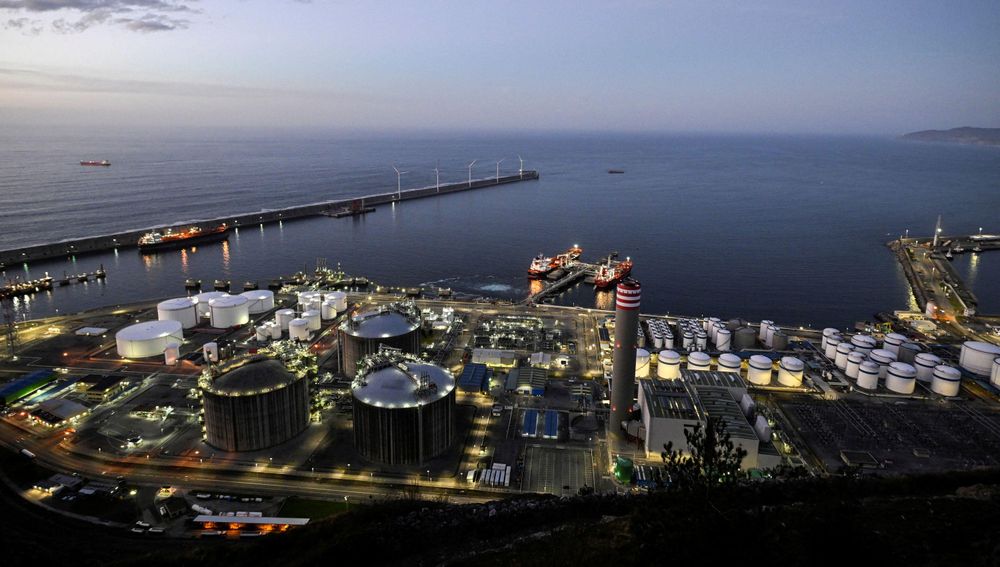
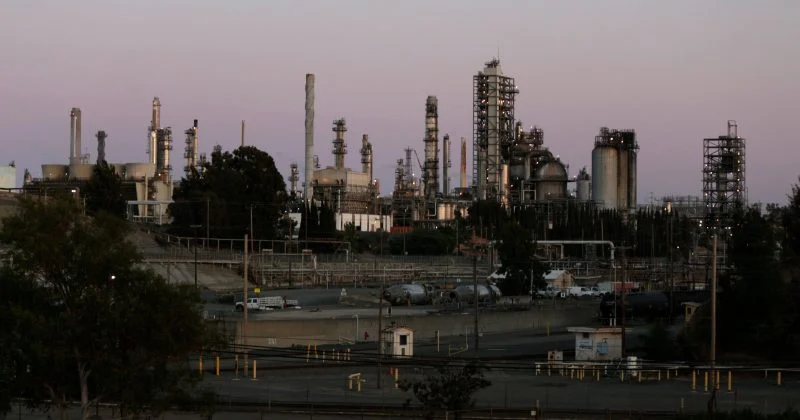
GCC states have been some of the major losers from the conflict. Their projected economic growth has been revised down, and inflation has edged up. There’s also been some loss of confidence in their economic model and a reduction in the number of expat resident workers and tourists. In some cases—such as Qatar’s Ras Laffan liquefied natural gas plant—significant damage has been done to the infrastructure upon which the economy is dependent, and it may take years to recover fully.