HomeAI · summaries
Storia in 10 fonti
Is the Iran war just an energy shock - or a turning point?
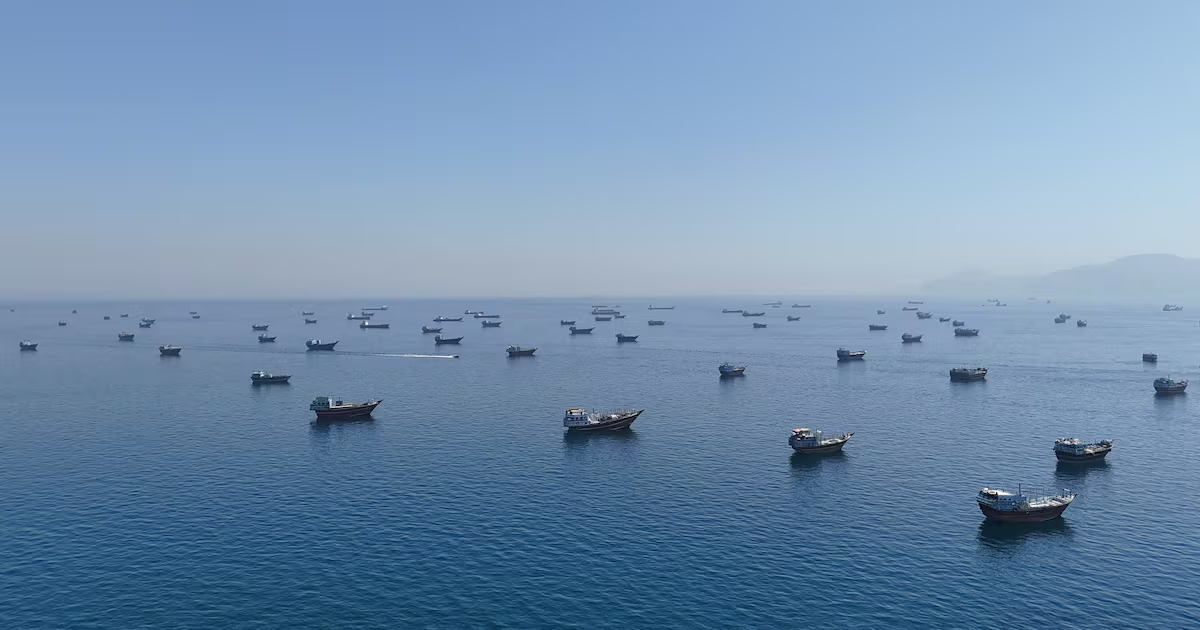
A potential U.S.-Iran peace deal to reopen the Strait of Hormuz could signal a watershed moment for global energy markets, moving beyond a temporary blip. While immediate relief is expected, the long-term impact hinges on consumer and government behavior shifts towards renewables and EVs, potentially challenging fossil fuel dominance.
Confronto fonti
6 prospettive sulla stessa storiaTimeline cronologica
- ·
forbes.com

What The U.S.-Iran Ceasefire Means For The Region
The Hormuz ceasefire calmed markets fast, but Iran gained leverage, Israel lost tempo, and the Gulf faces a bigger resilience bill. What each actor actually won.
- ·
economictimes.indiatimes.com
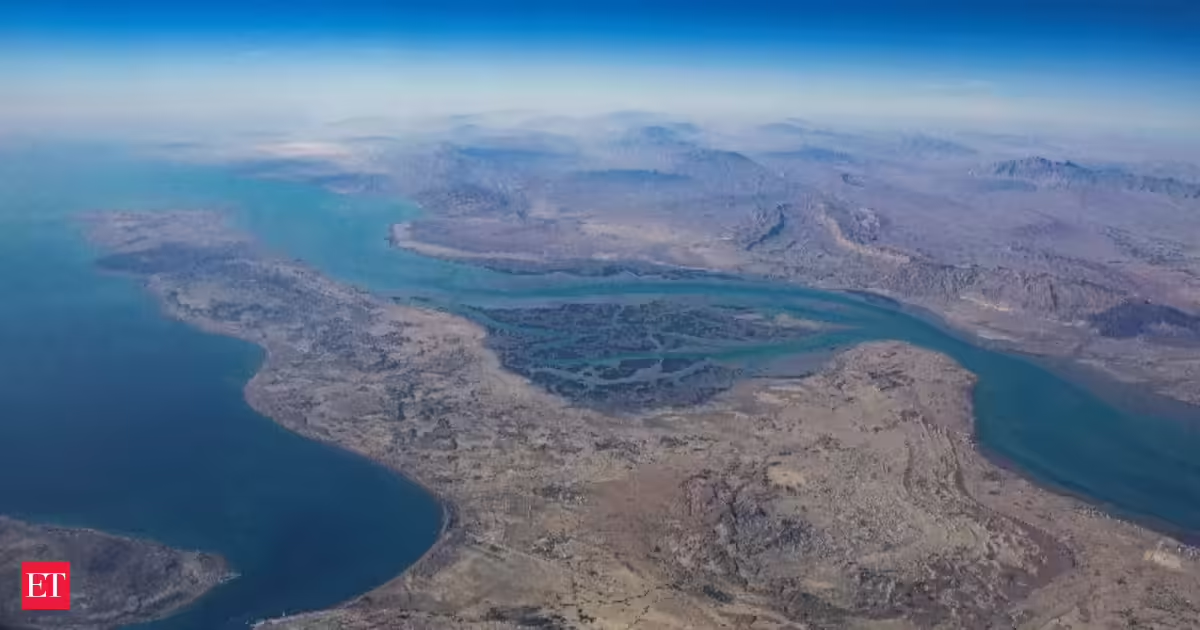
Fragile Iran deal offers oil relief, but Hormuz risks remain
A deal between the U.S. and Iran will reopen the vital Strait of Hormuz, easing global energy supply concerns. However, unresolved disputes mean future flare-ups are possible.…