Once again, AI proves to be an unreliable source of information about AI.

KPMG's 2025 global AI trust study finds 73% see benefits but 56% report mistakes from unverified AI outputs, spotlighting the hallucination problem in

A new probe into Big Four KPMG's report on agentic AI found that a large portion of its references were flawed, amid the latest news of AI-hallucinated reports published by…
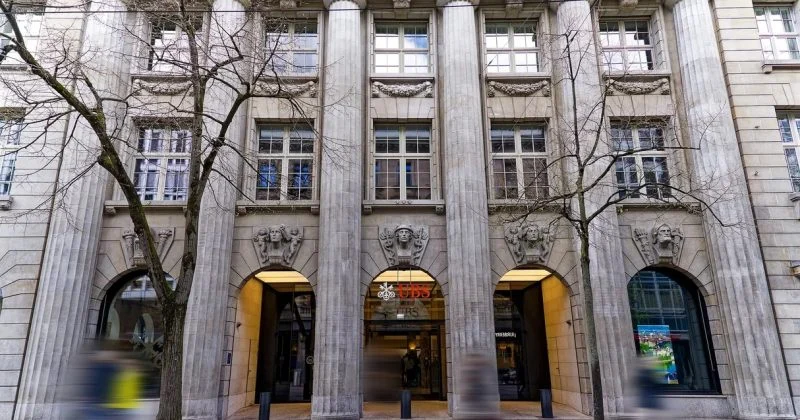
UBS forced KPMG to withdraw a report containing AI-hallucinated claims about the bank's use of AI agents in advisory, risk management, and compliance.

Un informe de KPMG sobre el uso de la IA por parte de empresas de todo el mundo exager� la adopci�n de esta tecnolog�a con casos de estudio falsos que parecen haberse basado en...

GPTZero found only 5 of 45 citations in KPMG's AI adoption report were accurate. The rest were fabricated, misattributed, or too vague to verify.

El is kellett távolítani a weboldalról.

GPTZero claims only 5 of the report's 45 citations matched their sources, raising questions about how the Big Four's AI study was assembled

KPMG has pulled the report from websites after discovering it contained bogus case studies from major organisations that exaggerated adoption of the technology.

Once again, AI proves to be an unreliable source of information about AI.

KPMG withdrew a report on agentic AI after multiple organisations said its claims about their AI usage were untrue. GPTZero says the errors were AI hallucinations.

KPMG withdrew its October 2025 report on AI usage after organizations disputed its accuracy, with research attributing errors to hallucinations from AI tools used in its creation.

KPMG published a report on AI in business that contained fabricated case studies involving UBS, the NHS, and other organizations. GPTZero CEO Edward Tian, who helped uncover the…

KPMG has retracted a global report after major organizations like UBS and the NHS denied claims of using AI for operational transformations. The report, which contained fabricated…