HomeAI · summaries
Storia in 6 fonti
Scientists found a 2,600-year-old brain inside an Iron Age skull and it was still intact
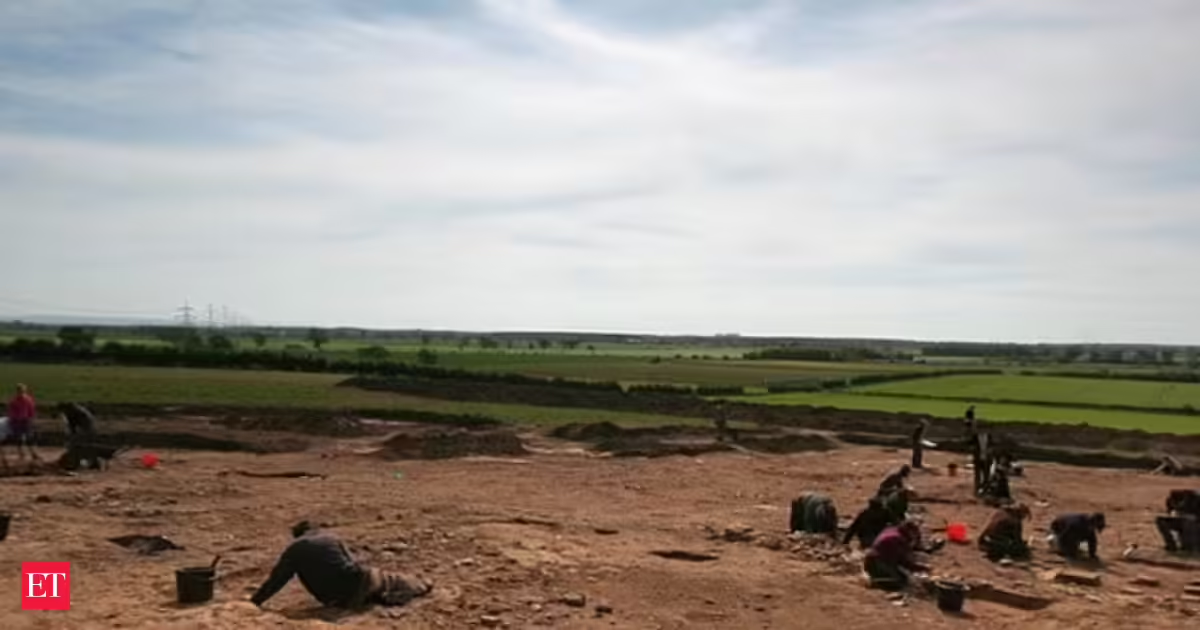
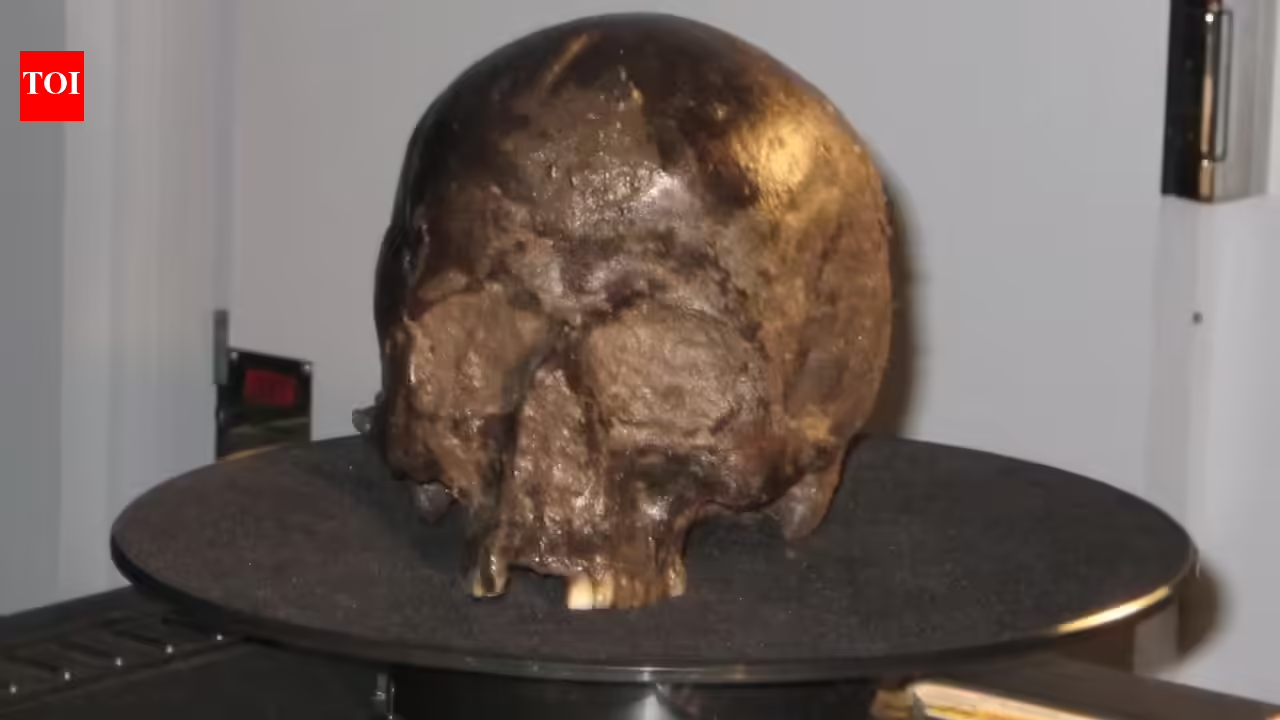
A human brain that may date back more than two millennia has been recovered from a skull unearthed near York, offering an unusual case of soft tissue survival in Iron Age archaeology. The remains were first excavated in 2008 from a waterlogged pit at Heslington, where conditions appear to have slowed the normal process of decay.
Confronto fonti
6 prospettive sulla stessa storiaTimeline cronologica
- ·
newscientist.com

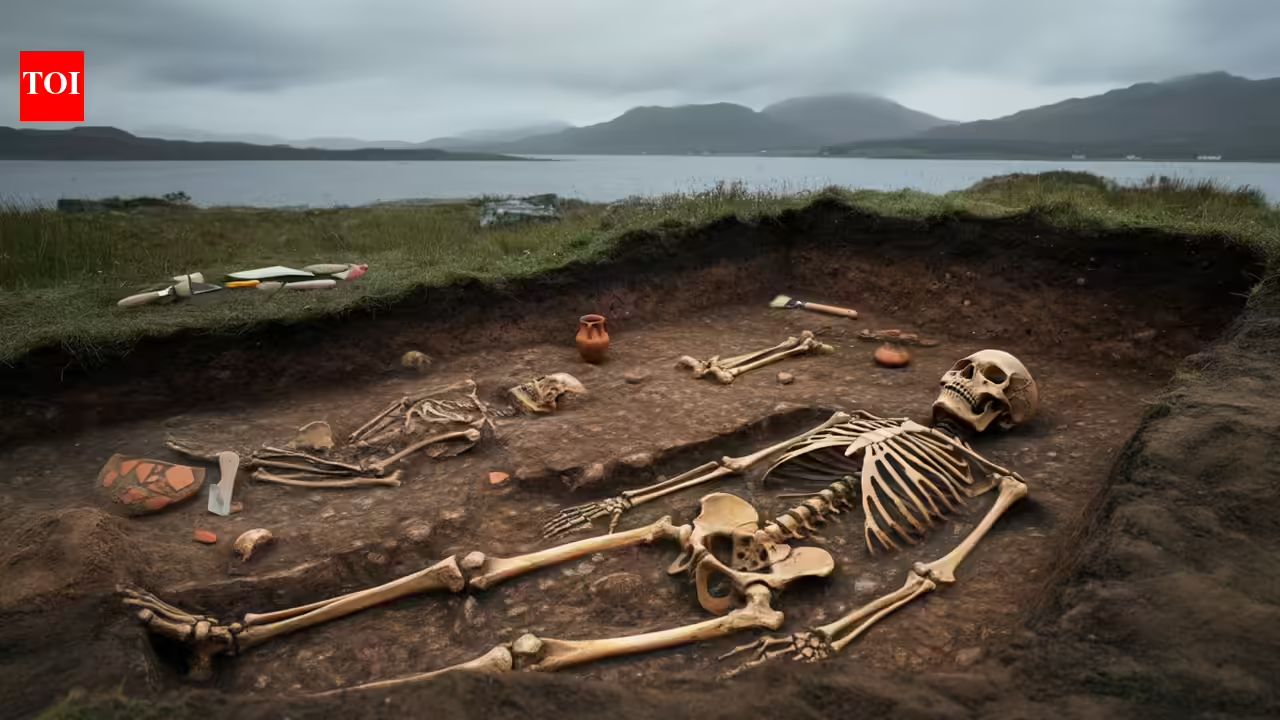
Iron Age Britons may have removed the brains of the dead
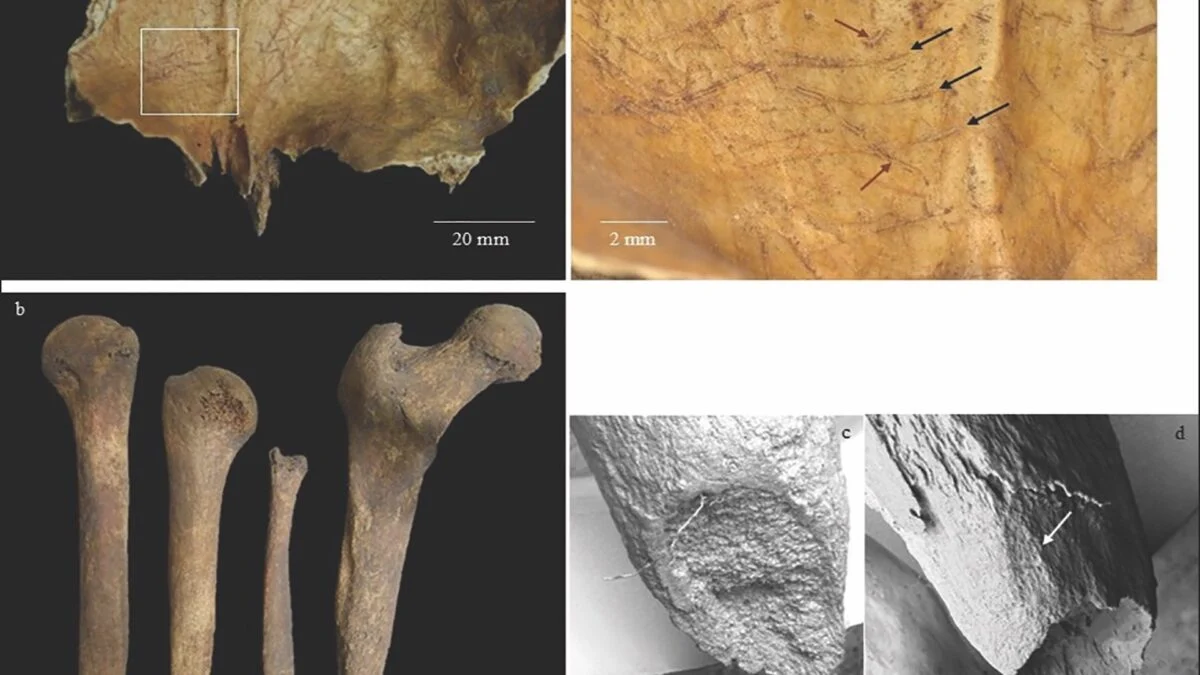
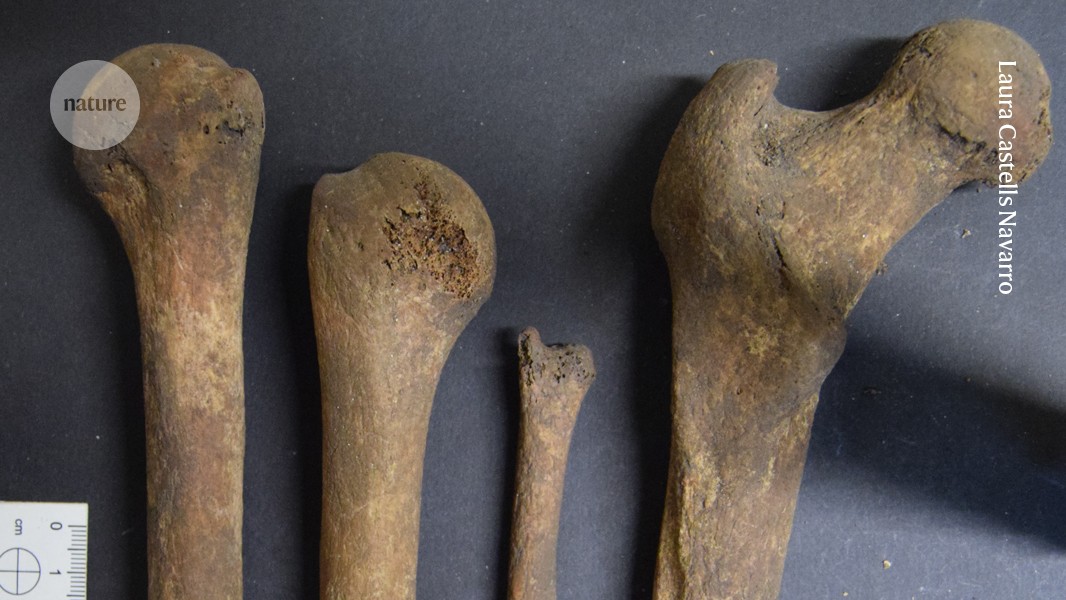
Scrape marks inside a skull and sharpened limb bones in a set of remains found in Scotland may be evidence of unusual Iron Age funerary rituals
- ·
independent.co.uk
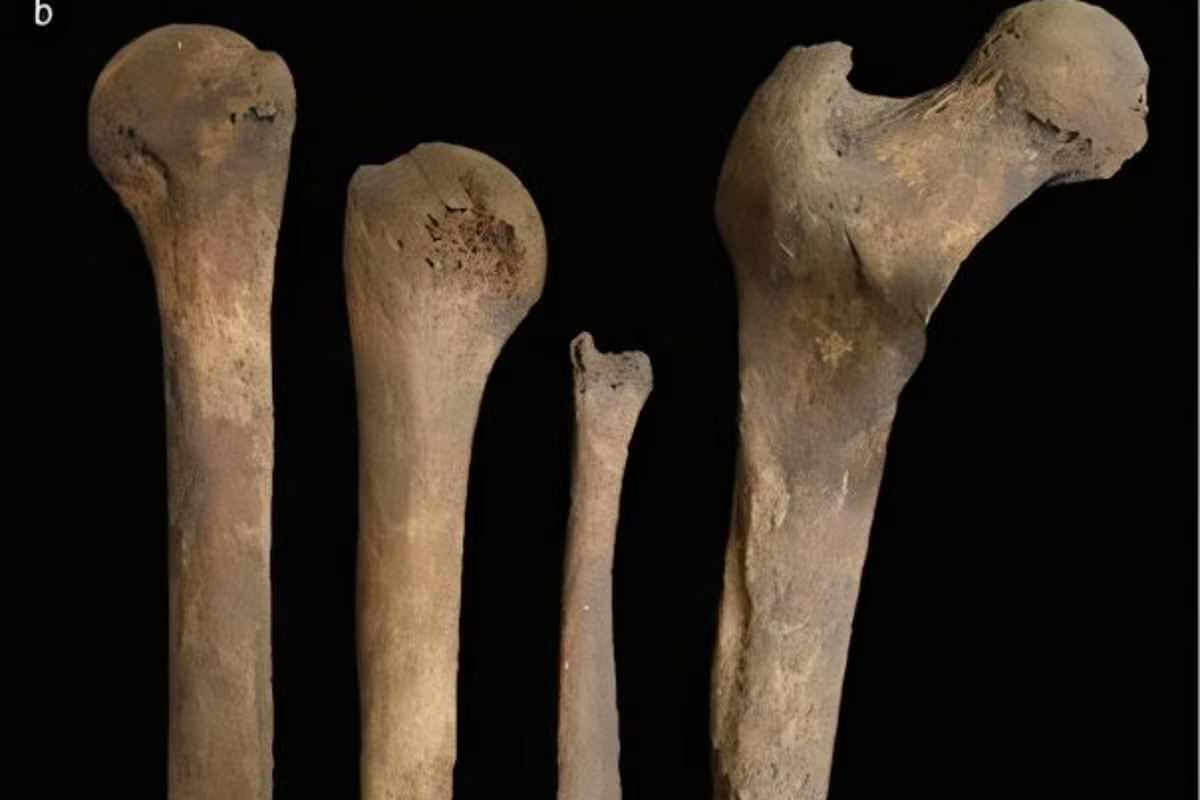
Iron Age Britons likely removed corpse brains in strange ritual
Motivation behind the skull manipulation ‘very difficult to interpret’, scientists say