HomeAI · summaries
Storia in 9 fonti
Commentary: Brace for a flood of oil as soon as Hormuz reopens
The reopening of the Strait of Hormuz will be an extraordinary event, but the oil industry doesn't have a playbook for it, says Javier Blas for Bloomberg Opinion.
Confronto fonti
6 prospettive sulla stessa storiaTimeline cronologica
- ·
channelnewsasia.com
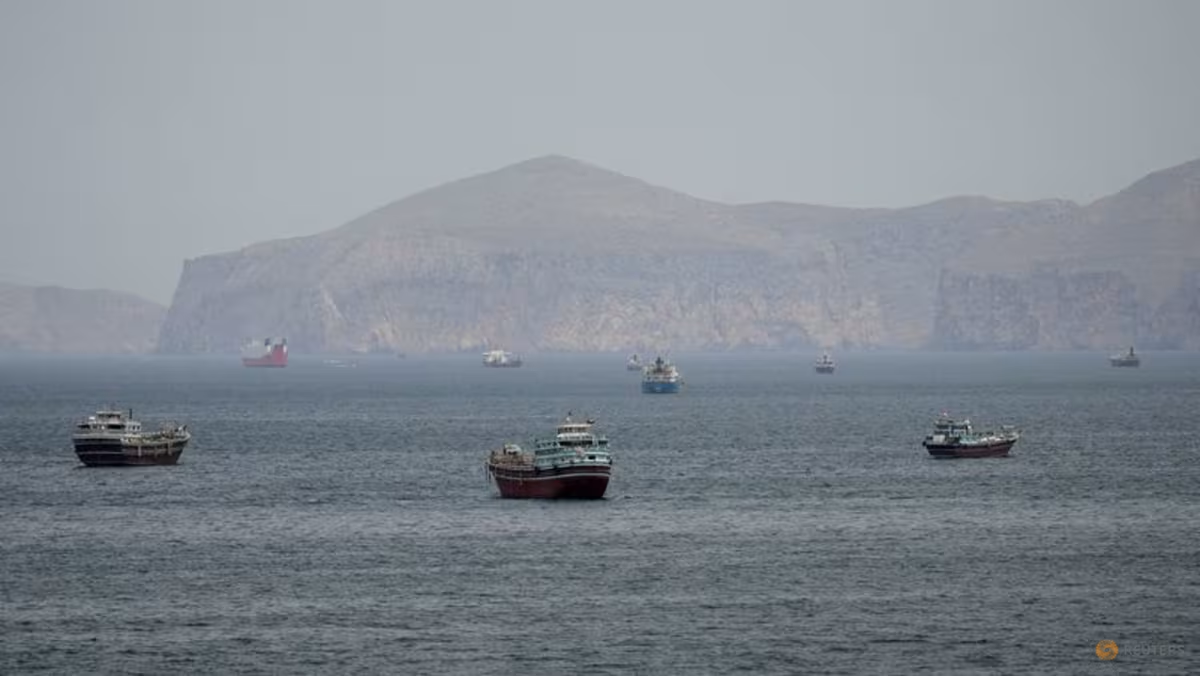
Commentary: The Strait of Hormuz is getting less dire by the day
The longer we go without oil from the Persian Gulf, the less we’ll need it, says Christopher Smart for the New York Times.
- ·
oilprice.com
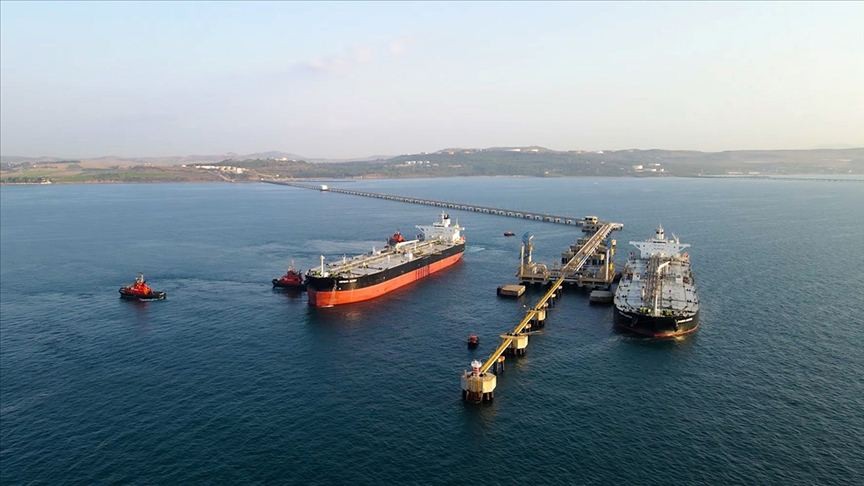
Post-War Oil Trade Could Look Nothing Like It Did Before Hormuz | OilPrice.com
Persian Gulf exporters are racing to bypass Hormuz by expanding pipeline infrastructure, with the UAE, Saudi Arabia, and Iraq investing in alternative export routes.
- ·
economictimes.indiatimes.com

Oil market likely to return to oversupply after Hormuz reopens: Fitch Ratings
Global oil markets are set to see a surplus once the Strait of Hormuz reopens. Fitch Ratings predicts this despite current price hikes. The closure is a temporary supply shock,…
- ·

From trickle to torrent: Hormuz reopening may trigger a global oil flood
The reopening of the Strait of Hormuz could trigger a faster-than-expected recovery in global oil supplies. With tankers already positioned near the Gulf and oil infrastructure…
- ·
timesofindia.indiatimes.com

100 days of Middle East crisis: What happens when the Strait of Hormuz opens
More than 100 days into the Middle East crisis, the Strait of Hormuz remains the world's biggest shipping question mark. Iran has now signalled that the strategic waterway will…
- ·
newsbytesapp.com

Oil market will see oversupply after Hormuz reopening: Fitch Ratings
Fitch Ratings predicts global oil markets will revert to oversupply after the Strait of Hormuz reopens, attributing recent price surges to a temporary logistical supply disruption.
- ·
brookings.edu
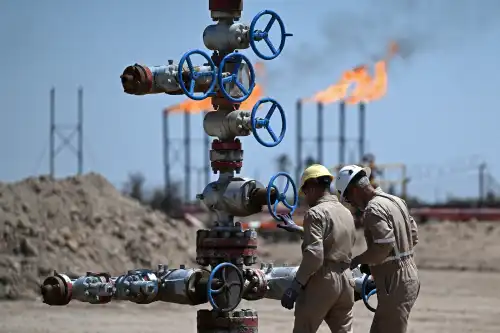
From chokepoint to crisis: The Strait of Hormuz and global oil markets | Brookings
Oil prices are likely to rise further as the Strait of Hormuz remains closed, and once it opens, the market will take months to normalize.
- ·

Fitch sees global oil markets returning to oversupply after Hormuz reopens
Global oil markets are set to return to oversupply soon. Fitch Ratings reports the Strait of Hormuz closure is a temporary supply shock. Prices are expected to fall sharply once…
- ·
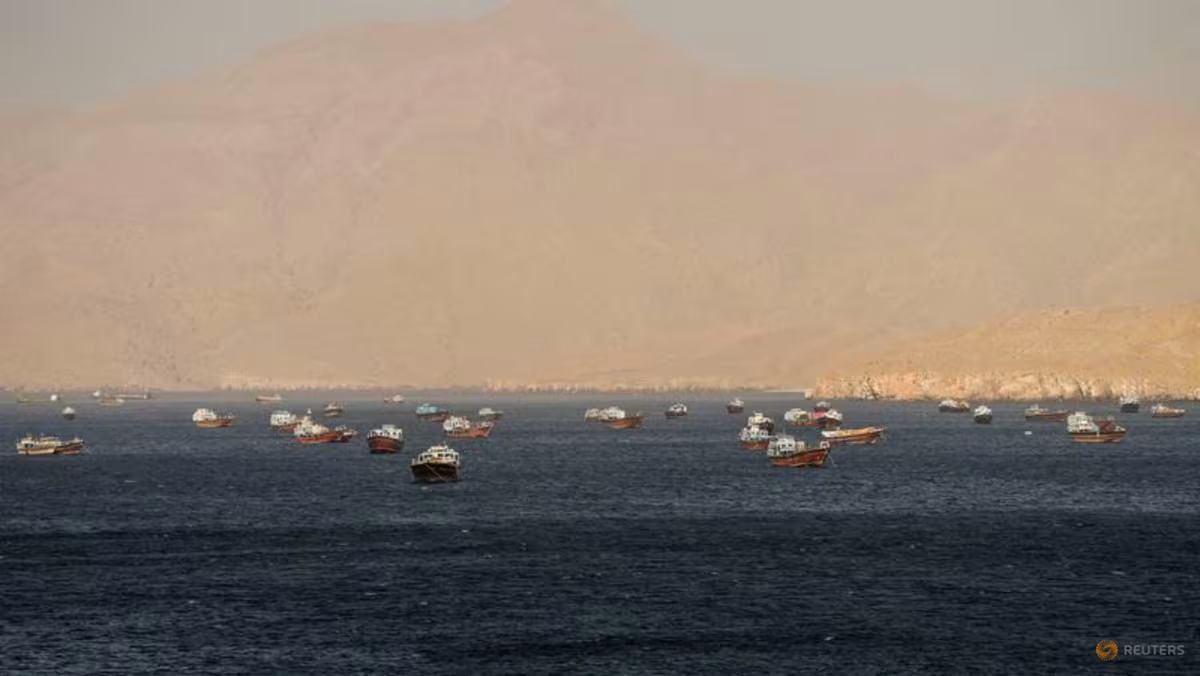
Commentary: Brace for a flood of oil as soon as Hormuz reopens
The reopening of the Strait of Hormuz will be an extraordinary event, but the oil industry doesn't have a playbook for it, says Javier Blas for Bloomberg Opinion.
- ·
cnn.com

The Strait of Hormuz is ‘leaking’ oil | CNN Business
One of the biggest mysteries of the global economy is why the oil market has remained so calm during one of the greatest supply shocks in history.
- ·

Strait of Hormuz closure: Why high oil prices may be a temporary shock only - explained
Oil prices may average at around $87 per barrel in 2026 as the reopening of Strait of Hormuz in the coming months would ease crude supplies globally, says Fitch Ratings. Global…
- ·
zerohedge.com
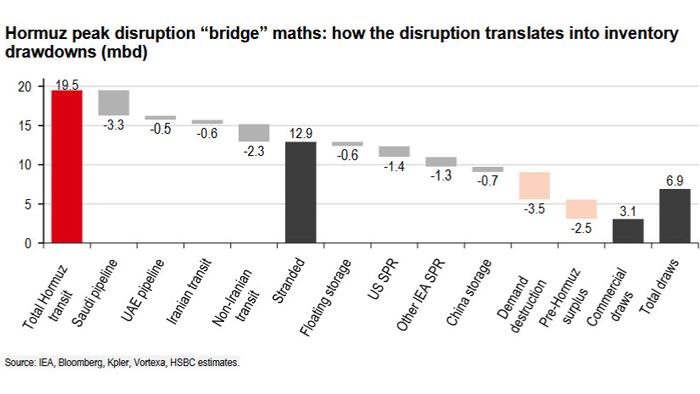
What If The Strait Of Hormuz Never Fully Reopens
One bank says it is increasingly likely that Hormuz never fully reopens and that the debate needs to shift to shape of "new normal" - in that world, tank bottoms would be reached…
- ·
cnbc.com
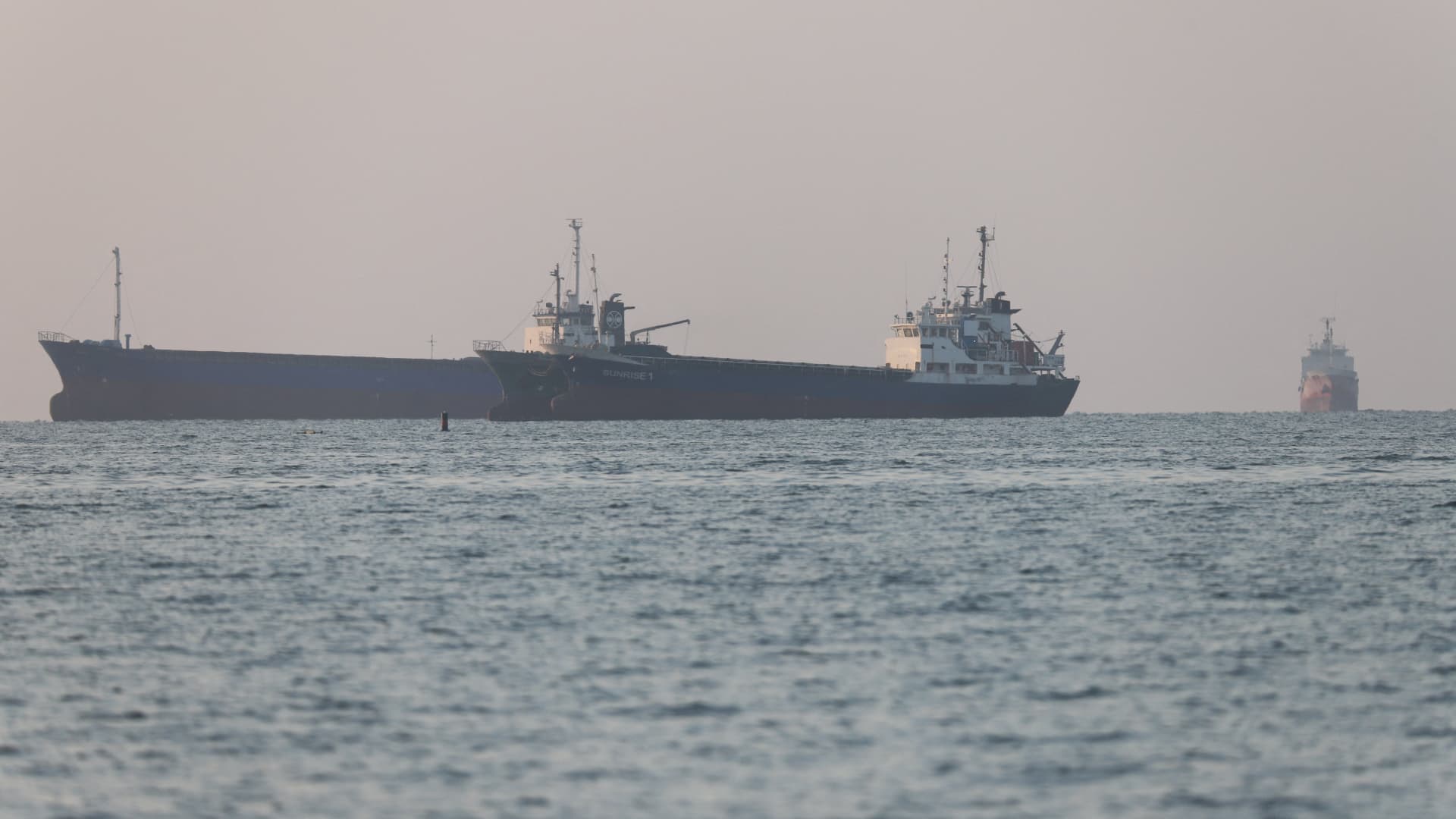
Oil tanker CEO sees Hormuz traffic quickly increasing when strait reopens
Many shipowners are just waiting for the threat assessment to be downgraded before crossing Hormuz, Frontline CEO Lars Barstad said.