Commentary
The longer we go without oil from the Persian Gulf, the less we’ll need it, says Christopher Smart for the New York Times.
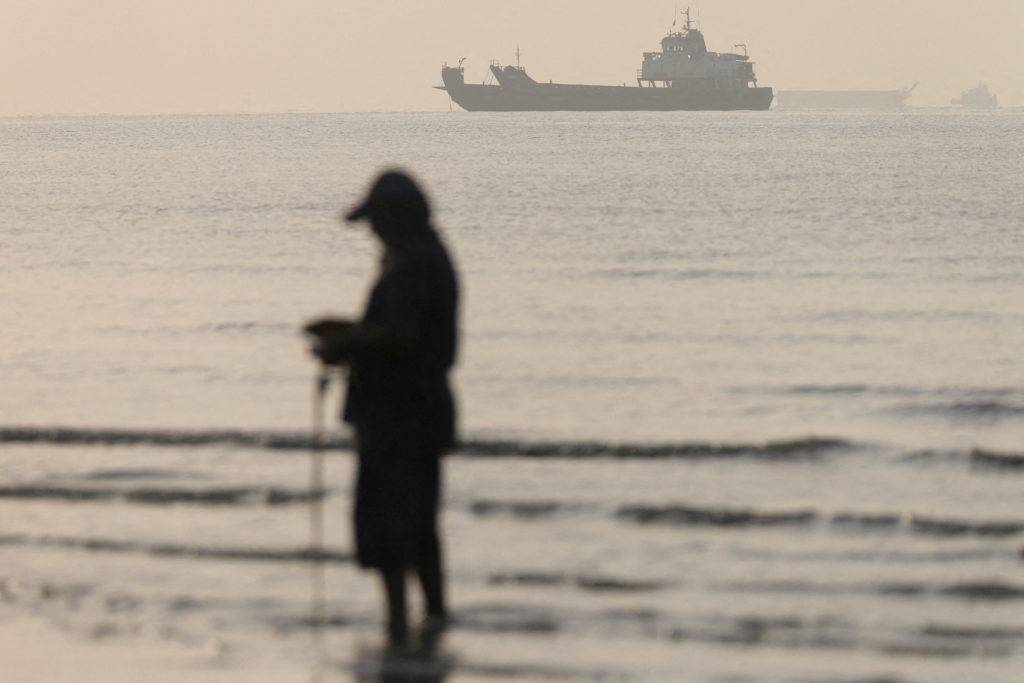
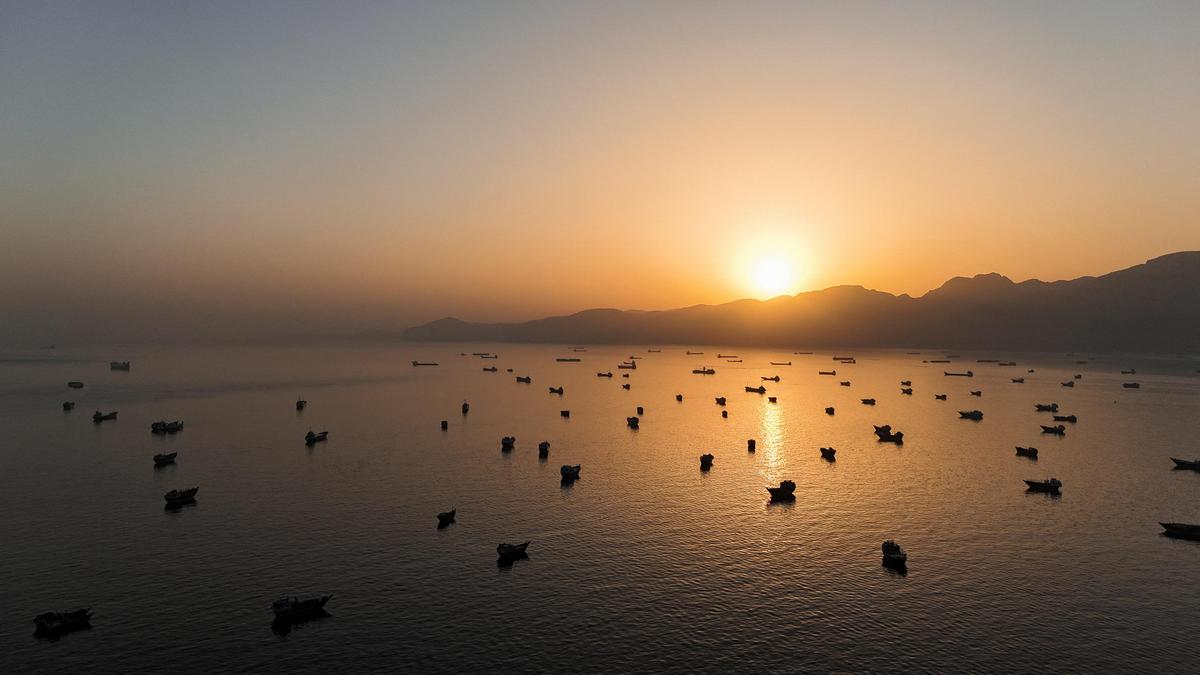
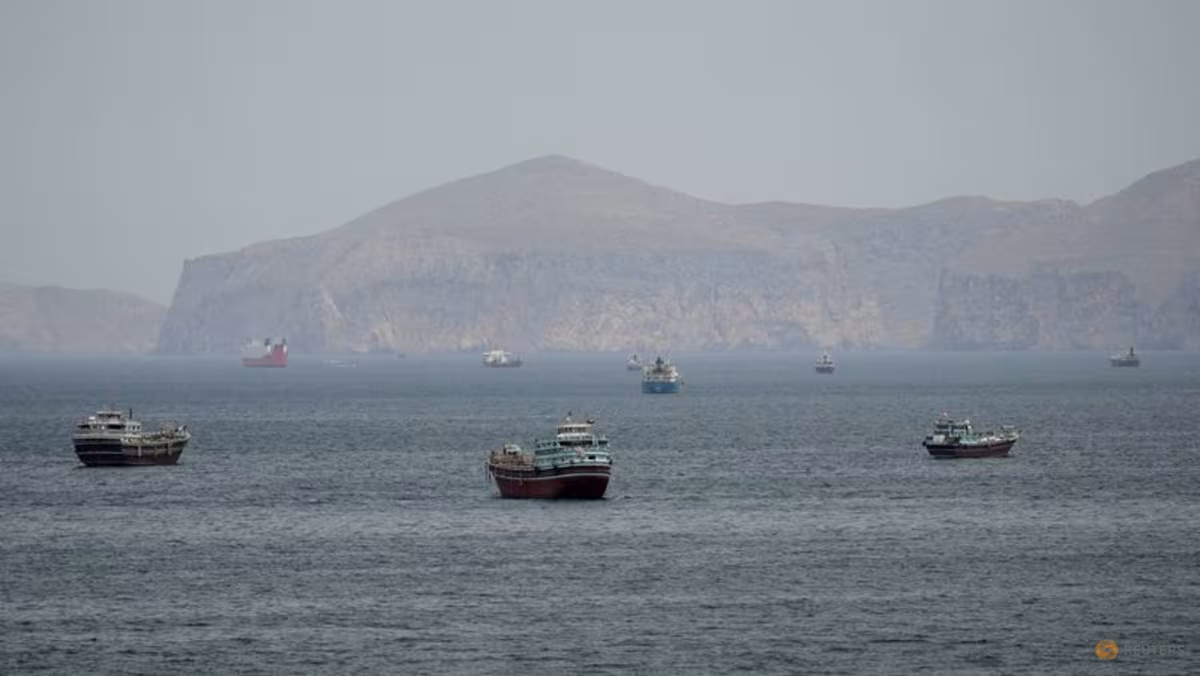
FILE PHOTO: Ships and boats in the Strait of Hormuz, Musandam, Oman, April 22, 2026. REUTERS/Stringer/File Photo
06 Jun 2026 06:00AM
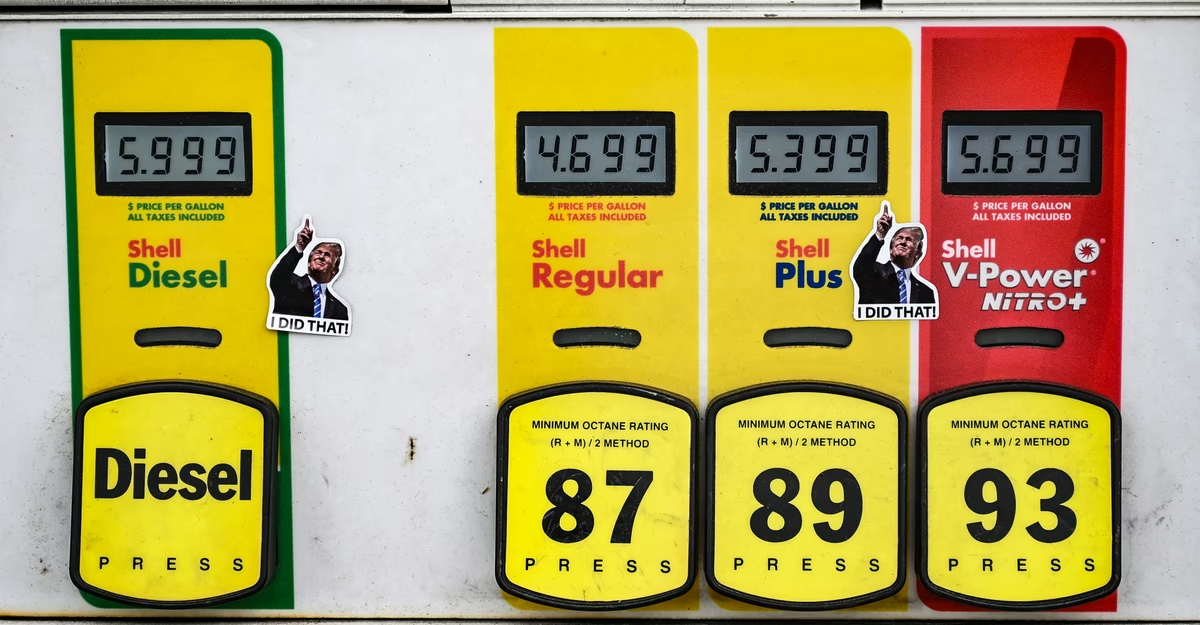
NEW YORK: Whatever peace agreement the United States and Iran may cobble together, there will be no quick return to pre-war energy flows through the Strait of Hormuz. Even after the mines are cleared, it will take a brave tanker captain to trust that the passage is once again secure - and higher insurance costs could raise the price of that trip by millions.But with every passing day, the world is learning to live without the Gulf’s seaborne exports.Just as the COVID-19 pandemic and President Donald Trump’s tariffs forced a significant rewiring of global supply chains, the strait’s closure has prompted a similar adjustment. You might be part of it. When gas prices rise rapidly, people start to limit their driving. Walmart just reported that customers are now buying less than 10 gallons of gas at a time on average at its filling stations.The United States, Brazil, Canada, Kazakhstan and Venezuela are already increasing their oil production. Large releases of crude oil from the US Strategic Petroleum Reserve are also helping to cover shortfalls. Like a stream that finds its way around a fallen log, markets locate new supplies when the old ones are suddenly cut off.