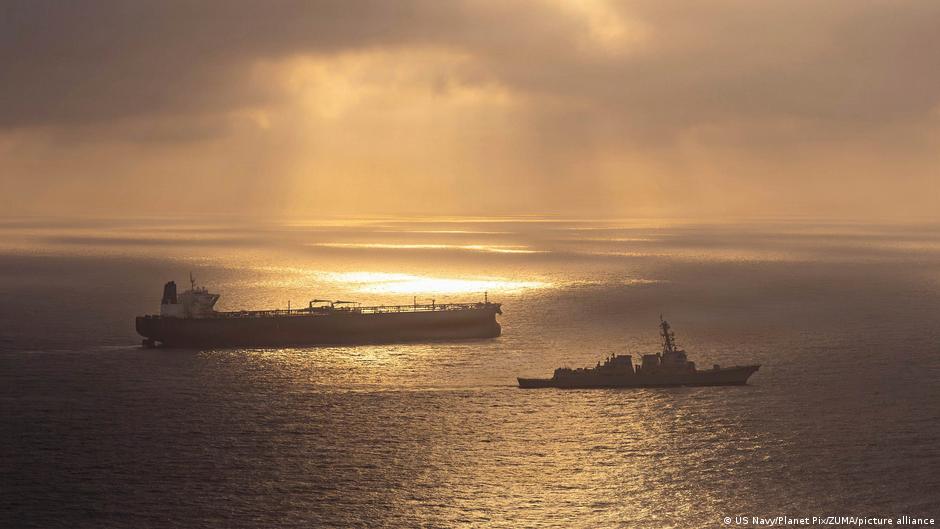
As the Iran war approaches 100 days on Sunday, a comforting but flawed assumption has taken hold.
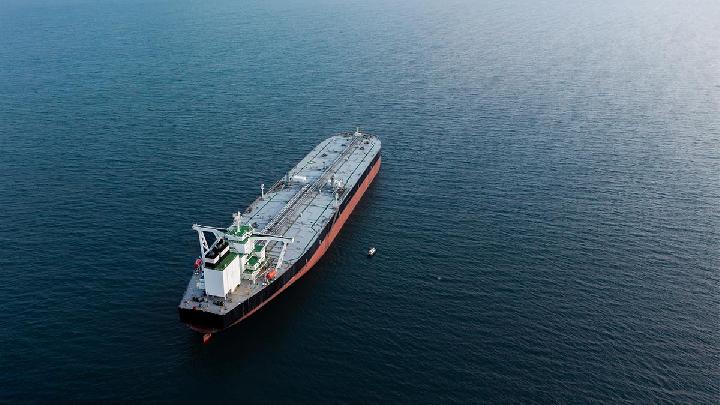
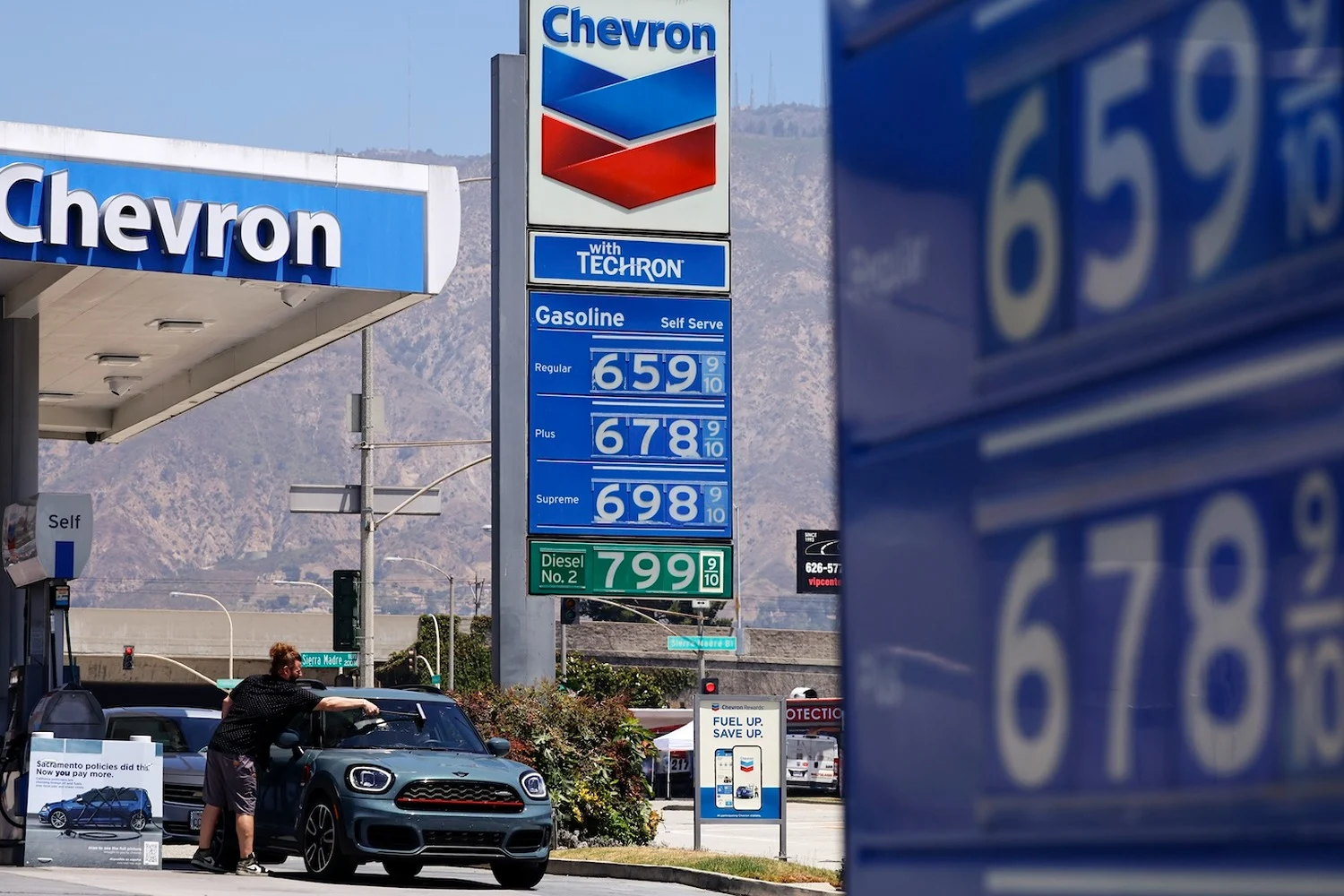
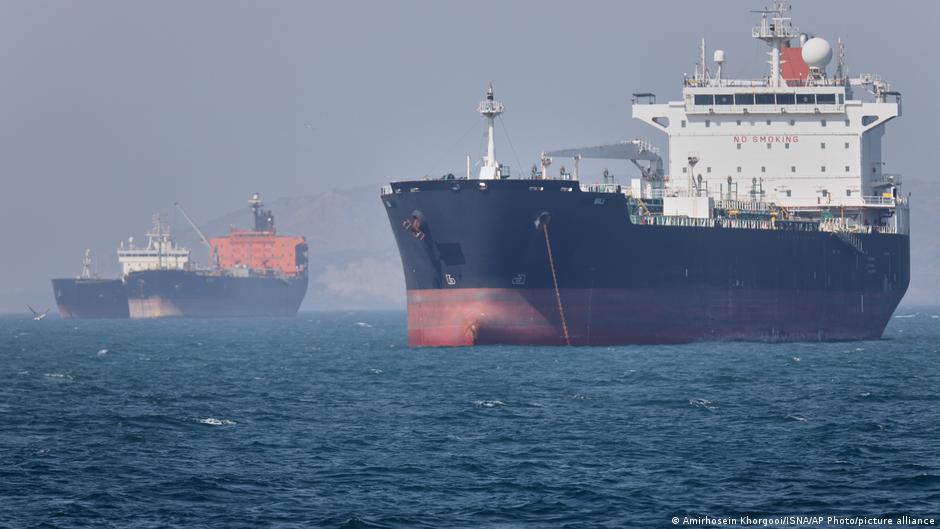
Many policymakers, businesses and investors believe that a rapid reopening of the Strait of Hormuz will quickly bring down energy prices, once stranded oil and gas tankers can finally leave the Gulf.
Yet top oil executives, shipping sector leaders and economists are predicting the opposite. They caution that peace will not instantly return energy markets and global supply chains to normal. The fallout, they say, could last for many more months and even years.
Amin Nasser, CEO of Saudi Aramco, the Gulf's largest oil supplier, told investors last month that even if Hormuz reopened immediately, it would "take months for the market to rebalance." If the closure was sustained for even a few more weeks, Nasser said that "normalization will last into 2027."
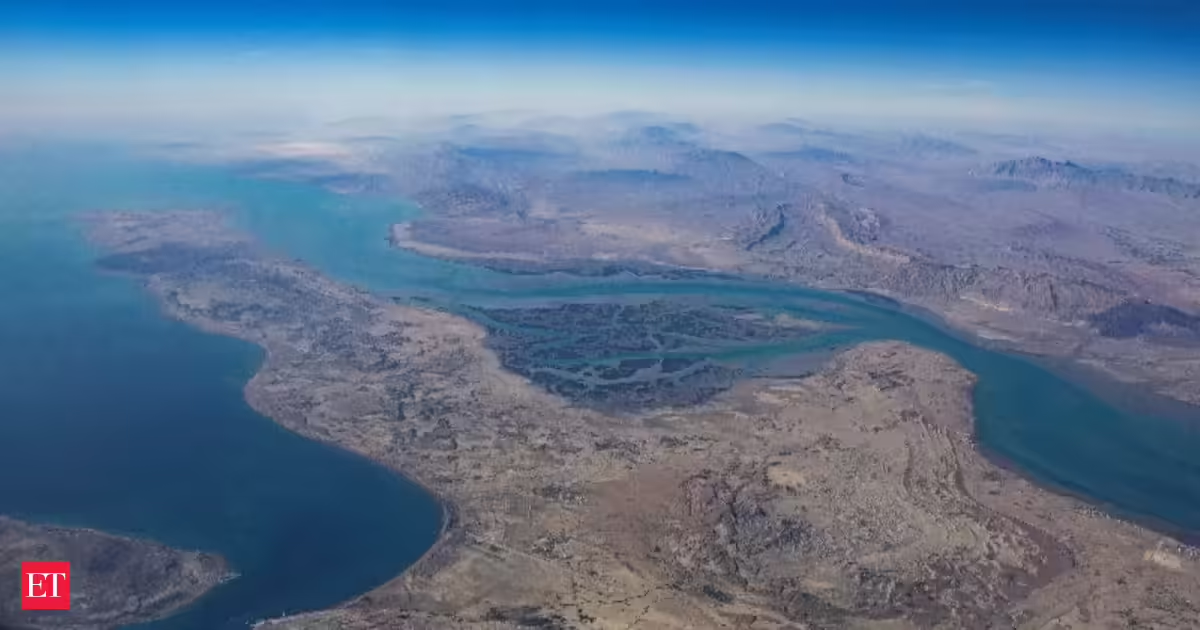
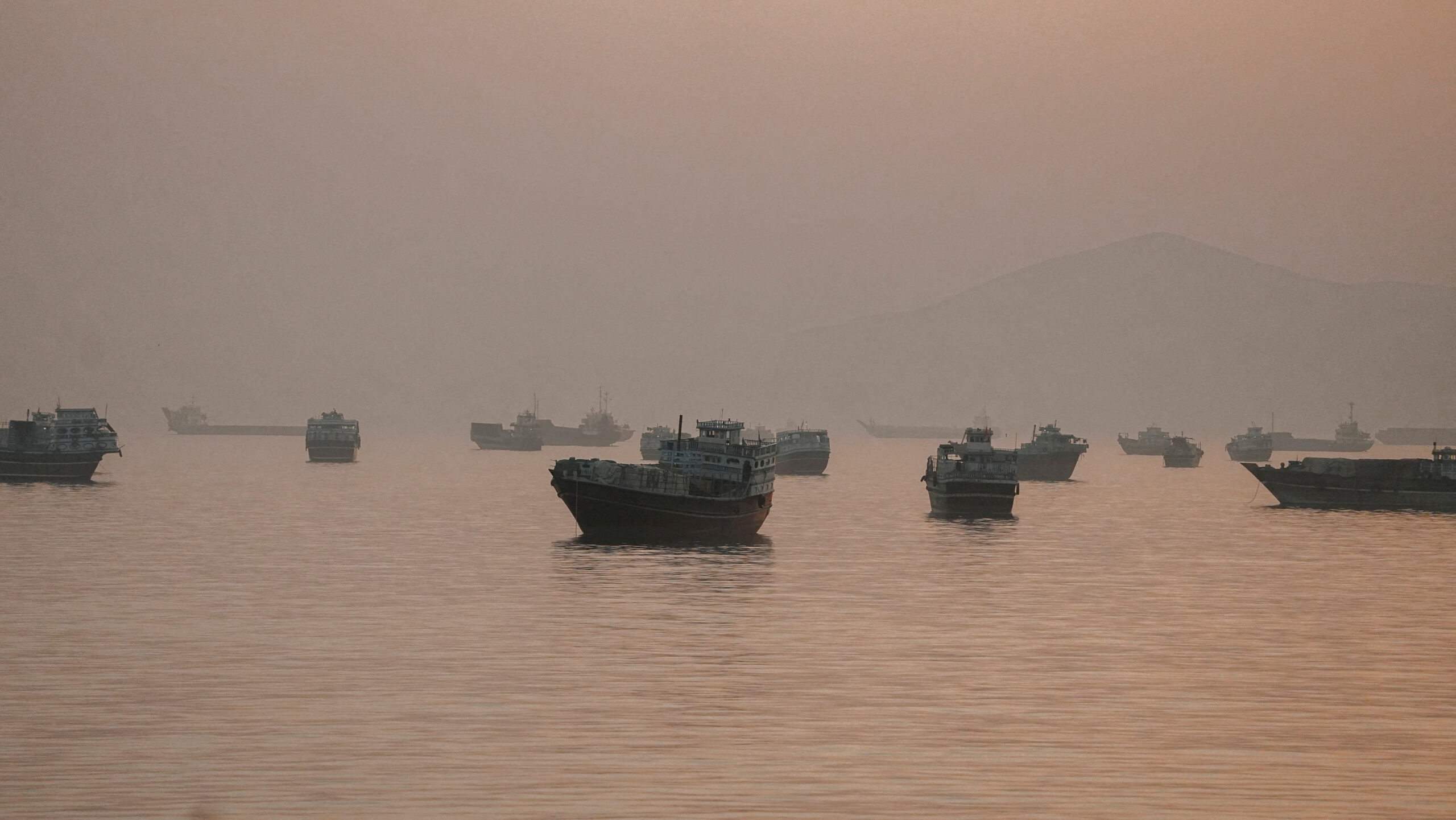
Traffic through the narrow waterway between Iran and Oman remains at a fraction of normal levels, despite a fragile ceasefire and peace talks that have faced repeated setbacks.