As the US-Iran war draws toward its six-month anniversary, and a barely month-old ceasefire collapses, there is little reason to believe the trajectory of the conflict will change soon. Oil markets, and consumers, should prepare for the possible worst-case outcomes and accept that “normal” is now a figment of the past.
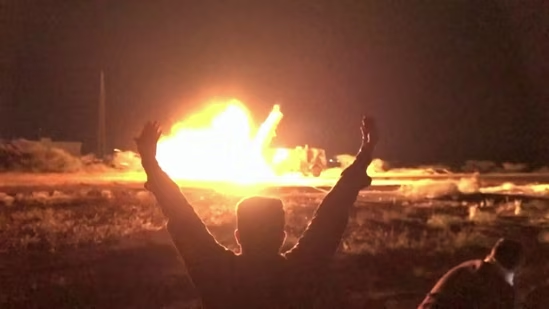
The weary pattern of this conflict—sporadic kinetic action, talks of negotiations, retrenchment and then resumption of conflict—is becoming old news for those who read the signals surrounding oil and gas markets. But this situation makes it difficult for either side of this war to achieve a breakthrough and end the conflict on their preferred terms. Fundamentally, both sides’ central (and diametrically opposed) aims have never changed; so far, negotiations have failed to move the needle and military force is only marginally more likely to prove decisive.
Mistakes were made
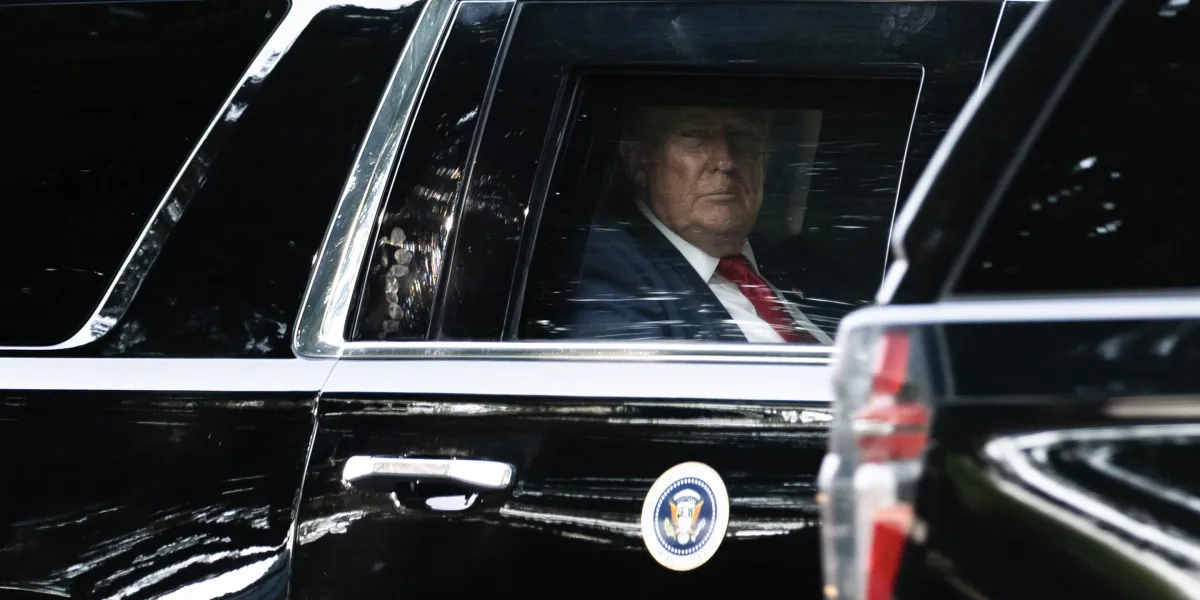
The reasons why lie in how the United States got here to begin with—namely, the Trump administration’s misreading of how the Iranian regime perceives this conflict.
After its initial decapitation strategy failed, the White House turned to the next best option: a negotiated settlement out of what was becoming a globalized energy crisis. In normal circumstances, repeated negotiations would eventually yield sufficient compromises to avoid or end costly military operations. Indeed, such an approach has worked before in the creation of the Obama-era Joint Comprehensive Plan of Action (JCPOA), which was intended to prevent the very war we now find ourselves mired in.